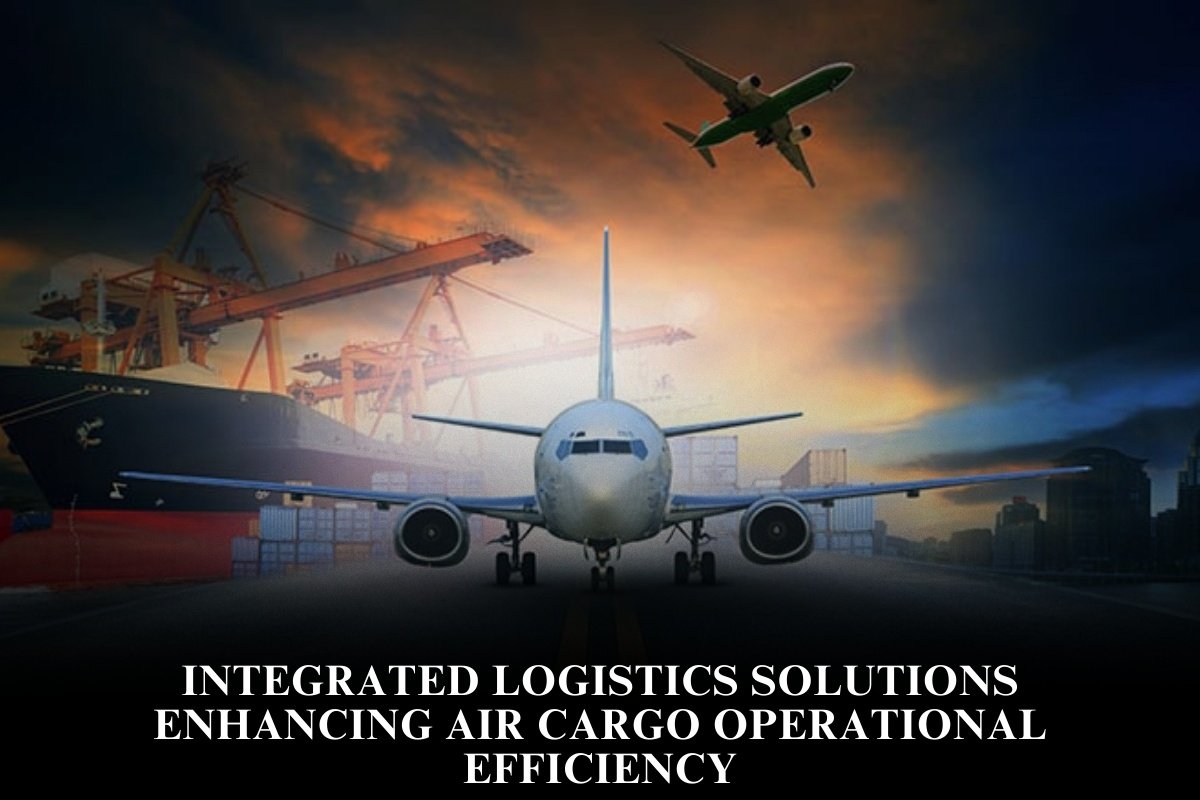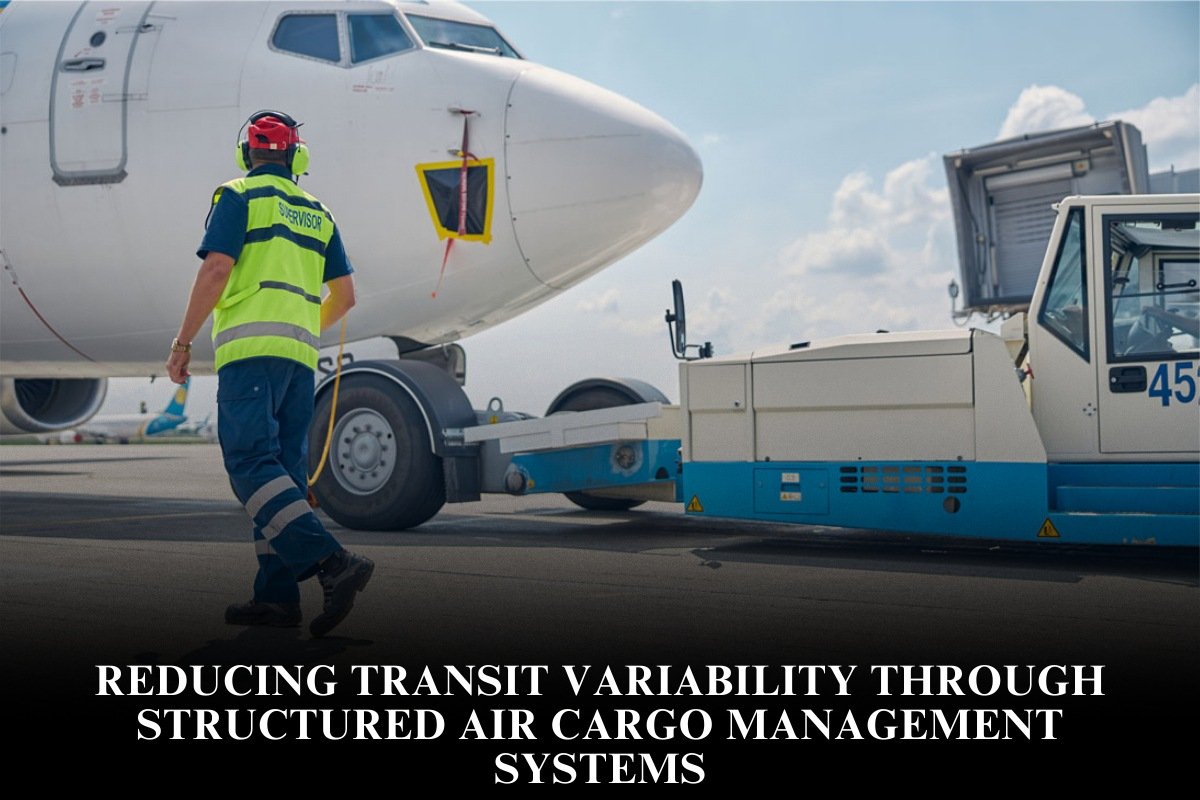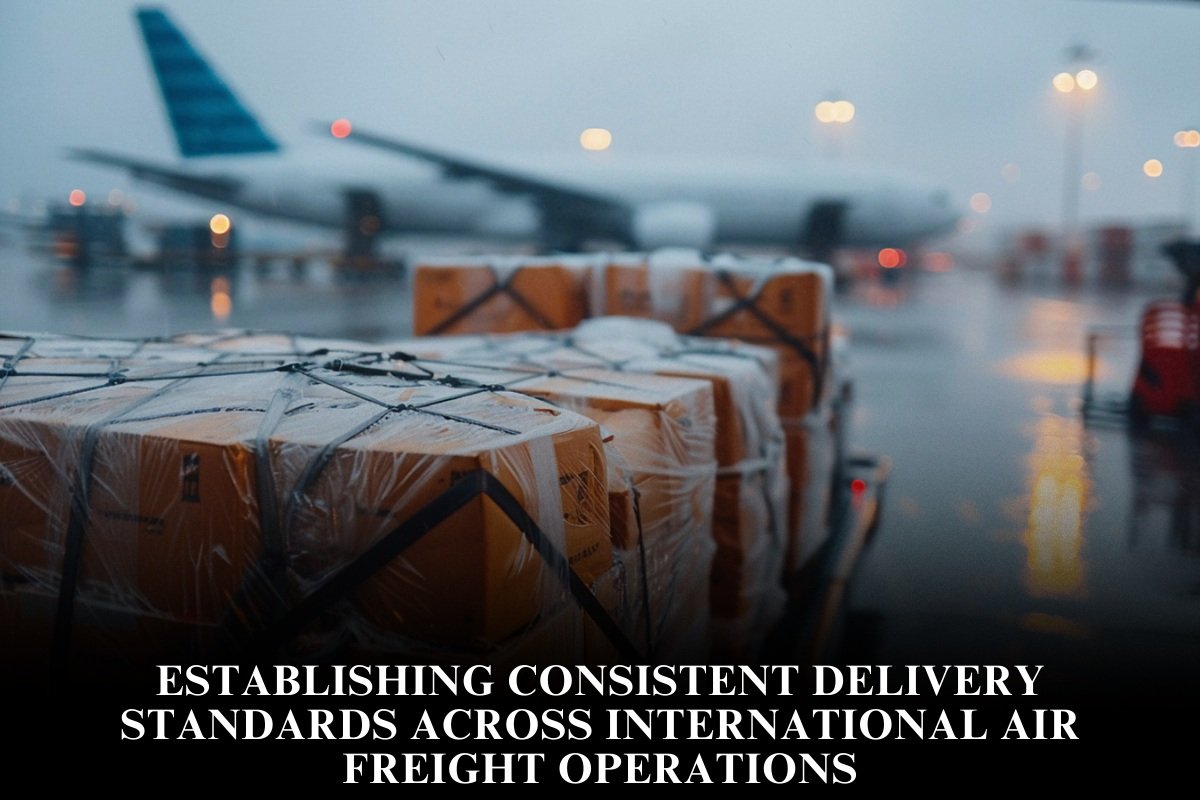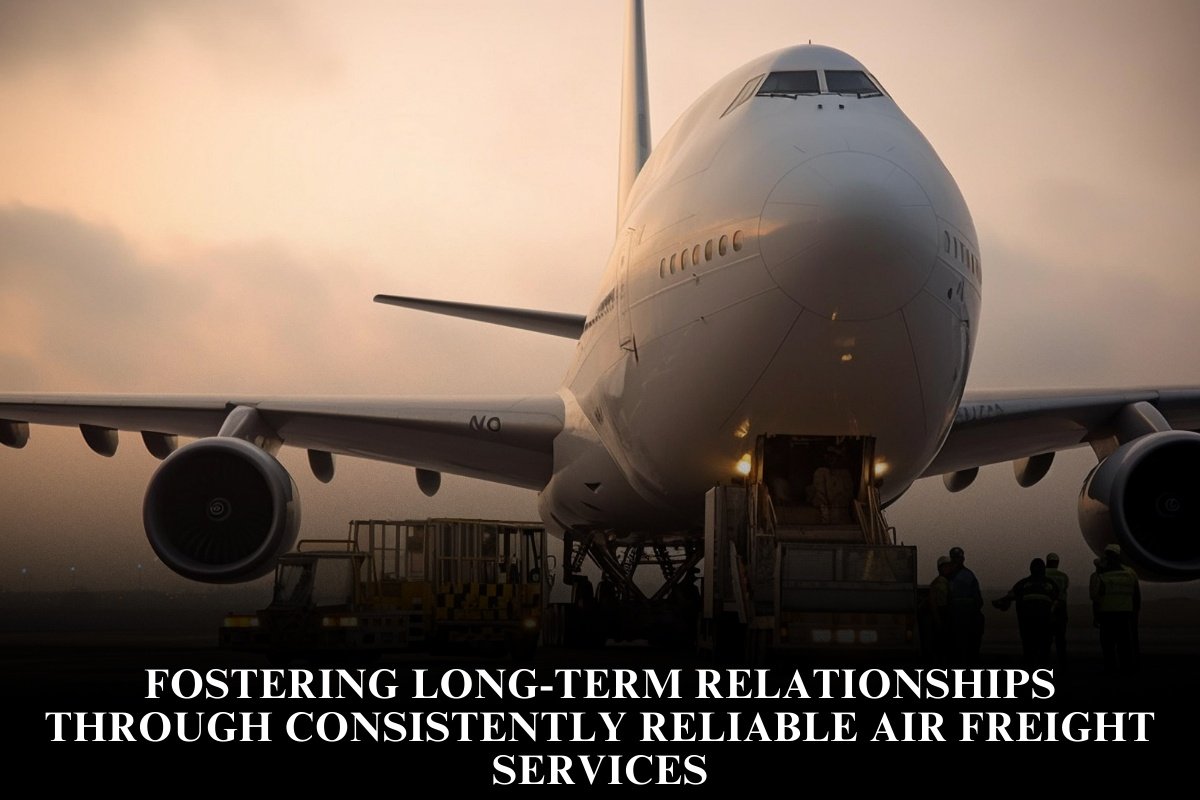
International air cargo is the backbone of global trade, moving high-value, time-sensitive, and perishable goods across continents. As supply chains become more complex and customer expectations rise, reliability is no longer a competitive advantage—it is a necessity. Innovative technologies are transforming air cargo operations, helping airlines, freight forwarders, and logistics providers reduce delays, improve transparency, and enhance overall service quality.
Digital Tracking and Real-Time Visibility
One of the most impactful advancements in international air cargo is real-time tracking. Using Internet of Things (IoT) sensors, GPS devices, and RFID tags, shipments can now be monitored continuously from origin to destination. These technologies provide precise location data as well as environmental information such as temperature, humidity, and shock exposure.
Real-time visibility reduces uncertainty and allows proactive intervention. If a shipment is delayed or exposed to unfavorable conditions, stakeholders can respond immediately—rerouting cargo, adjusting handling procedures, or informing customers in advance. This level of transparency significantly improves trust and reliability across the supply chain.
Artificial Intelligence and Predictive Analytics
Artificial intelligence (AI) and machine learning are reshaping how air cargo operations are planned and managed. Predictive analytics tools analyze historical data, weather patterns, airport congestion, and aircraft performance to forecast potential disruptions before they occur.
Airlines and logistics providers use AI-driven systems to optimize flight schedules, cargo loading, and capacity utilization. Predictive maintenance is another major benefit—AI can identify early signs of equipment or aircraft component failure, reducing unplanned downtime and preventing service interruptions. Together, these capabilities lead to more consistent and reliable cargo delivery.
Blockchain for Secure and Transparent Documentation
Documentation errors and delays have long been a challenge in international air cargo. Blockchain technology addresses this issue by creating a secure, immutable digital ledger for shipping documents such as air waybills, customs declarations, and certificates of origin.
By enabling all authorized parties to access the same verified data in real time, blockchain reduces paperwork discrepancies, minimizes fraud, and accelerates customs clearance. Faster and more accurate documentation directly translates into fewer delays and improved reliability, especially for cross-border shipments.
Automation and Robotics in Cargo Handling
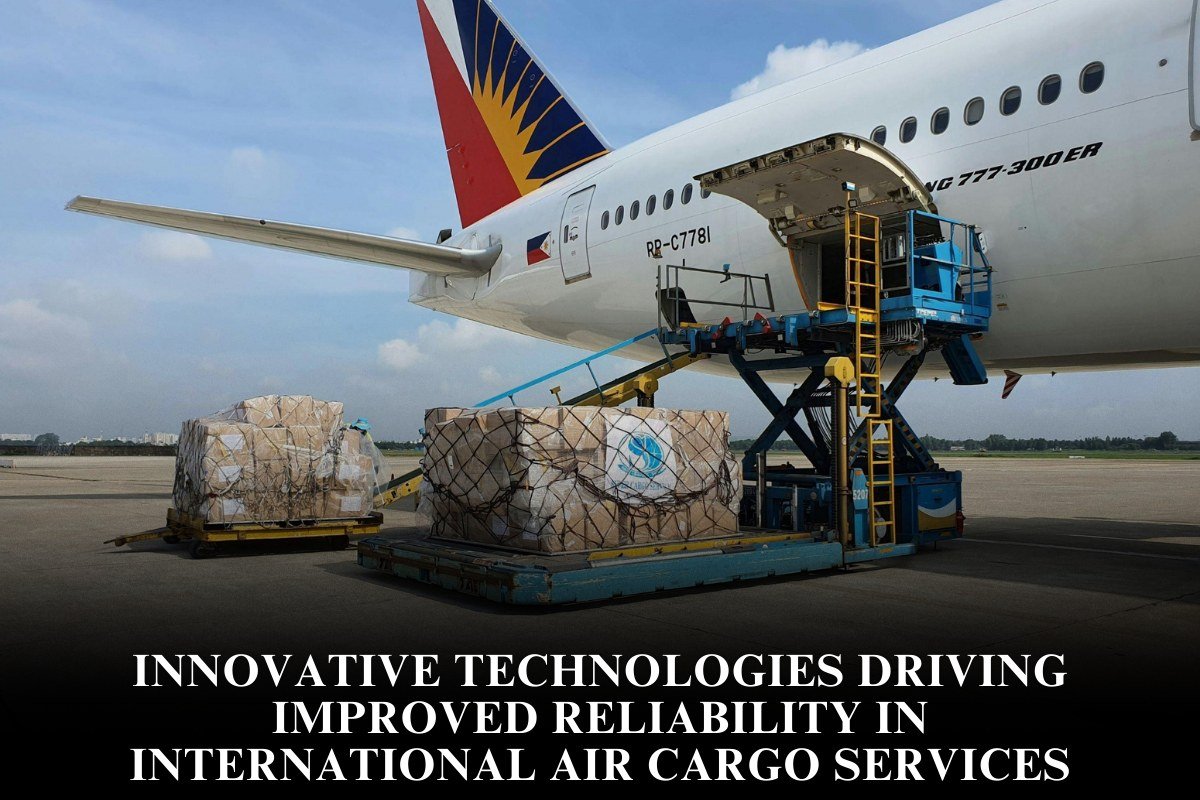
Automation is playing a growing role in cargo terminals and warehouses. Robotic systems are now used for sorting, palletizing, and moving cargo with high precision and speed. Automated storage and retrieval systems reduce manual handling errors and improve consistency in operations.
These technologies also help address labor shortages and reduce human fatigue, both of which can impact reliability. With automated processes, cargo handling becomes faster, safer, and more predictable—key factors in maintaining dependable air cargo services.
Advanced Communication and Collaboration Platforms
Cloud-based platforms are enhancing collaboration among airlines, ground handlers, freight forwarders, and customs authorities. These systems centralize data and enable seamless information sharing across stakeholders.
Improved communication reduces misunderstandings, speeds up decision-making, and ensures that everyone involved in the shipment lifecycle has accurate, up-to-date information. This coordinated approach minimizes bottlenecks and enhances the overall reliability of international air cargo operations.
Sustainable Technologies Supporting Operational Stability
Sustainability-focused innovations, such as fuel-efficient aircraft, optimized flight planning, and sustainable aviation fuels, are also contributing to reliability. More efficient operations reduce fuel-related disruptions and costs, allowing airlines to maintain consistent schedules.
Additionally, regulatory compliance related to emissions is becoming increasingly important. Technologies that help meet environmental standards reduce the risk of penalties or operational restrictions, supporting long-term service reliability.
FAQs
What role does technology play in improving air cargo reliability?
Technology improves reliability by enhancing visibility, predicting disruptions, automating processes, and improving communication, which together reduce delays and operational errors.
How does real-time tracking benefit customers?
Real-time tracking provides transparency, timely updates, and early warning of issues, allowing customers to plan better and trust delivery timelines.
Why is AI important for international air cargo operations?
AI helps forecast disruptions, optimize routes and capacity, and prevent equipment failures, leading to more consistent and dependable cargo services.
Can blockchain really reduce delays in air cargo?
Yes, blockchain streamlines documentation, reduces errors, and speeds up customs clearance, which are major sources of delay in international shipments.
Is automation replacing human workers in air cargo?
Automation supports human workers rather than fully replacing them. It reduces repetitive tasks and errors while improving safety and efficiency, leading to more reliable operations.