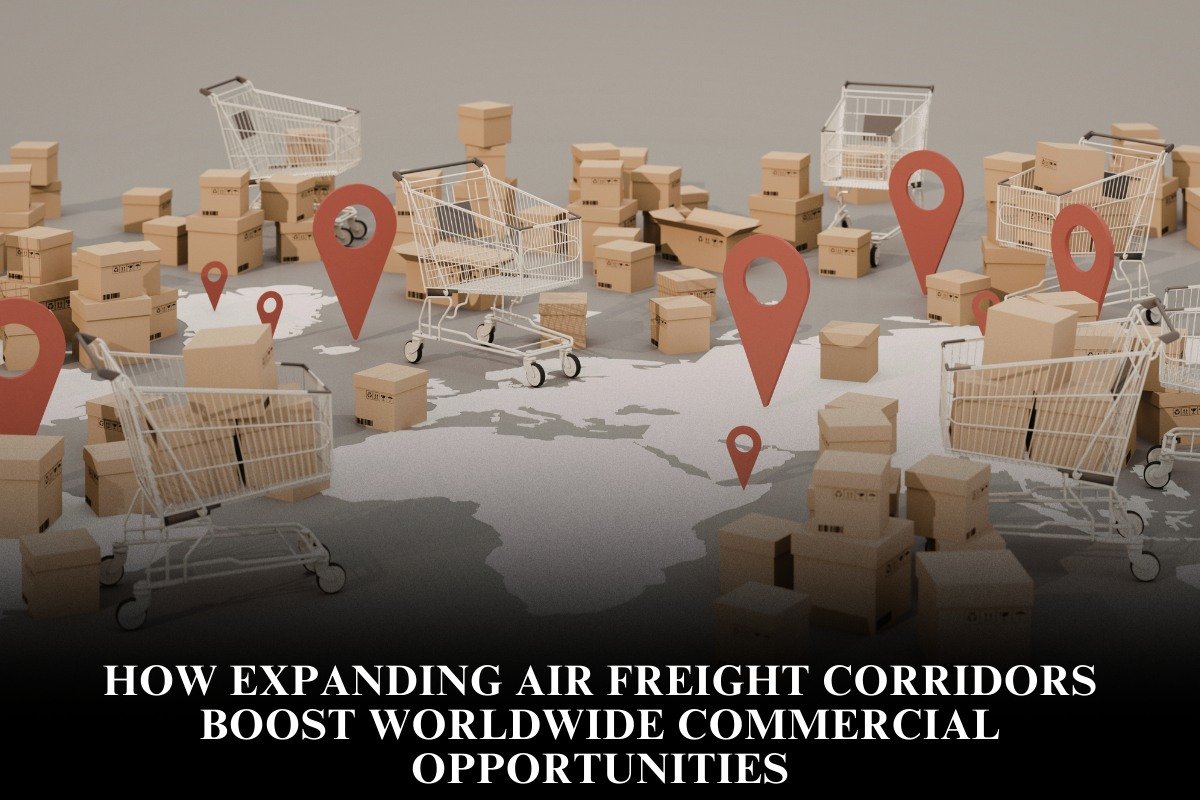
Global trade depends heavily on air freight to move high-value, time-sensitive, and critical goods across borders. As supply chains evolve and markets shift, traditional air cargo routes are no longer sufficient to meet modern demands.
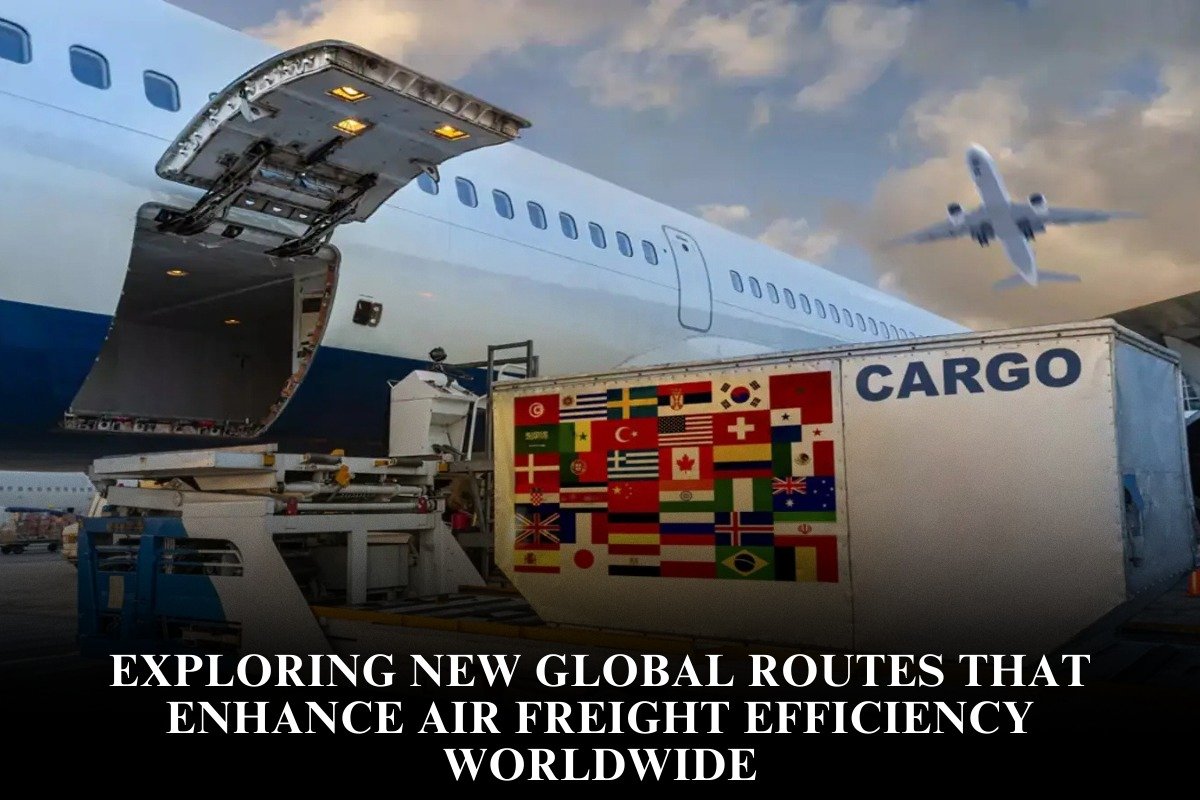
Airlines and logistics providers are increasingly exploring new global routes to enhance efficiency, reduce transit times, and improve reliability. These emerging pathways are reshaping how goods move worldwide and strengthening the resilience of international air freight networks.
The Need for New Global Air Freight Routes
The rapid growth of e-commerce, pharmaceuticals, and advanced manufacturing has increased pressure on existing air cargo corridors. Congestion at major hubs, rising fuel costs, and geopolitical uncertainties have exposed vulnerabilities in traditional routing models. New global routes help diversify networks, reduce dependency on overstretched airports, and ensure continuity during disruptions.
By opening alternative pathways, air freight operators can avoid bottlenecks, optimize aircraft utilization, and respond faster to market demands. These routes are not just about geography—they are strategic responses to economic growth patterns and changing trade flows.
Emerging Markets Driving Route Expansion
Emerging economies in Asia, Africa, Latin America, and the Middle East are playing a central role in shaping new air freight routes. Growing manufacturing bases, expanding consumer markets, and improved airport infrastructure are making these regions attractive cargo hubs.
Direct routes connecting secondary cities to global markets are becoming more common. This shift reduces the need for multiple transshipments through traditional mega-hubs, cutting handling time and minimizing the risk of delays or cargo damage. For exporters and importers alike, these new connections translate into faster deliveries and more predictable schedules.
Polar and Ultra-Long-Haul Routes
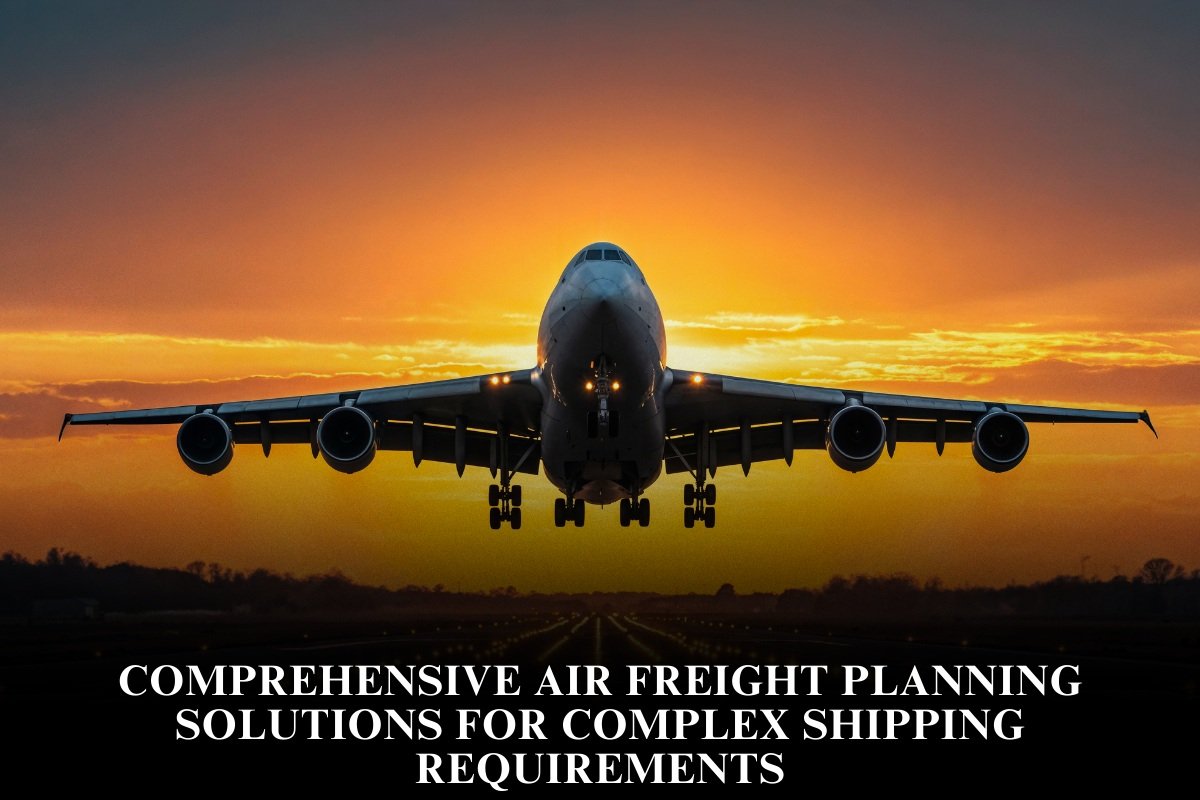
Advancements in aircraft range and fuel efficiency have made ultra-long-haul and polar routes increasingly viable. Polar routing, in particular, offers shorter distances between major production and consumption centers in Asia, Europe, and North America.
Shorter flight paths mean reduced fuel burn, lower emissions, and quicker transit times. These benefits directly enhance efficiency while supporting sustainability goals. As regulatory frameworks and navigation technologies continue to improve, polar routes are expected to play a larger role in global air freight operations.
The Role of Strategic Cargo Hubs
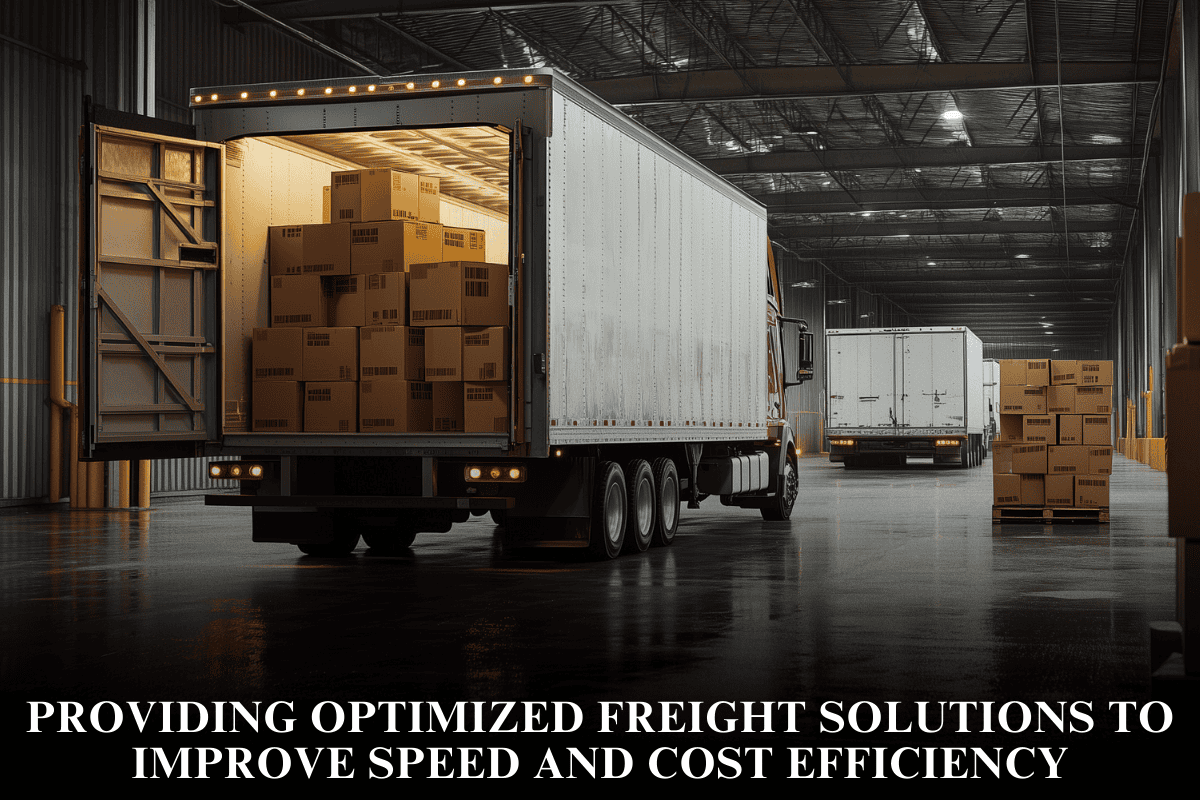
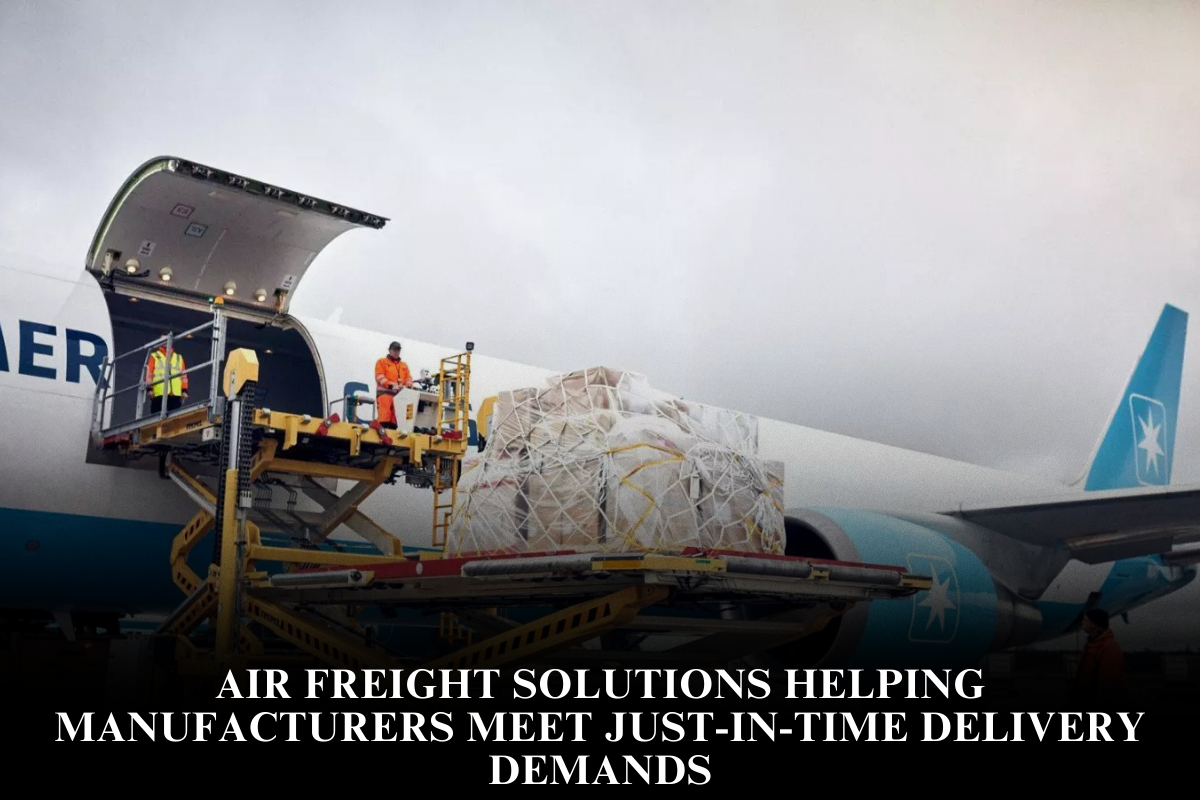
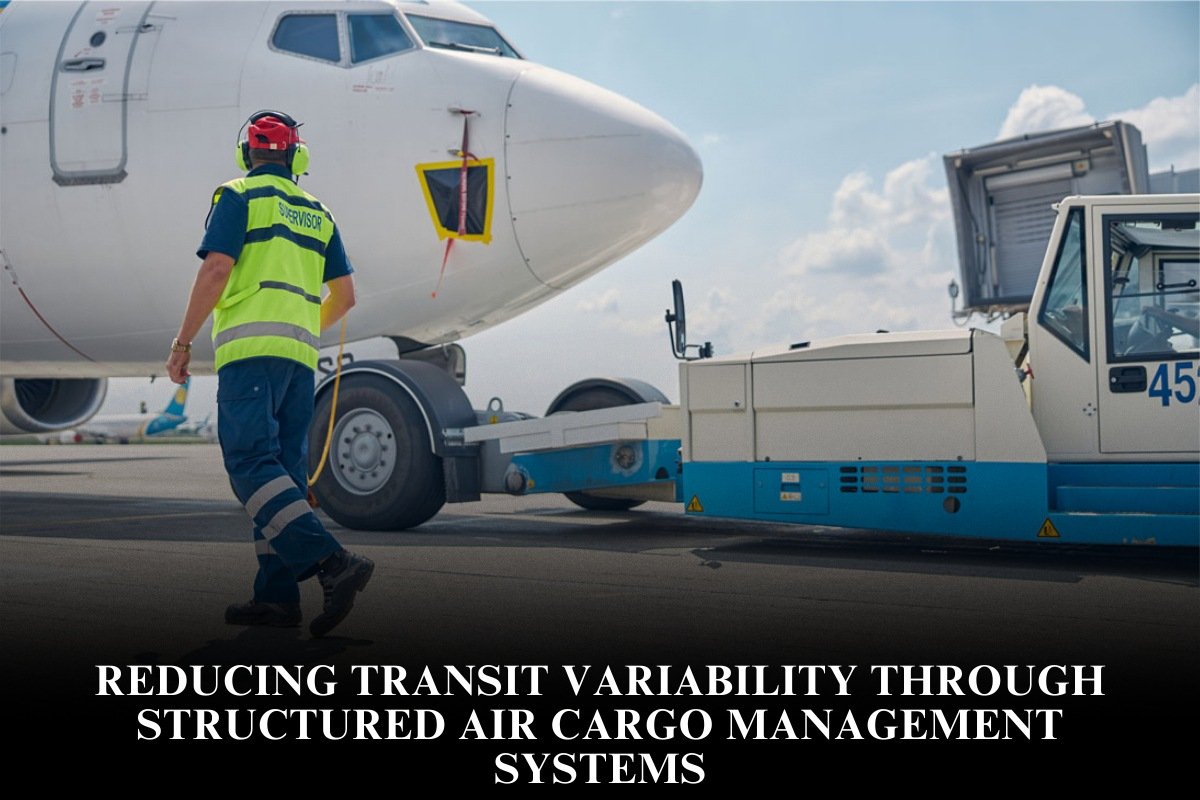
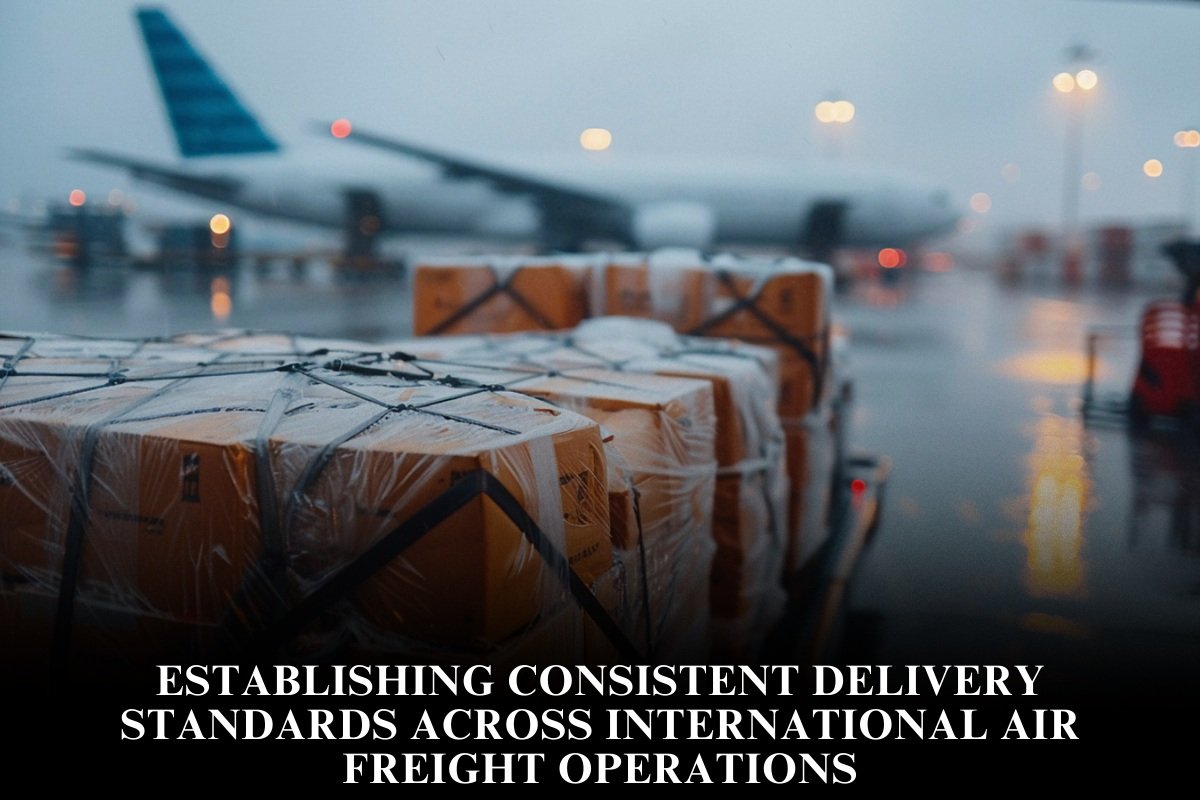
New global routes often rely on strategically located cargo hubs designed specifically for freight efficiency. These hubs feature dedicated cargo terminals, 24/7 operations, advanced handling systems, and streamlined customs processes.
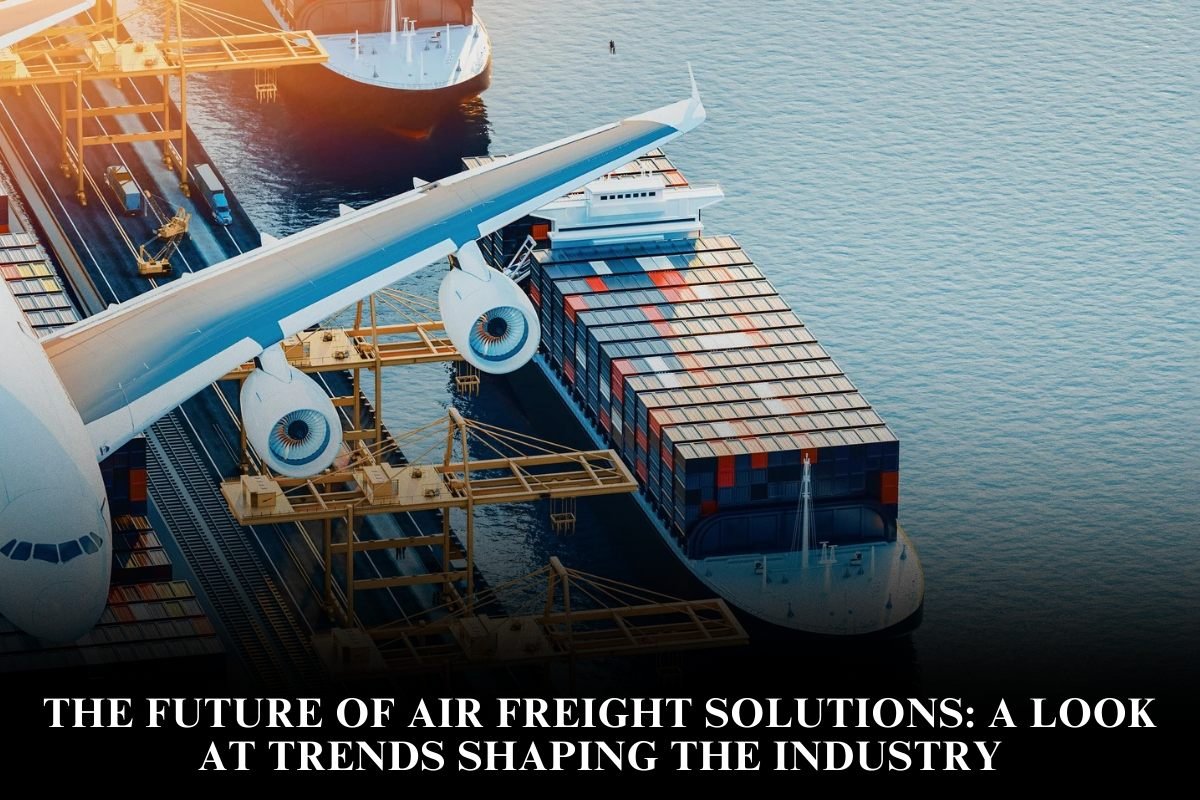
By integrating air, sea, and land transport, modern cargo hubs enable smoother multimodal connectivity. This integration allows freight to move seamlessly from aircraft to trucks or ships, reducing dwell time and improving overall network efficiency. Strategic hubs also support route flexibility, allowing operators to quickly adapt to demand fluctuations.
Digital Planning and Route Optimization
Technology is a key enabler in exploring and sustaining new global air freight routes. Advanced route-planning software uses real-time data on weather, airspace restrictions, fuel prices, and demand forecasts to identify the most efficient pathways.
Digital twins and simulation tools allow airlines to test new routes virtually before launching them, reducing financial risk and operational uncertainty. These data-driven approaches ensure that new routes are not only faster but also economically and operationally sustainable.
Sustainability and Regulatory Considerations
Environmental concerns and regulatory pressures are influencing route development decisions. New routes are often designed to minimize fuel consumption and emissions while complying with international aviation standards.
Efficient routing supports sustainability by reducing unnecessary detours and congestion-related delays. At the same time, compliance with regional regulations ensures long-term route viability and protects operators from costly restrictions or penalties.
Future Outlook for Global Air Freight Routes
The future of air freight lies in flexible, diversified, and technology-enabled networks. New global routes will continue to emerge as trade patterns shift, infrastructure improves, and aircraft capabilities expand. Collaboration between airlines, airports, governments, and logistics providers will be essential to unlocking the full potential of these routes.
As networks become more adaptive, global air freight will be better equipped to handle disruptions, meet customer expectations, and support economic growth worldwide.
FAQs
Why are new global air freight routes important?
New routes reduce congestion, shorten transit times, and improve reliability by diversifying air cargo networks and avoiding overused hubs.
How do emerging markets influence air freight routing?
Emerging markets create demand for direct connections, encouraging airlines to open routes that bypass traditional hubs and improve efficiency.
What makes polar routes attractive for air cargo?
Polar routes offer shorter distances between continents, leading to faster transit times, lower fuel consumption, and reduced emissions.
Do new routes increase sustainability in air freight?
Yes, efficient routing reduces fuel burn and emissions while supporting compliance with environmental regulations.
Will traditional cargo hubs become less important?
Traditional hubs will remain relevant, but their role is evolving as new regional and secondary hubs enhance network flexibility and efficiency.