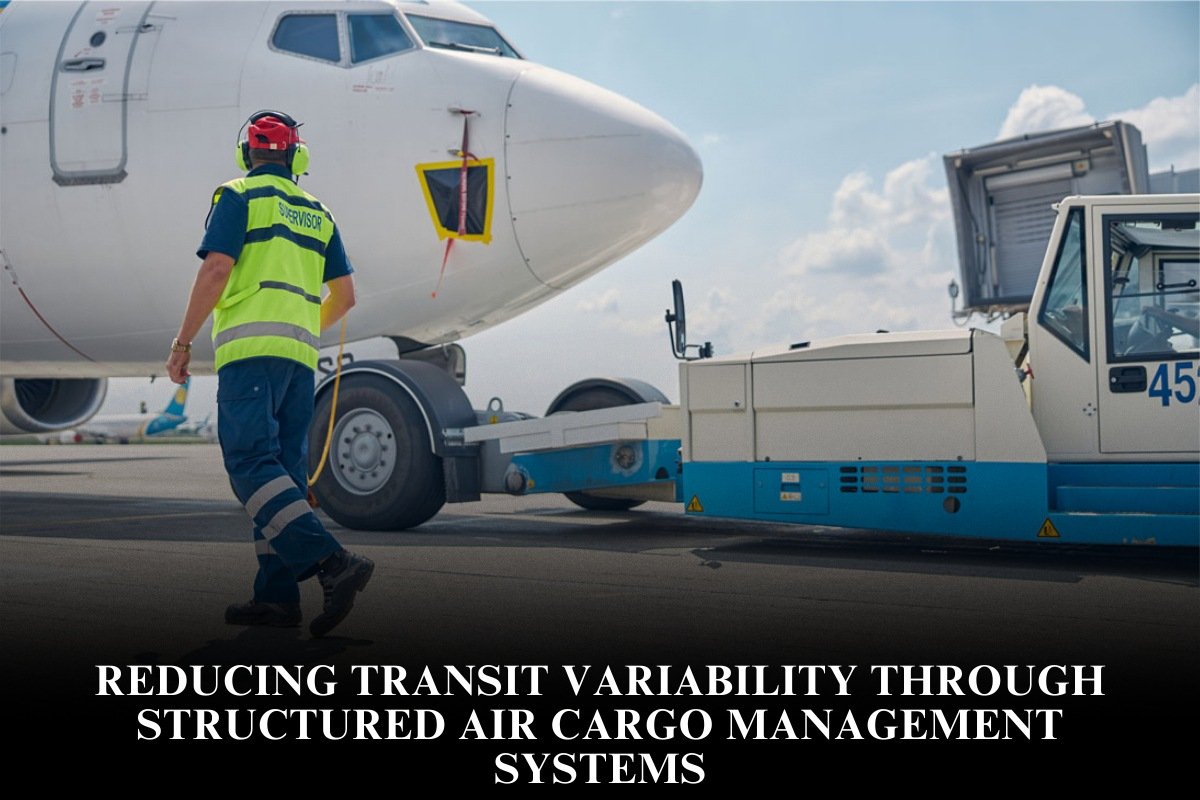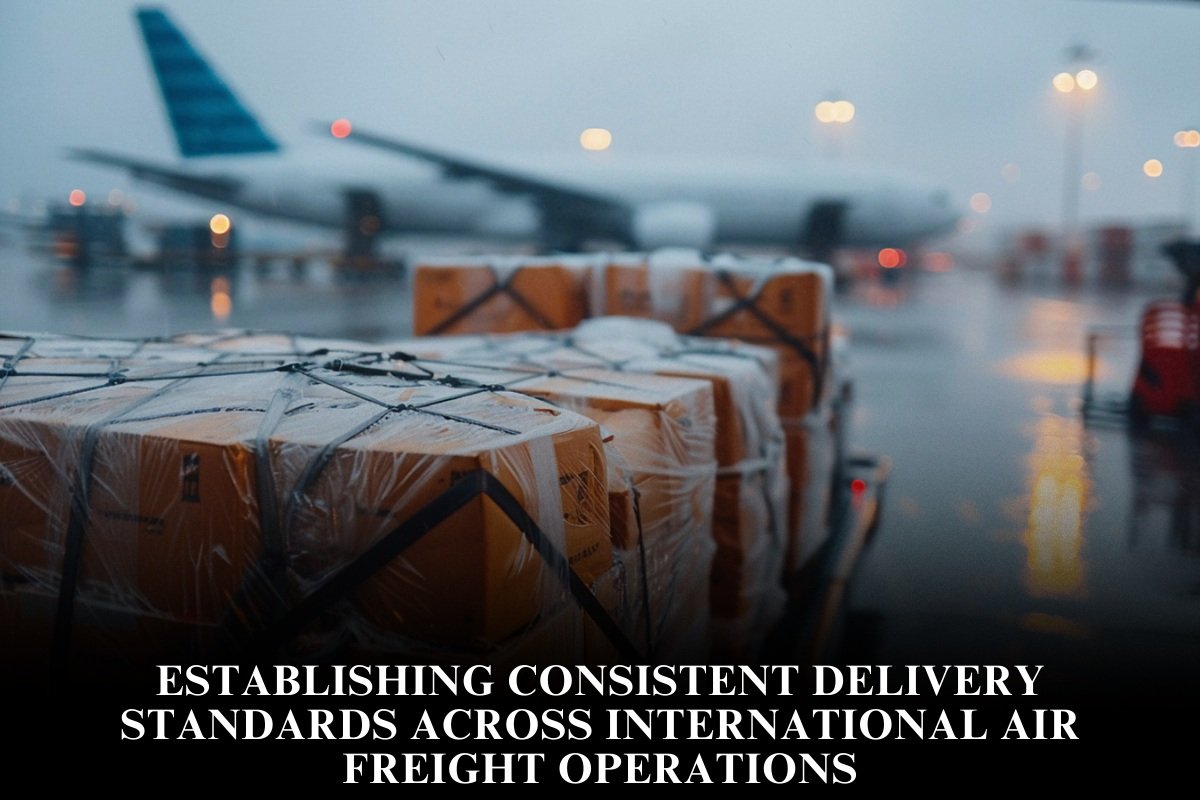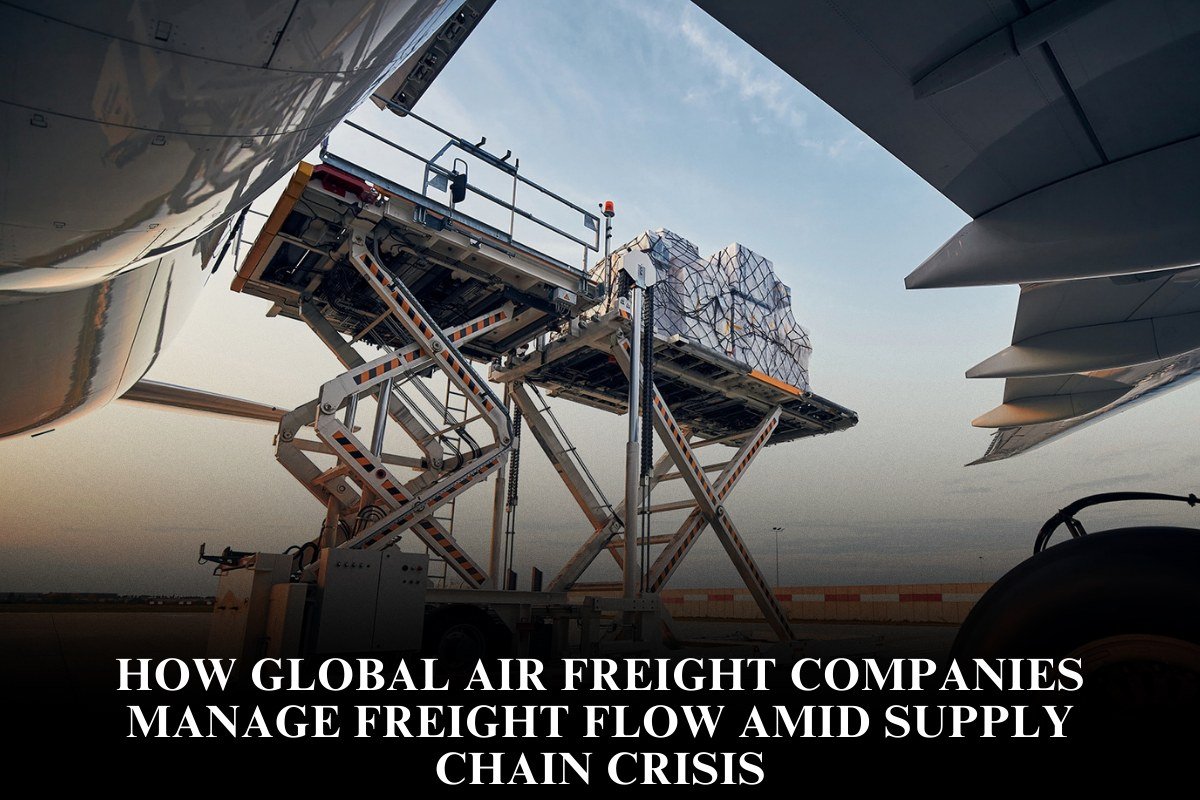
Global supply chains have faced unprecedented disruption in recent years due to pandemics, geopolitical tensions, port congestion, and fluctuating consumer demand. In the middle of this volatility, global air freight companies play a critical role in keeping essential goods moving. Their ability to manage freight flow efficiently during supply chain crises depends on speed, flexibility, technology, and strategic coordination across borders.
Rapid Response and Network Flexibility
One of the biggest advantages air freight companies have during a supply chain crisis is speed. When ocean shipping delays stretch into weeks, air cargo becomes the fastest alternative.
Global operators rely on flexible route planning, allowing them to reroute aircraft away from congested hubs and toward underutilized airports. Companies such as DHL and FedEx constantly adjust flight schedules and capacity based on real-time demand, ensuring critical shipments continue moving even when traditional routes break down.
Prioritization of Critical and High-Value Cargo
During crises, not all cargo can move at once. Air freight companies implement strict prioritization strategies to manage limited capacity. Medical supplies, pharmaceuticals, emergency equipment, and perishable goods are often fast-tracked.
High-value electronics and time-sensitive manufacturing components are also prioritized to prevent costly production shutdowns. By categorizing freight based on urgency and economic impact, companies maximize the effectiveness of available aircraft space.
Leveraging Advanced Data and Technology
Technology plays a central role in managing freight flow during disruptions. Advanced tracking systems, predictive analytics, and AI-powered demand forecasting allow air freight companies to anticipate bottlenecks before they escalate.
Real-time visibility helps logistics teams monitor cargo movement, identify delays, and take corrective action quickly. Digital platforms also improve communication with shippers, customs authorities, and ground handlers, reducing paperwork delays and improving coordination across the supply chain.
Expanding Capacity Through Creative Solutions
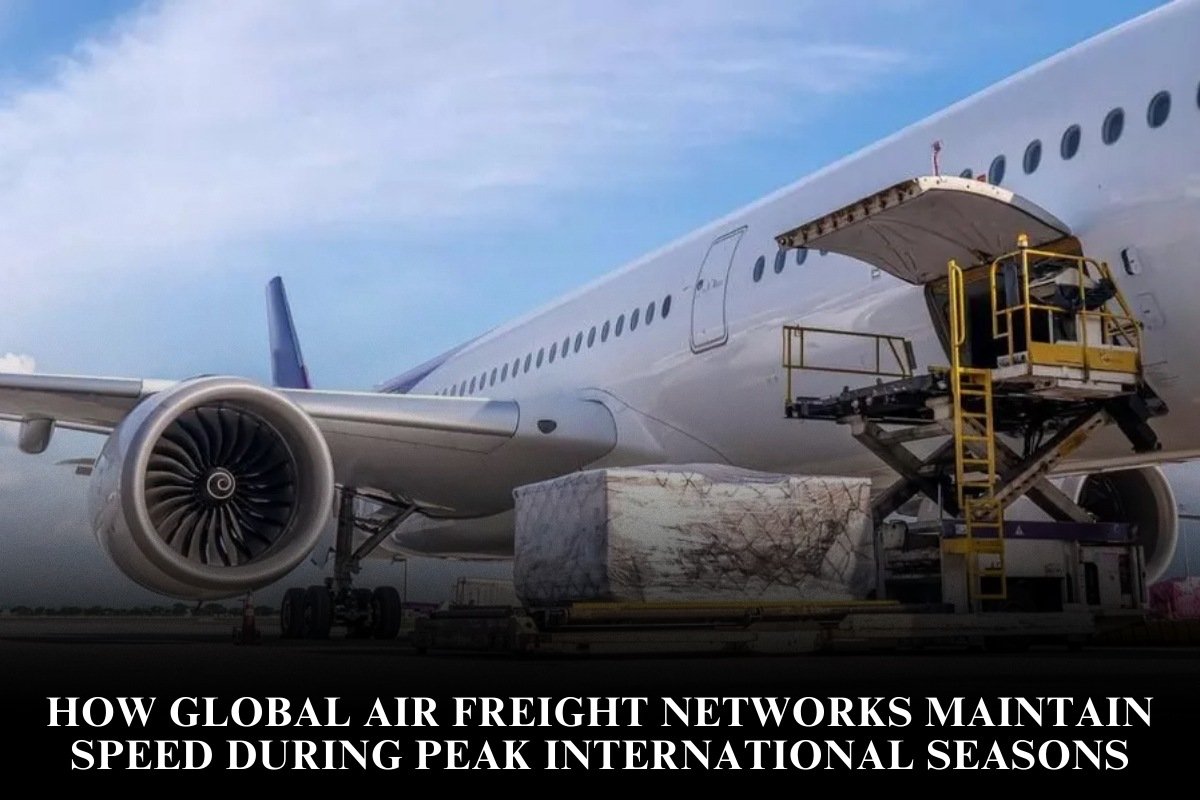
When passenger flights were grounded during global crises, air freight companies responded creatively by converting passenger aircraft into temporary cargo carriers. “Preighters” (passenger planes used for freight) became a vital solution to expand capacity quickly.
Companies also leased additional aircraft, extended operating hours, and increased charter services to handle surges in demand. These flexible capacity strategies allowed air freight networks to absorb shocks without completely breaking down.
Strengthening Global Partnerships and Collaboration
Managing freight flow during a supply chain crisis requires collaboration across the entire logistics ecosystem. Air freight companies work closely with airports, ground handling agents, customs authorities, and government agencies to streamline operations.
Public-private partnerships often help fast-track regulatory approvals, especially for humanitarian and medical shipments. Strong global partnerships allow companies to share resources, align schedules, and maintain continuity even when individual regions face severe disruption.
Navigating Regulatory and Geopolitical Challenges
Supply chain crises are often accompanied by rapidly changing regulations, border restrictions, and security requirements. Air freight companies maintain dedicated compliance teams to navigate these challenges efficiently.
By staying ahead of regulatory changes and working directly with authorities, they minimize clearance delays and ensure cargo keeps moving. This agility is especially critical when transporting goods across multiple jurisdictions under emergency conditions.
Building Long-Term Resilience Into Air Freight Networks
Beyond short-term crisis management, global air freight companies are investing heavily in long-term resilience. Diversifying hubs, digitalizing documentation, investing in sustainable aviation fuel, and strengthening contingency planning are now core strategies. These investments help companies respond faster to future disruptions while maintaining service reliability and customer trust.
FAQs
Why is air freight critical during supply chain crises?
Because it offers unmatched speed and reliability when ocean or land transport faces severe delays.
How do air freight companies decide which cargo to prioritize?
They prioritize based on urgency, economic impact, perishability, and humanitarian needs.
What technologies help manage freight flow during disruptions?
Real-time tracking, AI-based forecasting, and digital documentation systems play key roles.
How do air freight companies increase capacity during crises?
By rerouting flights, using charter services, leasing aircraft, and converting passenger planes to cargo use.
Are air freight companies preparing for future supply chain crises?
Yes. They are investing in network resilience, digital tools, and flexible infrastructure to handle future disruptions more effectively.