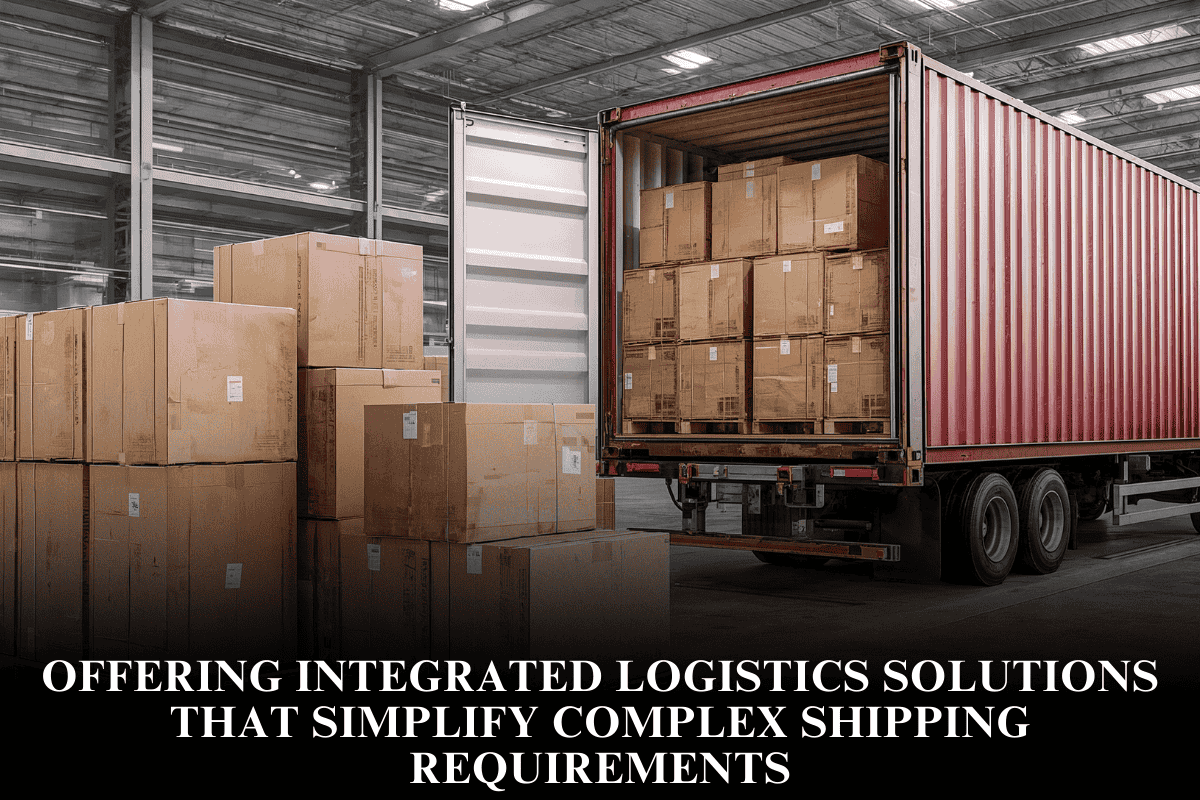
Integrated logistics solutions streamline complex US shipping requirements by combining transportation, warehousing, customs brokerage, and technology into seamless end-to-end services. Leading providers like C.H. Robinson, XPO Logistics, and ShipBob deliver 99%+ order accuracy, reducing complexity for e-commerce, manufacturing, and retail amid 2026’s volatile trade landscape.
What Are Integrated Logistics Solutions?
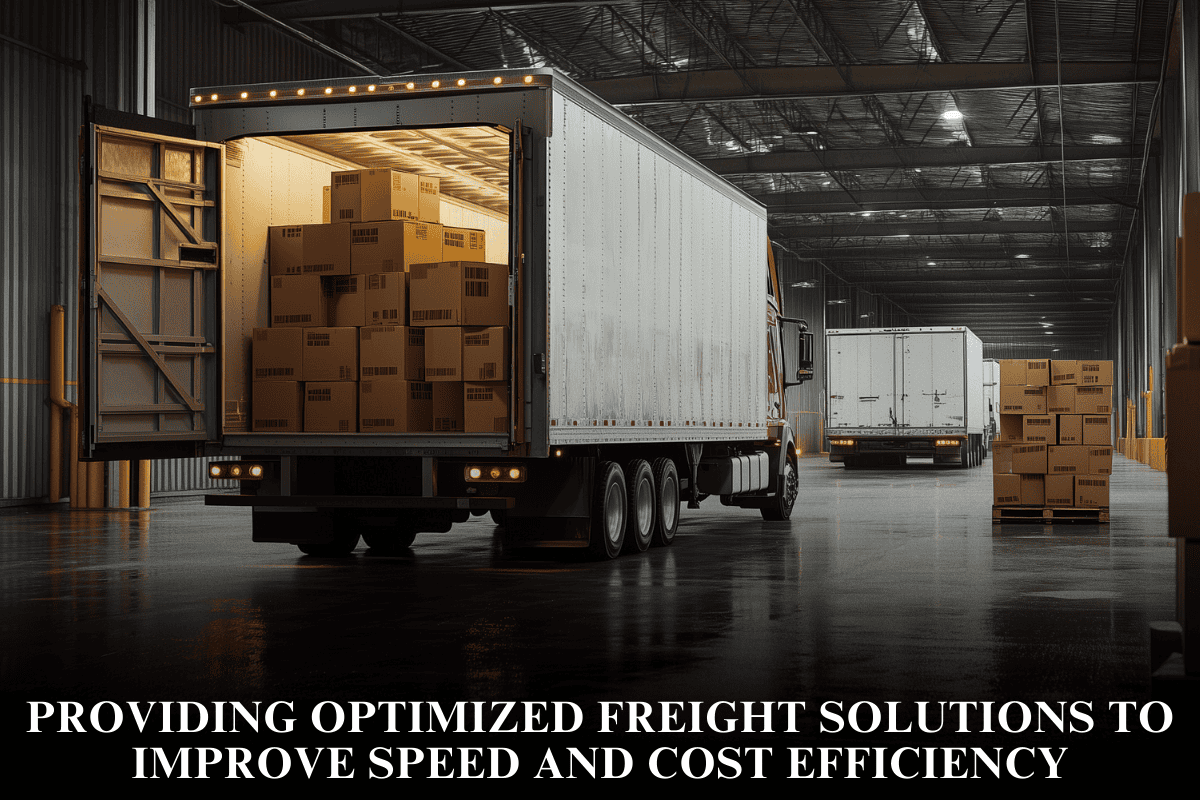
These solutions unify fragmented logistics—freight forwarding, 3PL fulfillment, TMS/WMS software—under one provider, handling everything from dock-to-door. Unlike siloed services, they automate compliance with USMCA, FDA regs, and ITAR for defense shipments, cutting lead times 30-50%.
US firms leverage platforms like CTSI-Global’s Honeybee TMS for parcel-to-freight orchestration, integrating EDI with carriers like UPS and FedEx. This simplifies multi-modal shipments, from LTL to ocean containers.
Simplifying Complex Shipping Requirements
E-commerce spikes demand same-day precision; integrated solutions use AI dock scheduling (Loadsmart) and real-time tracking to manage 1M+ SKUs. For hazmat or temp-controlled goods, providers bundle DSCSA serialization with cold chain monitoring.
Customs hurdles vanish via eezyimport’s automated ISF filing and tariff calcs, avoiding $10K+ penalties at ports like LA. Reverse logistics for returns—15% of US online orders—integrates auditing and refurbishing.
Core Components of Integration
- Transportation Management: Multi-carrier TMS (Rygen, Carrier Logistics) optimizes LTL/FTL with rate bidding and route analytics.
- Warehouse Operations: WMS from Infios automates picking via voice/robots, syncing inventory to ERP.
- Visibility & Analytics: Control towers provide ETAs, OTIF dashboards (98% targets), and predictive delays.
- Value-Adds: Freight audit/payment, global trade management, and sustainability reporting for EPA Scope 3.
Technology Driving Simplicity
Cloud platforms like Revenova’s AI TMS unify data across 50+ carriers, slashing manual entry 70%. Blockchain (CTSI-Global) ensures BOL integrity for cross-border, while Enveyo’s parcel recovery recoups 5% lost revenue.
5G/IoT enables geofenced alerts; Dynamics 365 ERP handles complex networks for 3PLs, scaling to Black Friday volumes.
US Provider Spotlights
ShipBob’s 99.1% on-time fulfillment powers e-com brands with analytics dashboards and 2-day nationwide delivery from 50+ DCs. XPO’s asset-light model integrates LTL with intermodal, serving Fortune 500 via AI yard management.
Buske Logistics offers end-to-end for food/bev, while ILS (SDVOSB) specializes in DoD chains with cost-effective creativity. FedEx/UPS Supply Chain Solutions dominate with global reach localized for US compliance.
Benefits for US Businesses
Cost savings hit 20-25% via consolidated billing and optimized loads; SMEs access enterprise tools without capex. Scalability handles peaks—e.g., holiday surges—while risk mitigation covers disruptions like port strikes.
ROI metrics: 40% faster cycle times, 96% perfect order rates, and ESG compliance unlocking IRA rebates.
Implementation Best Practices
Assess needs via RFP scoring on OTIF/integration depth. Pilot with high-volume lanes, then scale. Train via provider portals; annual audits ensure 99% invoice accuracy.
Challenges like data silos resolve with API-first platforms, fostering agile supply chains.
2026 Outlook and Trends
Autonomous gates (Loadsmart) and AI assistants streamline ops; green integrations prioritize rail/electric fleets. US leaders like these providers turn shipping complexity into competitive simplicity.
FAQs
1. What makes integrated logistics different from traditional shipping?
It unifies TMS, WMS, brokerage under one roof, automating compliance and visibility.
2. How do they handle customs complexity?
Automated ISF/entry filing and broker integrations cut clearance 50%.
3. Name top US providers for e-commerce.
ShipBob (99.1% OTIF), Enveyo for parcel, Carrier Logistics for multi-modal.
4. What tech simplifies reverse logistics?
AI auditing, blockchain BOL, and predictive recovery tools.
5. What’s the typical ROI?
20-25% cost cuts, 40% faster cycles via optimized, end-to-end orchestration.