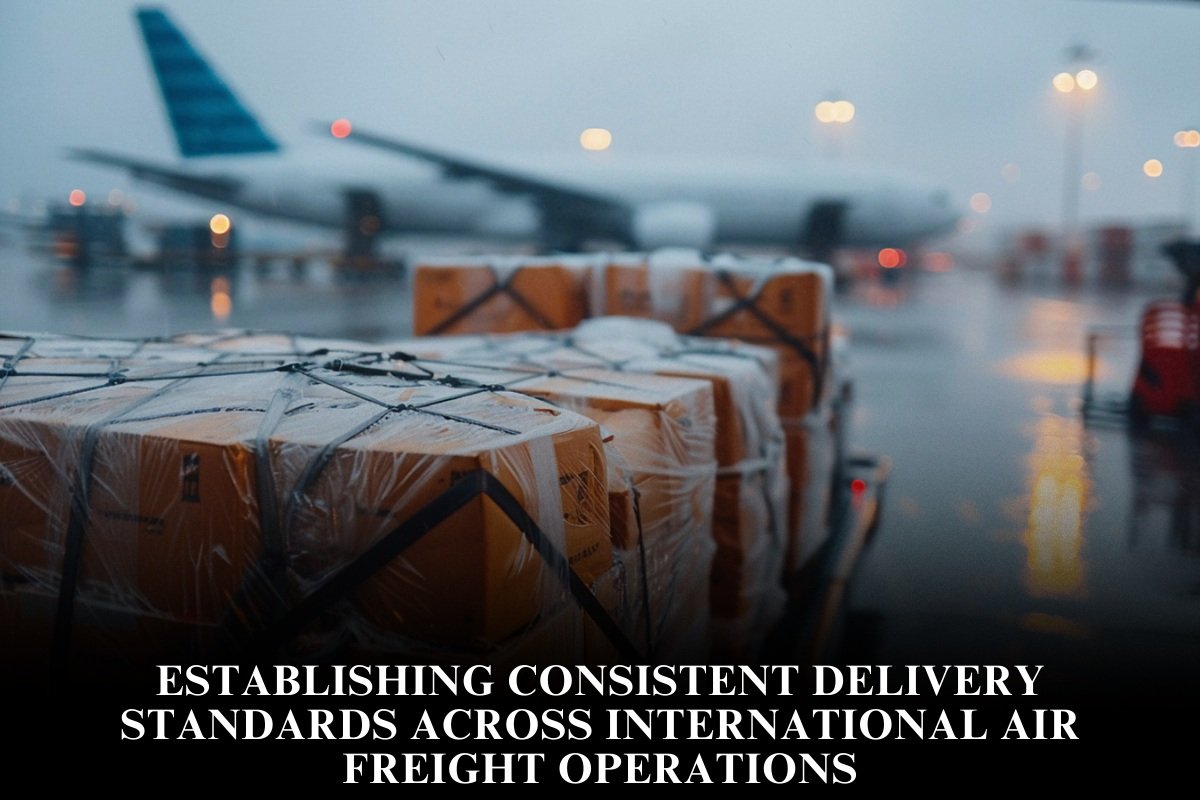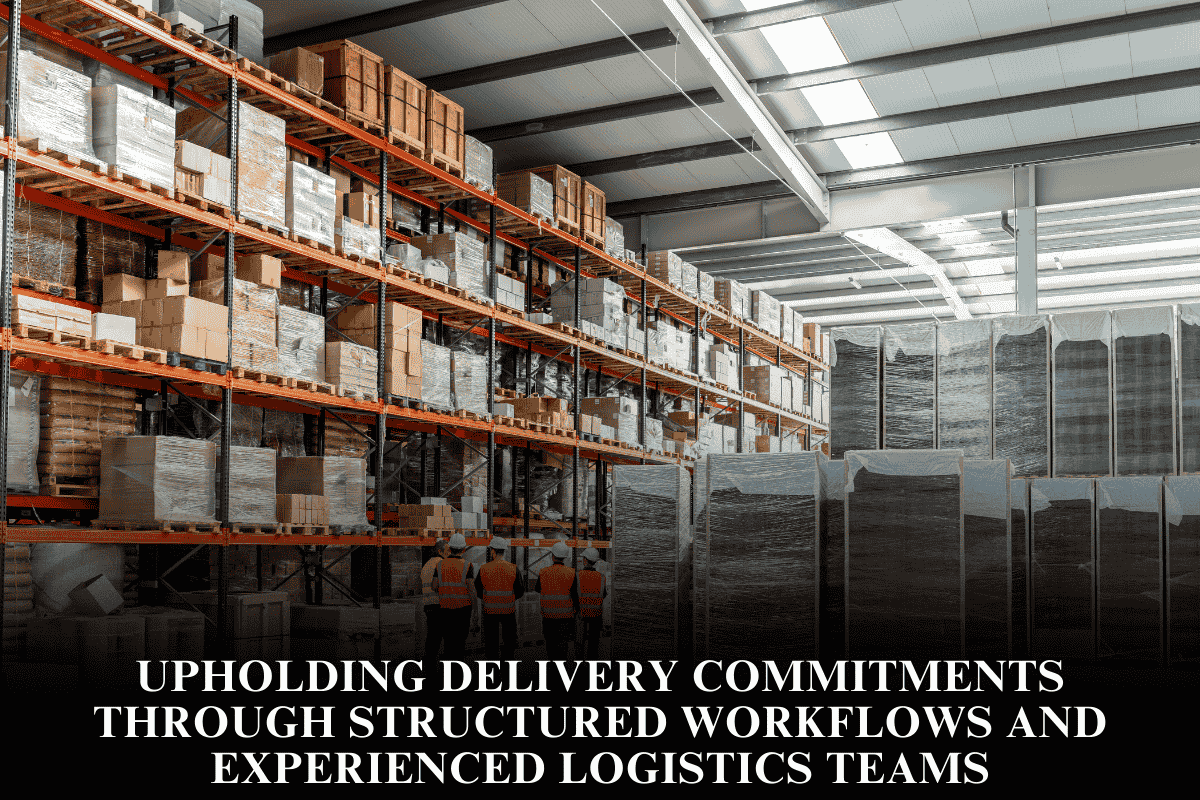
Structured workflows and experienced logistics teams form the backbone of reliable delivery commitments in U.S. supply chains, minimizing disruptions and ensuring 98%+ on-time rates for e-commerce giants like Amazon. These systems integrate real-time tracking with skilled coordination, turning complex global flows into predictable outcomes.
Workflow Mapping and Standardization
Begin with end-to-end process maps—from order intake to final mile—identifying bottlenecks like customs holds or warehouse handoffs. Standardized SOPs dictate pick-pack-ship sequences, with zone-based picking slashing travel time 40%. ERP platforms like SAP centralize data, automating release triggers when inventory clears quality checks, vital for time-sensitive pharma or perishables.
Real-Time Visibility Tools
TMS software overlays GPS, IoT sensors, and AI forecasts, providing ETAs accurate to 30 minutes across U.S. highways or air routes. Dashboards flag delays—e.g., weather reroutes—prompting instant carrier swaps from FedEx to UPS. RFID cuts inventory errors 70%, ensuring “what’s scanned is shipped,” boosting customer trust in 2-day guarantees.
Experienced Team Empowerment
Cross-trained crews handle peaks seamlessly: inbound receivers pivot to packing during surges, informed by WMS heatmaps of high-velocity SKUs. Ongoing training on dynamic routing—factoring fuel, traffic, and capacity—yields 25% faster cycles. Leadership huddles review exceptions daily, refining playbooks for recurring issues like port backups.
Predictive Analytics Integration
Machine learning anticipates disruptions: historical data predicts holiday overloads, pre-positioning stock in micro-fulfillment centers near urban hubs. Vendor-managed inventory aligns suppliers via shared forecasts, preventing stockouts that derail 15% of commitments. U.S. firms save $1.2M yearly per McKinsey via these proactive layers.
Last-Mile Optimization
Dynamic routing batches deliveries by zone, prioritizing high-value parcels; crowdsourced fleets like Postmates fill gaps for 90% same-day urban rates. Return hubs standardize reverse logistics—scan, inspect, restock in 24 hours—closing loops without penalties. Electric vehicles cut emissions while hitting windows, aligning with 2026 mandates.
Performance Metrics and Feedback Loops
KPIs track OTIF (on-time in-full), with 95% thresholds triggering root-cause audits. Balanced scorecards blend speed (cycle time), cost (per shipment), and quality (damage-free), shared via portals with clients. Continuous kaizen refines workflows quarterly, as seen in Walmart’s 99.9% fulfillment.
Risk Mitigation Protocols
Contingency workflows activate on triggers: backup carriers for strikes, buffer inventory for tariffs. Experienced teams drill scenarios—e.g., hurricane diversions—ensuring 100% continuity. Blockchain verifies multi-leg handoffs, fraud-proofing high-value electronics trades.
Scalability for Growth
Modular designs flex for volume spikes: add sorting lanes or AI sorters without downtime. Ties to your logistics passion: these practices empower SMEs to compete globally, mirroring U.S. hubs’ efficiency.
Structured execution plus expertise deliver promises reliably, fueling commerce confidence.
FAQs
1. Why map workflows first?
Identifies bottlenecks, standardizes SOPs—cutting cycle times 40% via optimized flows.
2. Role of TMS in commitments?
Real-time ETAs, rerouting—ensures 98% on-time via visibility and AI.
3. How train teams for peaks?
Cross-training, daily huddles—handles surges without delays.
4. Predictive tools prevent what?
Stockouts, overloads—pre-positions assets, saving $1M+ yearly.
5. Key metric for delivery success?
OTIF at 95%+; audits refine for sustained reliability.