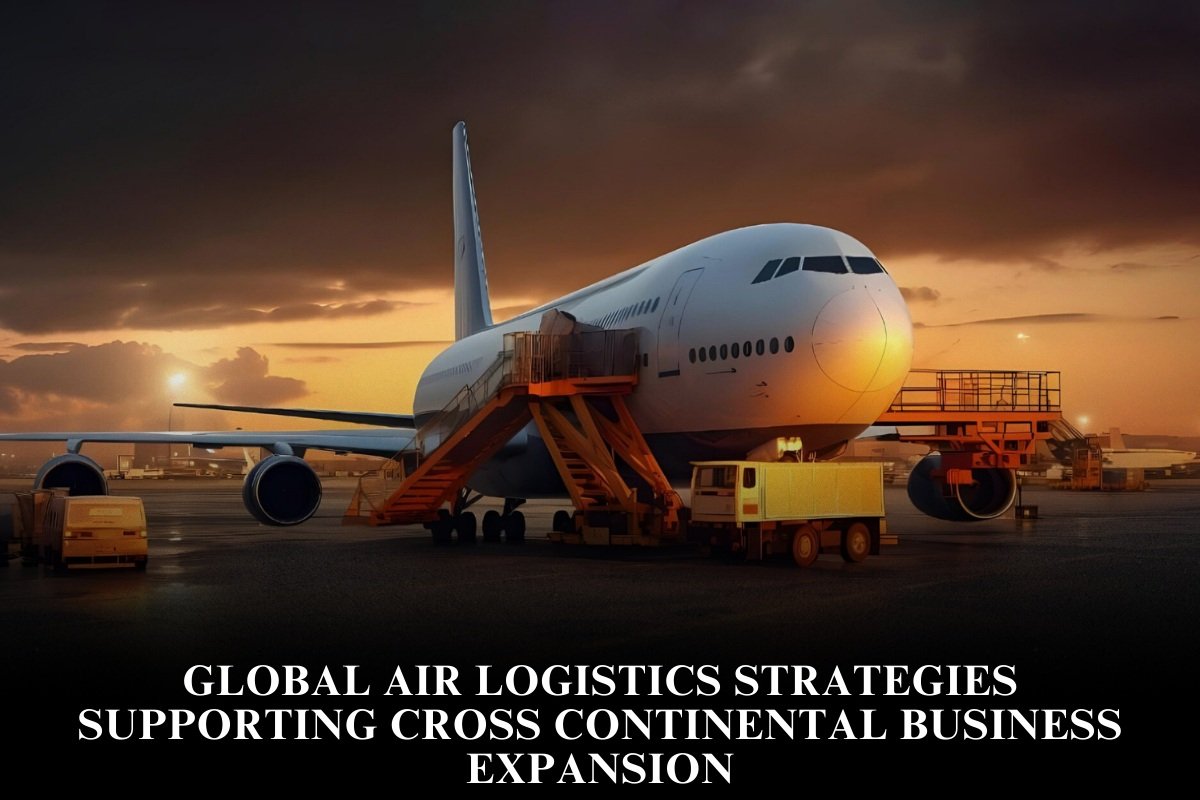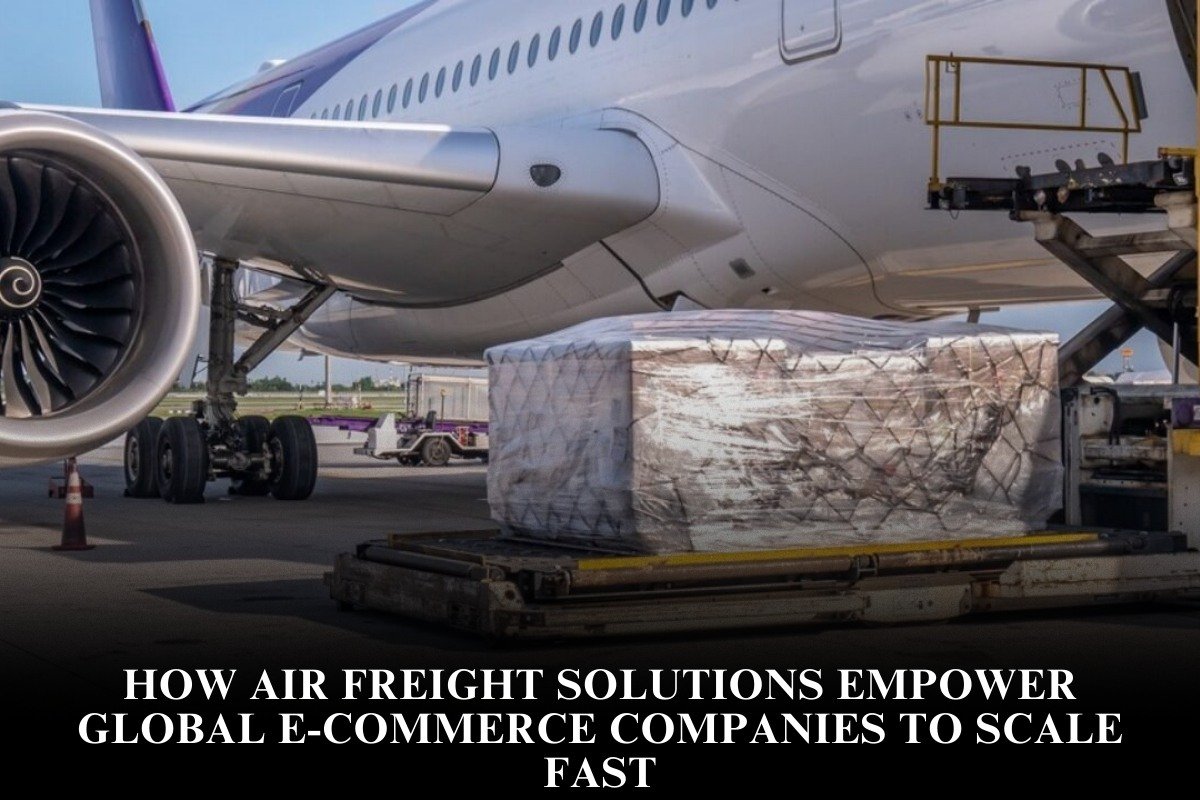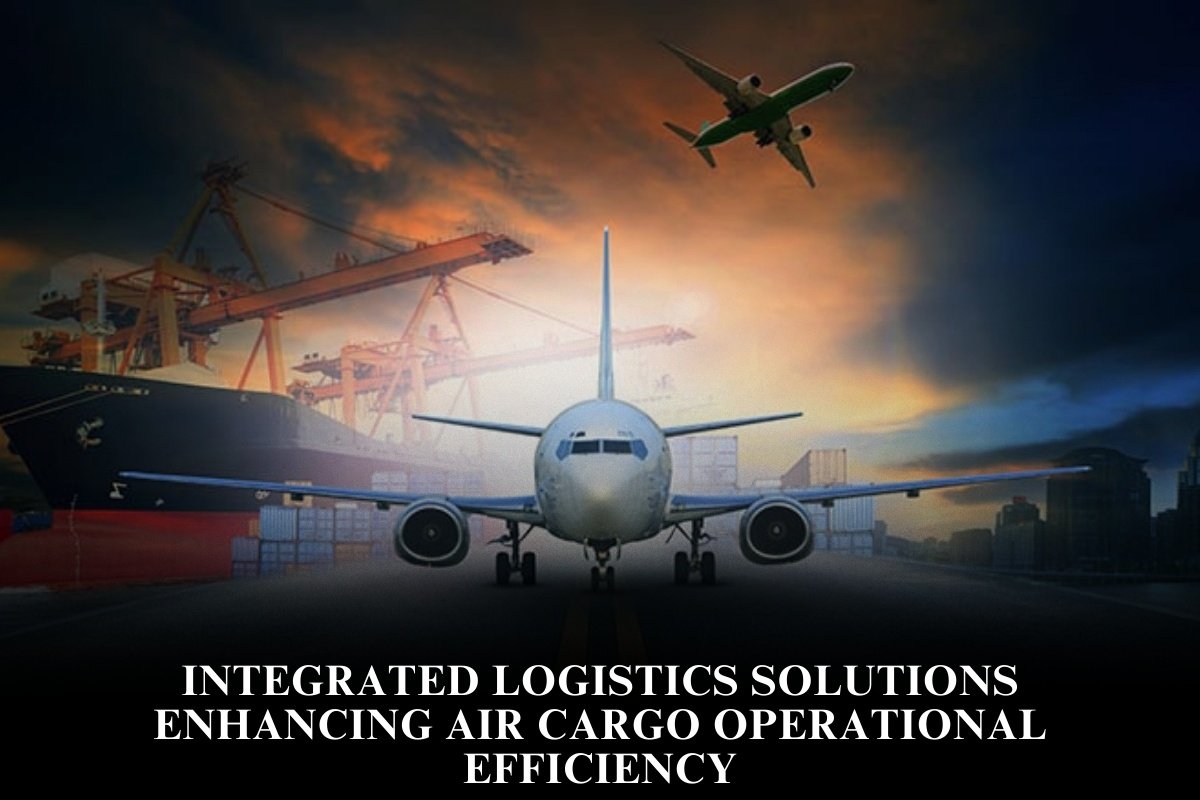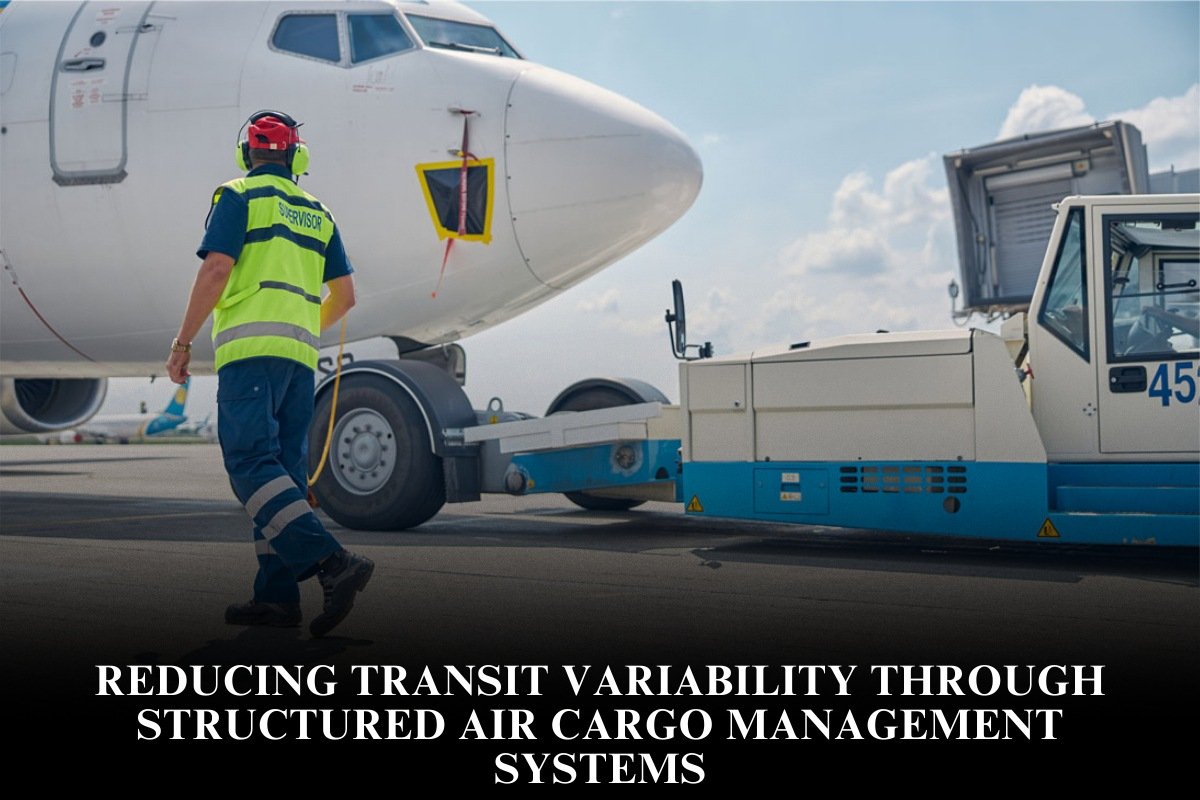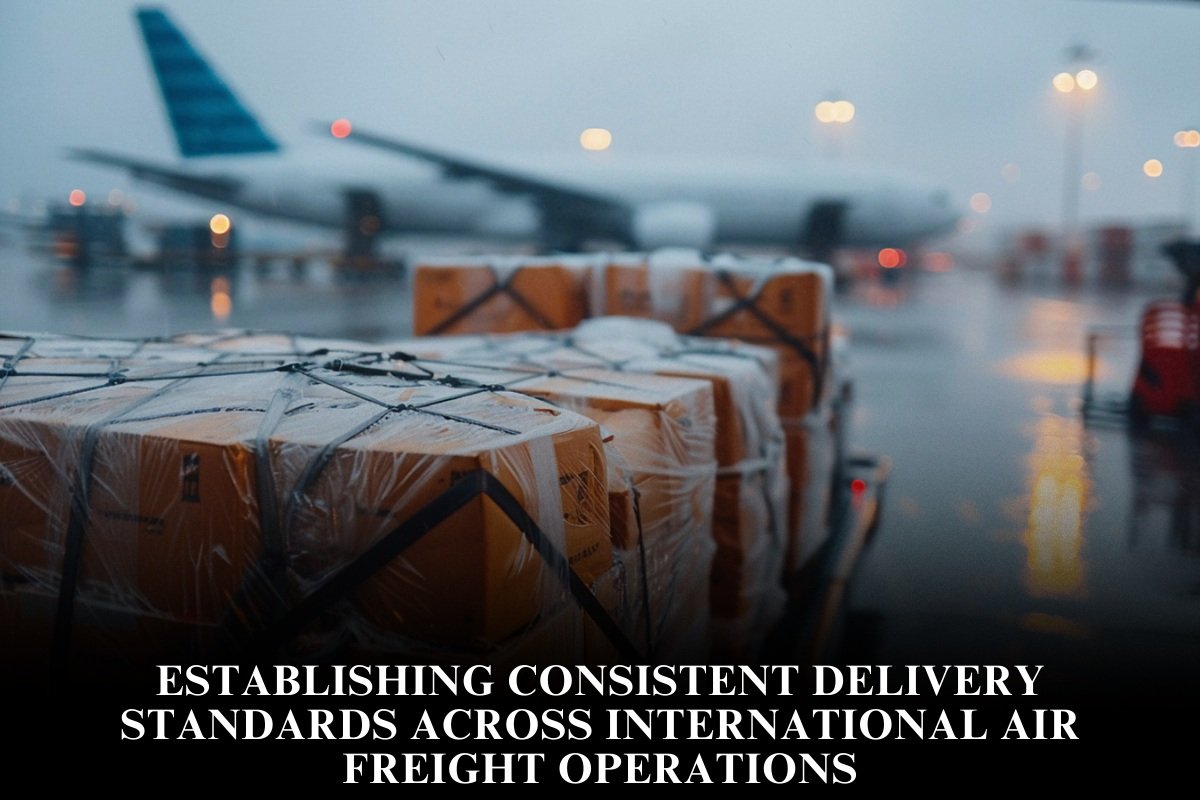
Dependable and responsive global air cargo solutions connect U.S. businesses seamlessly to international markets, ensuring time-sensitive goods like electronics, pharmaceuticals, and perishables cross continents without delay.
In 2026, with projected 2.4-2.6% volume growth amid trade shifts, these services bridge supply chain gaps, powering e-commerce and AI-driven exports from America to Asia-Pacific hubs.
The Connectivity Imperative
Global trade demands speed: air cargo handles 35% of high-value U.S. exports ($1.2T annually), outpacing ocean by 5-7x delivery times. Providers like FedEx and UPS integrate real-time tracking via AI platforms, slashing delays 20% even as tariffs reshape lanes from China to Europe. Reliability—99.5% on-time rates—builds trust for SMEs shipping semiconductors or vaccines.
Key Features of Responsive Solutions
Digital booking portals offer instant quotes and capacity checks across 500+ airports. Multimodal handoffs—air to truck—ensure door-to-door fluidity, vital for Midwest manufacturers reaching Singapore. Cold chain tech maintains pharma at 2-8°C, meeting FDA standards; perishables like California avocados arrive fresh in Dubai via reefer containers.
U.S. Hubs Driving Global Links
Memphis (FedEx Superhub) processes 4M tons yearly, connecting to 220 countries. Louisville’s UPS Worldport handles 2.3M tons, with Asia-Pacific flights dominating 2026 growth forecasts (6% regional rise). Miami and LAX bridge Americas-Asia, supporting $300B electronics flows despite North America’s flat demand.
Technological Enablers
Blockchain verifies 100% of shipments for tamper-proof docs, cutting paperwork 70%. Drones and AGVs automate hubs like Frankfurt (Lufthansa model influencing U.S.), boosting throughput 15%. Predictive analytics forecast capacity amid 2026’s 71.6M-ton global volumes, alerting delays from weather or geopolitics.
Economic Impacts for U.S. Firms
Shippers save 10-15% via dynamic pricing, with revenues hitting $158B globally. E-commerce (20% of volumes) fuels Amazon’s transatlantic hauls; AI chips from Texas reach Taiwan fabs in 24 hours. Sustainability add-ons—SAF blends—cut emissions 10% without premium hikes, aligning with IRA incentives.
Challenges and Responsiveness
Capacity crunches in peak seasons? Flex networks reroute via Middle East plateaus. Tariff volatility? Providers preload U.S.-bound goods, as seen in 2025 surges. 24/7 ops ensure <2-hour response times, with insurance covering 100% value.
Future-Proof Strategies
Partner with integrators offering API integrations for ERP systems. Diversify lanes—Asia-Europe up 6%—hedging U.S. slowdowns (-0.5%). By 2030, market hits $330B, with U.S. firms leading via automation.
Case Studies
A Seattle tech exporter cut delivery from 45 to 18 days via DHL’s Asia bridge, saving $2M inventory costs. Midwest pharma used Qatar Airways’ Doha hub for 99% OTIF to Europe, dodging ocean delays.
These solutions don’t just move goods—they fuse continents, fueling U.S. competitiveness in a $190B+ 2026 market.
FAQ
Q. What growth awaits air cargo in 2026?
2.4-2.6% volumes to 71.6M tons; $158B revenues amid stable demand.
Q. Why air over ocean for U.S. exports?
5-7x faster for high-value goods; 35% of $1.2T exports.
Q. Top U.S. hubs for global reach?
Memphis, Louisville—handling 6M+ tons to 220 countries.
Q. How do providers ensure responsiveness?
AI tracking, 24/7 ops, flex networks—99.5% on-time.
Q. Sustainability in global air cargo?
SAF fuels cut emissions 10%; blockchain verifies green chains.