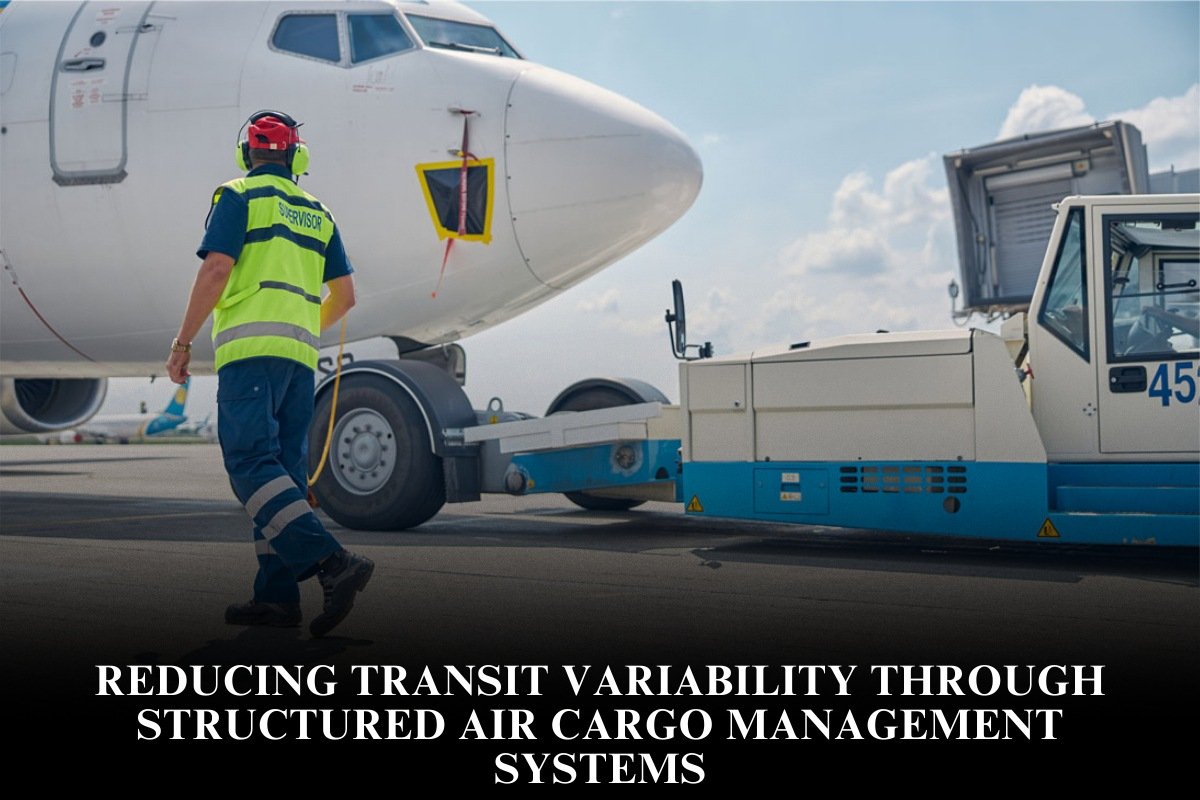
Delivering consistent air freight performance hinges on proven operational reliability standards that minimize disruptions and maximize on-time delivery in high-stakes global logistics. Frameworks like IATA’s Cargo Handling Manual (ICHM) and FAA reliability programs ensure rigorous processes from booking to unloading, achieving 95%+ OTIF rates for critical shipments.
IATA and ICHM Standards
The ICHM sets door-to-door protocols covering ULD (Unit Load Device) build-up, security screening, and ground handling.
Compliance mandates serviceability checks on pallets and containers per Operational Damage Limits Notice (ODLN), preventing in-flight failures. Shippers and GHAs (Ground Handling Agents) verify empty ULDs pre-loading, using nets and FCC (Fire Containment Covers) for safety—slashing rejection risks by 40%.
These unify global ops, enabling seamless handoffs across 500+ airports.
FAA and Reliability Program Methods
FAA AC 120-17B guides Continuous Airworthiness Maintenance Programs (CAMP), tracking unavailability via ATA Spec 2000 data. Metrics split planned (A-checks) vs. unplanned downtime, adjusting intervals dynamically. Operators define “acceptable reliability” as OTG (On-Time Grounding) targets, removing night-stop maintenance from <24h events to reflect true performance.
Predicted reliability models forecast issues, enabling preemptive fixes for 99% dispatch rates.
Quality Control and Testing Protocols
Rigorous inspections—impact resistance, compression, environmental stress—validate containers under simulated flights. Automation sorts and scans, while real-time IoT monitors temp/humidity for pharma. SOPs enforce traceability via records, cutting errors 30%; blockchain adds provenance for high-value goods.
Dangerous goods (DG) follow IATA rules, with CEIV certifications boosting trust.
Security and Regulatory Compliance
ICAO/IATA frameworks mandate screening tech (ETD, X-ray) and Known Shipper Programs, reducing incidents. Non-compliance fines hit $100K+; aligned nations see fewer breaches. AI predicts risks, while joint training enhances coordination.
Technology for Visibility and Efficiency
Control towers offer 24/7 dashboards; EDI automates bookings. Night-stop rules optimize planned maintenance, minimizing OTG. Result: 20-30% faster cycles, resilient to Red Sea-like disruptions.
Benefits of Standards Adherence
Consistent performance builds loyalty—95% on-time for perishables/pharma. Cost savings: 15% via fewer reworks. Scalable for e-commerce surges.
Implementation Roadmap
Audit against ICHM/FAA; train staff; adopt Spec 2000 tracking. Partner CEIV-certified handlers.
FAQs
1. Key reliability metric?
OTG via CAMP—planned/unplanned split for true performance.
2. ICHM main focus?
Door-to-door handling: ULD checks, security, SOPs.
3. Tech role?
IoT tracking, AI forecasting, automation—30% error cuts.
4. Compliance penalties?
Fines $100K+; reputational hits from delays/breaches.
5. Improvement tips?
Annual audits, CEIV certs, dynamic interval adjustments.