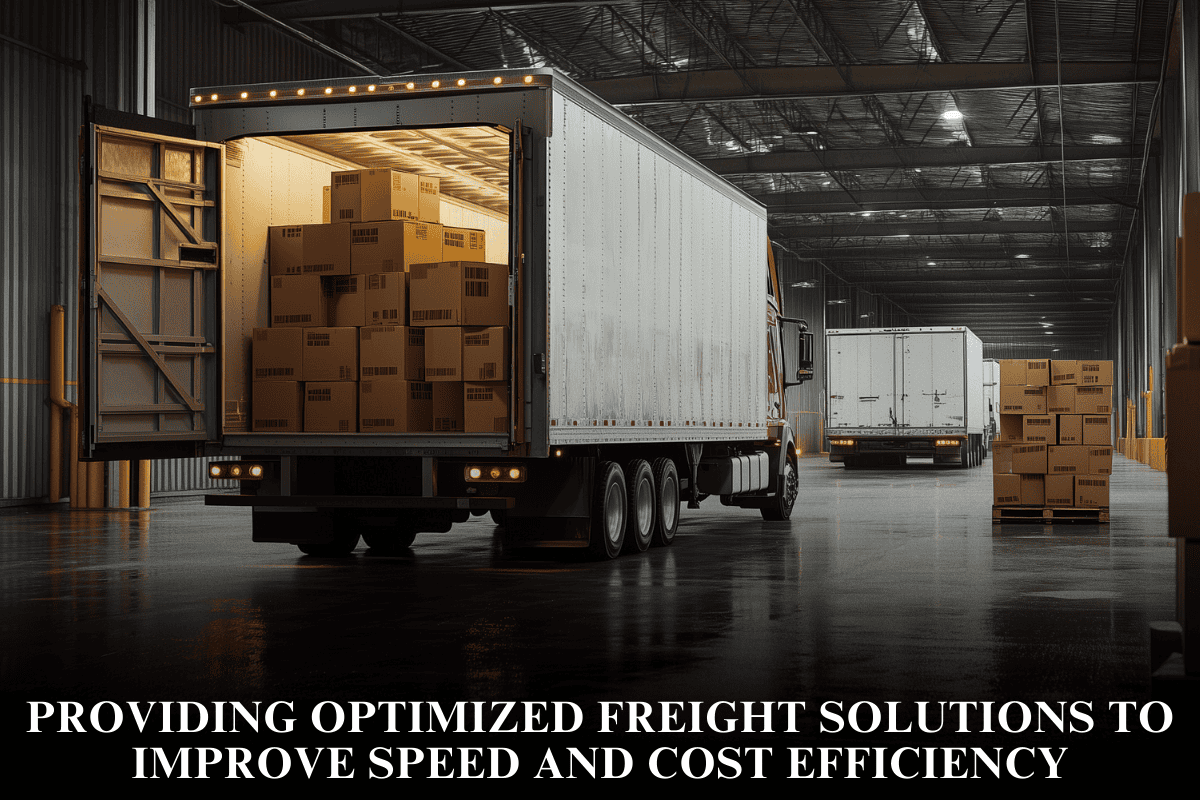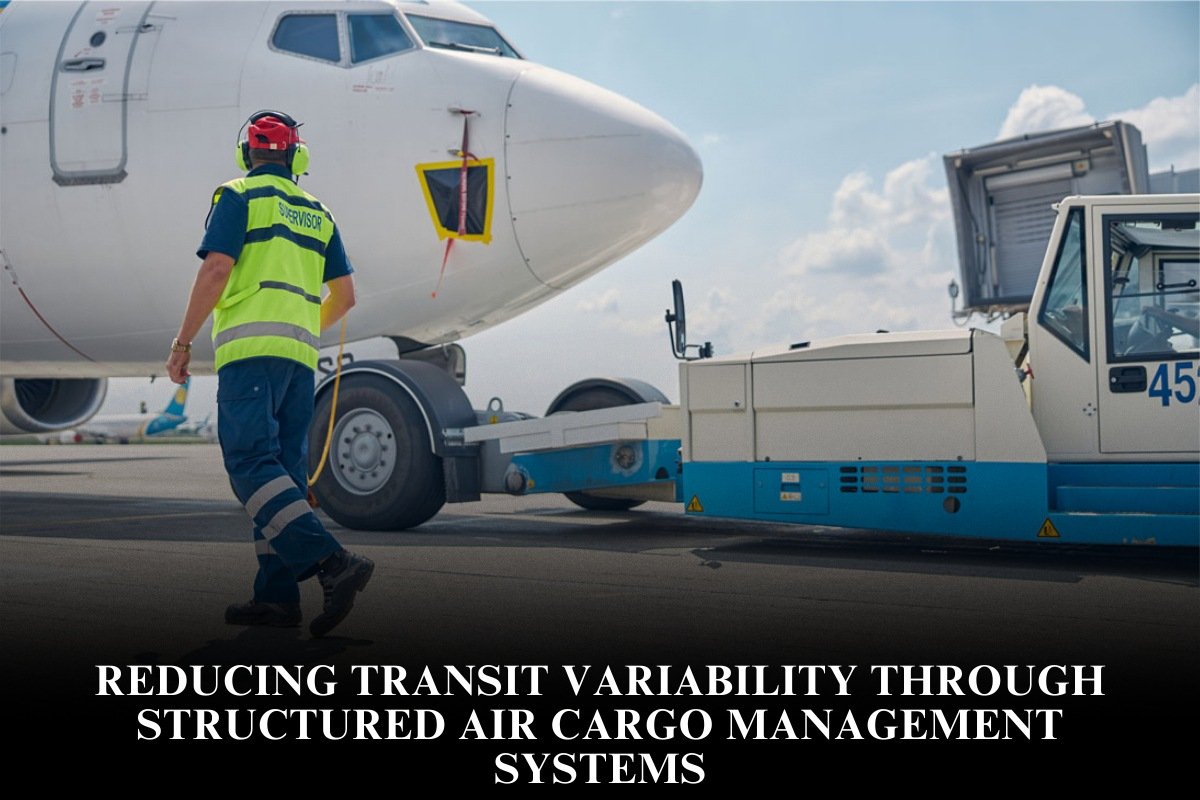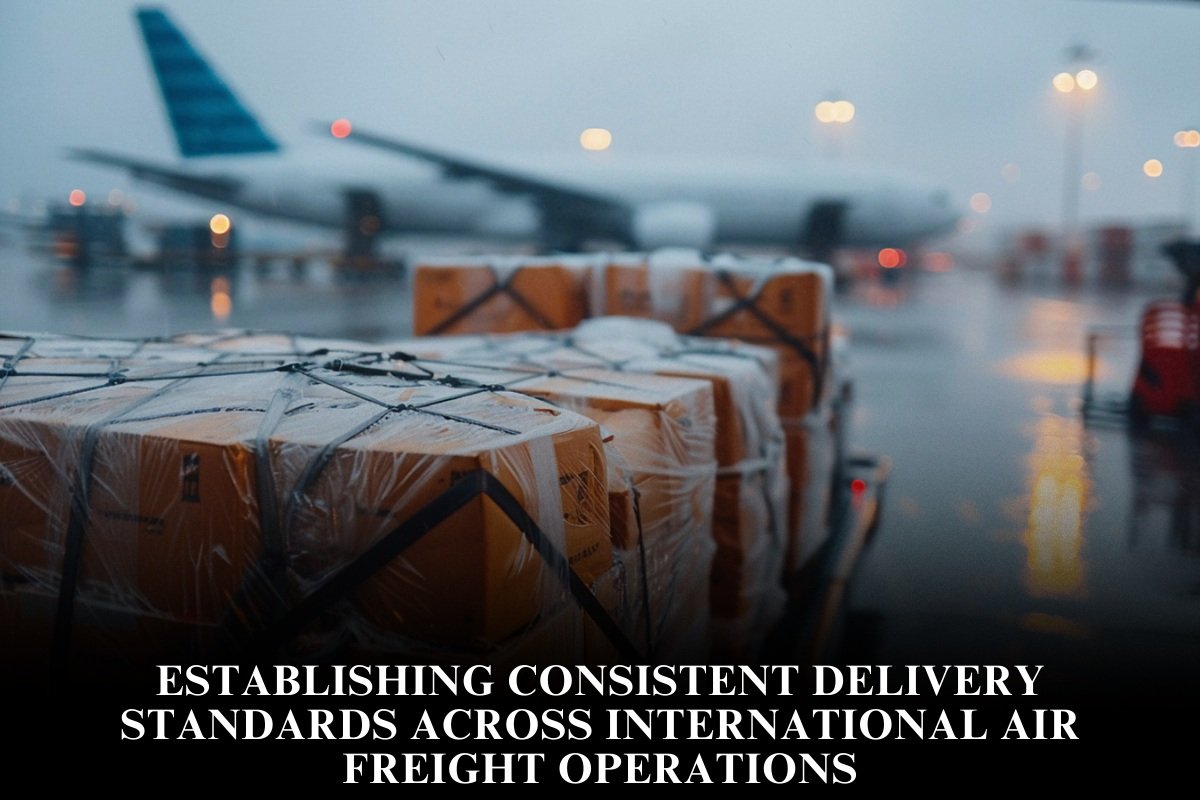
Smart collaborative planning and execution deliver agile logistics solutions that cut costs and boost reliability for U.S. businesses in 2026.
Collaborative Planning Foundations
Joint forecasting aligns shippers, carriers, and 3PLs on demand signals, reducing excess inventory by 25% through shared data pools. Weekly capacity calls via platforms like Freightos balance loads across networks, preventing empty miles that waste 30% of trucking resources.
Cross-functional teams—procurement, ops, and sales—co-develop S&OP plans, integrating POS data with carrier ETAs for 95% fill rates. Real-time dashboards replace emails, enabling decisions within hours versus days.
Technology-Enabled Platforms
Cloud TMS like Turvo or MercuryGate create single-pane visibility, where shippers invite carriers to collaborative workspaces for tendering and exception management. APIs integrate ELDs, providing “where’s my truck” updates that resolve 80% of delays proactively.
AI-driven route optimization from FourKites predicts disruptions, suggesting reroutes or mode switches—air for perishables, rail for bulk—saving 15% on transit times. Blockchain verifies multi-party docs, slashing customs holds.
Partner Ecosystems and Alliances
3PL-carrier consortia pool assets, like Uber Freight’s shared truck networks that optimize LTL consolidations for SMEs. Nearshoring hubs in Mexico leverage USMCA partnerships, with forwarders coordinating cross-border drayage.
Sustainability coalitions—Walmart’s Project Gigaton—share carbon tracking tools, meeting Scope 3 mandates while unlocking green lane premiums. Energy-logistics alliances build EV charging corridors, cutting fleet downtime 20%.
Execution Synchronization
Centralized control towers monitor KPIs—OTIF, dwell times, fill rates—with automated escalations to decision-makers. Collaborative exception boards let partners vote on resolutions, like splitting loads during strikes.
Dynamic pricing engines balance spot and contract rates, filling backhauls via carrier apps that reward reliability scores. Gamified incentives boost driver adherence to ETAs.
Risk Mitigation Through Sharing
Shared contingency plans activate secondary carriers during port backups, as seen in 2025 ILA strikes. Multi-vendor RFPs ensure no partner exceeds 40% volume, with AI scorecards ranking performance quarterly.
Joint recovery drills simulate ransomware or weather events, pre-positioning inventory at alternate DCs. Insurance pools spread cyber risks across networks.
Data Governance and Security
Federated data lakes grant role-based access, preserving competitive edges while enabling aggregate insights—like lane density for collective bidding power. GDPR-compliant frameworks extend to U.S. partners via standard contracts.
Zero-trust architectures secure API handshakes, with anomaly detection flagging unusual tender patterns.
Last-Mile Collaborative Networks
Micro-fulfillment hubs shared by retailers cut delivery radii 50%, with Walmarts hosting Amazon lockers in rural areas. Crowdsourced delivery apps like Roadie fill gaps for SME e-commerce.
Urban consolidation centers—NYC’s Industry City—pool last-mile fleets, slashing emissions 40% via cargo bikes and e-vans.
Performance Measurement Frameworks
Balanced scorecards track collaboration health—response times, joint savings, partner NPS—tying bonuses to ecosystem wins. AI benchmarks compare network efficiency against peers anonymously.
Quarterly business reviews surface innovations, like pooled warehousing during peak seasons.
Case Studies of Success
Pegasus Logistics coordinates multi-modal networks for automotive, using shared TMS to cut drayage costs 22%. FreightCenter’s carrier community fills 92% of loads via real-time collaboration.
Retailers leveraging Turvo report 35% inventory reductions through synchronized planning.
2026 Emerging Trends
Agentic AI autonomously negotiates spot rates across partners. Digital twins simulate network stress tests. Quantum optimization tackles complex routing at scale.
Collaboration scales intelligence exponentially.
Frequently Asked Questions (FAQs)
1. What platforms enable collaborative logistics?
Turvo, Freightos, FourKites—cloud TMS with multi-tenant sharing.
2. How does joint forecasting benefit supply chains?
Aligns capacity, cuts excess inventory 25% via shared signals.
3. Why build carrier alliances?
Pools assets, fills backhauls, saves 15-20% through density.
4. What’s a control tower’s role?
Monitors KPIs, automates escalations for 95% resolution speed.
5. How to measure collaboration ROI?
Balanced scorecards track OTIF, savings, partner satisfaction quarterly.