Integrated air logistics management revolutionizes global supply chains by unifying tracking, operations, and revenue functions into seamless digital platforms. These systems enable faster, more reliable distribution of goods—from perishables to high-tech components—across continents, cutting costs and delays for businesses worldwide.
Core Components
Modern platforms like iCargo and CROAMIS handle end-to-end processes: sales bookings, cargo handling, warehouse optimization, ULD tracking, and revenue accounting.
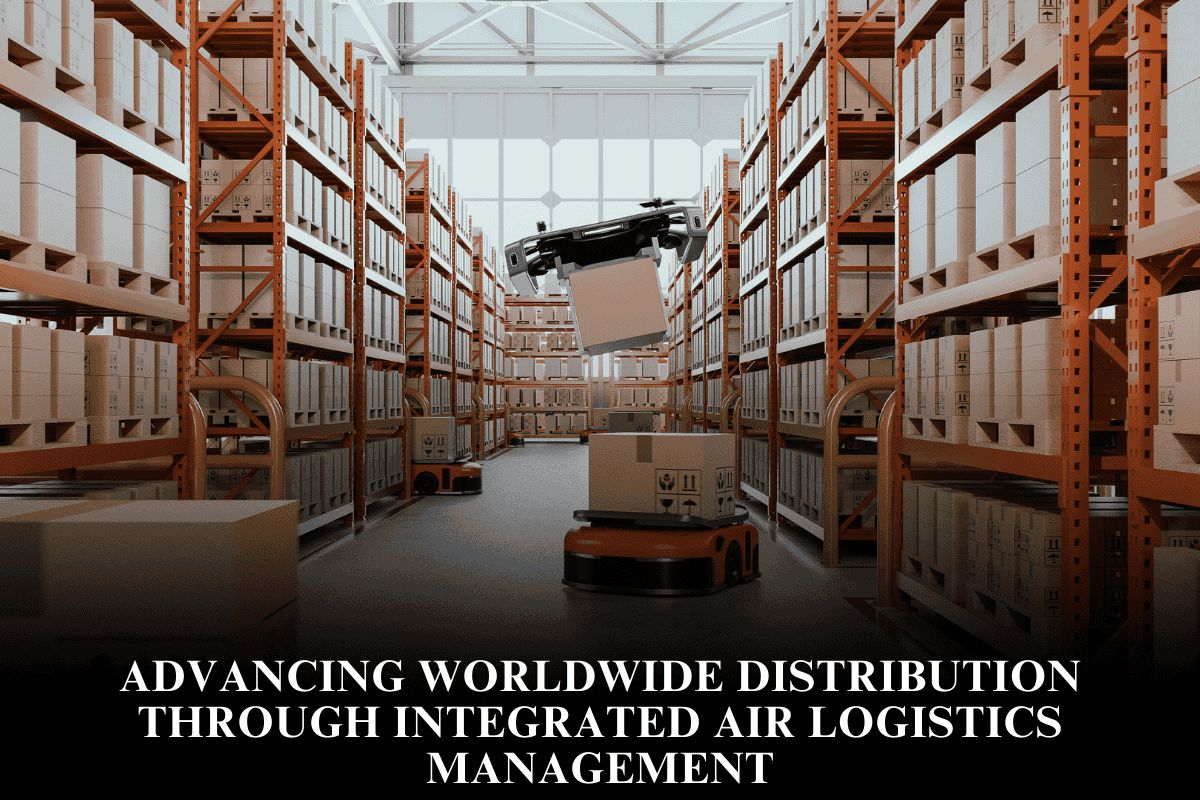
Cloud-based architectures support real-time data exchange via standards like Cargo IMP and IATA SIS, ensuring compliance and accuracy. Key features include automated sourcing, excess redistribution, and mobile scanning for one-time data capture, reducing errors in high-volume air hubs.
Global Distribution Benefits
Air logistics integration speeds worldwide delivery by connecting airlines, handlers, and customs through single platforms, processing millions of transactions daily.
For US exporters, this means agile response to e-commerce surges, with systems tracking 35 million assets valued at billions across 1.7 million warehouse points. Enhanced visibility prevents stockouts, supports contingencies like special operations logistics, and drives $1 billion+ in cost avoidance via smart redistribution.
Technology Driving Integration
SaaS models offer scalability with modular deployments—choose full suites or components like mail revenue accounting (MRA) or ULD management.
AI enhancements predict demand, optimize routes, and automate interline settlements, while browser-based access ensures 24/7 availability for 18,000+ users at 250+ sites. Enterprise connectivity via 120+ interfaces minimizes integration hurdles, wrapping legacy systems for low-risk upgrades.
Implementation Strategies
Start with needs assessment: map sales, ops, and finance workflows to select SaaS or on-premise solutions. Pilot at key hubs, then scale globally with training on messaging standards and SLA management for security. US firms benefit from IATA-compliant tools that streamline e-Freight and Cargo2000, boosting efficiency in transatlantic or Asia-Pacific routes.
Challenges and Solutions
Data silos and legacy systems slow adoption; counter with “wrap and adapt” modernization to decouple interfaces. Regulatory hurdles like customs EDI are met by built-in compliance and robust validations, ensuring accurate billing and reduced paper dependency. In volatile markets, real-time inventory akin to auto-parts networks keeps supply chains resilient.
Case Studies in Action
The US Air Force’s ILS-S tracks aircraft parts and missiles across Total Force inventories, automating fulfillment and financial reporting for mission readiness. Commercial parallels like IBS iCargo serve airlines with warehouse integration and revenue tools, enhancing global throughput. Wipro’s CROAMIS transforms carrier ops, delivering quick ROI through digital lifecycle management.
Future Outlook
As air cargo grows with e-commerce and geopolitics, integrated systems will incorporate AI for predictive logistics and blockchain for traceability. US logistics leaders adopting these now gain competitive edges in speed and sustainability, positioning for 2026’s projected volume surges.
Economic Impact
These platforms cut operational costs by 20-30% via automation, while enabling excess asset reuse saves billions annually. For distributors, faster cycles mean higher customer satisfaction and market expansion.
FAQs
1. What is integrated air logistics management?
A unified digital platform covering cargo sales, ops, handling, tracking, and accounting for seamless global distribution.
2. How do cloud-based systems improve tracking?
They enable real-time visibility across warehouses and flights, processing 10M+ transactions daily with auto-sourcing.
3. Are these systems scalable for small operators?
Yes, modular SaaS options allow best-of-breed components, from ULD management to full revenue suites.
4. What standards ensure compatibility?
IATA Cargo IMP, AHM, SIS, and e-Freight for messaging, customs, and compliance worldwide.
5. How much can integration save costs?
Up to $1B+ yearly via excess redistribution and automation, plus 20-30% ops efficiency gains.