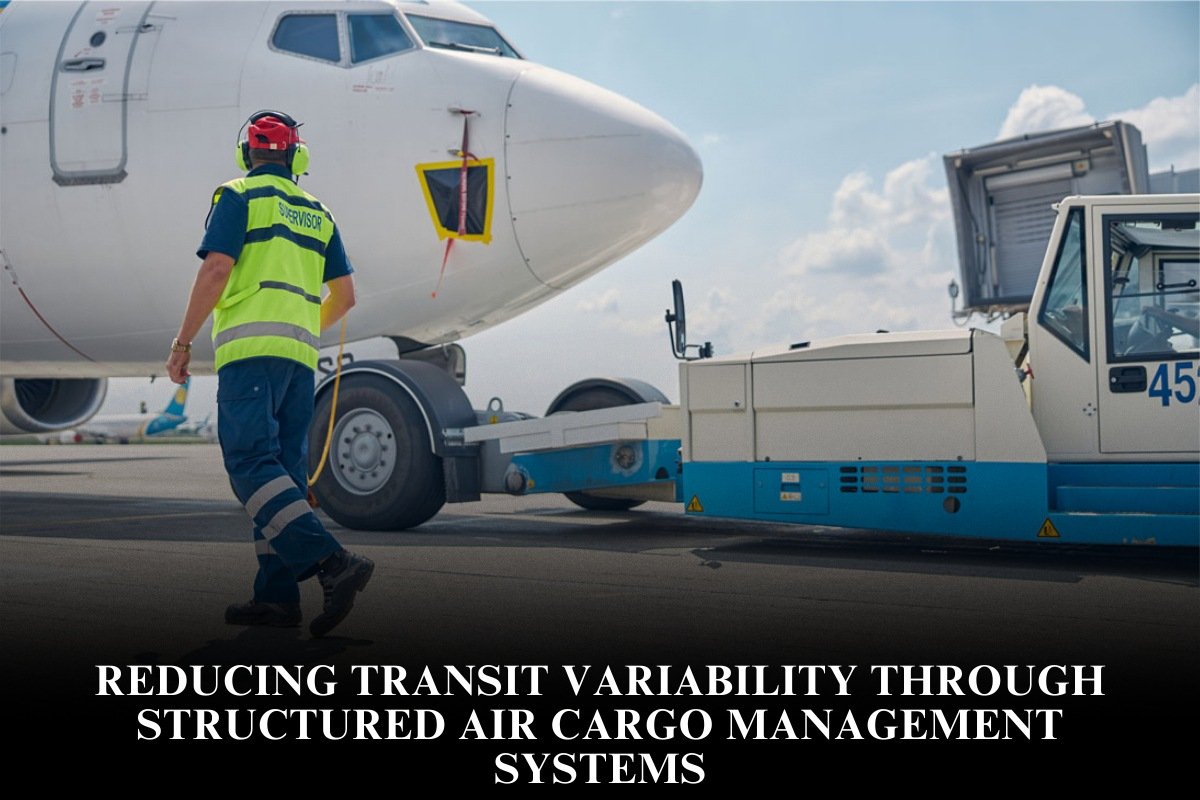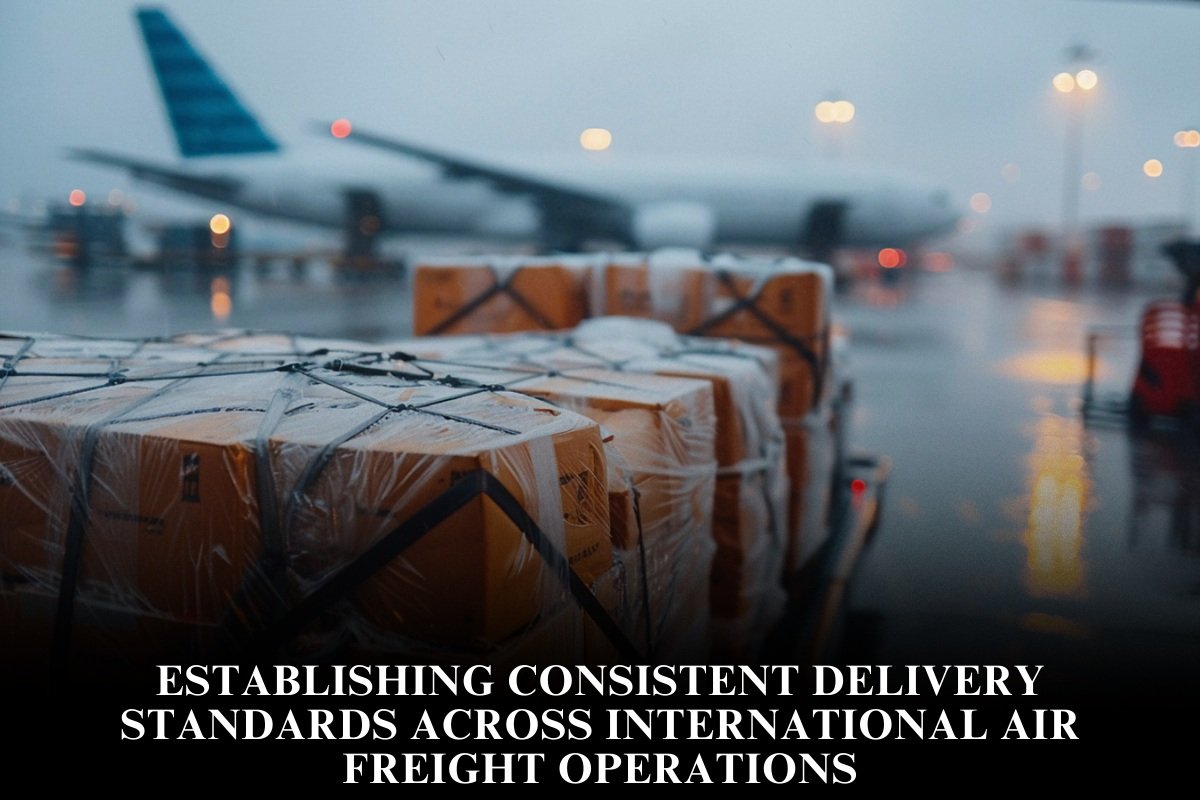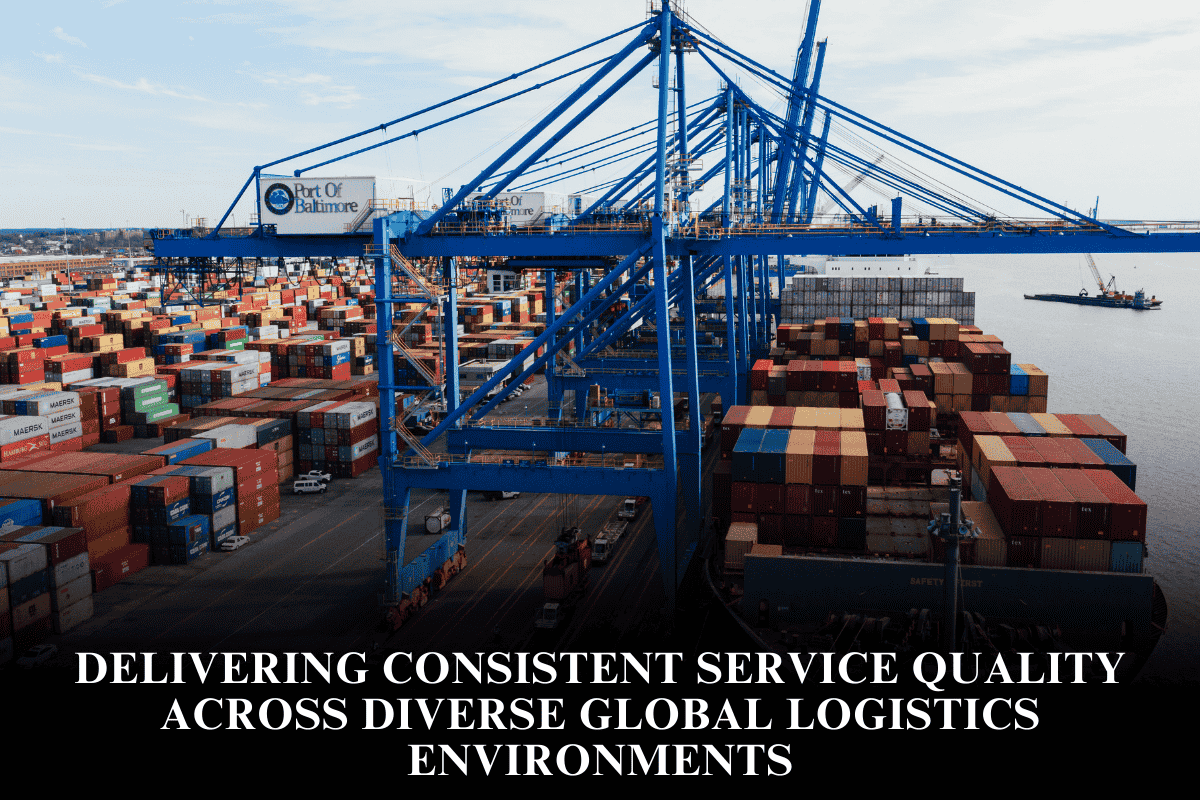
Global logistics networks span diverse climates, regulations, and infrastructures, making consistent service quality a critical challenge. Achieving uniformity requires strategic standardization, technology, and adaptive processes to meet customer expectations worldwide.
Key Challenges
Diverse environments create variability in delivery timelines, customs compliance, and resource availability. For instance, cross-border e-commerce faces issues like timeliness, condition quality, and information accuracy, which differ by market maturity.
Regulatory differences and geopolitical shifts further complicate operations, demanding resilient systems that adapt without compromising reliability.
Strategies for Consistency
Standardize core processes like inventory management, tracking, and communication across regions. Use centralized platforms for real-time monitoring and quality audits to align performance globally.
Leverage technology such as AI-driven predictive analytics and IoT for proactive issue resolution. Training programs ensure personnel deliver uniform personal contact and operational quality everywhere.
Invest in multimodal transport options and supplier coordination to handle disruptions, maintaining on-time deliveries and transparent updates.
Technology’s Role
Advanced tools like automated ticketing and GPS tracking enforce standardized procedures adaptable to local needs. Data analytics identify patterns, enabling continuous improvement in service dimensions.
In e-commerce logistics, information quality and return services build trust, with platforms integrating environmental and tech expectations in mature markets.
Case Examples
Companies like DHL exemplify resilience by recalibrating processes amid geopolitical changes, focusing on tangible elements like damage-free deliveries.
Facilities managers using Sweven’s protocols achieve uniformity through audits and training, boosting efficiency and brand reputation across locations.
Benefits and Metrics
Consistent quality fosters customer loyalty, repeat business, and competitive edges via high satisfaction scores. Key metrics include on-time delivery rates above 95% and low complaint volumes.
It also cuts costs through efficient coordination, turning logistics into a growth driver.
FAQs
Q1: What defines logistics service quality (LSQ)?
A: LSQ covers timeliness, order accuracy, information quality, personal contact, and customization to meet diverse customer needs.
Q2: How does technology ensure global consistency?
A: Centralized platforms, AI analytics, and tracking systems standardize processes while adapting to regional variations.
Q3: Why is standardization vital in diverse environments?
A: It minimizes variability from regulations and infrastructures, ensuring reliable deliveries and communication worldwide.
Q4: What role does training play?
A: It equips teams with product knowledge and processes for uniform service, regardless of location.
Q5: How to measure consistency success?
A: Track on-time rates, customer satisfaction scores, and audit results for continuous refinement.