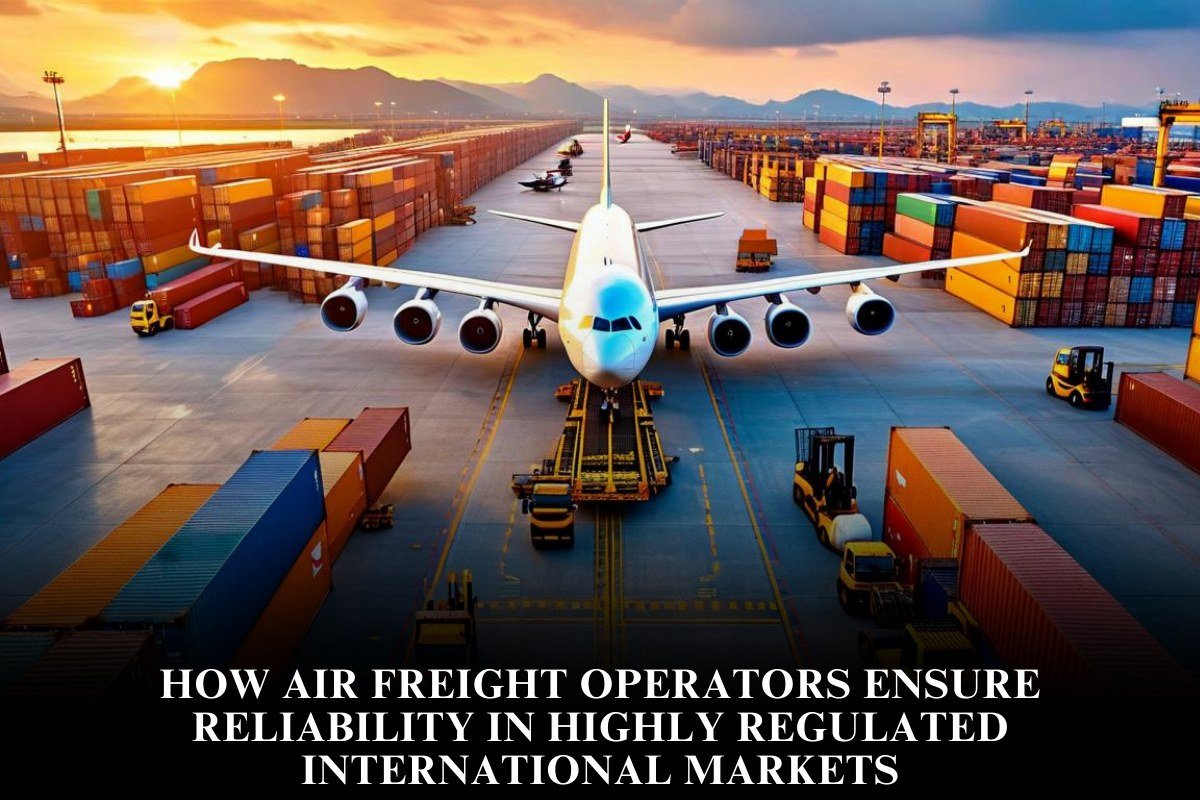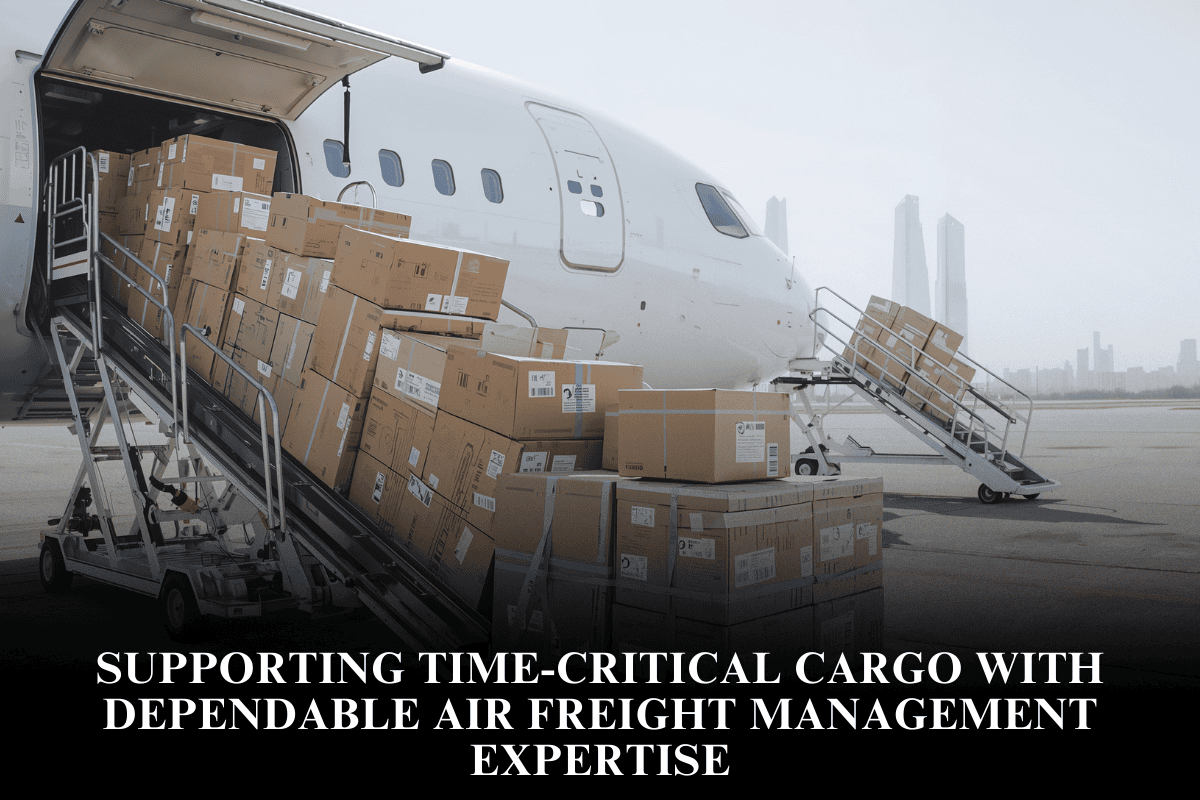
Air freight management excels in handling time-critical cargo like medical supplies, perishables, and high-value electronics, where delays can incur massive costs or risks. Dependable expertise ensures rapid, secure transport across global routes, leveraging speed and precision.
Core Challenges
Time-critical shipments face tight windows, volatile capacity, and disruptions like weather or regulations. Air freight’s speed addresses urgency but demands flawless coordination to avoid customs delays or capacity shortages during peaks.
Perishable goods require temperature control, while high-value items need enhanced security, amplifying complexity in diverse markets.
Best Practices
Proactive planning starts with demand forecasting and vendor partnerships to secure capacity early. Accurate documentation and labeling prevent customs halts, ensuring compliance from booking to delivery.
Select optimal carriers with priority access and contingency options like hybrid sea-air routes. Route optimization considers weather, traffic, and fleet capacity for reliable ETAs.
Technology Integration
Real-time GPS, RFID, and IoT sensors enable tracking, predictive maintenance, and alerts for deviations. AI analytics forecast risks, optimize routes, and integrate data for seamless visibility.
Platforms unify systems, providing live updates to stakeholders and reducing errors through automated routing and compliance checks.
Risk Mitigation
Build contingency plans with backup carriers and safety stocks. Emergency protocols minimize downtime, while insurance covers high-value cargo against theft or damage.
Nearshoring shortens routes for resilience, and regular audits refine processes amid disruptions like geopolitical events.
Industry Examples
Logistics firms like UPS use data streaming to predict delays a week ahead, boosting on-time rates. Forwarders block space contracts for peaks, ensuring apparel or pharma deliveries meet Q4 demands.
Specialized handlers for medical freight maintain cold chains, delivering vaccines globally with zero tolerance for variance.
Benefits and Metrics
Dependable air freight cuts inventory costs, enhances customer trust, and supports just-in-time models. Success metrics include 98% on-time delivery, low damage rates under 0.5%, and high satisfaction scores.
It drives revenue by enabling premium services in e-commerce and manufacturing.
FAQs
Q1: What qualifies as time-critical cargo?
A: Items like organs, pharmaceuticals, electronics, or perishables needing delivery within hours or days to avoid spoilage or loss.
Q2: How does real-time tracking benefit air freight?
A: It provides visibility, enables proactive rerouting, improves security, and ensures accurate ETAs for urgent shipments.
Q3: Why prioritize carrier selection?
A: Reliable partners offer capacity guarantees, compliance expertise, and backups, preventing delays in volatile air markets.
Q4: What role does documentation play?
A: Thorough paperwork avoids customs seizures, with details on origin, value, and hazards critical for smooth clearance.
Q5: How to measure air freight performance?
A: Track on-time rates, cost per kg, damage incidents, and visibility scores via analytics dashboards.