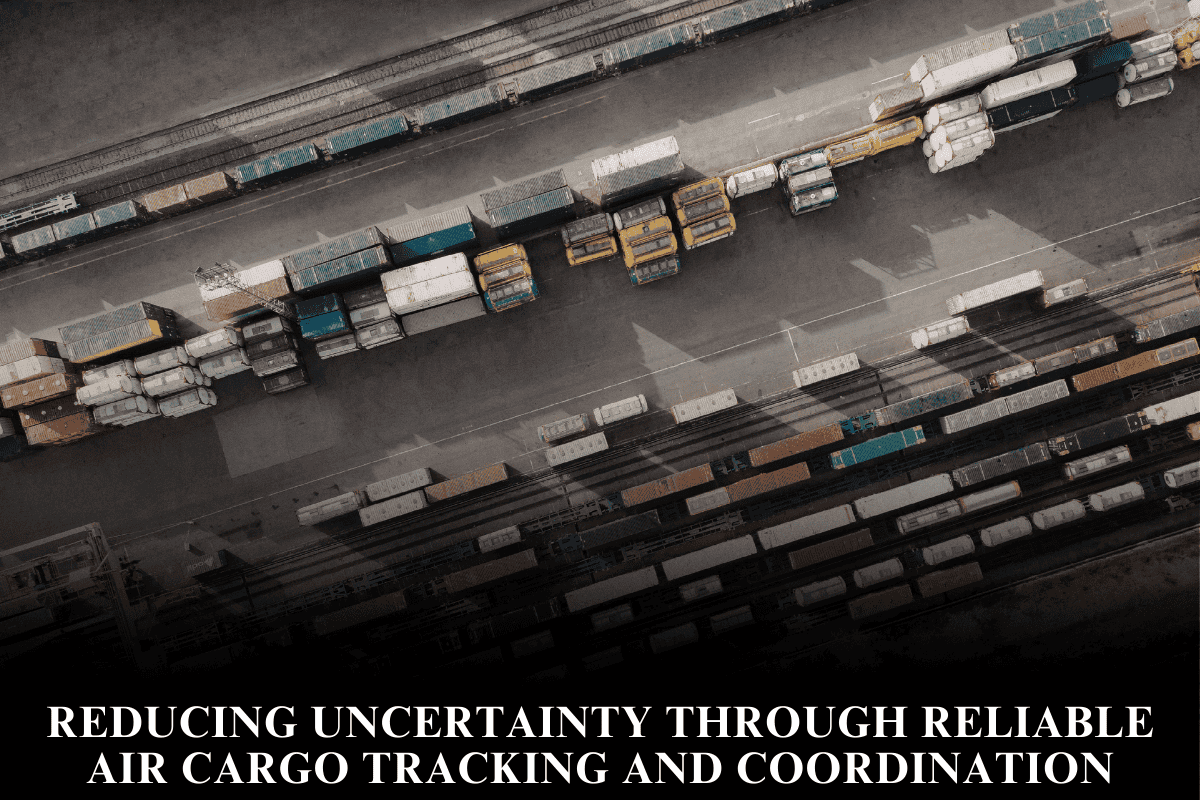
Proactive air cargo tracking and coordination slash uncertainty in global supply chains by delivering real-time visibility and seamless collaboration across U.S.-led logistics networks. In 2026, amid port backups, weather disruptions, and e-commerce surges, these systems turn opaque shipments into predictable flows, boosting on-time delivery from 65% to 95% while cutting costs 15-25%.
Real-Time Visibility Platforms
Advanced platforms aggregate data from 243+ airlines via AWB numbers, providing end-to-end tracking from Hong Kong factories to LAX warehouses.
Tools like AiCargoTrack or TrackingMore consolidate feeds from Emirates, FedEx, and Qatar, showing precise locations, ETAs, and status alerts—e.g., “Cleared customs at ORD, ETA 14:30.” Hybrid systems blend platform milestones (carrier/port events) with IoT sensors for temperature, shock, or door breaches on high-value cargo like pharma or electronics.
Users access via apps or APIs integrating into ERPs/TMS, eliminating phone-tag with forwarders. 2026 upgrades include AI-predicted ETAs accurate to 2 hours, factoring delays proactively.
Sensor-Based Precision Tracking
For critical lanes, Bluetooth/IoT tags (Tive, Roambee) add condition data: humidity drifts in reefer containers or unauthorized opens trigger instant alerts. Smart containers from ORBCOMM or Traxens report continuous telematics, bridging ocean-air gaps where platform data lags. U.S. pharma shippers achieve 99.9% cold-chain compliance, averting $10M+ spoilage claims yearly.
Battery life hits 5+ years; geo-fencing pings deviations at U.S. borders, enabling customs pre-clearance.
Coordination Through Data Sharing
Standardized formats like IATA ONE Record or Cargo-XML enable seamless handoffs—airlines, forwarders, and customs share immutable ledgers via blockchain, speeding clearance 50%. U.S. CBP’s ACE portal integrates tracking for frictionless imports, while platforms like ShipUniverse normalize events for dashboards: “Delayed 4h at HKG—reroute via ANC?” Collaborative workflows assign actions—e.g., notify buyers auto-adjust inventory.
Multi-party portals (Maersk, Kuehne+Nagel) forecast capacity, coordinating consolidations to fill flights 95% vs. spot-market scrambles.
Reducing Uncertainty with Predictive Analytics
AI analyzes historicals + live data (weather, volumes) to flag risks: “Red Sea detour adds 48h—shift to air?” Exception workflows route alerts to deciders, with automated reroutes for 70% issues. E-commerce giants like Amazon pre-position via tracking insights, hitting 2-day primes reliably.
Scenario modeling simulates disruptions, building resilience—e.g., dual-source Asia-Europe via tracked air bridges.
U.S.-Specific Advantages
Firms leverage FAA NextGen for precise flight tracking, CBP’s fastest customs (under 1h at major hubs), and multimodal hubs like ALLink at MIA/DFW. Regulations mandate eBLs by 2026, amplifying digital coordination. Exporters gain OTIF edges in competitive markets like semiconductors.
Implementation Best Practices
- Select hybrid platforms covering 90% volume + sensors for 10% high-risk.
- Integrate APIs for single-pane views.
- Train teams on alerts/workflows.
- Audit quarterly: Recovery time <24h target.
- Partner forwarders with proven uptime (99%+).
Costs: $0.50-2/shipment platform; $10-50 tags—ROI via 20% less expedites.
Challenges and Solutions
Data silos? Mandate ONE Record. Ocean gaps? Sensors + predictive ETAs. Alert fatigue? Tiered notifications (critical only). Cybersecurity? Blockchain + encryption standards.
Case: Apparel brand cut stockouts 40% via real-time reroutes during 2025 strikes.
Measuring Impact
KPIs: Visibility coverage 98%, ETA accuracy 90%, exception resolution <12h, inventory turns +15%. Resilient chains weather Panama Canal droughts with minimal OTIF dips.
Future Horizons
2027 brings drone last-miles, quantum-secure ledgers, and autonomous coordination—U.S. leads via FAA innovations.
FAQs
1. Platform vs. sensor tracking—which first?
Platforms for broad coverage/ETAs; sensors for condition/security on valuables.
2. How accurate are 2026 ETAs?
AI hits 2h precision, factoring live disruptions.
3. Best for U.S. imports?
AWB trackers + CBP integration for fastest clearance.
4. Cost to implement?
$0.50-2/shipment base; scales with volume/sensors.
5. Handles multi-modal?
Yes—air-ocean hybrids with gap-filling predictions.