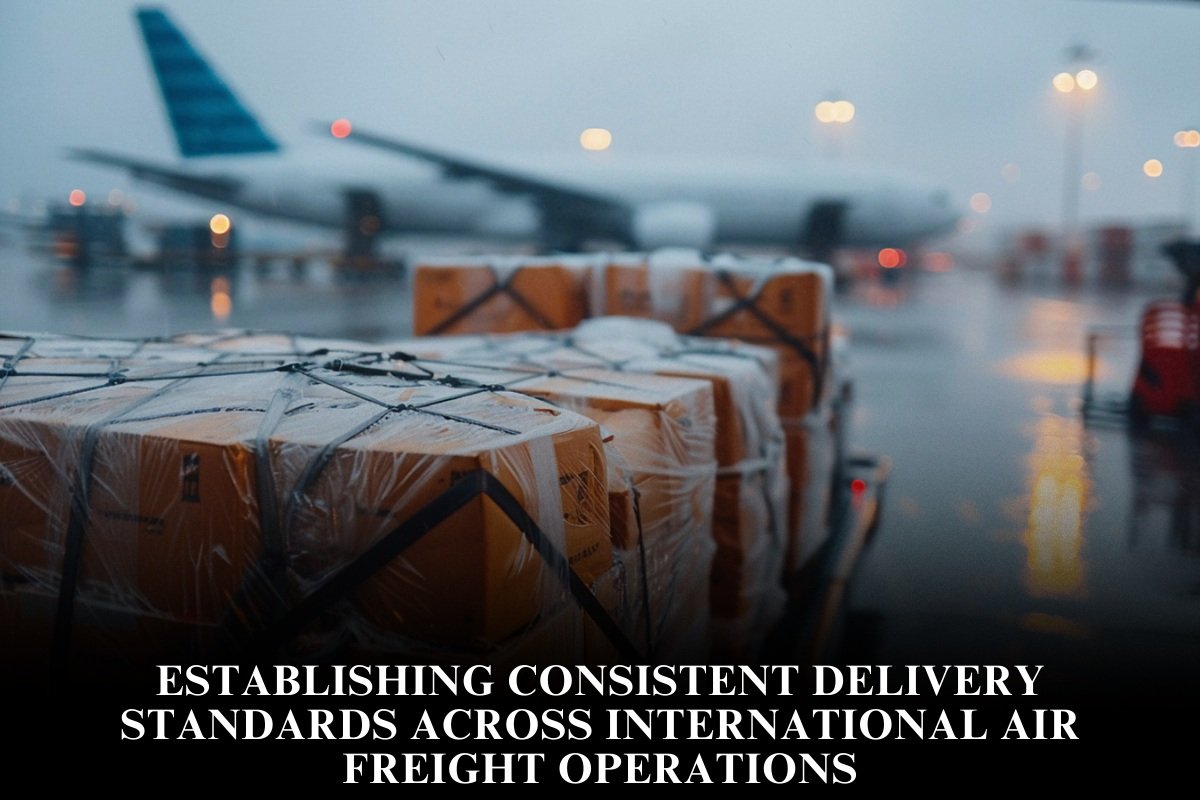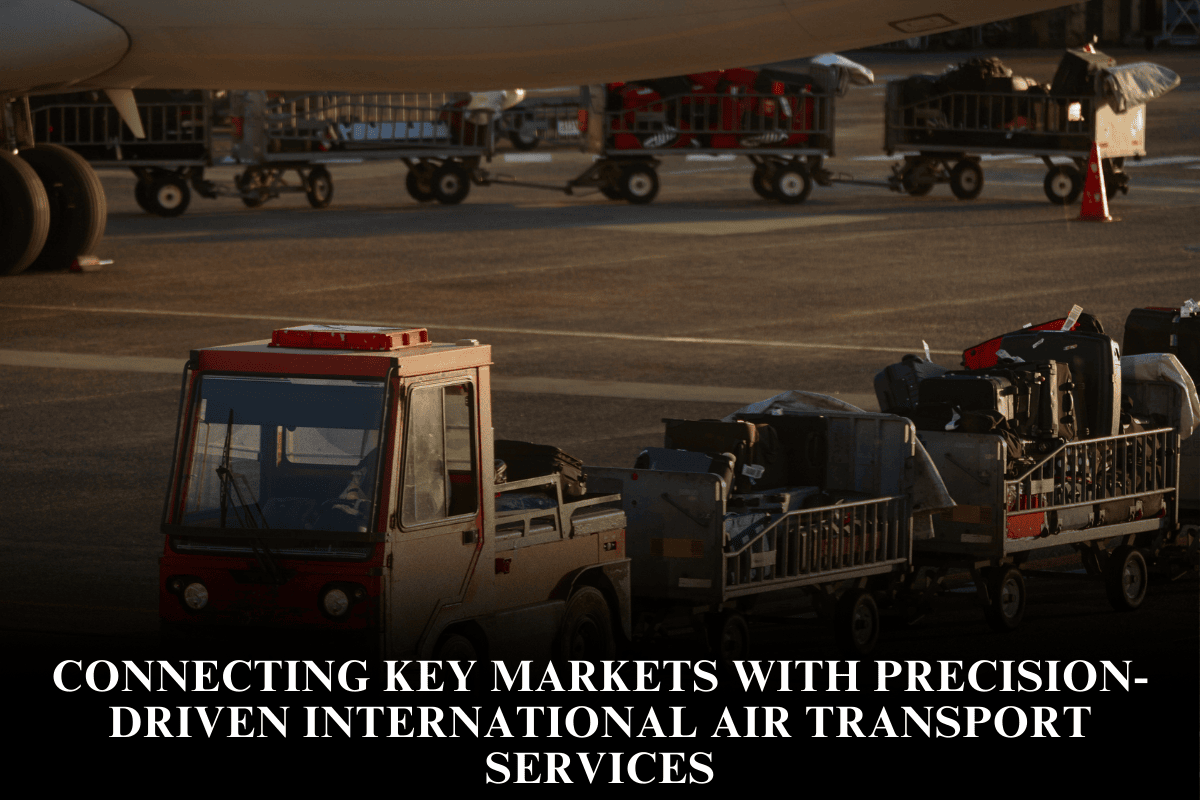
Precision-driven international air transport services are revolutionizing global logistics by linking key US markets with seamless, high-stakes cargo flows for industries demanding speed, security, and reliability.
In 2026, with the US air freight market projected to hit $91.81 billion by 2034 at 4.08% CAGR, dedicated charters and expedited freighters from hubs like CVG, JFK, and LAX connect manufacturers, pharma, and e-commerce to Asia, Europe, and beyond, cutting transit times 30-50% versus ocean routes.
Rise of Precision Air Cargo Charters
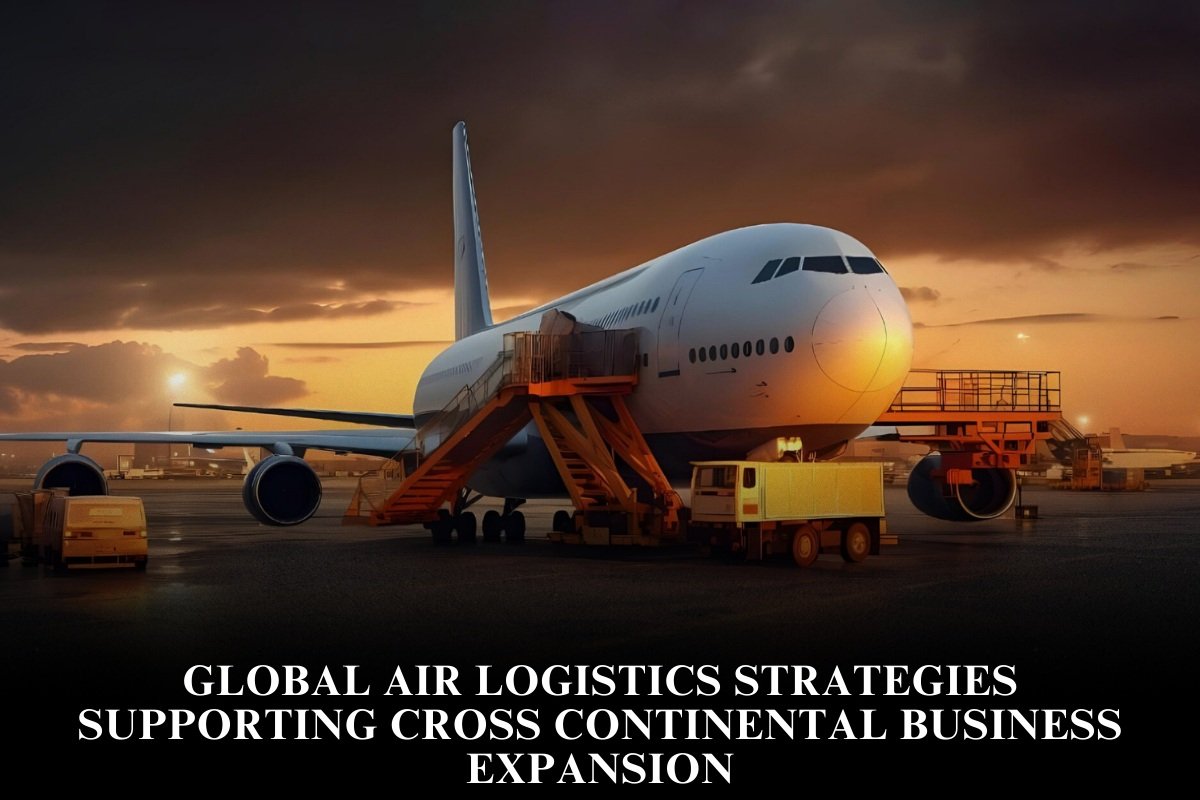
Precision Air Cargo Inc. exemplifies this shift, offering full-freighter charters from turbo props to Antonov AN-124 for oversized/project loads. No co-loads ensure dedicated capacity; door-to-door visibility tracks shipments in real-time, vital for time-sensitive goods like vaccines or electronics. Their network spans Alaska/Hawaii to Mexico/Canada, with GSA brokerage optimizing airline partnerships for 99% on-time rates.
Houston-based Precision Air Cargo brokers charters for defense, energy, and manufacturers, prioritizing military-grade execution. Clients gain synergies from integrated ground handling, customs, and last-mile, reducing dwell times 40% at bonded facilities.
Key US Markets and Hubs
- Midwest Logistics Powerhouse: Cincinnati/NKG (CVG) launches NX’s Japan route, serving Ohio’s auto/pharma clusters with next-flight-out (NFO) services. Precision links feed e-commerce giants like Amazon Air.
- Northeast Trade Gateways: JFK/Newark handle 25% East Coast volume; DHL/FedEx hubs enable Europe in 6-8 hours for perishables.
- West Coast Asia Bridge: LAX/SFO/San Diego connect Silicon Valley tech to Shenzhen, with Pro Carrier’s Forward Transit adding UK/EU end-to-end.
- South Hub Energy: Houston/Atlanta specialize oilfield parts via charters; Florida gateways pharma to Latin America.
Domestic dominance (62.5% share) fuels international via efficient airports like LAX (2M tons cargo).
Technologies Enabling Precision
AI optimizes routing—predictive ETAs factor weather/fuel. Blockchain traces chains (pharma temp logs); IoT sensors monitor 24/7 (vibration, humidity). VRF charters scale capacity dynamically; drone scouting aids oversized loads. A.P. Moller-Maersk’s China-US freighter integrates passenger belly cargo for hybrid efficiency.
High-Value Sector Impacts
- Pharma/Life Sciences: Cold chain charters (2-8°C) transport biologics; 90% delivery guarantees prevent spoilage costing millions.
- Electronics/Auto: Just-in-time parts from Asia arrive NFO, averting shutdowns ($10K/minute).
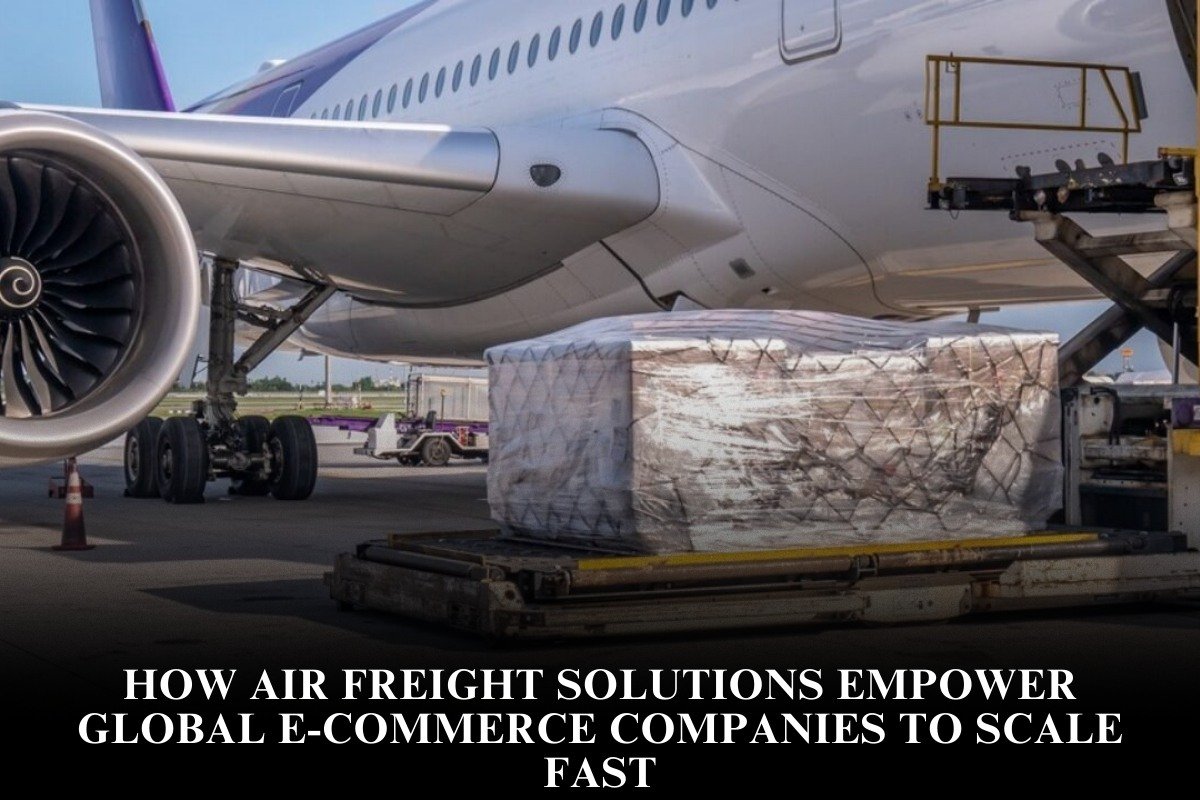
- E-Commerce: Amazon Air/Pro Carrier’s first/last-mile bridge Amazon’s 2-day promises globally.
- Defense/Project Cargo: AN-124 hauls turbines; secure protocols meet ITAR.
Market drivers: e-commerce boom, infrastructure (CVG expansions), 3PLs like XPO.
Challenges and Solutions
Supply chain snarls cost airlines $11B in 2025 delays; charters bypass via dedicated planes. Costs 5-10x ocean but ROI for high-value (pharma $1M/kg-hour). Sustainability: SAF blends cut emissions 80%; electric ramps emerging.
Regulations: TSA/CBP preclearance speeds customs; FAA drone integration aids remote ops.
Economic Multipliers
$64B 2025 market employs 500K+; hubs like CVG create 5,000 jobs. Charters stimulate manufacturing resilience post-COVID.
Future: 2026 World Cup boosts passenger belly capacity; autonomous cargo planes by 2030.
Precision services aren’t logistics—they’re competitive edges linking US innovation to world markets flawlessly.
FAQs
1. What defines precision air transport?
Dedicated charters with real-time tracking, no co-loads for 99% on-time high-value cargo.
2. Top US hubs?
CVG (Asia), JFK (Europe), LAX (Pacific); domestic 62.5% share.
3. Key sectors served?
Pharma (cold chain), electronics JIT, e-commerce, defense projects.
4. Tech enablers?
AI routing, IoT sensors, blockchain for pharma traceability.
5. Market growth?
$64B to $91B by 2034, 4% CAGR driven by e-commerce/infra.