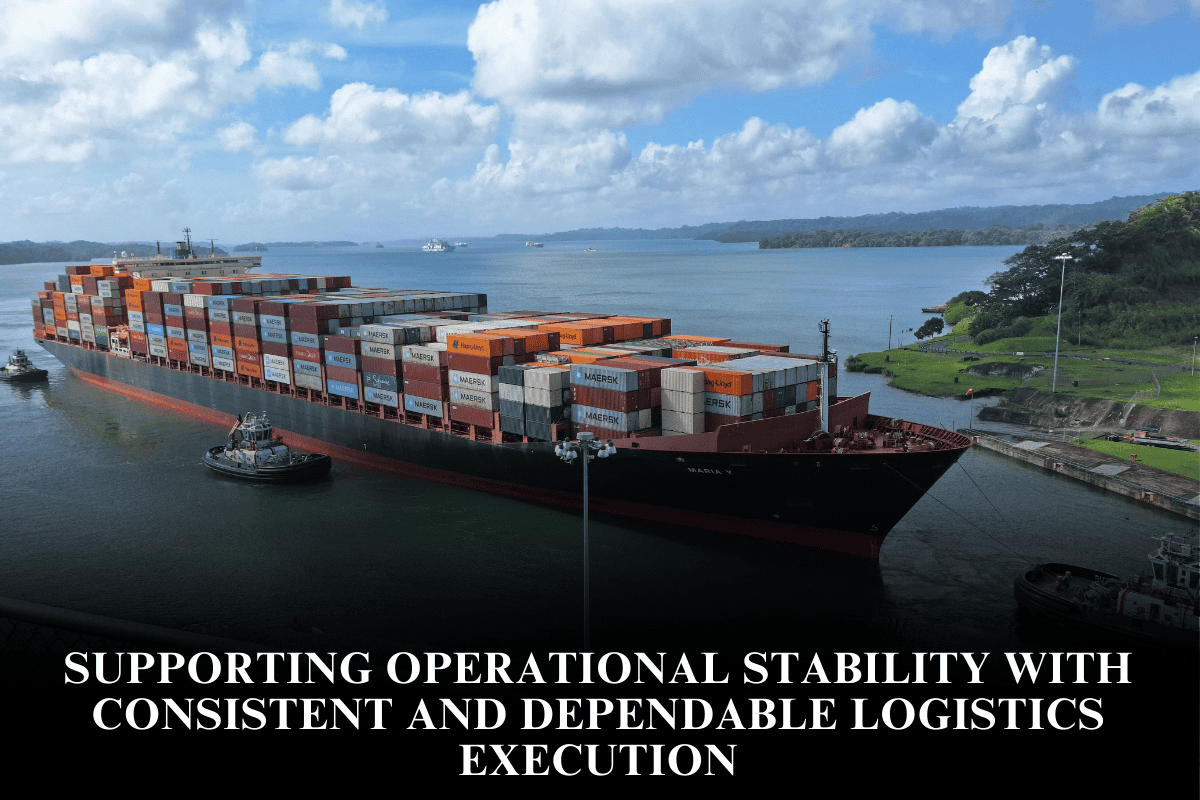
Consistent and dependable logistics execution forms the backbone of operational stability, ensuring supply chains deliver goods on time, within budget, and to specification despite disruptions. U.S. firms achieve 98% on-time rates through standardized processes, real-time visibility, and proactive risk management, minimizing costly delays that impact 70% of manufacturers.
Standardized Operating Procedures (SOPs)
SOPs dictate every step—from order receipt to final delivery—eliminating variability. Predefined checklists cover packing per ISTA standards, customs documentation via ACE portals, and carrier selection based on OTIF history. Digital twins simulate workflows, training staff to execute flawlessly while annual audits refine protocols based on incident data.
Real-Time Visibility Platforms
Cloud-based TMS/ERP systems provide end-to-end tracking, with IoT beacons updating locations every 15 minutes. Dashboards flag exceptions—ETA slips, temp deviations, or customs holds—triggering alerts to planners. API integrations with carriers ensure 99% data accuracy, enabling 24/7 monitoring that catches 85% of issues before customer impact.
Carrier Performance Management
Vetted partners maintain 95%+ service levels through quarterly scorecards measuring transit times, damage rates, and claims resolution. Multi-carrier strategies provide redundancy: primary lane FedEx, backup UPS, contingency air charter. Contractual SLAs with penalties enforce accountability, while relationship managers conduct joint business reviews.
Risk Mitigation Frameworks
Scenario planning addresses port congestion, weather events, and tariffs: diversified origins prevent single-point failures, while inventory buffers cover 2-3 week delays. Business continuity plans activate within 4 hours, with war rooms coordinating C-level responses. Insurance covers $100M+ exposures across high-value electronics and pharma.
Technology-Enabled Execution
AI forecasts demand spikes with 92% accuracy, auto-allocating capacity during peaks like Black Friday. Blockchain manifests ensure tamper-proof documentation for FDA/ITAR compliance. Robotic process automation handles repetitive tasks—rate shopping, label printing—freeing planners for exceptions while cutting errors 70%.
Performance Metrics and Accountability
KPIs drive execution: Perfect Shipment Rate (>98%), Days Inventory Outstanding (<45), and Transportation Cost/Sales (<3%). Balanced scorecards tie bonuses to metrics, with root cause analysis (5 Whys) feeding continuous improvement. Weekly executive reviews cascade priorities to operations teams.
Crisis Response Protocols
Tested playbooks activate for disruptions: Suez-scale events trigger air/rail pivots; typhoon SOPs reposition inventory pre-landfall. Cross-trained teams execute within SLAs, maintaining flow for mission-critical SKUs like semiconductors and medical supplies.
Case Study: Automotive Success
A Detroit OEM sustained 99.7% fill rates during 2025 chip shortages via redundant Asian suppliers, real-time rerouting, and dedicated air charters for line-down parts. Annual savings hit $4.2M through dependable execution.
Consistent logistics transforms operations from reactive firefighting to predictive reliability, powering competitive advantage.
Frequently Asked Questions
1. What defines dependable logistics execution?
98%+ on-time delivery via SOPs, visibility, and risk frameworks.
2. Role of real-time tracking?
Catches 85% exceptions pre-impact via IoT/dashboard alerts.
3. How select reliable carriers?
95%+ OTIF scorecards, multi-carrier redundancy, SLAs.
4. Key performance metrics?
Perfect Shipment (>98%), DIO (<45), Cost/Sales (<3%).
5. Crisis response timeline?
4-hour activation with tested contingency playbooks.