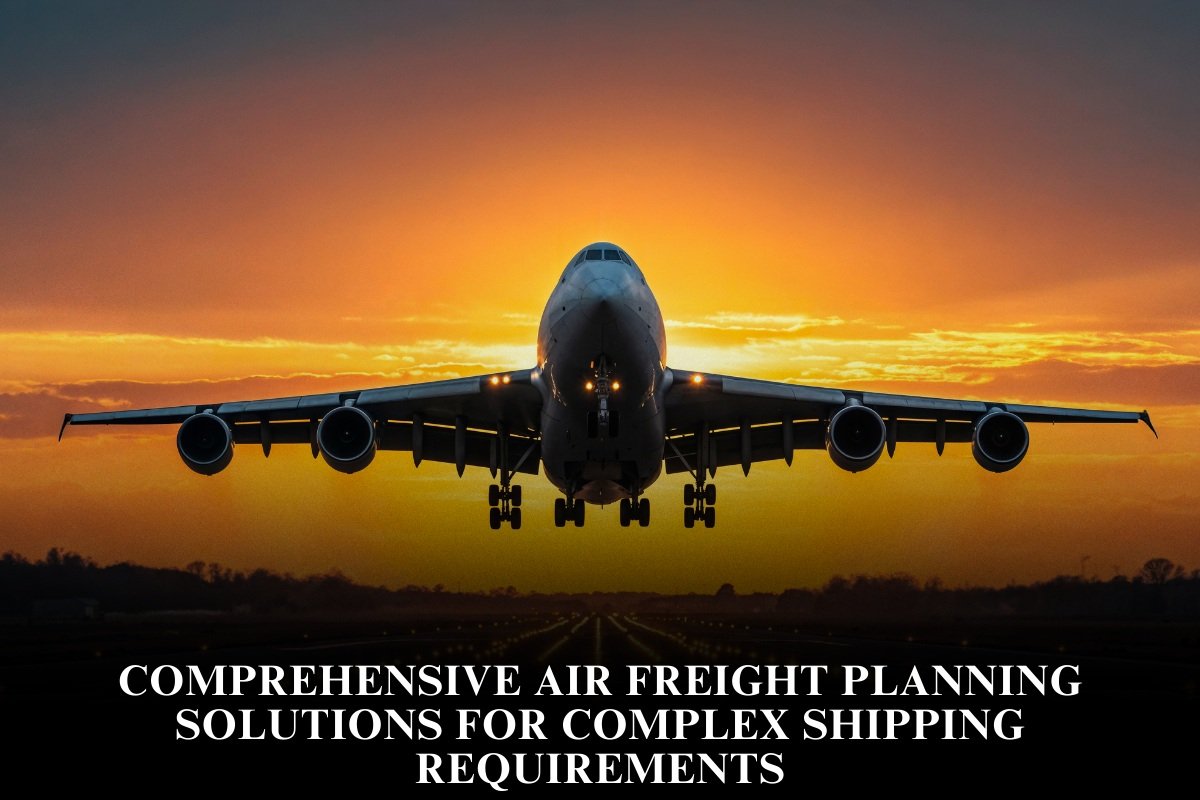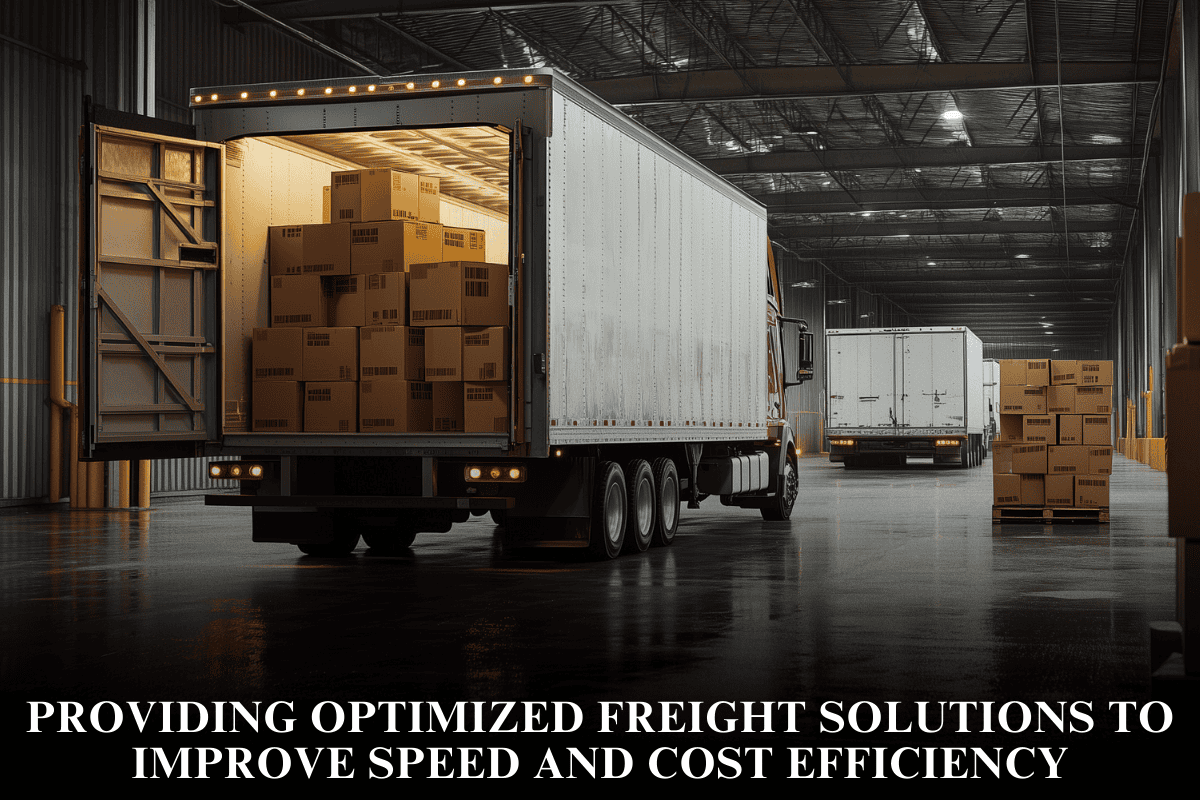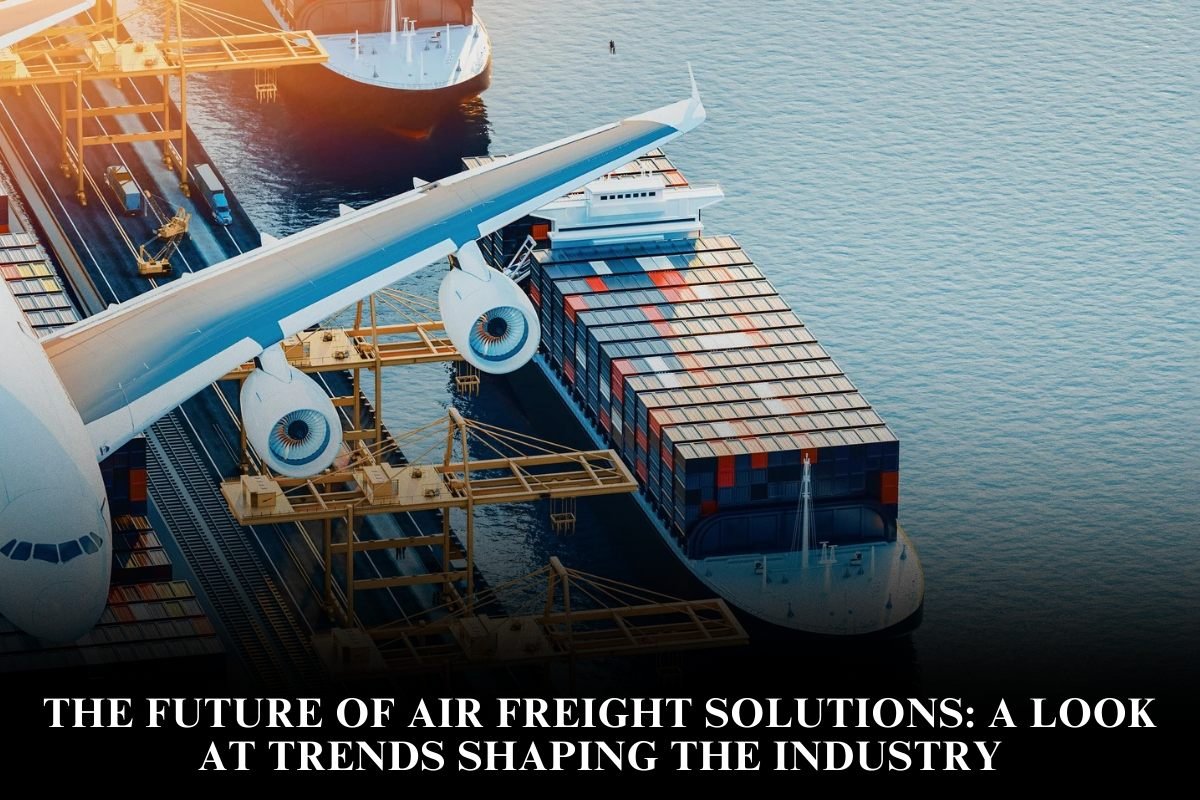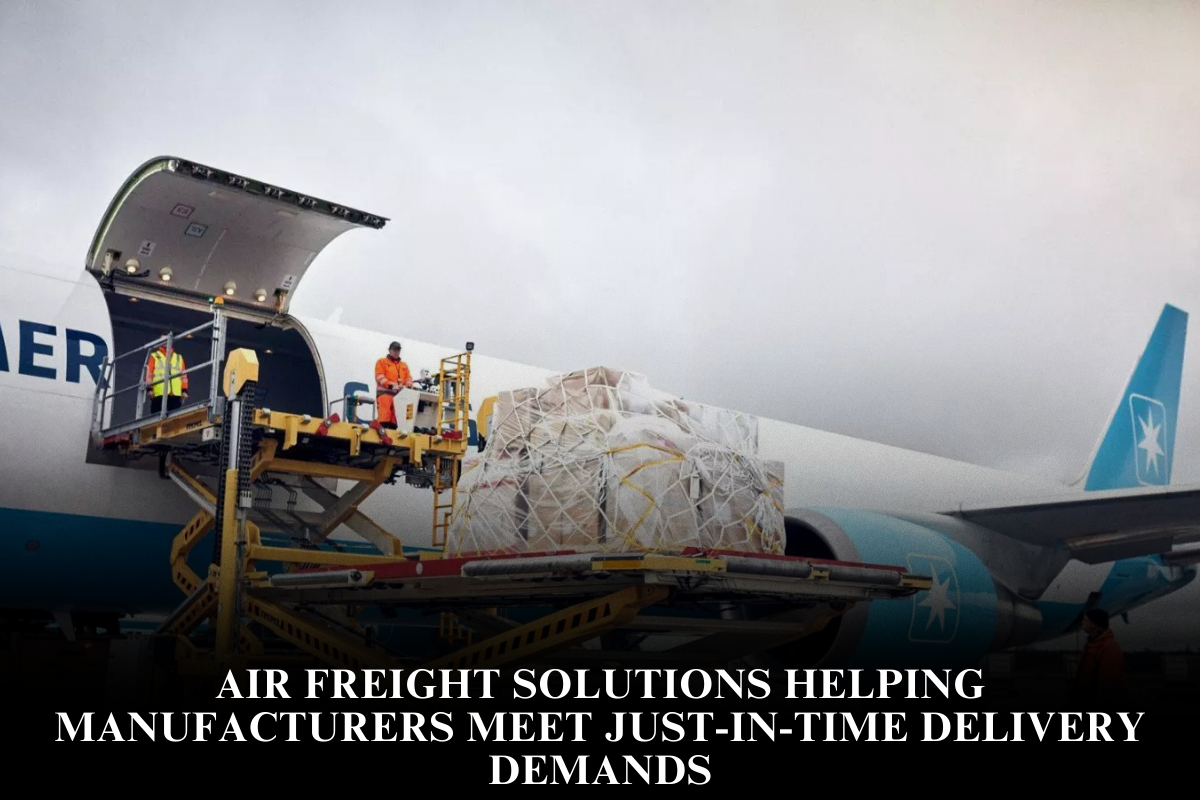
Data-informed air freight planning revolutionizes logistics by harnessing analytics, AI, and real-time data to optimize routes, predict disruptions, and ensure precise delivery of high-value cargo. U.S. logistics providers leverage predictive models to achieve 98% on-time performance for critical shipments like semiconductors and pharmaceuticals, cutting costs 15-25% while navigating volatile capacity markets.
Predictive Analytics for Demand Forecasting
Historical shipment data, combined with external factors like fuel prices and port congestion, powers algorithms forecasting capacity needs with 92% accuracy. Airlines and forwarders allocate freighters proactively—e.g., extra Asia-Europe flights during Lunar New Year—avoiding spot market premiums. Machine learning identifies modal shifts, recommending air-ocean hybrids for cost efficiency without delays.
Route Optimization and Dynamic Rerouting
AI analyzes 10,000+ daily routes, factoring weather, airspace closures, and carrier schedules to minimize transit times. During Red Sea diversions, systems reroute via southern corridors 30% faster than manual planning. Real-time ETAs adjust for headwinds or customs holds, ensuring 24-48 hour door-to-door for perishables. Tools like CargoIS benchmark trade lanes, revealing alternatives like Liège over Frankfurt for HKG-EU flows.
End-to-End Visibility Platforms
IoT sensors track location, temperature (±0.5°C), humidity, and G-forces every 15 seconds, feeding dashboards with predictive ETAs. Blockchain manifests auto-clear customs via smart contracts, slashing processing from hours to minutes. Stakeholder portals provide transparency—shippers see ramp times, airlines monitor ULD loads—reducing “where is my cargo?” queries 80%.
Automated Documentation and Compliance
AI aggregates data from 50+ sources to generate accurate AWBs, invoices, and HAZMAT declarations, cutting errors 70%. Natural language processing verifies FDA/ITAR docs against regulations, flagging discrepancies pre-submission. Digital twins simulate clearances, preempting holds at hubs like MIA or LAX.
Capacity Management and Pricing Intelligence
Predictive models balance supply-demand: high-demand electronics trigger dynamic pricing, while excess belly capacity offers discounts. Forwarders secure block space via algorithms analyzing 1M+ historical rates, locking 20% savings. During peaks, systems prioritize revenue cargo (pharma > perishables > e-commerce).
Risk Mitigation Through Scenario Planning
Data identifies risks—typhoon probabilities, carrier bankruptcies—with contingency ranking: air charters for line-down parts, rail pivots for cost-sensitive. Stress tests simulate Suez-scale events, maintaining 95% service levels. Insurance algorithms price coverage precisely based on volatility scores.
Performance Analytics and Continuous Improvement
KPIs like Fill Rate (98%+), Transit Variance (<2 hours), and Cost per KG track execution. Root cause analysis on exceptions feeds model retraining, yielding 5-10% annual gains. Benchmarking against peers reveals gaps—e.g., 15% slower Asia-U.S. lanes prompt carrier switches.
Industry Case Studies
DHL’s platform cut air freight costs 22% via predictive lane optimization; Boeing reduced AOG times 40% with data-driven charters. E-commerce giants like Amazon Air scale dynamically, handling 2-day Prime via AI-orchestrated networks.
Precision planning transforms air freight from reactive firefighting to proactive mastery, powering resilient global supply chains.
Frequently Asked Questions
1. How does predictive analytics help air freight?
Forecasts demand/capacity 92% accurately, optimizes routes/pricing.
2. Key benefit of real-time visibility?
Proactive interventions cut delays 80%, builds stakeholder trust.
3. How automate customs clearance?
AI verifies docs via blockchain, processes in minutes vs. hours.
4. Route optimization savings?
15-30% cost reduction via dynamic rerouting, trade lane analysis.
5. Measure planning effectiveness?
98% OTIF, <2hr transit variance, 5-10% annual improvements.