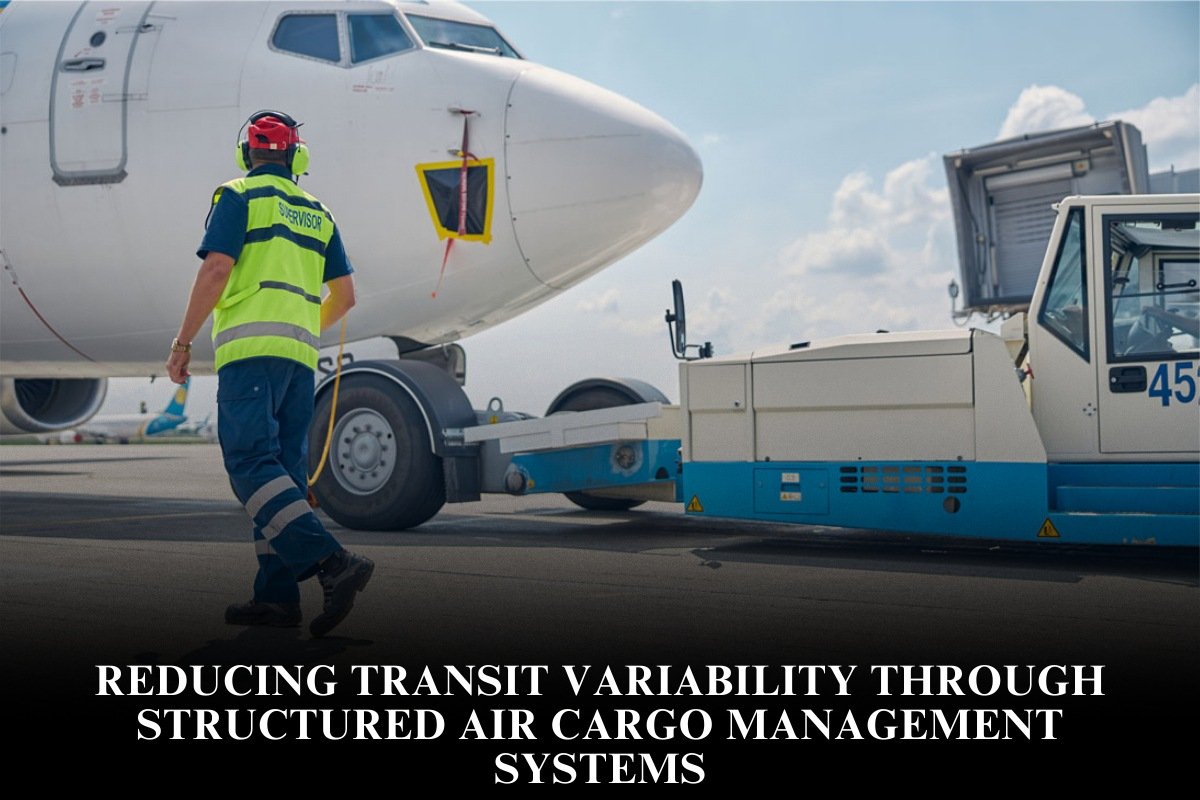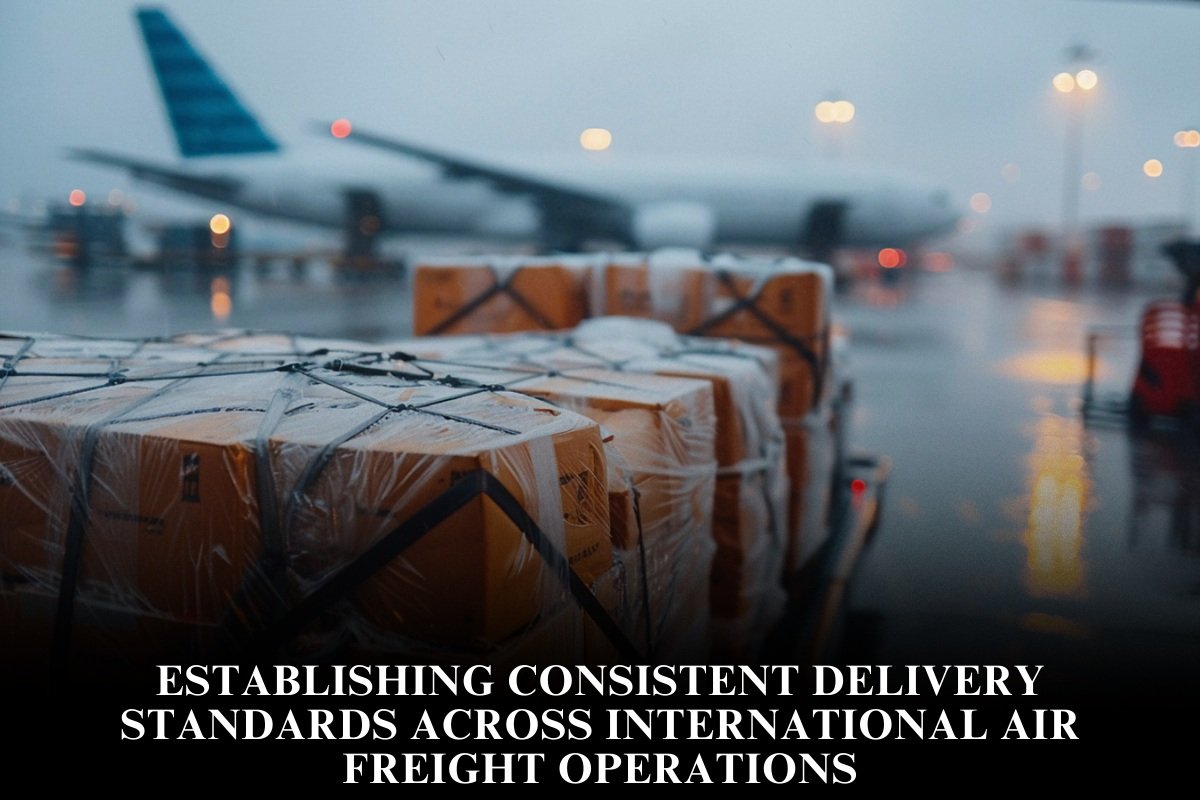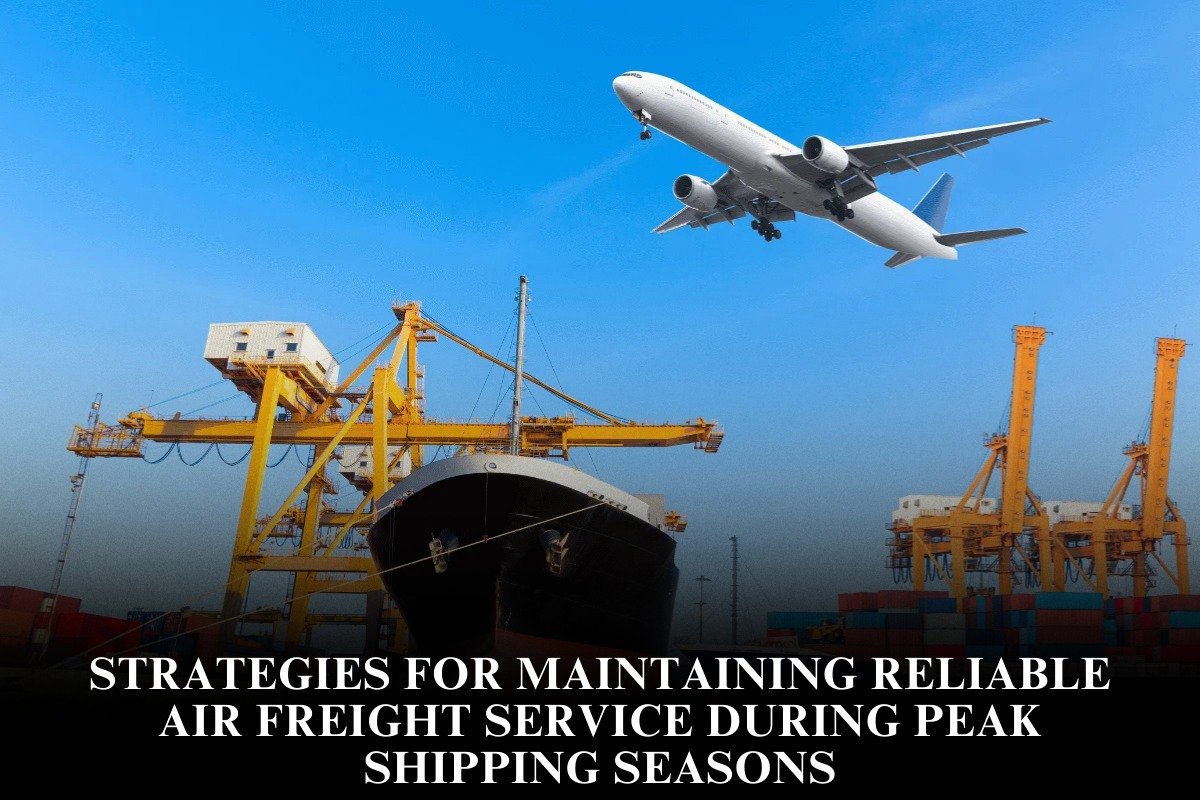
Peak shipping seasons — such as year-end holidays, major retail events, and global trade surges — place enormous pressure on air freight networks. Increased cargo volumes, limited aircraft capacity, airport congestion, and weather disruptions can challenge even the most established logistics providers. Maintaining reliable air freight service during these periods requires proactive planning, operational flexibility, and technology-driven coordination.
Early Capacity Planning and Forecasting
One of the most critical strategies is advanced demand forecasting. Peak season reliability begins months before cargo is loaded.
Key planning actions include:
- Analyzing historical volume data
- Monitoring retail and manufacturing cycles
- Coordinating with major shippers early
- Securing aircraft capacity in advance
- Negotiating block space agreements
Accurate forecasting allows carriers to allocate fleet resources efficiently and reduce last-minute bottlenecks.
Flexible Fleet and Network Management
During peak seasons, adaptability is essential.
Effective strategies include:
- Deploying additional charter flights
- Utilizing passenger belly cargo capacity
- Adjusting flight frequencies
- Rerouting shipments through secondary hubs
- Leasing temporary freighter aircraft
Network flexibility helps maintain service continuity even when primary routes experience congestion.
Strengthening Ground Operations and Staffing
High cargo volume increases pressure on warehouse handling and airport ground operations.
To maintain reliability:
- Expand warehouse operating hours
- Hire temporary seasonal staff
- Cross-train employees for multiple roles
- Enhance cargo screening capacity
- Implement shift-based efficiency management
Well-coordinated ground operations prevent loading delays and missed departures.
Digital Visibility and Real-Time Monitoring
Technology plays a vital role in managing peak season complexity.
Advanced logistics systems enable:
- Real-time shipment tracking
- Predictive delay alerts
- Capacity optimization dashboards
- Automated documentation processing
- Dynamic rerouting capabilities
| Digital Tool | Operational Benefit |
|---|---|
| Real-Time Tracking | Improved customer transparency |
| Predictive Analytics | Early disruption detection |
| Automated Systems | Faster cargo processing |
| Integrated Control Towers | Centralized decision-making |
Visibility reduces uncertainty and enhances customer trust.
Strategic Partnerships and Carrier Collaboration
During peak demand, collaboration across logistics partners becomes essential.
Key collaboration strategies:
- Multi-carrier agreements
- Interline cargo partnerships
- Shared warehousing solutions
- Coordinated customs clearance processes
Diversified carrier networks reduce dependency on a single provider and improve resilience.
Prioritization and Cargo Segmentation
Not all shipments carry equal urgency. Effective peak season management involves categorizing cargo by priority.
Typical segmentation includes:
- Express and time-critical shipments
- Perishable goods
- High-value electronics
- Standard freight
Prioritization ensures high-urgency cargo moves efficiently even during capacity constraints.
Proactive Risk Management
Peak seasons increase vulnerability to disruptions such as weather events, mechanical issues, and airport congestion.
Mitigation strategies include:
- Pre-approved alternative routing plans
- Buffer capacity reservations
- Emergency response protocols
- Backup ground handling providers
Contingency planning prevents minor delays from escalating into major service failures.
Enhanced Communication with Customers
Clear communication strengthens reliability perception.
Best practices include:
- Providing accurate delivery estimates
- Sharing real-time tracking updates
- Offering proactive delay notifications
- Maintaining transparent service commitments
Customer confidence depends on visibility and responsiveness during high-demand periods.
Leveraging Secondary and Regional Hubs
Major global hubs often experience congestion during peak periods. Utilizing regional airports can:
- Reduce turnaround time
- Improve customs efficiency
- Decrease bottlenecks
- Increase operational flexibility
Strategic hub diversification enhances network resilience.
Continuous Performance Monitoring
Throughout peak season, performance metrics must be closely monitored.
Critical indicators include:
- On-time departure rates
- Cargo dwell time
- Warehouse processing speed
- Aircraft load factors
- Customer satisfaction metrics
Ongoing analysis allows rapid operational adjustments.
Long-Term Strategic Investment
Reliable peak performance requires year-round preparation. Leading air freight providers invest in:
- Modern cargo aircraft fleets
- Automated cargo terminals
- AI-based forecasting tools
- Workforce training programs
- Sustainable fuel strategies
Long-term infrastructure development supports short-term seasonal reliability.
FAQs
Q. Why are peak seasons challenging for air freight?
Higher shipment volumes strain aircraft capacity, airport infrastructure, and ground operations.
Q. How can companies avoid delays during peak periods?
Advance booking, diversified carrier partnerships, and real-time tracking systems reduce disruption risks.
Q. Is chartering aircraft common during peak seasons?
Yes. Many providers lease additional aircraft to manage excess demand.
Q. What role does technology play in peak reliability?
Digital tools improve forecasting, tracking, routing flexibility, and communication efficiency.