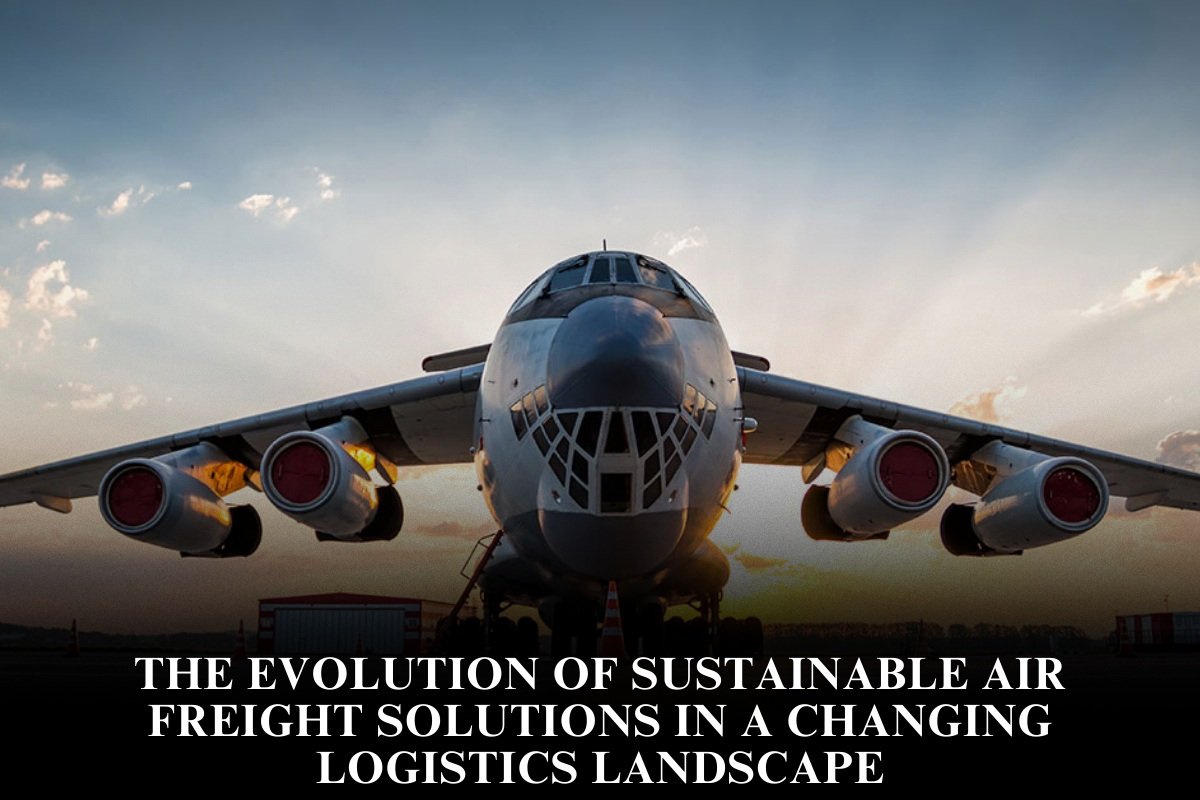
The global logistics industry is undergoing a profound transformation, and air freight sits at the center of this change. As international trade expands and e-commerce accelerates, environmental accountability has become a strategic priority. Sustainable air freight solutions are no longer optional initiatives — they are essential to long-term competitiveness in a rapidly evolving logistics landscape.
From Speed to Sustainability: A Strategic Shift
Historically, air freight was defined primarily by speed and reliability. However, increasing carbon emissions scrutiny, stricter environmental regulations, and corporate ESG commitments have reshaped priorities.
The modern air cargo sector now balances:
- Operational efficiency
- Carbon reduction targets
- Cost management
- Regulatory compliance
- Customer sustainability expectations
This shift represents a structural evolution in how air freight networks operate.
The Role of Sustainable Aviation Fuel (SAF)
Sustainable Aviation Fuel (SAF) is one of the most impactful innovations in air freight decarbonization. Produced from renewable feedstocks such as waste oils and biomass, SAF significantly reduces lifecycle carbon emissions compared to conventional jet fuel.
Benefits of SAF Adoption
- Up to 70–80% lifecycle carbon reduction
- Compatibility with existing aircraft engines
- Immediate emissions impact without fleet overhaul
Although SAF remains more expensive than traditional fuel, long-term production scaling is expected to improve affordability and accessibility.
Fleet Modernization and Aircraft Efficiency
New-generation cargo aircraft are engineered to improve fuel efficiency and reduce emissions.
Key advancements include:
- Lightweight composite materials
- Advanced engine technology
- Improved aerodynamics
- Optimized cargo space design
Modern fleets consume less fuel per ton of cargo, improving both environmental and economic performance.
Electrification of Ground Operations
Airports are also transforming ground handling processes.
Sustainability initiatives include:
- Electric ground support equipment (GSE)
- Solar-powered cargo terminals
- Energy-efficient warehouse lighting
- Smart HVAC systems
Electrification reduces airport-level emissions and contributes to overall network sustainability.
Digital Optimization and Smart Logistics
Technology plays a critical role in sustainable air freight evolution.
| Digital Strategy | Environmental Impact |
|---|---|
| Route optimization algorithms | Reduced fuel burn |
| AI demand forecasting | Minimized empty capacity |
| Automated load planning | Improved weight balance efficiency |
| Real-time cargo tracking | Reduced unnecessary rerouting |
Data-driven optimization reduces operational waste and improves energy efficiency across networks.
Multimodal Integration for Carbon Reduction
Sustainable logistics increasingly integrates air freight with sea, rail, and road transport.
Hybrid solutions include:
- Sea-air shipping combinations
- Rail-air corridors
- Regional distribution hubs
- Optimized last-mile planning
Strategic multimodal integration reduces reliance on long-haul air transport where alternative options are viable.
Carbon Offsetting and Transparency
Many logistics providers now offer carbon offset programs, allowing customers to compensate for shipment emissions.
Sustainability reporting includes:
- Emissions tracking dashboards
- Scope 1, 2, and 3 carbon accounting
- Transparent environmental disclosures
- ESG performance benchmarking
Greater transparency strengthens client trust and regulatory compliance.
Cold Chain Sustainability Improvements
Pharmaceutical and temperature-sensitive cargo require specialized handling. Sustainable cold chain solutions include:
- Energy-efficient refrigeration systems
- Smart temperature-controlled containers
- Reduced packaging waste
- Solar-assisted cold storage facilities
Balancing temperature precision with energy efficiency is central to green air logistics.
Regulatory Influence and Global Policy
Governments and global aviation authorities are implementing stricter emission standards and carbon pricing mechanisms. Regulatory frameworks are accelerating sustainable transformation across the industry.
Air freight operators must align with:
- Carbon reduction targets
- Environmental reporting standards
- Sustainable fuel mandates
- International climate agreements
Compliance will increasingly determine competitive positioning.
Competitive Advantage Through Sustainability
| Sustainability Initiative | Strategic Benefit |
|---|---|
| SAF Investment | Regulatory readiness |
| Fleet Modernization | Lower long-term fuel costs |
| Digital Efficiency | Reduced operational waste |
| Transparent Reporting | Stronger client relationships |
| Green Infrastructure | Enhanced brand reputation |
Sustainability is transitioning from cost burden to competitive differentiator.
Challenges Facing Sustainable Air Freight
Despite progress, several obstacles remain:
- High SAF production costs
- Infrastructure limitations
- Technology adoption barriers
- Global regulatory inconsistencies
Addressing these challenges requires collaboration among airlines, airports, governments, and shippers.
The Future Outlook
The future of sustainable air freight lies in innovation, integration, and accountability. As global trade continues to evolve, environmentally responsible logistics will become central to long-term success.
Sustainability will shape decisions regarding:
- Fleet investments
- Route planning
- Infrastructure development
- Customer partnerships
Air freight networks that embrace environmental transformation will lead the next phase of global logistics evolution.
FAQs
Q. Why is sustainability important in air freight?
Air freight contributes significantly to global emissions, making decarbonization critical for long-term industry viability.
Q. What is Sustainable Aviation Fuel (SAF)?
SAF is a renewable fuel alternative that significantly reduces lifecycle carbon emissions compared to traditional jet fuel.
Q. How does technology support sustainable air cargo?
Digital tools optimize routes, reduce fuel waste, and improve cargo efficiency.
Q. Will sustainable air freight increase costs?
Initially, yes. However, long-term efficiency gains and regulatory compliance create financial stability and competitive advantage.