Disciplined air logistics management builds operational dependability by integrating real-time tracking, standardized processes, and proactive risk mitigation for reliable global cargo delivery. These practices ensure on-time performance above 95%, minimizing disruptions in high-stakes freight like perishables or electronics from hubs like Panipat to worldwide destinations.
Real-Time Visibility Systems
End-to-end tracking via integrated software provides shipment status, ETAs, and alerts, syncing with airline APIs to eliminate manual updates. Proactive exception handling flags delays or customs holds early, reducing resolution time by 40% through automated notifications. This visibility fosters trust, as customers access self-service portals for docs and reports.
Optimized Resource Allocation
Data analytics forecast workloads to assign staff by skill and priority, cross-training teams for flexibility during peaks. Efficient load planning balances weight, secures cargo per IATA ULD standards, and maximizes payload—AI route optimization cuts fuel 10-15% by avoiding congestion.
Technology Automation Core
Cloud-based air cargo systems unify job management, documentation, costing, and invoicing, slashing errors 30%. Advanced tracking and automated booking from platforms like Magaya integrate carrier rates, enabling dynamic consolidation for cost savings. Quick response SLAs (under 2 hours) and transparent pricing further reliability.
Ground Operations Discipline
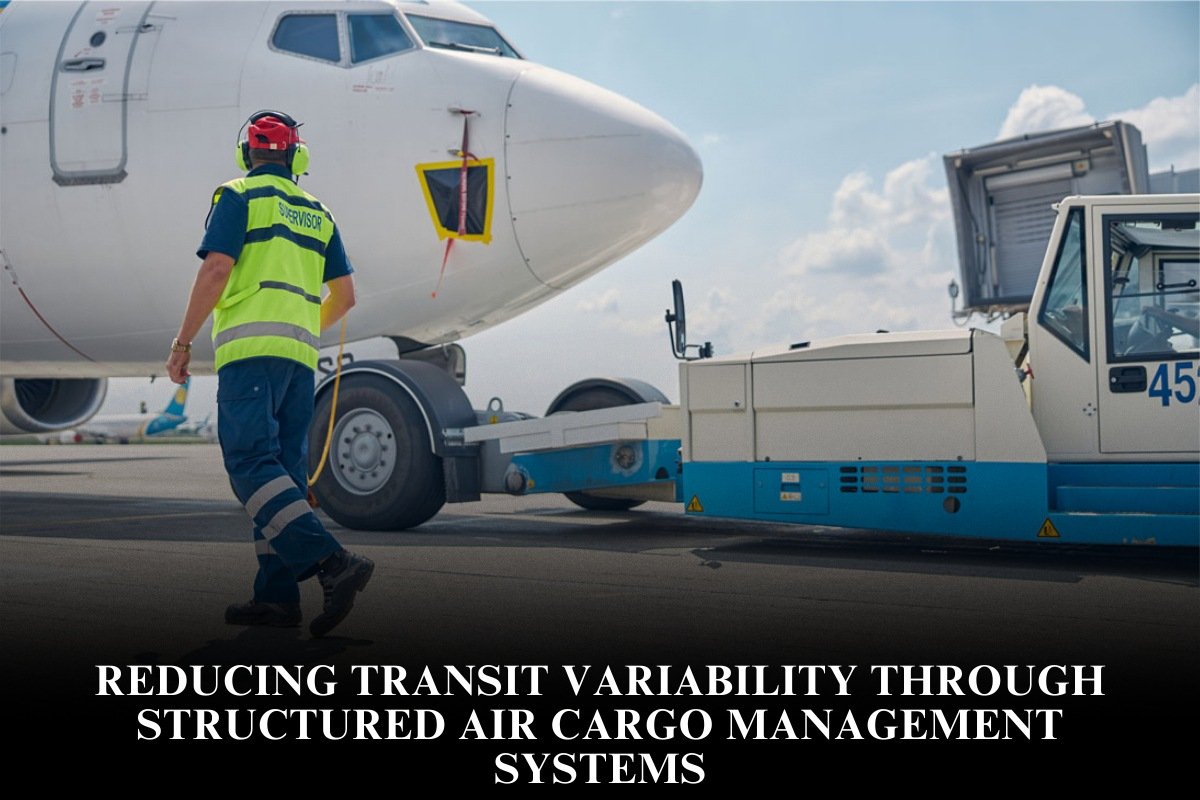
Rapid turnarounds coordinate refueling, maintenance, and cargo transfers without safety compromises—digital checklists ensure routine inspections detect issues pre-flight. Compliance with IATA Cargo Handling Manuals and security protocols (screening, audits) prevents fines and delays.
Carrier Partnerships Strategy
Strong airline relationships secure capacity and rates; diversify carriers for redundancy. Route planning leverages weather data for efficiency, while contingency plans address disruptions like volatility in airspaces.
Risk and Compliance Framework
Regular audits, staff training on regs like PLACI, and insurance cover mitigate supply chain risks. Secure handling for hazmat or high-value goods upholds standards, with contingency planning for bottlenecks.
Best Practices Table
Performance Measurement
KPIs like on-time delivery (OTD >95%), cost per kg, and customer NPS guide continuous improvement. Quarterly reviews refine processes, adapting to 2025 trends like green logistics (emissions tracking).
Scalability for Growth
From SME forwarders to enterprises, modular software scales operations; integrate with PM GatiShakti for Indian hubs. Disciplined execution turns volatility into competitive edge, ensuring dependability worldwide.
FAQs
Why prioritize real-time tracking?
It cuts manual efforts and resolves issues 40% faster via alerts.
How does load planning enhance dependability?
Balances cargo for safe, efficient flights, reducing delays.
Role of automation in air logistics?
Unifies processes, minimizing 30% errors in docs/costing.
What ground ops ensure rapid turnarounds?
Digital checklists and crew coordination keep flights on schedule.
How to build carrier reliability?
Partnerships secure capacity; diversify for redundancy.