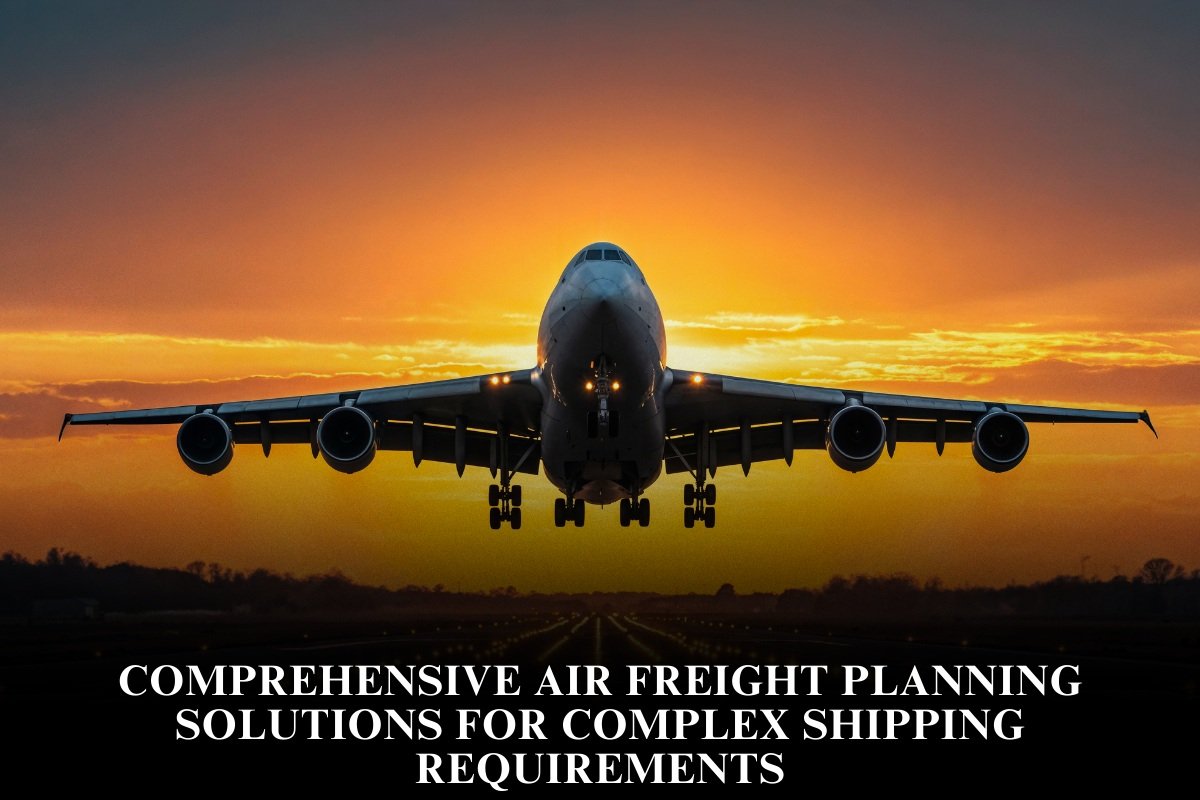
In today’s fast-paced global economy, reliability in air freight is not just a competitive advantage — it is a necessity. Businesses depend on timely deliveries to maintain production schedules, meet customer expectations, and protect brand reputation. While air freight is known for speed, achieving consistent on-time performance requires strategic planning, operational excellence, and strong partnerships.
Why Reliability Matters in Air Freight
Air freight is often used for high-value, time-sensitive, or mission-critical shipments. Delays can result in:
- Production shutdowns
- Missed product launches
- Contract penalties
- Lost customer trust
- Increased logistics costs
Reliability ensures smoother supply chains and strengthens long-term business performance.
Understanding Key Causes of Delays
Before improving reliability, companies must understand common delay factors.
Primary Risk Factors
- Weather disruptions
- Airport congestion
- Customs clearance issues
- Documentation errors
- Capacity shortages during peak seasons
- Ground handling inefficiencies
Addressing these risks proactively is essential for maintaining on-time performance.
Strategic Carrier Selection and Diversification
Choosing the right logistics partners significantly impacts delivery reliability.
Best Practices in Carrier Management
- Partner with reputable airlines with strong on-time performance records
- Diversify across multiple carriers
- Evaluate carrier performance regularly
- Secure guaranteed capacity during peak seasons
| Carrier Strategy | Benefit | Reliability Impact |
|---|---|---|
| Multi-Carrier Approach | Operational flexibility | Reduces disruption risk |
| Long-Term Contracts | Secured space allocation | Improves consistency |
| Performance Scorecards | Continuous evaluation | Drives accountability |
A diversified carrier strategy prevents dependence on a single transport channel.
Accurate and Proactive Documentation Management
Documentation errors remain one of the most preventable causes of delays.
Documentation Best Practices
- Use automated documentation systems
- Conduct pre-shipment audits
- Train staff on international trade regulations
- Verify Harmonized System (HS) codes
- Collaborate with experienced customs brokers
Accurate documentation accelerates customs clearance and reduces inspection delays.
Leveraging Technology for End-to-End Visibility
Technology is a powerful tool for improving reliability in air freight operations.
Key Technology Solutions
- Real-time shipment tracking
- Electronic Data Interchange (EDI) systems
- Predictive analytics for delay forecasting
- Integrated supply chain dashboards
- Automated booking platforms
| Technology | Purpose | Reliability Benefit |
|---|---|---|
| Real-Time Tracking | Shipment monitoring | Early issue detection |
| Predictive Analytics | Weather and congestion forecasting | Proactive rerouting |
| EDI Systems | Faster document exchange | Reduced processing time |
Visibility enables companies to respond quickly to disruptions before they escalate.
Building Strong Freight Forwarder Partnerships
Freight forwarders play a crucial role in coordinating air cargo operations.
Partnership Best Practices
- Select forwarders with global networks
- Establish clear communication protocols
- Conduct regular performance reviews
- Share forecasts to improve capacity planning
- Develop joint contingency plans
Strong collaboration enhances operational alignment and speeds up problem resolution.
Capacity Planning and Seasonal Forecasting
Air freight capacity can fluctuate significantly, especially during peak seasons.
Capacity Optimization Strategies
- Forecast shipping volumes in advance
- Book space early during high-demand periods
- Monitor global cargo trends
- Develop alternative routing options
- Use charter services when necessary
Proactive planning reduces last-minute disruptions caused by limited space availability.
Effective Packaging and Compliance Standards
Improper packaging can lead to shipment rejections, inspections, or damage.
Packaging Best Practices
- Follow airline cargo guidelines
- Use durable, certified packaging materials
- Label shipments clearly and accurately
- Comply with hazardous material regulations
- Conduct quality control checks before dispatch
Proper preparation minimizes delays caused by security or compliance issues.
Risk Management and Contingency Planning
No logistics system is immune to unexpected disruptions. Reliability improves when businesses plan for uncertainty.
Risk Mitigation Framework
- Maintain cargo insurance coverage
- Establish alternative airport options
- Implement emergency rerouting protocols
- Monitor geopolitical and weather conditions
- Develop crisis communication strategies
Preparedness reduces downtime and ensures faster recovery from disruptions.
Monitoring Performance Through KPIs
Continuous monitoring is essential to maintain high reliability standards.
Key Performance Indicators (KPIs)
- On-time delivery rate
- Customs clearance time
- Transit time variability
- Damage rate
- Carrier reliability score
| KPI | Target Benchmark |
|---|---|
| On-Time Delivery | 95% or higher |
| Customs Clearance Time | Within regulatory standards |
| Damage Rate | Below 1% |
Tracking performance allows companies to identify weaknesses and implement improvements.
Continuous Improvement and Operational Excellence
Reliability is not a one-time achievement. It requires ongoing evaluation and refinement.
Continuous Improvement Practices
- Conduct quarterly logistics reviews
- Analyze root causes of delays
- Implement corrective action plans
- Invest in staff training
- Upgrade digital infrastructure
Reliability in air freight is essential for ensuring on-time deliveries and maintaining competitive advantage in global markets. By focusing on strategic carrier selection, accurate documentation, technology integration, capacity planning, and proactive risk management, companies can significantly reduce delays and improve supply chain performance.
Organizations that prioritize reliability not only enhance operational efficiency but also build stronger customer relationships and brand credibility. In an increasingly interconnected world, dependable air freight operations are fundamental to sustainable business success.
FAQs
Q. Why is reliability important in air freight?
Reliability ensures timely deliveries, prevents operational disruptions, and protects brand reputation in competitive global markets.
Q. How can companies improve on-time delivery rates?
By diversifying carriers, leveraging real-time tracking, ensuring documentation accuracy, and implementing proactive capacity planning.
Q. What role does technology play in air freight reliability?
Technology enhances visibility, automates documentation, forecasts potential disruptions, and improves overall operational efficiency.
Q. How can peak season delays be minimized?
Advance forecasting, early space booking, and securing long-term carrier agreements help mitigate peak season disruptions.
Q. What KPIs should companies monitor for air freight reliability?
Key KPIs include on-time delivery rate, customs clearance time, transit variability, damage rate, and carrier performance metrics.