Advancing international commerce relies heavily on expertly managed global air logistics, which delivers speed, reliability, and precision to connect markets worldwide. This article explores how air freight drives trade efficiency for U.S. businesses.
Role in Global Trade
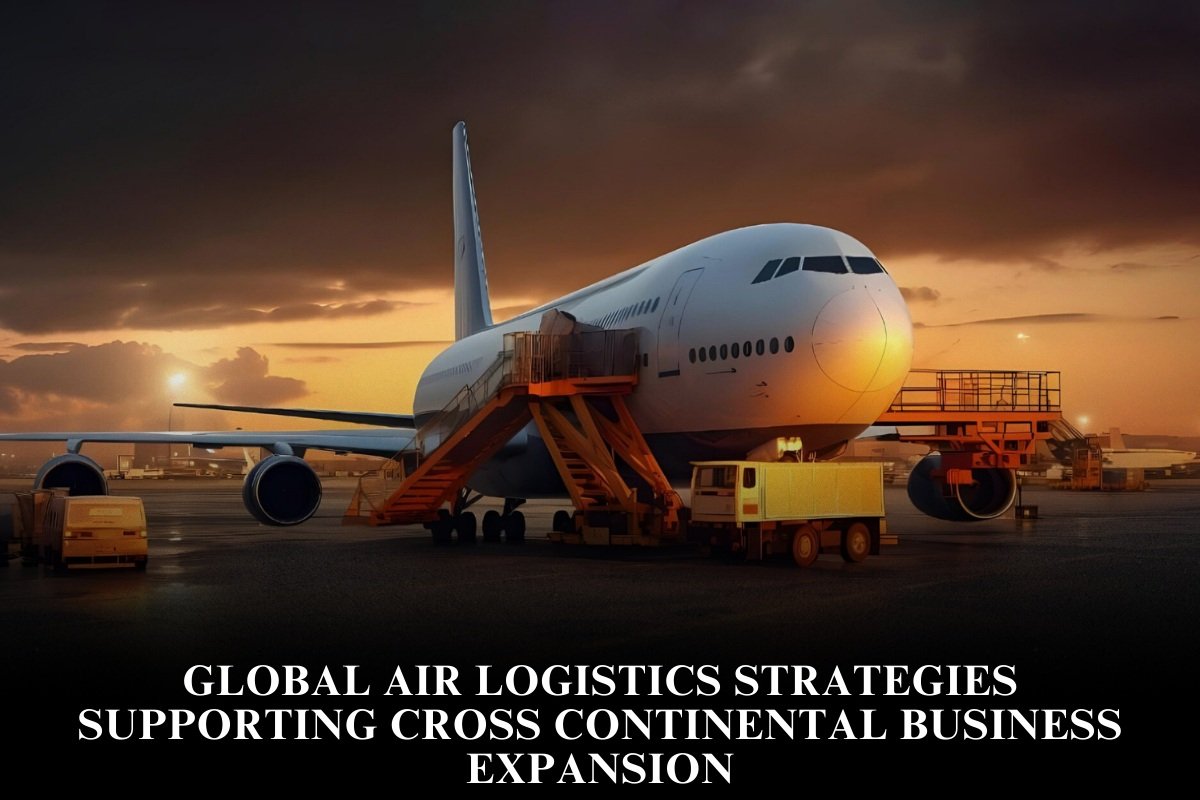
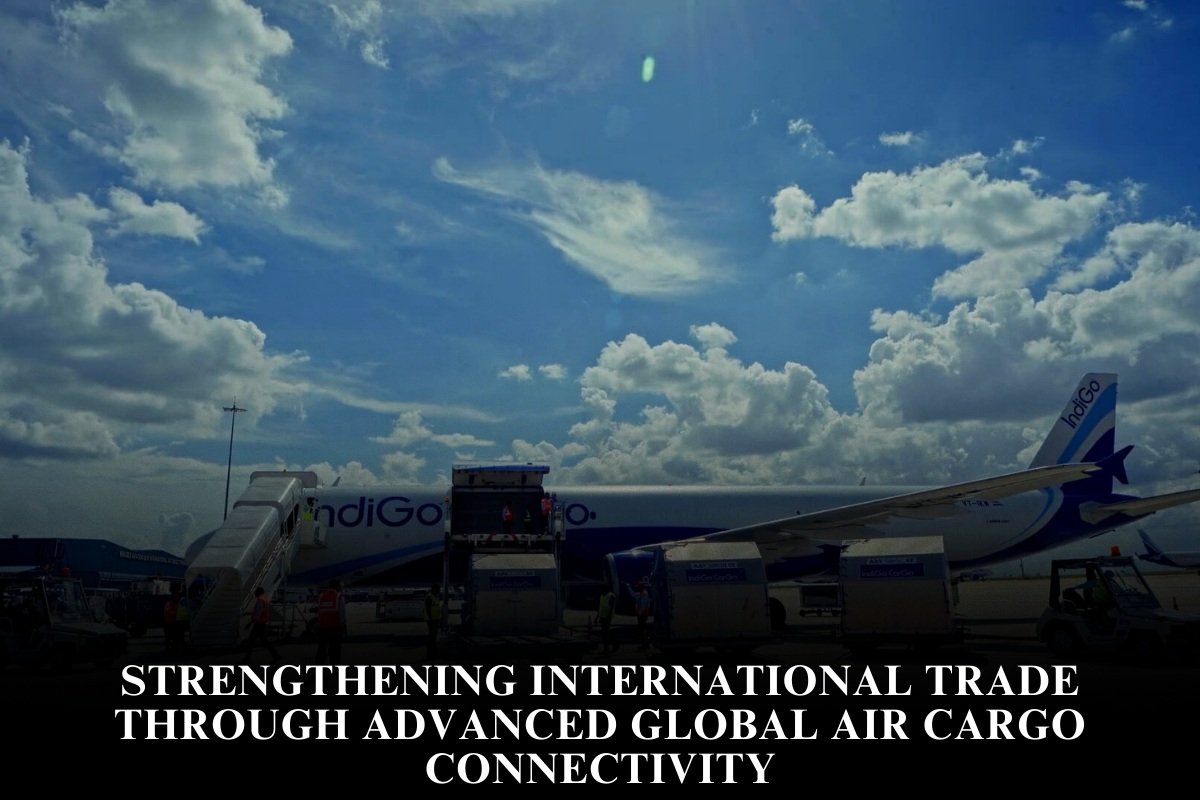
Air logistics forms the backbone of international commerce by enabling rapid movement of high-value goods like electronics, pharmaceuticals, and perishables. U.S. exporters benefit from hubs like Miami and Los Angeles, where advanced cargo terminals handle millions of tons annually, reducing transit times to days instead of weeks. This speed supports just-in-time inventory, cutting costs and boosting competitiveness in fast-paced markets.
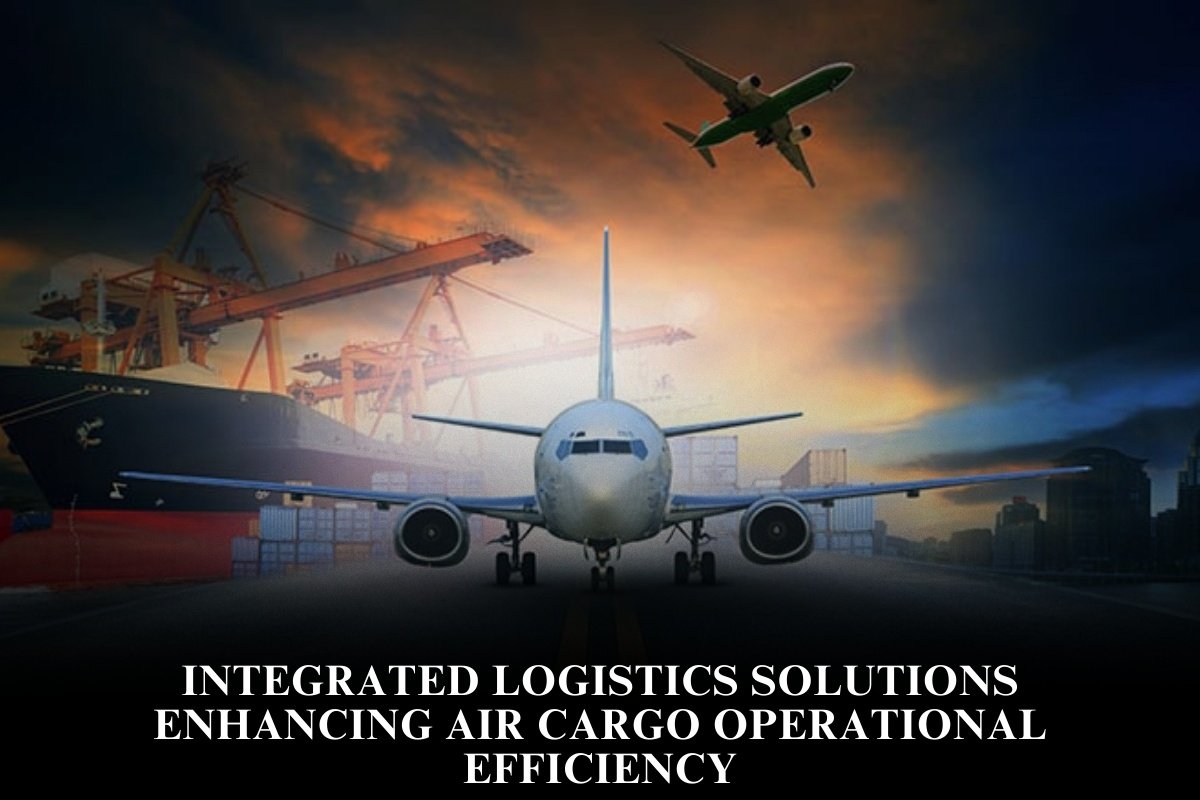
Managed expertly, air networks integrate real-time tracking, automated customs clearance, and predictive analytics to minimize disruptions from weather or geopolitics. For American firms, this means seamless integration with e-commerce giants like Amazon, fueling cross-border sales projected to hit trillions by 2030.
Key Industry Impacts
Pharmaceuticals dominate air cargo due to temperature controls preserving vaccine integrity during global distribution—critical for U.S. biotech leaders shipping to Europe and Asia. Electronics follow, with components flown overnight to assembly lines in China or Mexico, preventing production halts.
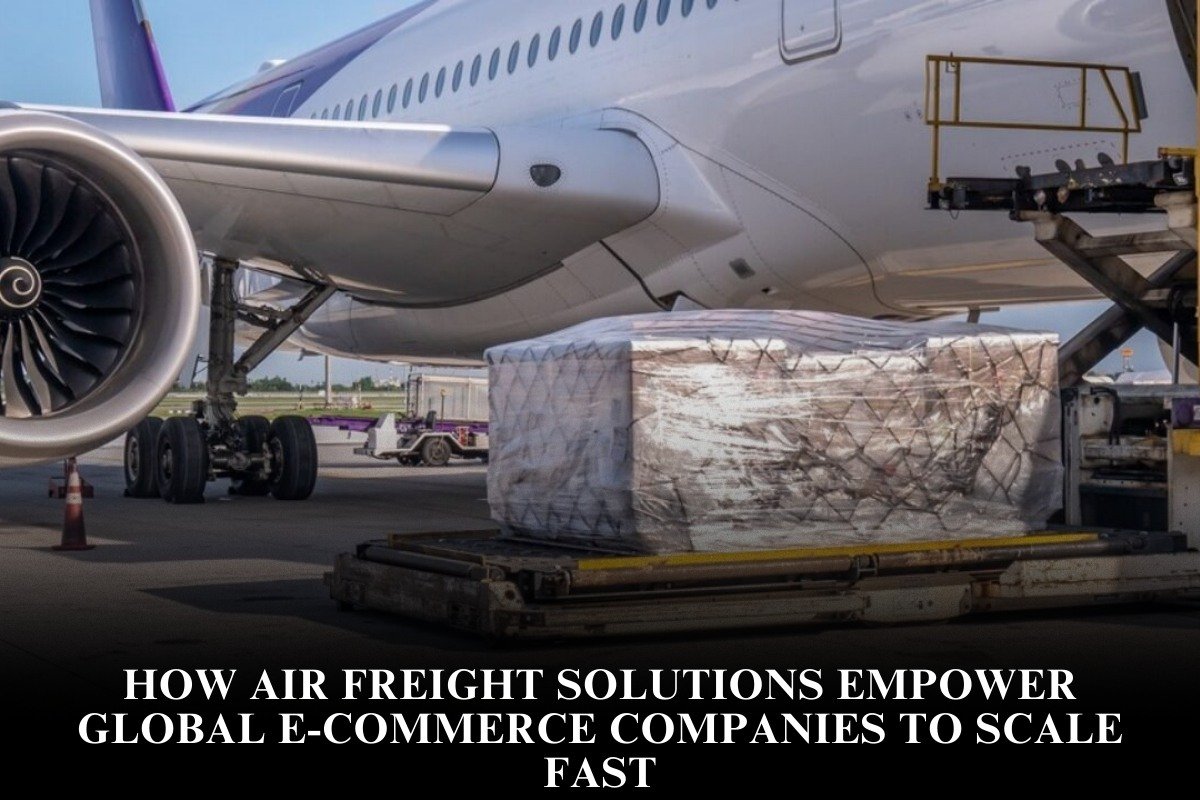
E-commerce thrives on air’s agility; U.S. retailers use it for peak-season surges, like Black Friday, where distributed fulfillment centers near air hubs slash delivery to 2-3 days internationally. Fashion and luxury goods also leverage secure handling to protect high-value items, enhancing brand trust.
Technological Advancements
Digital platforms revolutionize management with AI-driven route optimization and blockchain for documentation, slashing clearance times by 50% at U.S. airports. IoT sensors monitor cargo conditions live, alerting handlers to issues before they escalate.
Automation in hubs like Chicago O’Hare includes robotic sorting and drone-assisted last-mile delivery trials, amplifying throughput. U.S. firms adopting these see 20-30% efficiency gains, per industry reports, positioning them ahead in global races.
Economic Benefits for U.S.
Air freight carries 33% of world trade value despite just 1% of volume, generating billions in U.S. economic activity through jobs at FedEx and UPS hubs. It frees capital by minimizing inventory—lean models save firms up to 25% on storage.
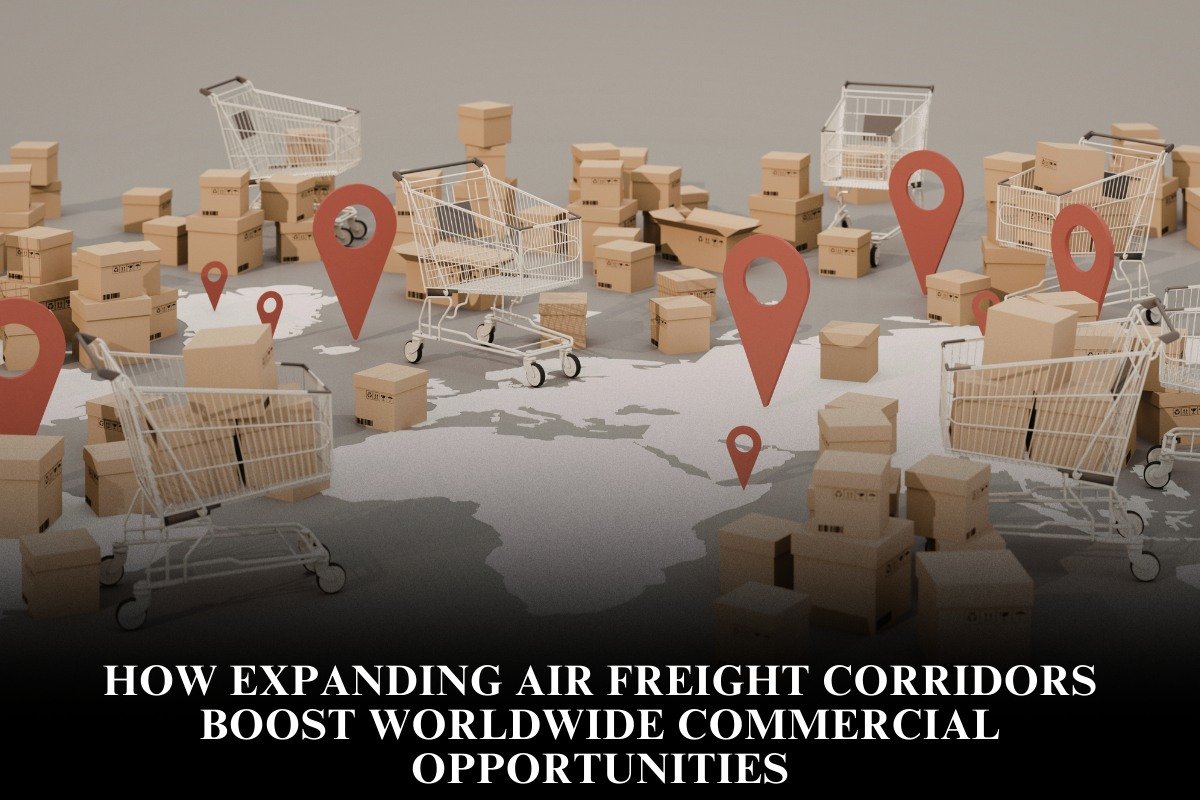
Trade lanes to Asia and Europe drive exports like aircraft parts and medical devices, with air enabling $8 trillion in annual global goods value. For SMEs, affordable consolidators lower entry barriers, expanding U.S. reach without massive upfront costs.
Challenges and Solutions
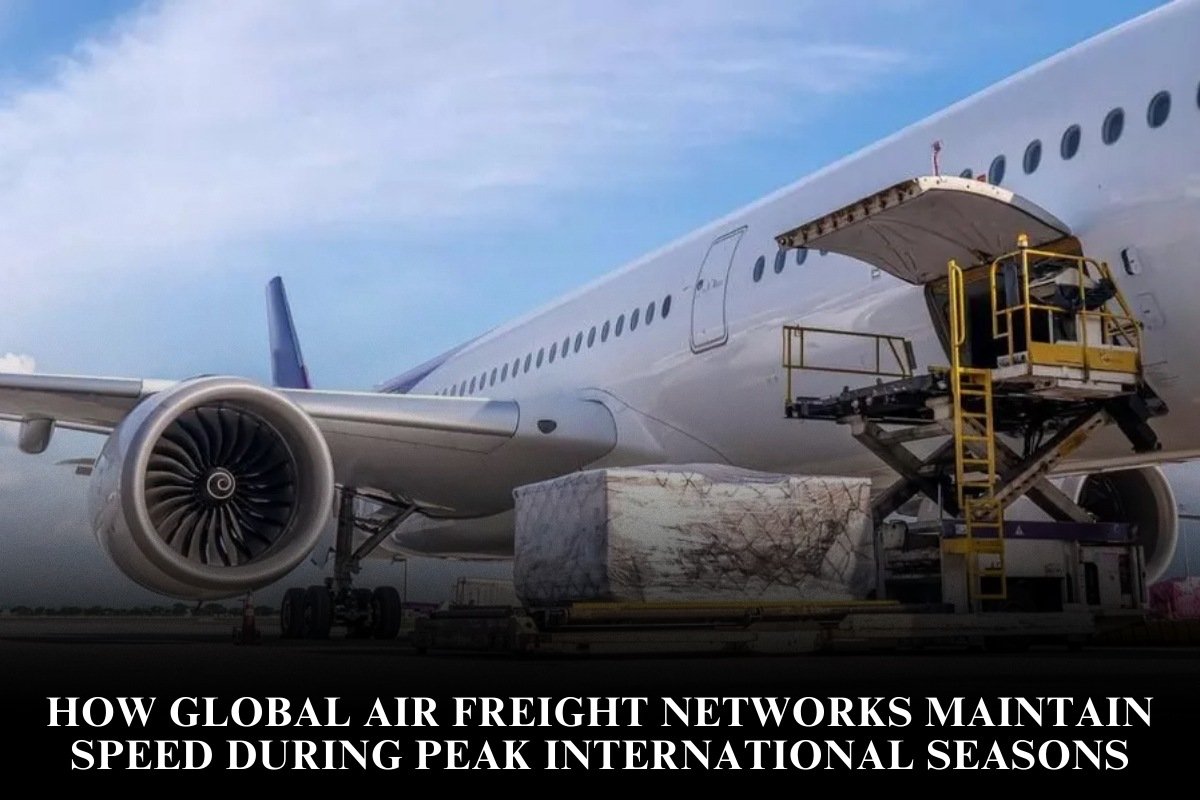
Capacity constraints during peaks strain networks, but diversified carriers and passenger-to-freighter conversions ease pressures. U.S. regulations like TSA screening add rigor, balanced by FAST programs speeding compliant shipments.
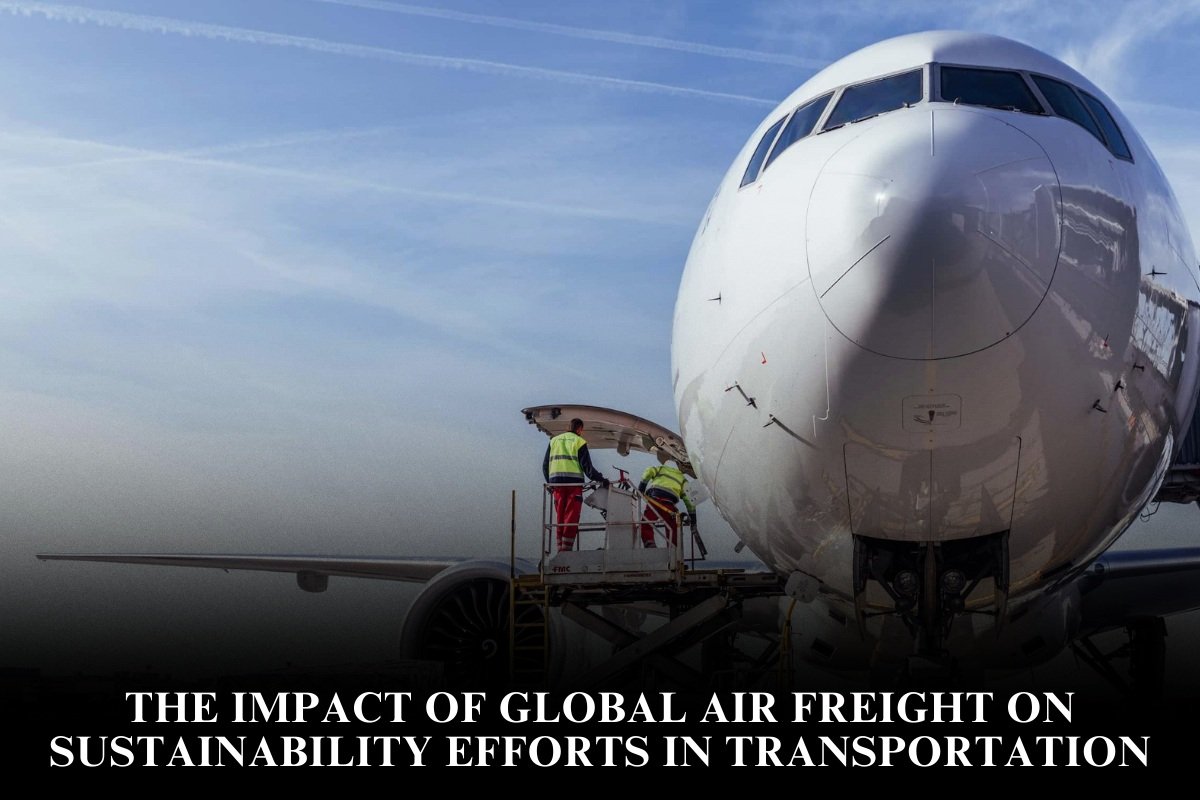
Sustainability pushes electric cargo planes and biofuels, with IATA targeting net-zero by 2050—U.S. leaders like Boeing innovate here. Expert managers mitigate risks via contingency routing, ensuring 99% on-time rates for critical loads.
Future Outlook
Global forwarding markets eye $167 billion by 2032, led by U.S. demand for resilient chains post-disruptions. Air’s edge in e-commerce and high-tech will grow, with hyperscale data centers needing urgent server shipments.
U.S. policy under President Trump emphasizes trade pacts enhancing air routes, promising further commerce acceleration.
FAQs
1. How does air logistics speed up U.S. exports?
It cuts transit to 1-3 days via direct flights and hubs, vital for perishables and tech.
2. What tech improves air cargo management?
AI routing, blockchain docs, and IoT tracking ensure visibility and efficiency.
3. Why prefer air for e-commerce?
Predictable speed meets consumer demands for 2-day global delivery.
4. What are air freight costs versus benefits?
Higher rates offset by inventory savings and revenue from faster markets.
5. How is air cargo becoming sustainable?
Via biofuels, efficient planes, and IATA’s net-zero goals by 2050.