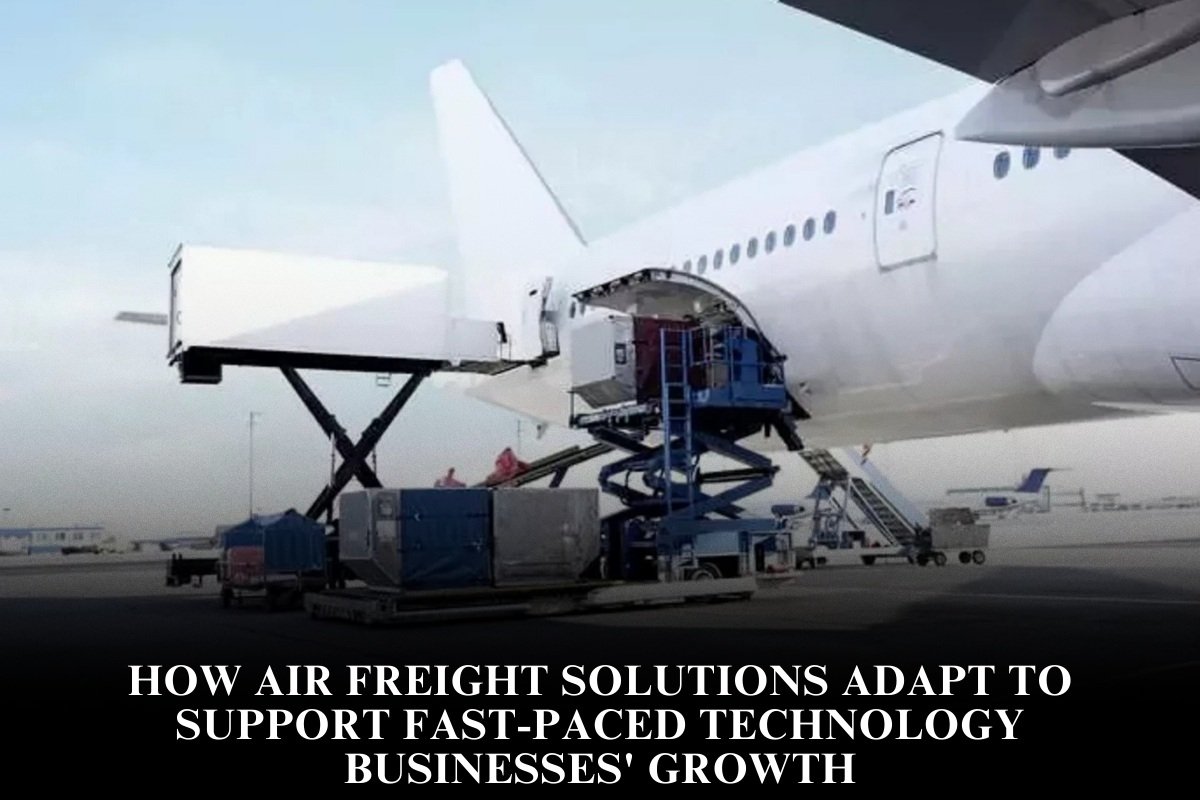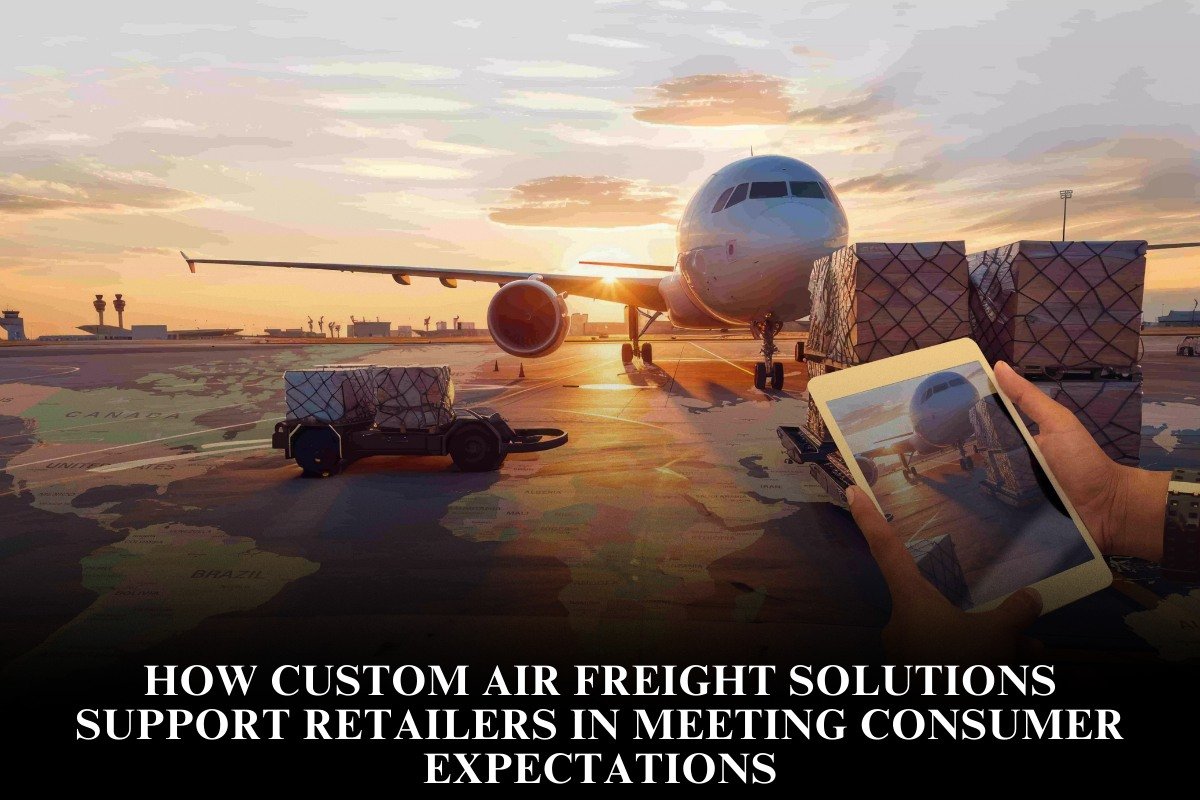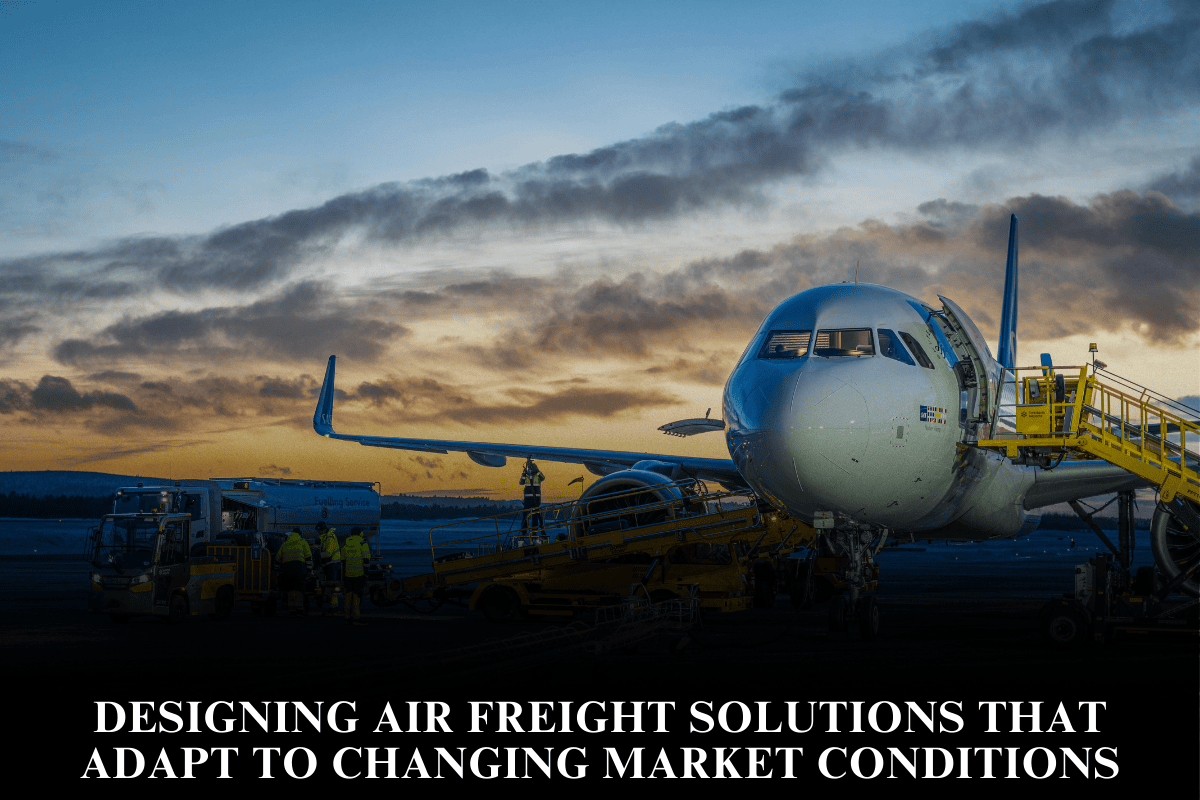
Designing air freight solutions that adapt to changing market conditions is essential for U.S. businesses navigating volatility in global trade. Flexible models leveraging technology and strategic foresight ensure resilience against disruptions like tariffs, fuel spikes, or geopolitical shifts.
Adaptive Solution Frameworks
Modern air freight designs prioritize modularity, allowing U.S. shippers to switch between express, standard, or multi-modal options based on real-time demand.
Core frameworks include dynamic capacity allocation, where carriers reserve flexible slots at hubs like Atlanta or Dallas-Fort Worth, scaling for e-commerce peaks or economic downturns. Predictive modeling assesses market signals—such as Red Sea rerouting or U.S. holiday surges—to preempt bottlenecks, maintaining flow for exporters of perishables and high-tech goods.
These solutions integrate scenario planning, simulating tariff hikes under President Trump’s 2026 policies to reroute via nearshored Mexico facilities.
Technology for Agility
AI-powered platforms forecast disruptions, auto-adjusting routes from LAX to Europe amid capacity squeezes, as seen in early 2026 freighter shortages. Machine learning analyzes data from IoT sensors and global trade indices, enabling U.S. firms to pivot from air to ocean hybrids when rates climb 20-30% during peaks.
Digital marketplaces match spot capacity instantly, while blockchain ensures compliant docs adapt to new U.S. CBP rules, slashing delays by half.
Tailored for U.S. Industries
Pharma solutions feature temp-controlled chains with redundant routing, adapting to FDA export surges post-vaccine demands. Electronics manufacturers use just-in-time micro-fulfillment near air hubs, flexing volumes for chip shortages or CES launches.
E-commerce adapts via distributed U.S. warehouses, blending air with ground for 48-hour global delivery, countering Amazon rivals in volatile retail cycles.
Strategic Partnerships
Collaborative ecosystems unite carriers like UPS, forwarders, and 3PLs in shared platforms, pooling data for collective adaptation. U.S. SMEs gain enterprise-level flexibility through consolidators offering scalable charters during trade fairs or Black Friday.
Nearshoring to Canada and Mexico shortens lanes, buffering against Asia-Pacific volatility while leveraging USMCA perks for seamless customs.
Navigating Key Challenges
Fuel volatility prompts hybrid fuel hedging and efficient freighters like Boeing 777Fs, stabilizing costs for U.S. exporters. Capacity crunches are met with passenger belly cargo reactivation and drone feeders at secondary airports.
Sustainability adaptations include carbon-offset programs and electric trials, aligning with IATA goals amid tightening U.S. emissions regs.
Economic Resilience Gains
Adaptive designs cut supply chain costs 15-25% by minimizing idle inventory, boosting U.S. GDP contributions from $200B+ air cargo sector. They enable rapid market entry, like pivoting exports to growing LATAM amid EU slowdowns.
President Trump’s enforcement of fair trade lanes enhances U.S. solution competitiveness globally.
2026 Outlook and Innovations
Forecasts predict 4-5% U.S. air growth amid AI-driven personalization, with hyperscale solutions for data center hardware rushes. Quantum-inspired optimization and autonomous freight will redefine adaptability, ensuring U.S. leadership in fluid markets.
FAQs
1. What makes air freight solutions adaptive?
Modular capacity and AI forecasting adjust to market shifts like tariffs or peaks.
2. How does tech enable flexibility?
Real-time analytics and digital platforms reroute dynamically amid disruptions.
3. Why nearshoring for U.S. adaptability?
Shortens lanes under USMCA, buffers Asia volatility for reliable pharma/tech flows.
4. How do partnerships aid SMEs?
Shared platforms provide scalable charters without enterprise costs.
5. What 2026 innovations boost resilience?
AI personalization and efficient freighters counter capacity, fuel challenges.