The air freight industry plays a crucial role in the global economy, enabling the movement of goods across borders, connecting manufacturers with consumers, and facilitating international trade. However, the industry is constantly evolving due to changing economic, technological, and geopolitical factors.
Understanding the global cargo trends and their impact on the air freight industry is essential for businesses, logistics providers, and policymakers. This article explores the key trends shaping the future of air cargo and how they are influencing the industry worldwide.
Key Global Cargo Trends Shaping the Air Freight Industry
1. E-Commerce Growth and Its Impact on Air Freight Demand
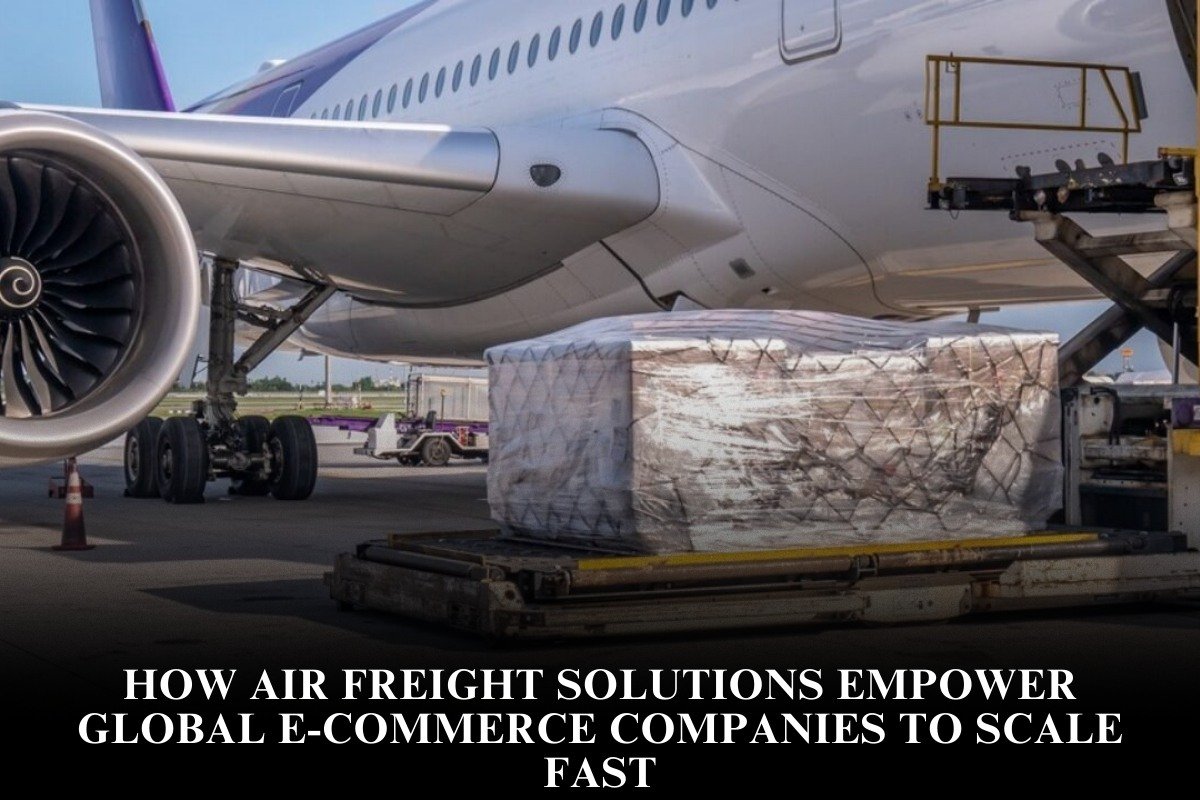
The explosive growth of e-commerce is one of the most significant trends influencing the air freight industry. With more consumers shopping online, the demand for fast, reliable, and efficient delivery services has skyrocketed. E-commerce platforms rely on air freight to meet customers’ expectations for quick delivery times, especially for high-value or perishable goods.
- Faster Delivery Times: E-commerce companies, such as Amazon, are focusing on faster delivery, often requiring air freight to expedite shipments.
- Small Parcel Shipments: A growing number of small parcels are being shipped by air, rather than bulk shipments, adding complexity to logistics management.
- Increased Last-Mile Delivery Demand: The rise of e-commerce has driven demand for efficient last-mile delivery solutions, with air freight providers playing an important role in the initial stages of the shipping process.
2. Digitalization and Automation
Technological advancements are transforming the way air freight operates. The integration of digital technologies and automation is helping companies increase efficiency, reduce costs, and improve visibility in the supply chain.
- Real-Time Tracking and Monitoring: Digital tools enable real-time tracking of cargo, providing both customers and service providers with increased transparency.
- Automated Warehouses and Air Cargo Terminals: Robotics and automation in warehouses are streamlining the handling of goods, reducing human error, and speeding up the loading and unloading processes.
- Blockchain for Security and Efficiency: The use of blockchain technology is enhancing security and transparency in air freight operations, reducing paperwork, and preventing fraud.
These technological innovations are enabling air freight operators to improve operational efficiency and meet the growing demand for faster and more reliable services.
3. Sustainability and Environmental Concerns
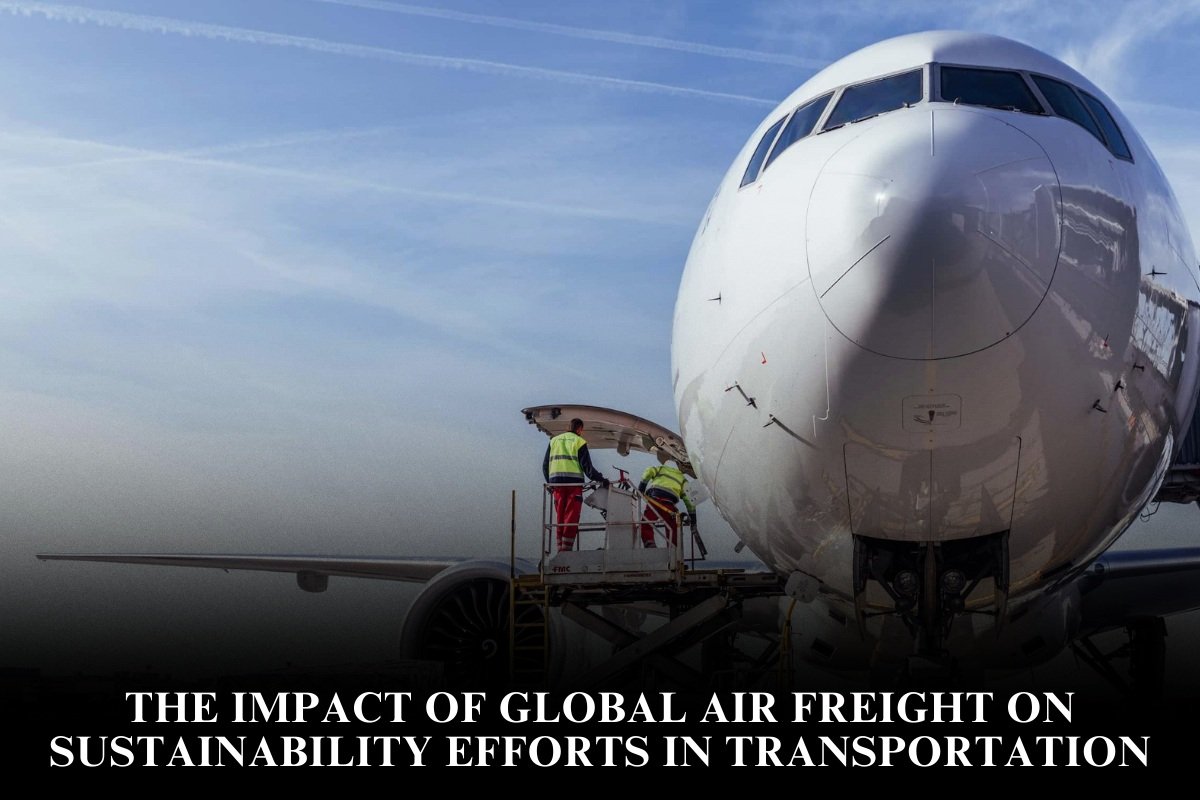
As environmental concerns continue to rise, the air freight industry is under pressure to adopt more sustainable practices. The carbon footprint of air transport is significant, and airlines and logistics companies are exploring ways to reduce emissions and improve sustainability.
- Sustainable Aviation Fuel (SAF): The use of SAF is gaining traction as a way to reduce the carbon footprint of air freight. SAF, produced from renewable resources, offers a greener alternative to traditional jet fuel.
- Carbon Offsetting Programs: Many airlines are implementing carbon offsetting programs to counterbalance their emissions by investing in projects that reduce or capture carbon dioxide.
- Electrification and Hybrid Aircraft: Efforts are underway to develop electric and hybrid aircraft that can reduce emissions for short-haul cargo flights.
Sustainability is becoming a critical factor for businesses and consumers alike, with more companies seeking environmentally friendly logistics solutions to align with global sustainability goals.
4. Changing Geopolitical Dynamics
Geopolitical events, such as trade wars, sanctions, and changes in international relations, have a profound impact on the air freight industry. The air cargo sector is highly sensitive to global political shifts, as these can affect trade routes, regulations, and the flow of goods across borders.
- Trade Wars and Tariffs: Ongoing trade disputes, such as those between the United States and China, can disrupt air freight routes and increase transportation costs due to tariffs and customs delays.
- Brexit: The UK’s exit from the European Union introduced new customs procedures and regulations, affecting air freight operations between the UK and EU countries.
- Supply Chain Shifts: Political instability in certain regions, such as the Middle East or parts of Africa, can lead to disruptions in cargo flows and prompt businesses to reroute their shipments, creating new air freight challenges.
Navigating these geopolitical shifts requires agility from air freight operators, as they must adapt to changing regulations, trade restrictions, and global market demands.
5. Post-Pandemic Recovery and Supply Chain Resilience
The COVID-19 pandemic had a profound impact on global supply chains, including the air freight industry. While the pandemic caused significant disruptions, it also highlighted the critical role of air cargo in maintaining supply chain resilience. In the post-pandemic recovery period, there are several ongoing trends:
- Increased Demand for Medical and Essential Goods: The pandemic increased the demand for air freight services to transport medical supplies, vaccines, and other essential goods quickly.
- Supply Chain Diversification: Companies are seeking to diversify their supply chains to mitigate risks associated with disruptions, such as those caused by the pandemic. This has led to an increase in air freight shipments, as companies seek faster alternatives to ocean shipping, especially for high-value or time-sensitive goods.
- Resilient Logistics Networks: The pandemic underscored the need for more resilient logistics networks, with air freight playing a central role in enabling faster, more reliable global trade.
As businesses emerge from the pandemic, the focus is on building more flexible and robust supply chains that can withstand future shocks.
How These Trends Impact the Air Freight Industry
1. Increased Competition and Market Fragmentation
The rise of e-commerce, coupled with the demand for faster delivery and more sustainable options, has led to increased competition in the air freight industry. Traditional carriers are facing competition from e-commerce giants, such as Amazon, who are building their own air freight networks to meet the growing demand.
- More Air Freight Providers: Smaller, specialized air cargo companies are entering the market to meet specific needs, such as same-day or last-mile deliveries.
- Collaborations and Partnerships: Air cargo carriers are forming partnerships with e-commerce companies, third-party logistics providers, and freight forwarders to expand their service offerings.
This increased competition can drive innovation and improvements in service quality but may also lead to price pressure and thin profit margins for traditional carriers.
2. Capacity Constraints
Air freight capacity is a finite resource, and demand for air cargo services is growing. The expansion of e-commerce and the increasing need for faster, more efficient delivery methods are putting pressure on available air cargo capacity.
- Limited Cargo Space: While passenger flights are starting to return post-pandemic, the capacity for air freight is still constrained, especially with the rise in demand for small parcel shipments.
- Increased Freight Rates: Limited capacity can lead to higher freight rates, making air cargo less affordable for some businesses, especially small and medium-sized enterprises (SMEs).
- Adoption of Innovative Solutions: Airlines and logistics providers are exploring ways to increase cargo capacity, such as converting passenger planes to cargo planes (known as “preighters”) and developing dedicated cargo aircraft.
3. Enhanced Security and Compliance Requirements
As air freight moves more goods globally, stricter security and compliance measures are being put in place to address concerns about terrorism, smuggling, and illegal trade.
- Customs and Regulatory Compliance: Increased regulations around documentation, customs clearance, and trade compliance are driving the need for more efficient customs processes.
- Cargo Security Technologies: Advanced technologies, such as biometric scanners, AI-based cargo tracking systems, and x-ray machines, are being used to ensure the safety and security of air freight shipments.
Adapting to these security and regulatory changes requires significant investment in technology and training for air freight operators.
FAQs
Q. How is the rise of e-commerce affecting air freight?
E-commerce has driven up demand for fast and reliable air freight services, especially for small parcels and last-mile delivery. This shift is leading to more complex logistics and higher pressure on air cargo capacity.
Q. What is the role of sustainability in air freight?
Sustainability is a growing concern in air freight, with airlines and logistics companies exploring alternative fuels, carbon offset programs, and electrification to reduce the environmental impact of air cargo operations.
Q. How do geopolitical tensions affect air freight?
Geopolitical tensions, such as trade wars or sanctions, can disrupt global supply chains, change trade routes, and increase transportation costs. These dynamics force air freight operators to adapt to shifting market conditions and new regulatory environments.
Q. What technological advancements are shaping the air freight industry?
Technological advancements such as real-time tracking, blockchain, automation in warehouses, and sustainable aviation fuel (SAF) are shaping the future of air freight by improving efficiency, transparency, and sustainability.