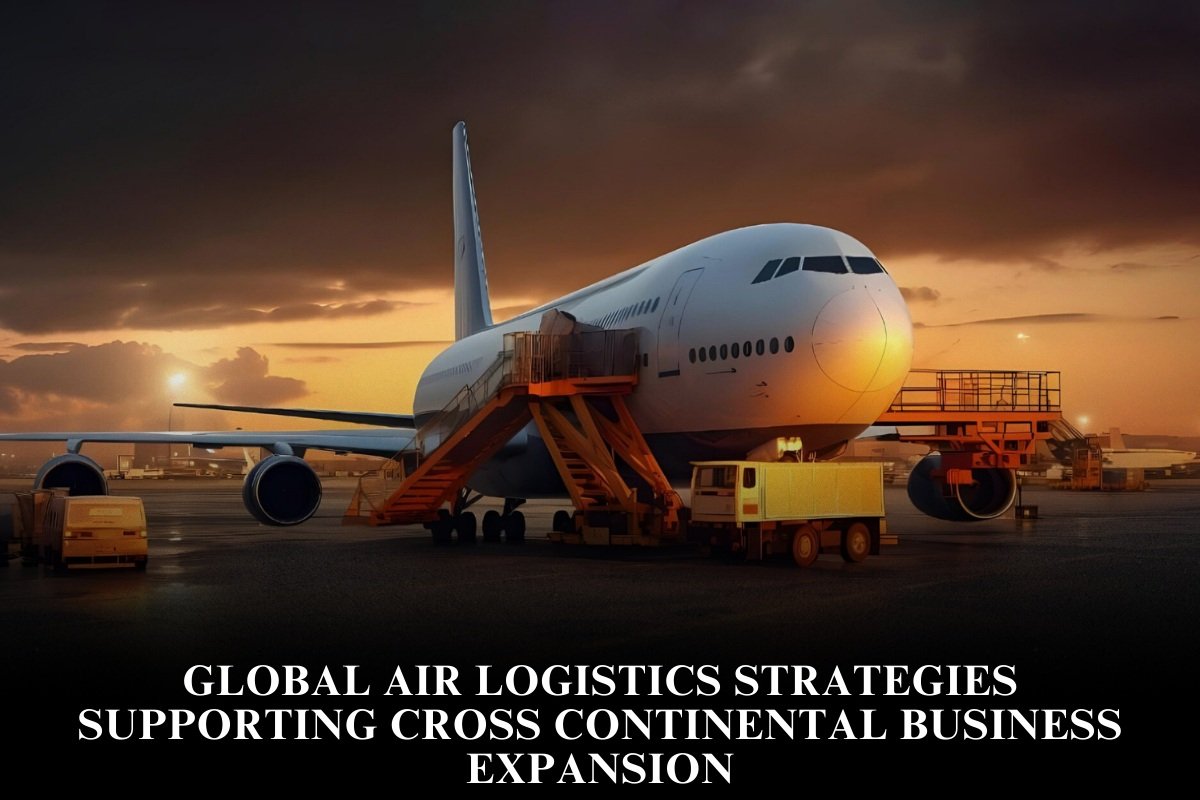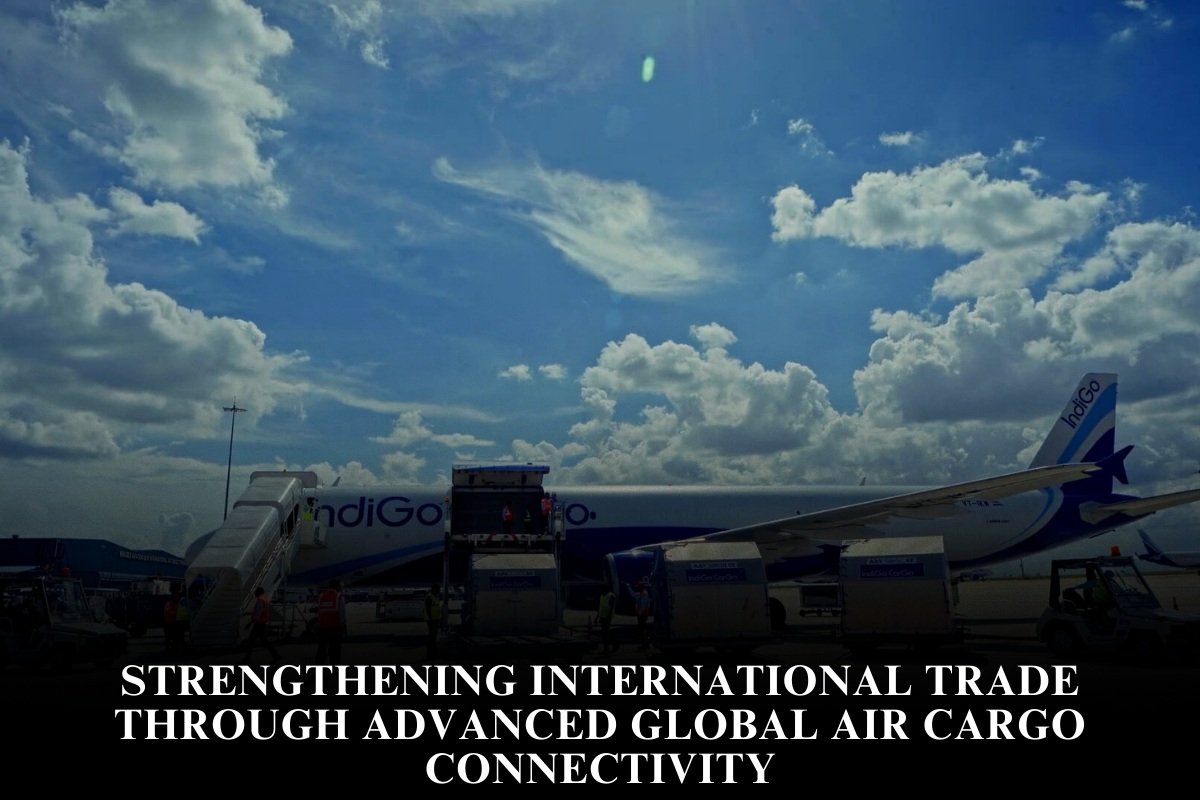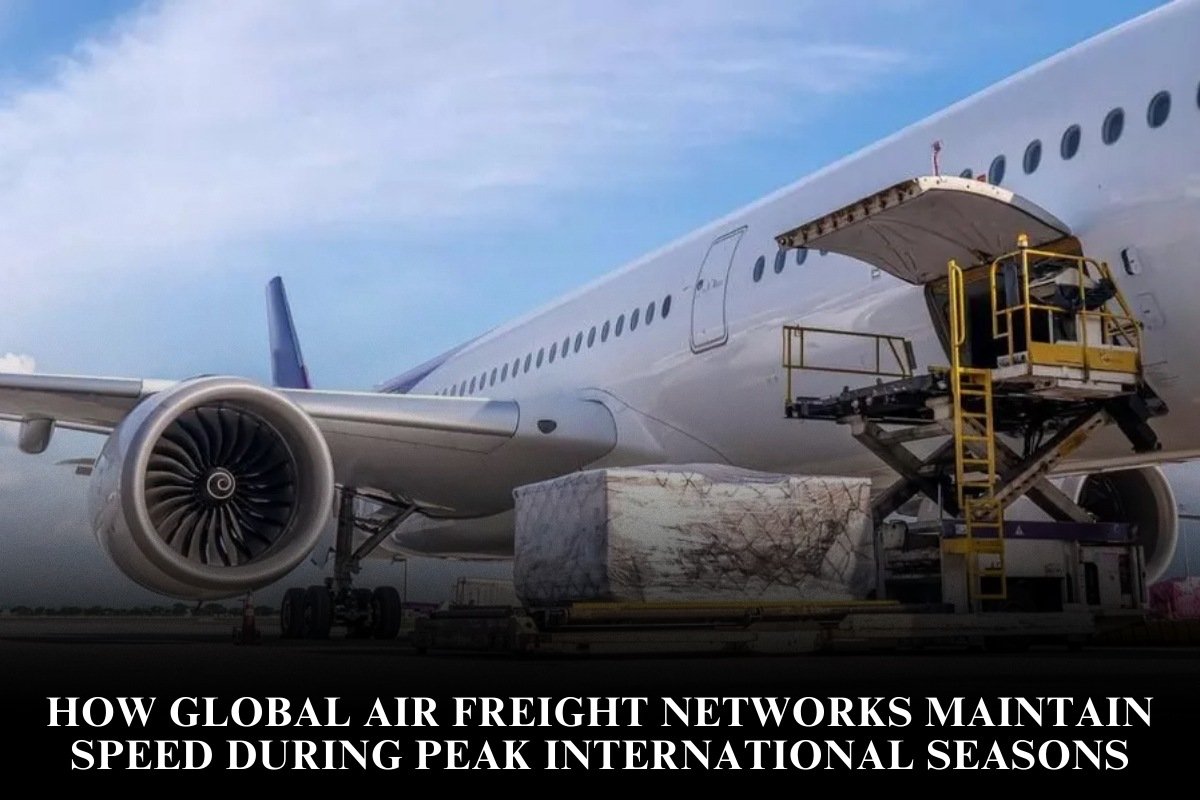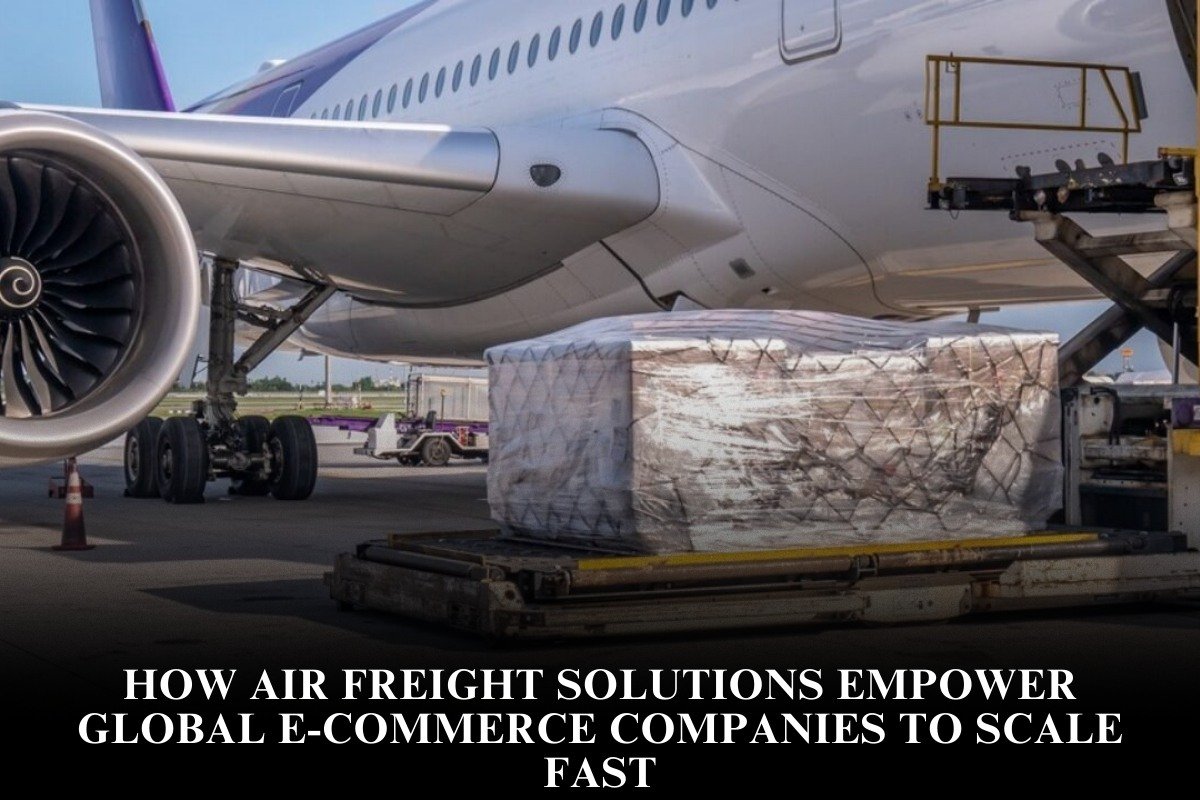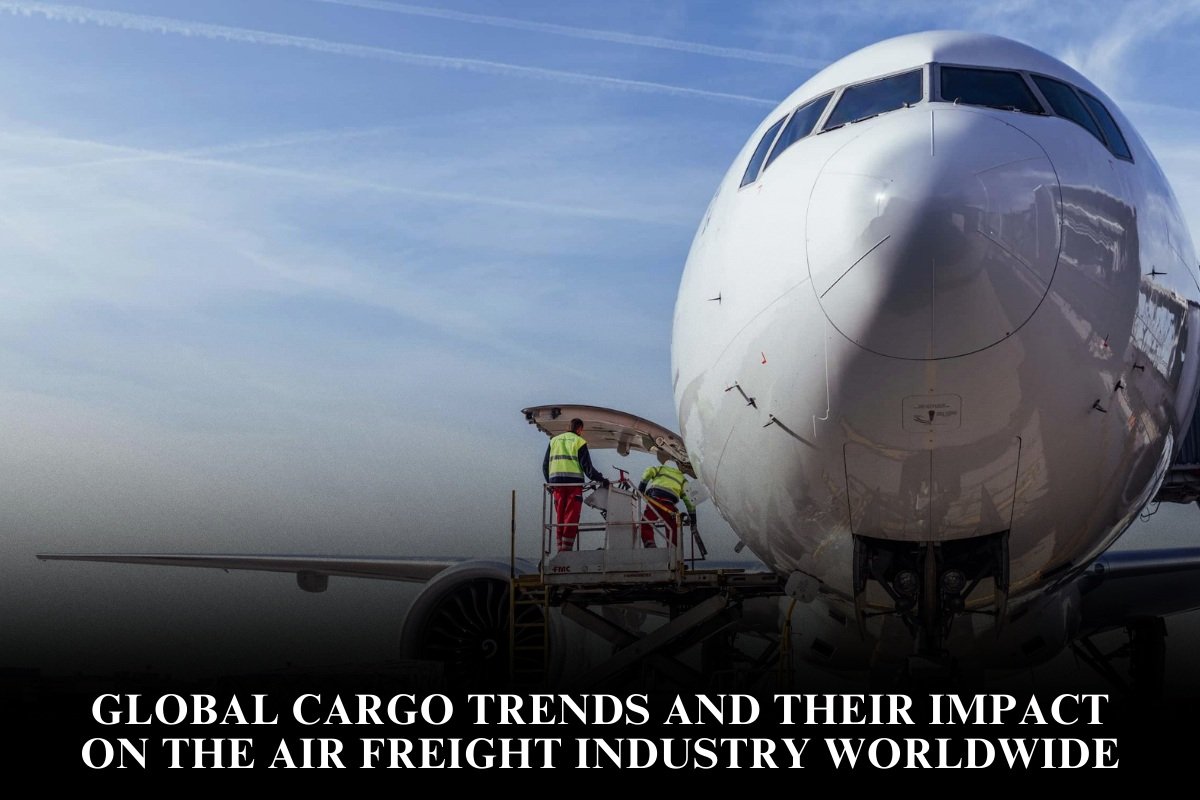
The global air freight industry plays a significant role in the worldwide economy, facilitating the rapid movement of goods across borders, from perishable items like fresh food to electronics and pharmaceuticals.
However, as the demand for fast delivery grows, concerns about the environmental impact of air freight have become increasingly prominent. This sector is often seen as one of the more carbon-intensive forms of transportation due to the high energy consumption and emissions associated with air travel.
Environmental Impact of Air Freight
Air freight contributes substantially to global carbon emissions, particularly when compared to other forms of transportation such as sea freight or rail transport. According to the International Air Transport Association (IATA), the aviation industry is responsible for approximately 2-3% of global carbon dioxide (CO2) emissions.
This proportion is significant, considering the vast network of goods transported globally by air. The emissions primarily come from the combustion of jet fuel, which powers aircraft engines.
Key environmental concerns associated with global air freight include:
- High Carbon Emissions: Airplanes emit large quantities of CO2 and other pollutants like nitrogen oxides (NOx), particulate matter, and water vapor, contributing to global warming and air pollution.
- Resource-Intensive Operations: Air freight requires a large amount of fuel, and the manufacturing, operation, and maintenance of airplanes also demand significant resources.
- Noise Pollution: Aircraft noise is a significant issue around airports, affecting nearby communities and wildlife.
Balancing Efficiency with Sustainability
While air freight is essential for timely delivery, especially in industries like e-commerce, medicine, and food, the sector faces the challenge of balancing efficiency with environmental sustainability. The high speed and reliability of air freight make it indispensable for urgent deliveries, but it is often viewed as an unsustainable option due to its environmental impact.
Technological Innovations and Sustainable Practices
To mitigate the environmental footprint of air freight, several technological advancements and sustainable practices are being explored and implemented:
- Fuel Efficiency and Hybrid Aircraft: New technologies focus on improving fuel efficiency in aircraft. For instance, airlines are investing in more efficient engines, lightweight materials, and aerodynamics to reduce fuel consumption. There is also ongoing research into hybrid-electric and electric-powered aircraft, which could revolutionize the sector by reducing reliance on fossil fuels.
- Sustainable Aviation Fuel (SAF): One of the most promising solutions for reducing emissions in the air freight industry is the adoption of sustainable aviation fuel (SAF). SAF is produced from renewable sources such as agricultural waste, algae, or even CO2 captured from the atmosphere. When used, SAF can reduce carbon emissions by up to 80% compared to traditional jet fuel.
- Carbon Offsetting Programs: Many airlines and freight companies are adopting carbon offsetting initiatives, where they invest in projects that remove or reduce carbon emissions, such as reforestation or renewable energy projects. While carbon offsetting is not a perfect solution, it helps mitigate the environmental damage caused by air freight.
- Efficiency in Freight Logistics: Air freight companies are also looking into optimizing supply chain logistics to reduce empty flights, optimize cargo space, and improve operational efficiency. The use of data analytics and AI-powered routing systems can help streamline operations, reducing fuel consumption and emissions.
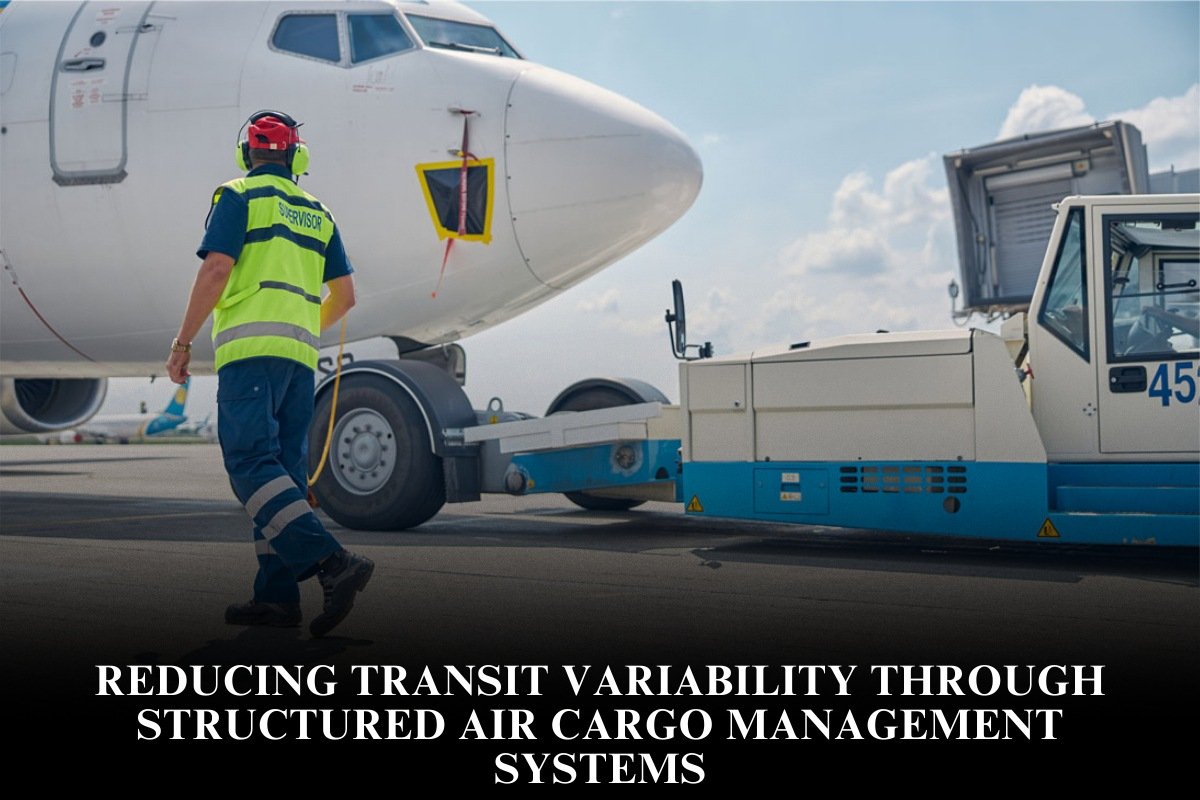
- Electrification of Ground Operations: Airlines and freight companies are transitioning to electric ground handling equipment, such as tugs, cargo loaders, and other airport vehicles, to reduce carbon emissions associated with on-ground operations.
Challenges and Limitations
Despite these advancements, the air freight industry still faces significant challenges in reducing its carbon footprint:
- High Energy Demand: The high energy requirements of air travel make it difficult to transition to fully sustainable operations in the short term. The development and implementation of sustainable alternatives such as SAF and hybrid-electric aircraft are costly and technologically challenging.
- Lack of Standardized Regulations: There is no global standard for carbon emissions in the air freight sector, making it difficult to implement consistent sustainability measures across different countries and regions.
- Cost of Green Technologies: Sustainable technologies like SAF and new aircraft designs are expensive, and the costs often get passed on to consumers. While the benefits of these technologies are long-term, the immediate financial investment remains a challenge.
The Role of Policy and Global Collaboration
To drive sustainability in global air freight, strong policy frameworks and international collaboration are essential. Governments and organizations like the United Nations and IATA have recognized the need for sustainability in the aviation sector.
The Carbon Offsetting and Reduction Scheme for International Aviation (CORSIA), launched by the International Civil Aviation Organization (ICAO), is one such initiative aimed at curbing emissions from international air travel.
Countries and airlines must also work together to standardize regulations around emissions, fuel use, and sustainable practices. Furthermore, incentives for adopting green technologies, such as tax breaks or subsidies for SAF production, could help accelerate the shift toward more sustainable air freight operations.
The impact of global air freight on sustainability efforts remains a critical issue. While air freight plays an essential role in the modern economy, the environmental consequences cannot be overlooked. However, innovations in fuel efficiency, sustainable aviation fuel, and carbon offset programs are helping to mitigate these impacts.
Continued technological advancements, industry cooperation, and policy support will be key to ensuring that air freight can contribute to global trade without undermining sustainability efforts in the long run.
FAQs
Q1: How does air freight impact the environment?
A1: Air freight contributes to high carbon emissions, noise pollution, and significant fuel consumption. It accounts for approximately 2-3% of global CO2 emissions.
Q2: What are sustainable aviation fuels (SAF)?
A2: SAF is made from renewable sources like agricultural waste or algae and can reduce emissions by up to 80% compared to traditional jet fuel.
Q3: How can airlines reduce their environmental impact?
A3: Airlines can adopt fuel-efficient technologies, use SAF, offset carbon emissions, optimize logistics, and electrify ground operations to reduce their carbon footprint.
Q4: What is the role of the government in improving air freight sustainability?
A4: Governments can support the air freight industry by implementing regulations, offering incentives for green technologies, and collaborating with international organizations to create global sustainability standards.
Q5: What is the future of sustainable air freight?
A5: The future of sustainable air freight lies in the development of hybrid-electric aircraft, widespread SAF adoption, and continued technological innovation in the areas of fuel efficiency and logistics optimization.