Global air freight networks are crucial for the fast-paced movement of goods, especially during peak international seasons like holiday shopping, Chinese New Year, and back-to-school periods. During these times, the demand for quick and efficient delivery skyrockets, and air freight networks must work diligently to maintain speed, efficiency, and reliability. So, how do these networks stay on track when the pressure is on?
1. Optimized Routing and Scheduling
Air freight companies work hard to optimize their flight schedules and routes to meet the increased demand during peak seasons. Key strategies include:
- Increased Frequency of Flights: During high-demand periods, airlines often increase the frequency of flights on popular trade routes. More frequent flights ensure faster deliveries, reducing the risk of delays.
- Utilizing Hub-and-Spoke Networks: Many international air freight operations use a hub-and-spoke system, where shipments are transported to major hubs before being redistributed to final destinations. This system allows for more efficient transfers, reducing transit times.
- Data-Driven Routing: Companies use advanced data analytics to predict demand spikes and adjust routes accordingly. AI-powered routing can analyze past shipment data, weather patterns, and traffic at key airports to avoid delays and optimize load distribution.
2. Partnerships with Airlines and Ground Services
To ensure timely deliveries, global air freight networks often rely on strategic partnerships with airlines, ground service providers, and even customs agencies. These relationships are vital for maintaining speed during busy periods.
- Dedicated Aircraft and Freight Services: During peak seasons, airlines may dedicate specific aircraft for freight, ensuring that these flights can focus solely on transporting goods. This reduces the risk of passenger flights taking precedence over cargo.
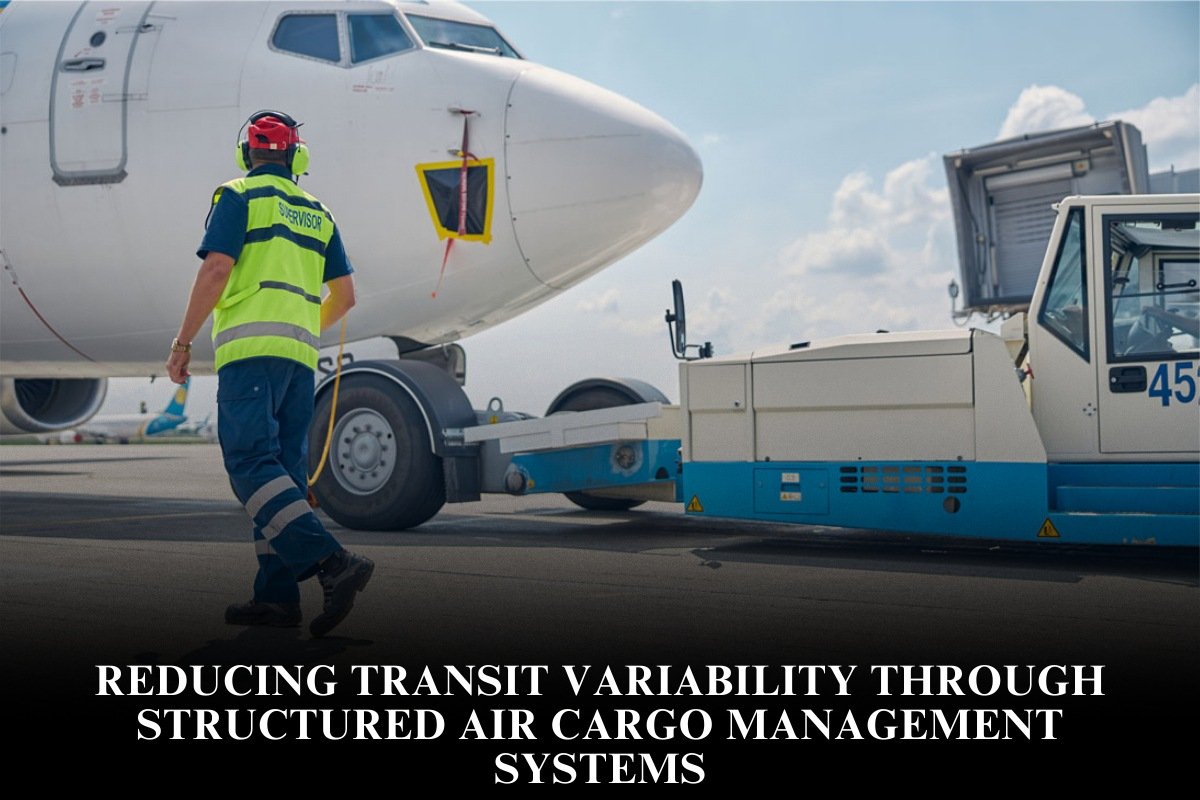
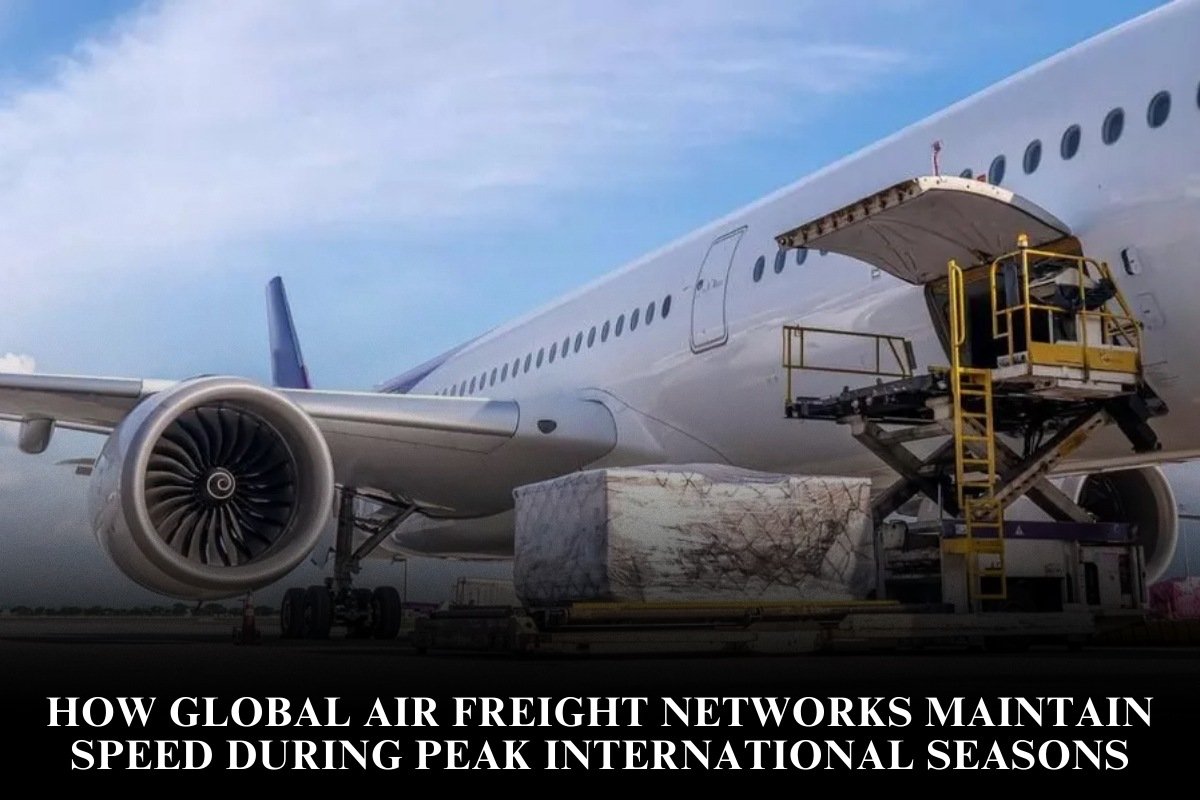
- Streamlined Ground Operations: Faster turnaround times at airports are essential. Freight companies work closely with ground handlers to ensure that goods are unloaded, processed, and reloaded quickly. This includes having more staff and equipment on hand to handle the surge in cargo.
- Pre-clearance and Fast-Track Customs: In many cases, air freight companies work with customs authorities to streamline procedures. Pre-clearance allows goods to pass through customs faster, reducing delays at arrival points and ensuring goods reach their destinations on time.
3. Use of Technology and Automation
Technology plays an enormous role in maintaining speed during peak seasons. Modern air freight networks leverage a range of technological tools to enhance efficiency:
- Real-Time Tracking Systems: Air freight networks use real-time tracking systems that provide visibility into the location and status of shipments at all times. These systems enable freight forwarders and customers to make quick decisions, allowing adjustments to be made if delays or issues arise.
- Automation at Sorting Facilities: Automated sorting systems at warehouses and hubs help speed up the handling of goods. Robotics and conveyor belts enable quick sorting, packaging, and shipping, allowing more goods to be processed in less time.
- Predictive Analytics: Freight companies are increasingly using predictive analytics to forecast peak periods, weather disruptions, and even disruptions due to supply chain issues. These insights help them prepare and adapt quickly, ensuring that delays are minimized.
4. Flexibility and Contingency Planning
During peak seasons, unexpected disruptions such as weather events, strikes, or even technical issues can occur. To maintain speed and avoid delays, air freight networks have robust contingency plans in place:
- Flexibility in Transportation: In some cases, air freight networks can shift shipments between different modes of transport, such as from air to sea or rail, if delays occur. This multi-modal flexibility allows companies to adapt quickly and maintain delivery timelines.
- Backup Plans for Delays: During peak periods, backup systems are set up to deal with delays. Whether it’s additional cargo storage or extra handling staff, air freight networks are well-prepared to act fast when unexpected situations arise.
- Flight Diversions and Alternate Airports: If weather or other factors cause congestion at a major airport hub, airlines and freight carriers can divert flights to alternate airports for unloading and sorting. This helps minimize delays at critical chokepoints.
5. Enhanced Customer Communication
Keeping customers informed is critical during peak international seasons. Air freight networks ensure transparency with their clients by:
- Providing Real-Time Updates: Customers are kept informed about the status of their shipments through tracking platforms and automated notifications, ensuring that they are aware of any delays or changes to their delivery timeline.
- 24/7 Customer Support: Air freight companies offer round-the-clock customer service during peak seasons to address any concerns or issues. Quick communication helps resolve problems and keeps shipments on track.
6. Increased Workforce and Resources
As demand surges during peak periods, air freight networks scale up their operations by:
- Hiring Temporary Staff: Additional staff are often brought on board to handle the increased workload, including warehouse workers, logistics experts, and customer service agents.
- Expanded Warehouse Capacity: Temporary warehouses or distribution centers may be set up to handle the increased flow of goods, especially for short-term seasonal demands.
7. Integration with E-Commerce Giants
With the rise of e-commerce, air freight networks are closely aligned with retailers like Amazon, Alibaba, and eBay to ensure the swift movement of goods. These collaborations allow for direct integration between freight carriers and online platforms, enabling:
- Faster Order Fulfillment: E-commerce giants can more efficiently handle high-volume orders by leveraging air freight networks’ speed and flexibility during peak seasons.
- Global Distribution Channels: By integrating with international shipping companies, air freight networks can provide seamless global distribution, ensuring timely deliveries across borders and across the world.
As global trade continues to expand, maintaining speed and efficiency during peak international seasons is crucial for the air freight industry. Through technological advancements, strategic partnerships, contingency planning, and scalable operations, air freight networks ensure they can meet the growing demand for fast deliveries without compromising on quality or reliability. Despite challenges, these networks continue to evolve, ensuring that goods arrive on time, even during the busiest periods.
FAQs
Q1: How does air freight maintain speed during peak seasons?
A1: Air freight maintains speed by optimizing flight routes, increasing the frequency of flights, leveraging automation in sorting, and enhancing communication between customers and logistics teams. They also ensure flexibility in operations to handle disruptions.
Q2: How are air freight networks prepared for unexpected delays during peak seasons?
A2: Air freight networks prepare by having contingency plans in place, including backup flights, alternate airports, and the ability to switch to multi-modal transport like rail or sea if necessary.
Q3: What technologies are used to ensure fast deliveries?
A3: Technologies like real-time tracking systems, predictive analytics, automation in sorting facilities, and AI-powered routing help optimize the speed and efficiency of air freight services.
Q4: How do partnerships with e-commerce giants impact air freight during peak seasons?
A4: Partnerships with e-commerce giants allow air freight networks to manage high volumes of goods more efficiently, providing faster fulfillment and global distribution for online retailers during busy periods.