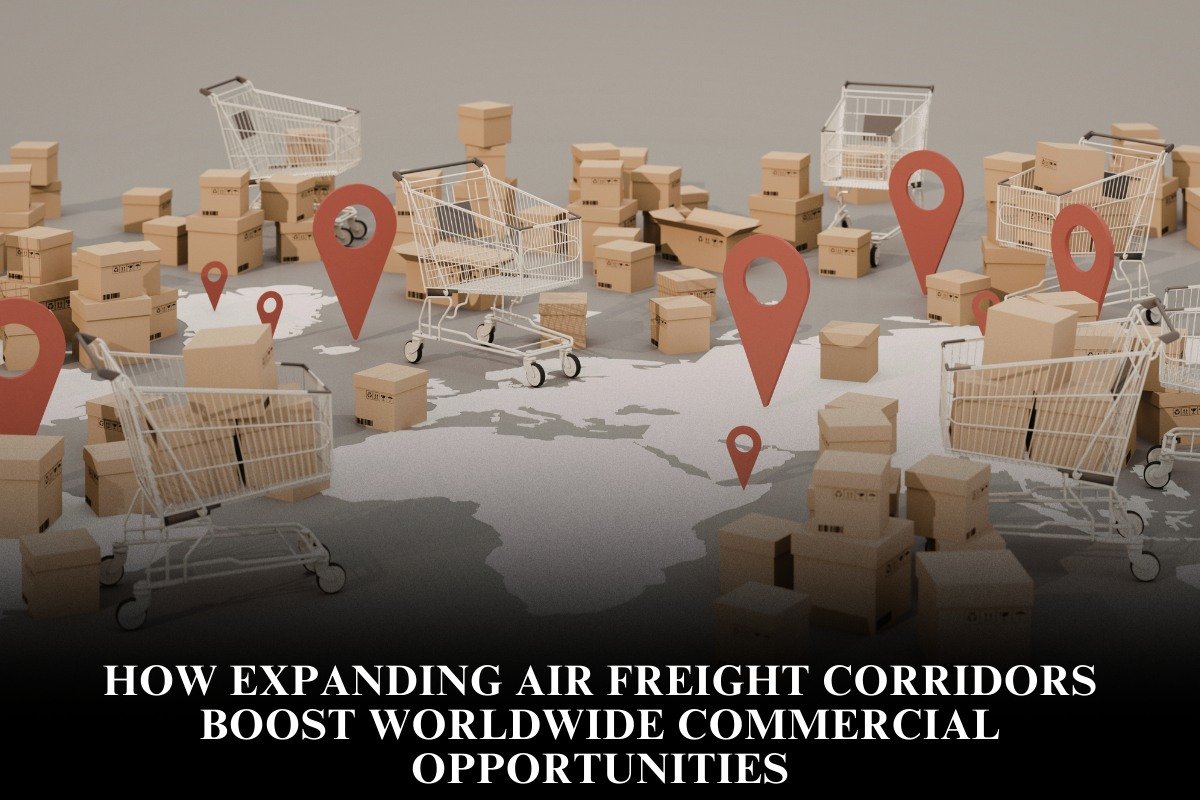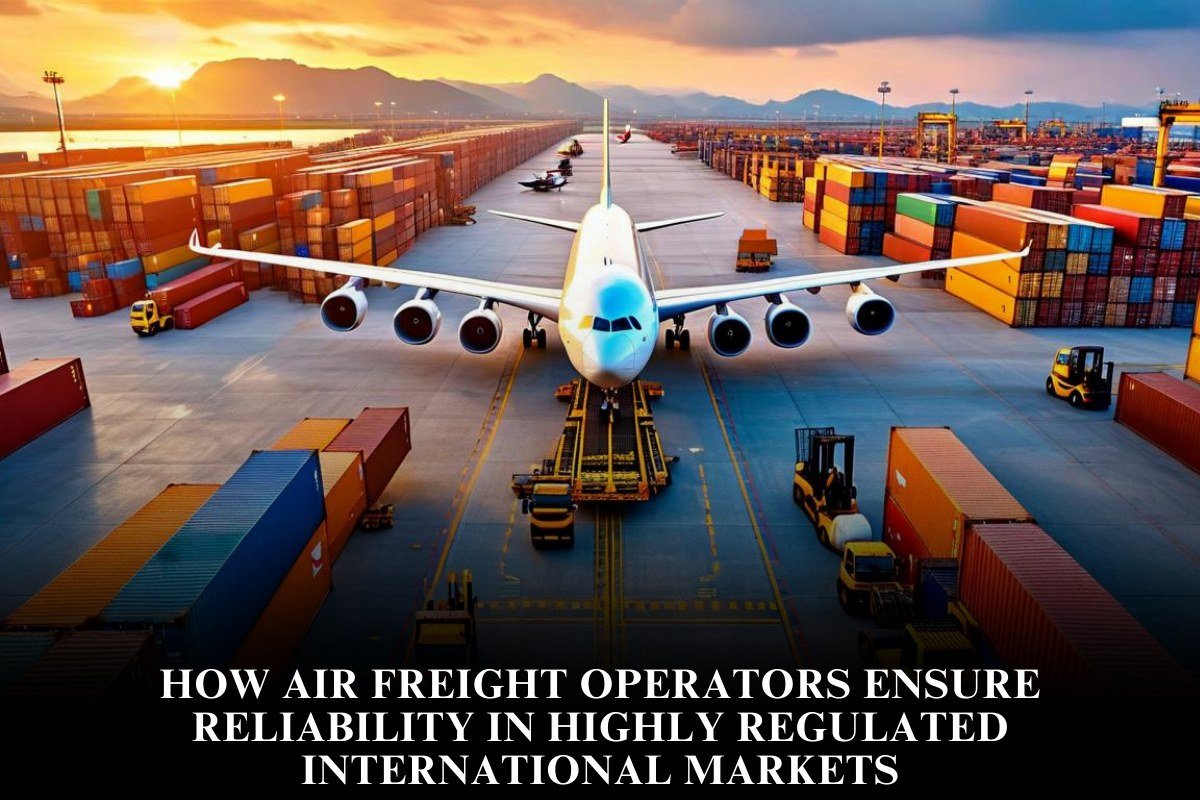
Air freight operators play a critical role in global trade by enabling the swift and efficient transportation of goods across borders. However, the complexity and scale of international shipping come with significant challenges, particularly in highly regulated markets.
These markets are subject to a variety of rules and regulations aimed at ensuring safety, security, environmental sustainability, and compliance with customs procedures. To remain competitive and deliver reliable services, air freight operators must navigate these regulations while maintaining speed, efficiency, and consistency.
1. Adherence to International Regulations
Air freight operators must comply with a range of national and international regulations to ensure safe and efficient transport. These regulations are designed to address safety, security, customs, and environmental concerns.
- International Civil Aviation Organization (ICAO) Standards: Air freight operators must adhere to ICAO guidelines, which set global standards for aviation safety, air traffic control, aircraft maintenance, and crew training.
- Customs Regulations: Operators must comply with customs laws in every country they operate in. This includes proper documentation for goods crossing borders and ensuring that all necessary duties and taxes are paid. Customs regulations vary widely between countries, and failure to meet these requirements can lead to delays, fines, or confiscations.
- Dangerous Goods Regulations: The IATA Dangerous Goods Regulations (DGR) govern the transport of hazardous materials, such as chemicals or flammable goods. Operators must ensure compliance to avoid risks to safety and the environment.
- Environmental Regulations: Air freight operations are also impacted by regulations aimed at reducing environmental impact, including carbon emissions and noise pollution. The adoption of sustainable aviation fuels (SAF) and improvements in fuel efficiency are key steps in meeting these regulatory demands.
2. Robust Compliance Management Systems
In highly regulated international markets, reliability relies heavily on strong compliance management systems. These systems ensure that air freight operators are consistently following the required regulations and guidelines:
- Training and Certification: Operators provide regular training to their staff on changing regulations, such as customs procedures, safety standards, and environmental policies. This includes training for pilots, ground handlers, and customs brokers to ensure compliance at every step of the process.
- Digital Documentation and Tracking: With the help of electronic data interchange (EDI) and track-and-trace technologies, air freight companies can maintain accurate records for every shipment. This allows them to stay compliant with customs requirements and reduce the risk of human error.
- Regular Audits: Compliance audits help identify gaps in processes and ensure that all teams and operations meet industry standards. These audits are particularly important in international markets, where regulations may differ from one country to another.
3. Efficient Supply Chain Collaboration
Given the complexity of international logistics, air freight operators often rely on extensive collaboration across the supply chain to ensure reliability:
- Partnerships with Customs Authorities: Air freight operators work closely with customs authorities in multiple countries to ensure smooth cross-border shipments. This collaboration ensures that shipments are processed quickly and in compliance with the applicable regulations.
- Integration with Other Transport Modes: Often, air freight is part of a broader multimodal logistics solution, which may involve land or sea transport. Operators must collaborate with rail companies, trucking firms, and shipping lines to ensure seamless transitions between transport modes, reducing delays and improving overall reliability.
- Third-Party Logistics Providers (3PL): Many air freight operators partner with 3PL companies that offer specialized expertise in regulatory compliance, warehousing, and distribution. These partnerships allow air freight operators to offload certain responsibilities and ensure compliance with specific regulations.
4. Technology Integration for Tracking and Transparency
Air freight operators are increasingly relying on technology to ensure reliability and compliance in highly regulated international markets. The use of advanced software and real-time data enables operators to meet regulatory demands while improving operational efficiency.
- Real-Time Shipment Tracking: Through RFID technology, IoT devices, and cloud-based systems, air freight operators can monitor shipments at every stage of their journey. This technology provides full transparency to both operators and customers, helping to reduce errors and ensuring that shipments remain compliant with regulations.
- Automated Compliance Systems: Many operators utilize automated systems that verify regulatory compliance during the booking and shipment process. These systems check for any discrepancies, such as incorrect customs documentation or missing permits, before a shipment is dispatched.
- Digital Platforms for Customs Clearance: Some operators use digital customs platforms to streamline clearance procedures and avoid delays. These platforms allow for the submission of required paperwork electronically and facilitate faster processing at border crossings.
5. Risk Management and Contingency Plans
In highly regulated markets, unexpected disruptions—such as customs delays, natural disasters, or political changes—can have significant consequences. To ensure reliability, air freight operators implement risk management and contingency plans:
- Contingency Plans for Regulatory Delays: Operators prepare backup plans in case of unexpected delays at customs or in response to sudden regulatory changes. This may involve having alternative routes or airfreight options on standby, as well as backup personnel to handle urgent issues.
- Insurance and Liability: Operators also maintain strong insurance policies to protect against potential risks, including loss of goods due to regulatory or customs-related issues. This ensures that customers are compensated for any losses that may occur during the shipping process.
- Diversification of Operations: To mitigate risk in highly regulated markets, many air freight operators diversify their operations by expanding into different regions or markets. This approach helps reduce the potential impact of sudden regulatory changes or geopolitical issues in a specific region.
6. Commitment to Sustainability and Regulatory Adaptation
As regulations around environmental impact become stricter, air freight operators are increasingly adopting sustainable practices to comply with global standards:
- Adopting Sustainable Aviation Fuel (SAF): SAF can reduce emissions by up to 80% compared to traditional jet fuel. Many air freight operators are transitioning to SAF to meet regulatory requirements and improve sustainability.
- Reducing Carbon Emissions: Airlines and freight companies are investing in newer, more fuel-efficient aircraft to reduce carbon emissions. Additionally, optimization of flight routes, minimizing empty flights, and reducing fuel consumption through better logistics also contribute to compliance with environmental regulations.
- Eco-Friendly Ground Operations: In line with regulatory requirements, many air freight companies are transitioning to electric ground handling equipment at airports, reducing emissions and helping to meet local environmental laws.
Air freight operators must navigate a complex web of international regulations to ensure reliability in highly regulated markets. By implementing strong compliance systems, adopting new technologies, and collaborating with various stakeholders, these operators can maintain the speed and efficiency that global trade demands.
The ongoing efforts to integrate sustainability and reduce environmental impact further contribute to the long-term success of the industry, ensuring that air freight remains a vital component of global logistics.
FAQs
Q1: How do air freight operators comply with international regulations?
A1: Air freight operators comply with international regulations by adhering to standards set by bodies like ICAO, working closely with customs authorities, using digital tools for documentation and tracking, and ensuring staff are trained in compliance.
Q2: What technologies do air freight operators use to ensure reliability?
A2: Air freight operators use real-time tracking systems, automated compliance tools, cloud-based software, and RFID technology to ensure the efficiency and regulatory compliance of shipments.
Q3: How do air freight operators manage risks in regulated markets?
A3: Operators manage risks by developing contingency plans, diversifying their operations, maintaining insurance policies, and preparing for potential regulatory delays or disruptions.
Q4: How do air freight operators contribute to sustainability efforts?
A4: Operators reduce their environmental footprint by adopting sustainable aviation fuels (SAF), improving fuel efficiency, optimizing flight routes, and transitioning to electric ground equipment.