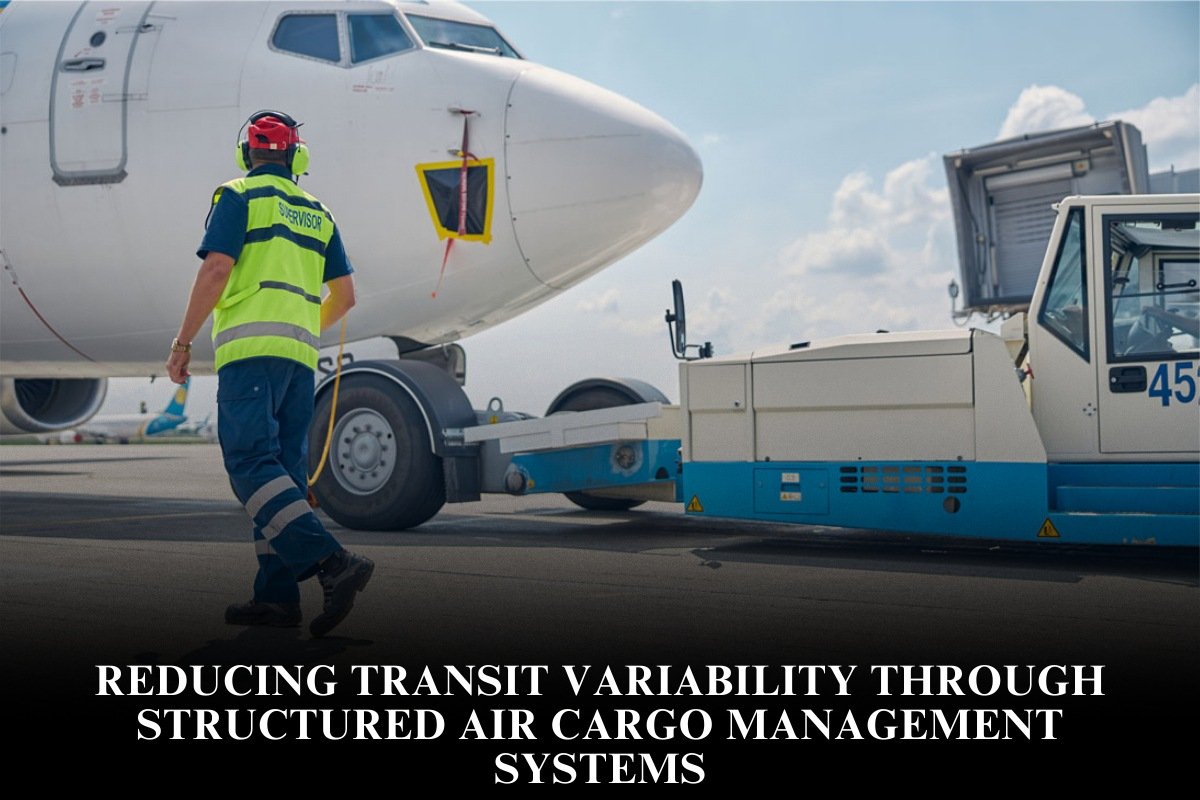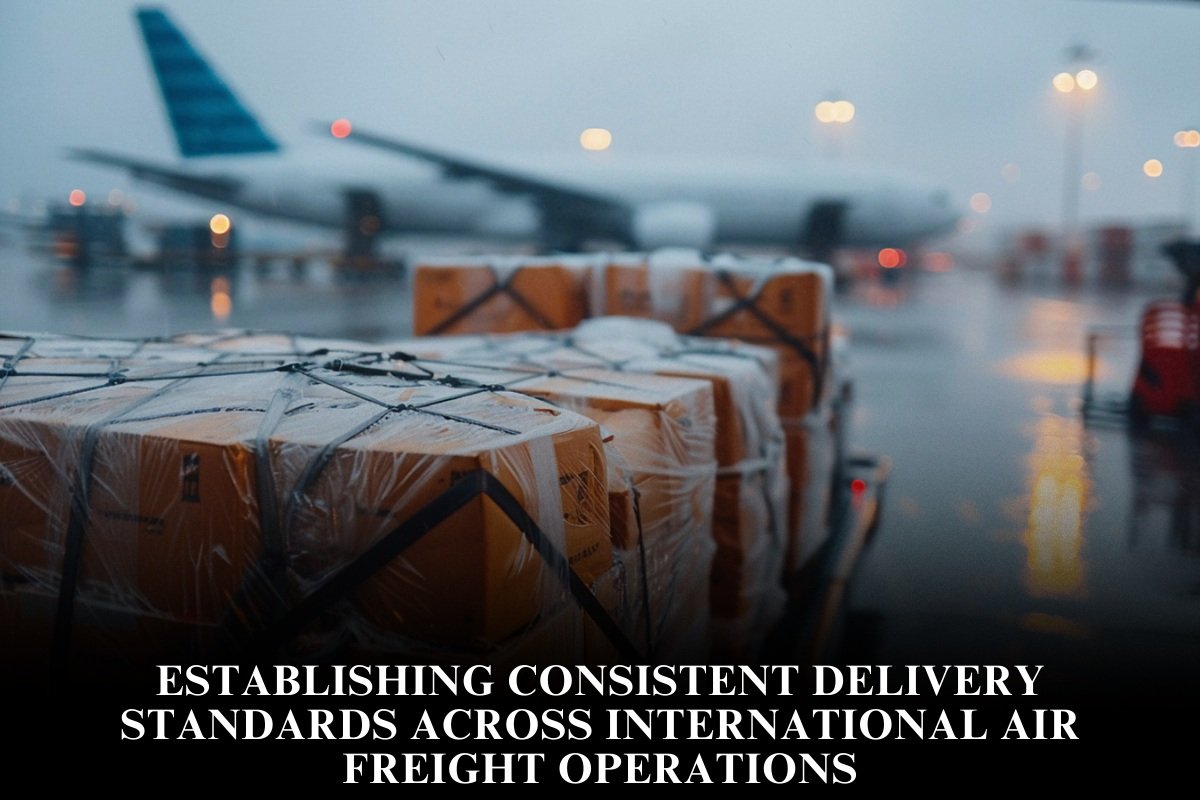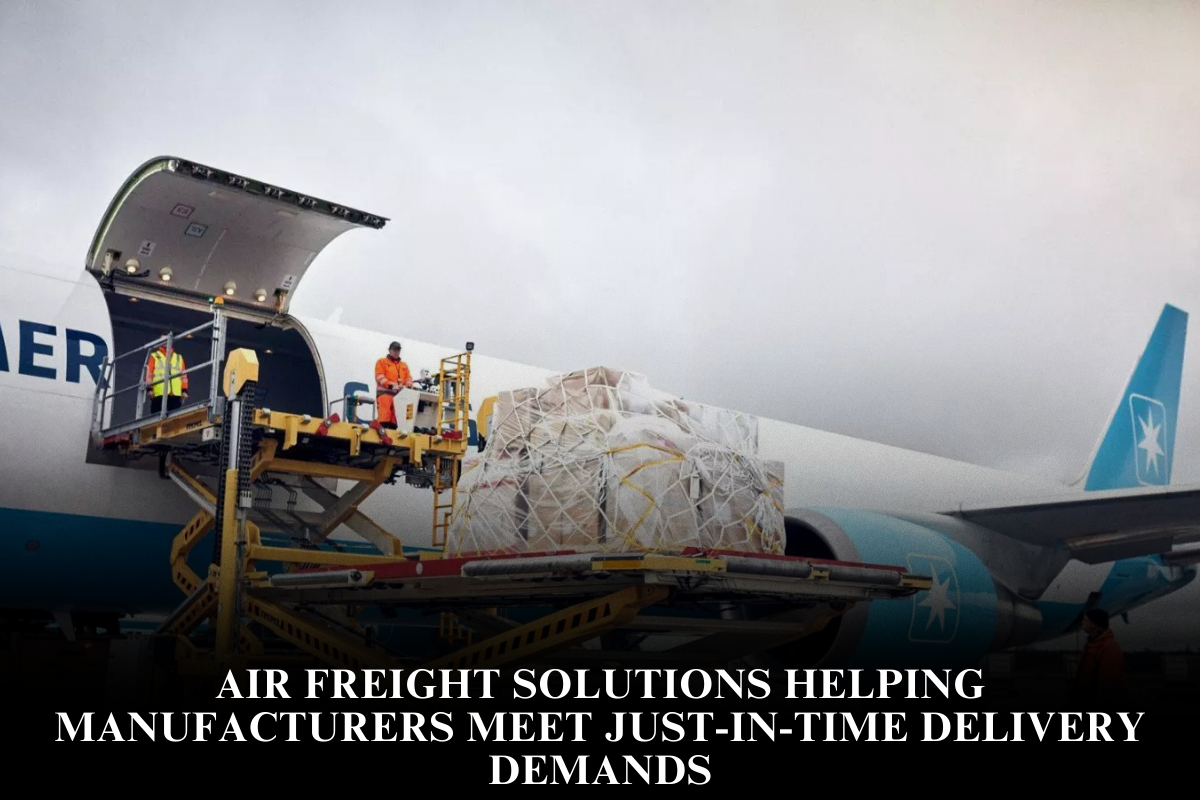
In today’s fast-paced and highly competitive manufacturing industry, Just-in-Time (JIT) delivery has become a critical supply chain strategy. Manufacturers rely on JIT to minimize inventory costs and improve operational efficiency by receiving goods exactly when they are needed in the production process, without the need for long-term storage. This requires highly reliable and fast transportation methods, which is where air freight plays a crucial role.
Air freight offers manufacturers the speed, flexibility, and reliability needed to meet JIT demands, particularly in industries like automotive, electronics, pharmaceuticals, and consumer goods. Let’s explore how air freight solutions help manufacturers stay competitive in a global marketplace while meeting the stringent delivery timelines of JIT logistics.
1. Speed and Efficiency in Global Supply Chains
Air freight is unmatched in terms of speed, making it an ideal option for JIT manufacturing operations that require fast and efficient transportation. For manufacturers, air freight ensures that materials, parts, and finished products arrive on time, reducing the risk of production delays or stoppages.
- Shorter Lead Times: Air freight significantly reduces transit times, allowing manufacturers to receive critical components or raw materials quickly, even if they are sourced from overseas.
- Global Reach: Air freight allows for international deliveries, which is particularly important for manufacturers that source materials from multiple regions or need to distribute products globally.
2. Reliable and Predictable Delivery Schedules
Manufacturers that rely on JIT delivery cannot afford disruptions or delays. Air freight provides a highly reliable service with predictable delivery schedules. This is crucial for industries where delays can result in production downtime, missed deadlines, and financial losses.
- Guaranteed Timelines: Air freight carriers offer time-definite services, ensuring that goods arrive on a specific date and time, even for international shipments. This reliability is key to maintaining smooth operations and meeting production schedules.
- Real-Time Tracking: Air freight companies provide real-time tracking, giving manufacturers visibility into the status of their shipments at every stage. This transparency allows businesses to plan ahead and make adjustments if needed, minimizing the risk of delays.
3. Flexibility in Handling Urgent and Small Shipments
One of the key benefits of air freight is its flexibility in handling urgent, time-sensitive shipments. This is especially beneficial for JIT manufacturers who often face last-minute changes in production schedules or unexpected supply chain disruptions.
- Small Shipment Capability: Air freight is not only used for large, bulk shipments but can also handle smaller, urgent shipments that manufacturers need to receive at a moment’s notice. This flexibility allows companies to keep production running smoothly without waiting for large consignments.
- Express Services: Air freight offers express and expedited services to handle urgent deliveries, helping manufacturers respond to changing demand quickly.
4. Risk Mitigation and Reliability in Critical Supply Chains
In industries like automotive, electronics, and pharmaceuticals, even small delays in the supply chain can have significant consequences, from halted production lines to missing regulatory deadlines. Air freight’s reliability plays a major role in mitigating these risks.
- Minimizing Stockouts: By ensuring that parts and materials arrive on time, air freight helps manufacturers avoid stockouts, which can lead to production delays and missed deadlines.
- Emergency Replacement: In the event of unexpected supply chain issues, air freight can quickly transport replacement parts or materials, minimizing disruptions to production schedules.
5. Handling Seasonal and Demand-Driven Fluctuations
Manufacturers often face seasonal demand surges or unexpected spikes in production schedules. Air freight solutions provide the flexibility and capacity needed to scale operations up or down based on these fluctuations.
- Seasonal Product Demand: During peak seasons, such as the holiday shopping period for consumer goods or the back-to-school season for electronics, air freight enables manufacturers to quickly scale up production and get products to market on time.
- Production Shifts: Air freight allows manufacturers to adjust quickly to unexpected changes in production needs, whether it’s increasing the supply of critical components or expediting the delivery of finished products to retailers.
6. Efficient Handling of Perishable and Sensitive Goods
In industries such as pharmaceuticals, food production, and electronics, timely deliveries are crucial not only for meeting production deadlines but also for ensuring that products arrive in good condition. Air freight is especially beneficial in these industries due to its ability to transport perishable or temperature-sensitive goods swiftly and efficiently.
- Cold Chain Logistics: Air freight offers specialized services like temperature-controlled shipments, ensuring that sensitive goods, such as pharmaceuticals or perishable food items, remain within required temperature ranges during transit.
- Handling Fragile Goods: Air freight operators are equipped to handle fragile or high-value items that require extra care and attention, ensuring they arrive safely and on time.
7. Seamless Integration with Other Transportation Modes
Air freight is often part of a broader multimodal transportation system, where goods are transported by air, sea, road, or rail. The integration of air freight with other modes of transport ensures that manufacturers can receive their goods on time, regardless of their origin or final destination.
- Air-to-Sea and Air-to-Rail Integration: Air freight is often the first step in a multimodal journey, with goods being transported by air to a regional hub, then distributed by sea or rail to their final destination. This system maximizes speed and efficiency across different modes of transport.
- Last-Mile Delivery: Air freight companies work closely with ground transportation providers for last-mile delivery, ensuring that goods are delivered directly to manufacturers, warehouses, or retail locations as quickly as possible.
Air freight has become an indispensable part of the modern manufacturing supply chain, especially for companies that rely on Just-in-Time (JIT) delivery. By offering speed, reliability, flexibility, and the ability to handle urgent shipments, air freight ensures that manufacturers can meet tight production schedules, mitigate supply chain risks, and maintain efficient operations.
As businesses continue to face fluctuating demand and tight deadlines, air freight will remain a critical solution for maintaining reliability in highly competitive and fast-paced industries.
FAQs
Q1: How does air freight help with Just-in-Time (JIT) delivery?
A1: Air freight offers fast delivery times, allowing manufacturers to receive goods quickly and stay on track with JIT operations. It also provides real-time tracking, ensuring visibility and predictability.
Q2: Can air freight handle small shipments for urgent needs?
A2: Yes, air freight can accommodate both large and small shipments, including urgent, time-sensitive deliveries, making it ideal for last-minute changes or supply chain disruptions.
Q3: How does air freight support manufacturers with perishable goods?
A3: Air freight offers temperature-controlled shipping for perishable goods, ensuring that items like food or pharmaceuticals arrive at the correct temperature and on time.
Q4: What are the benefits of integrating air freight with other transport modes?
A4: Integration with other transport modes, such as sea or rail, allows for multimodal logistics, providing speed and efficiency while minimizing costs across the entire supply chain.