The air freight industry has always played a vital role in global trade, offering fast, reliable, and efficient transportation of goods across long distances. However, as demand continues to rise for faster deliveries, lower costs, and more sustainable practices, the air freight industry is undergoing a profound transformation. Several key trends are shaping the future of air freight solutions, from technological advancements to sustainability efforts and changes in consumer demand.
1. Adoption of Sustainable Practices and Green Technologies
As environmental concerns become more pressing, the air freight industry is being pushed to reduce its carbon footprint. Sustainable practices are not just a trend but a necessity for future viability in a world increasingly focused on green technologies and climate change mitigation.
- Sustainable Aviation Fuel (SAF): One of the most promising innovations in reducing emissions is the use of Sustainable Aviation Fuel (SAF). SAF, produced from renewable sources such as agricultural waste, algae, or even CO2, can reduce carbon emissions by up to 80% compared to traditional jet fuel. The future of air freight will see increased adoption of SAF, supported by initiatives from airlines and freight companies to produce and distribute this fuel at scale.
- Electric Aircraft and Hybrid Aircraft: Electric and hybrid-electric aircraft are in development, promising to reduce fuel consumption and emissions. While full-scale electric planes are still in the prototype stage, hybrid-electric aircraft are expected to be operational in the near future, especially for short-haul flights.
- Carbon Offset Programs: Many air freight companies are also implementing carbon offset programs. These initiatives invest in projects such as reforestation and renewable energy to balance out the emissions caused by air freight operations.
2. Digital Transformation and Automation
The digital revolution has touched nearly every sector of the global economy, and air freight is no exception. Increasingly, companies are turning to automation and data-driven technologies to streamline operations, improve efficiency, and enhance customer service.
- Blockchain for Transparency and Security: Blockchain technology is being explored for enhancing transparency and security in air freight. By providing an immutable, decentralized ledger, blockchain can improve shipment tracking, customs documentation, and reduce the risk of fraud or errors.
- Artificial Intelligence and Machine Learning: Air freight operators are leveraging AI and machine learning for everything from predictive maintenance of aircraft to optimizing flight routes and reducing fuel consumption. These technologies also help improve customer experience by providing real-time updates and personalized service.
- Automated Warehousing: Many air freight companies are adopting robotics and automation within their warehouses to speed up sorting, packaging, and processing. This not only cuts down on manual labor but also reduces human error and increases throughput.
- Big Data and Predictive Analytics: With the ability to analyze vast amounts of data, predictive analytics helps air freight operators make better decisions regarding capacity management, fuel efficiency, and route optimization, ensuring better overall service and cost-effectiveness.
3. E-Commerce Growth and Changing Consumer Expectations
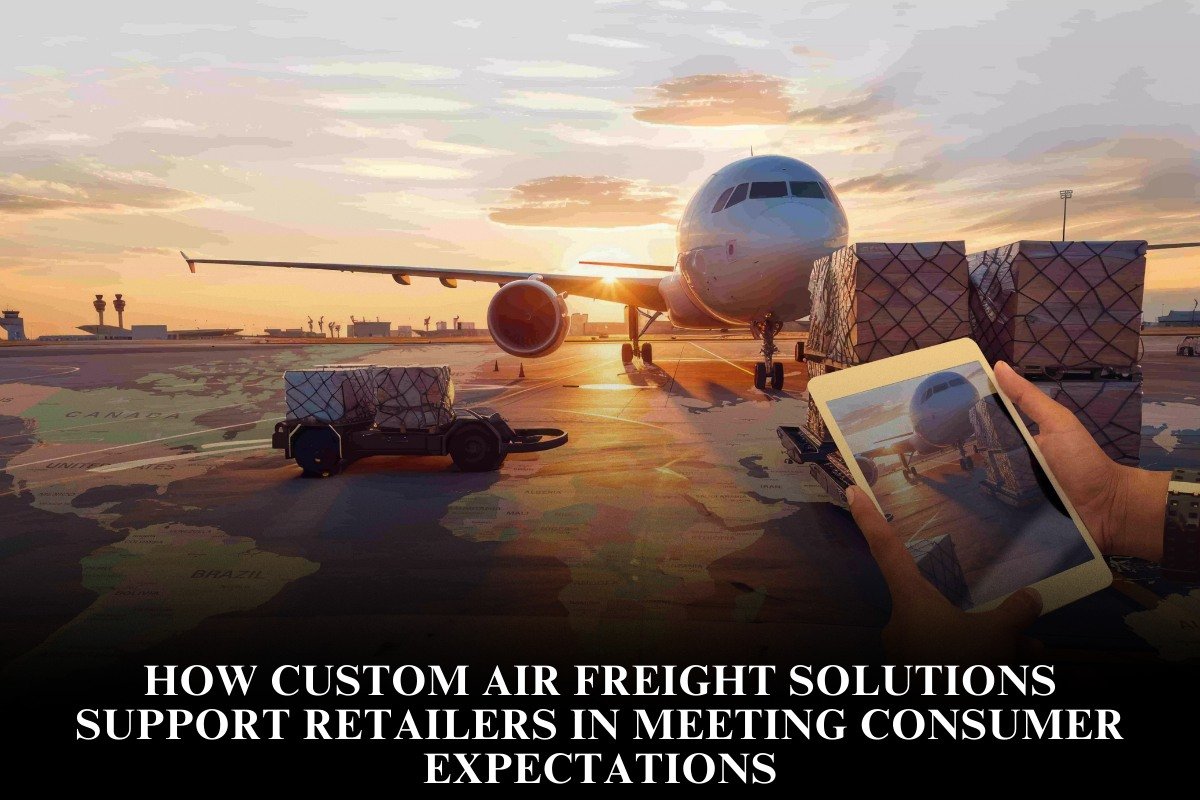
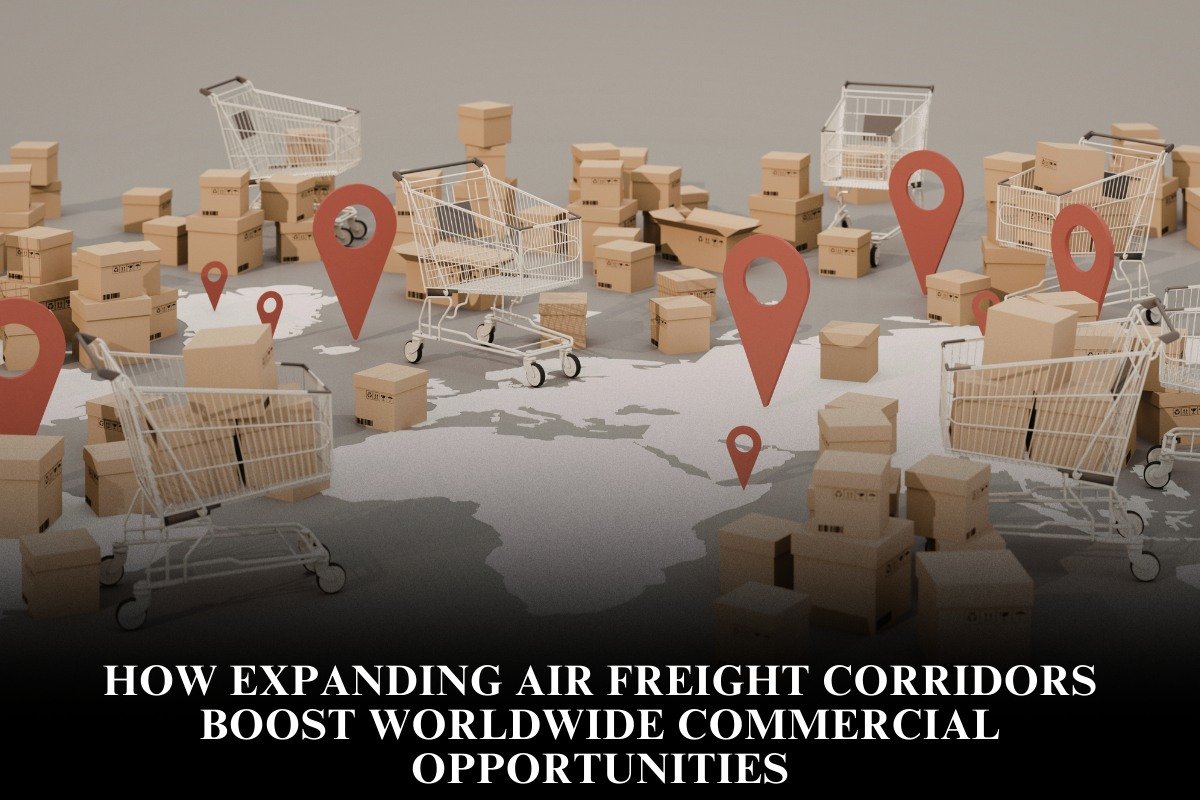
The rise of e-commerce has revolutionized the logistics sector, and air freight solutions are at the forefront of meeting the demands of this growing industry. Consumers’ expectation for fast and reliable deliveries has changed the way goods are transported globally.
- Same-Day and Next-Day Delivery: The demand for same-day and next-day delivery is pushing air freight companies to increase the speed and efficiency of their operations. E-commerce giants like Amazon and Alibaba have already begun leveraging air freight for fast, direct shipments to meet customer demands.
- Smaller, More Frequent Shipments: E-commerce is also driving a shift from large, bulk shipments to smaller, more frequent shipments. This trend leads to a rise in last-mile delivery solutions, which often involve air freight for rapid transportation to regional hubs before ground transportation takes over.
- Global Retail Networks: As e-commerce continues to expand globally, air freight solutions are becoming increasingly important for businesses that want to reach international customers quickly. The ability to move goods across borders efficiently and securely is essential for companies looking to tap into new markets.
4. The Rise of E-Freight and Paperless Transactions
One of the most significant changes in the air freight industry is the transition to paperless transactions and e-freight systems. This digital transformation eliminates the need for traditional paper documents, such as bills of lading and customs forms, and replaces them with electronic versions.
- E-Freight Implementation: By reducing reliance on paper, air freight companies can save time and costs, enhance tracking visibility, and reduce the risk of human error. The International Air Transport Association (IATA) has pushed for the industry-wide adoption of e-freight to streamline operations and create a more efficient, paperless environment.
- Paperless Customs Processes: The push for paperless customs is also gaining traction. With the ability to submit all required documentation digitally, customs clearance becomes faster and more streamlined, reducing delays at borders and ensuring goods move smoothly through international airports.
5. Enhanced Customer Experience Through Transparency and Communication
As competition in the air freight sector intensifies, customer service and communication are becoming key differentiators. Customers now expect transparency and real-time updates on their shipments, as well as improved flexibility and support.
- Real-Time Tracking and Visibility: With the rise of IoT devices and RFID technology, air freight operators are able to offer real-time tracking of shipments. Customers can track their goods from origin to destination, providing complete visibility and reducing uncertainty.
- Customer-Centric Solutions: To meet the evolving needs of customers, air freight companies are providing more personalized services, including tailored delivery options, flexible scheduling, and advanced customer support. Many companies are also offering 24/7 customer service to ensure timely communication.
6. The Future of Smart Airports and Infrastructure
To keep up with increasing demand and the need for efficient operations, airports worldwide are embracing smart technologies and digital infrastructure to streamline air freight operations.
- Smart Cargo Facilities: Innovations like automated cargo terminals, where robots and automated systems manage the handling of goods, are being integrated into airports. These systems enhance efficiency and reduce the time spent at facilities, helping to keep deliveries fast and reliable.
- AI-Driven Forecasting and Capacity Management: Airports are using AI to manage air cargo capacity more efficiently, ensuring that airport facilities and ground handling operations are fully optimized. This technology helps prevent bottlenecks and delays.
- Integrated Logistics Platforms: Air freight companies are increasingly turning to integrated logistics platforms that connect multiple stakeholders, from shippers to ground handlers and customs authorities. These platforms streamline communication and improve coordination, ensuring smoother operations across the entire supply chain.
The future of air freight is shaped by a combination of sustainability, technological advancements, and changing market dynamics, particularly driven by the rise of e-commerce. As the industry continues to evolve, air freight operators must stay ahead of emerging trends and invest in green technologies, digital solutions, and customer-centric services to maintain competitiveness and meet the increasing demands of global trade.
While challenges remain, these innovations in air freight will help drive greater efficiency, reliability, and sustainability, ensuring that the sector is well-equipped to meet the demands of tomorrow’s global supply chains.
FAQs
Q1: How will sustainable aviation fuel (SAF) impact the future of air freight?
A1: SAF can reduce emissions by up to 80% compared to traditional jet fuel. Its adoption will significantly lower the carbon footprint of air freight operations, making them more environmentally friendly and aligned with global sustainability efforts.
Q2: What role does automation play in air freight’s future?
A2: Automation in air freight, such as robotics for sorting and AI for route optimization, helps improve efficiency, reduce costs, and speed up delivery times. These technologies allow air freight companies to handle increasing volumes and improve service reliability.
Q3: How does air freight support the rise of e-commerce?
A3: Air freight is essential for fast, reliable deliveries in the e-commerce sector, offering same-day or next-day delivery options and the ability to meet fluctuating demand during peak seasons. It helps e-commerce businesses reach global customers quickly and efficiently.
Q4: What is e-freight, and why is it important for the air freight industry?
A4: E-freight refers to the digitalization of traditional freight documents, reducing paper usage and streamlining the process. This transition improves tracking, reduces errors, and speeds up customs clearance, enhancing overall efficiency in the air freight sector.