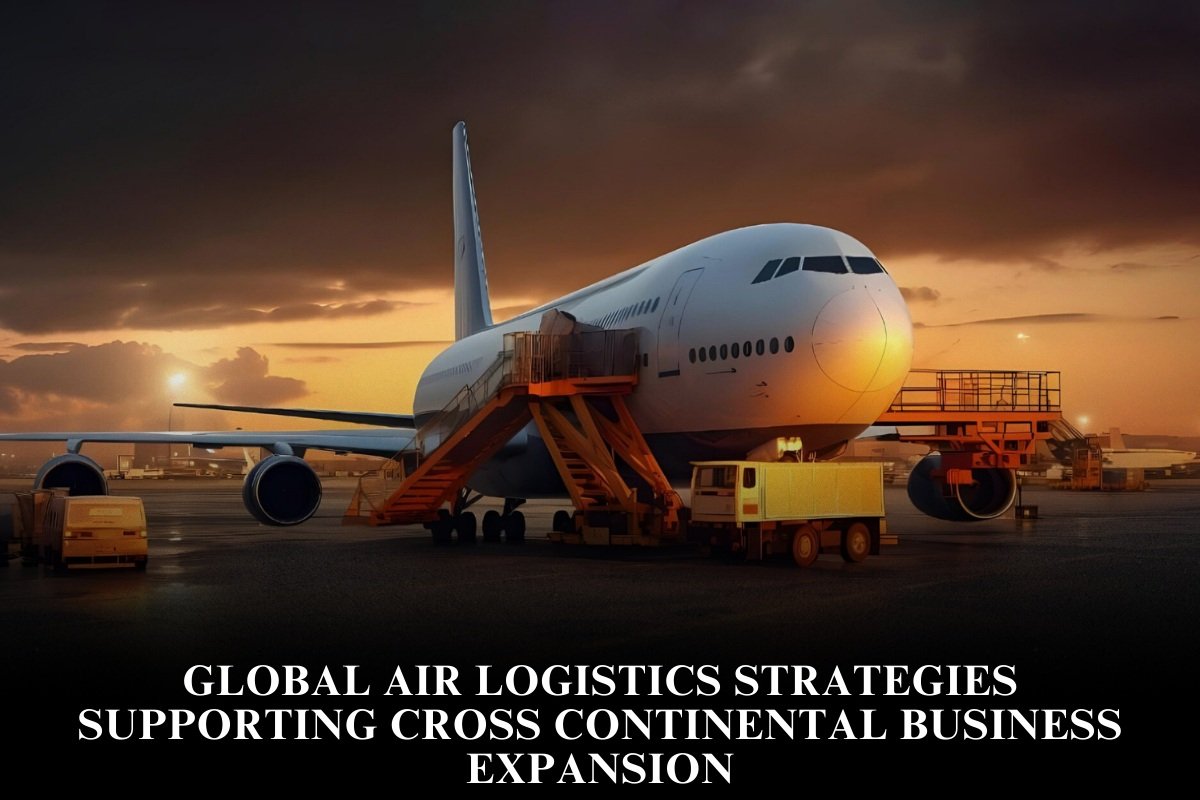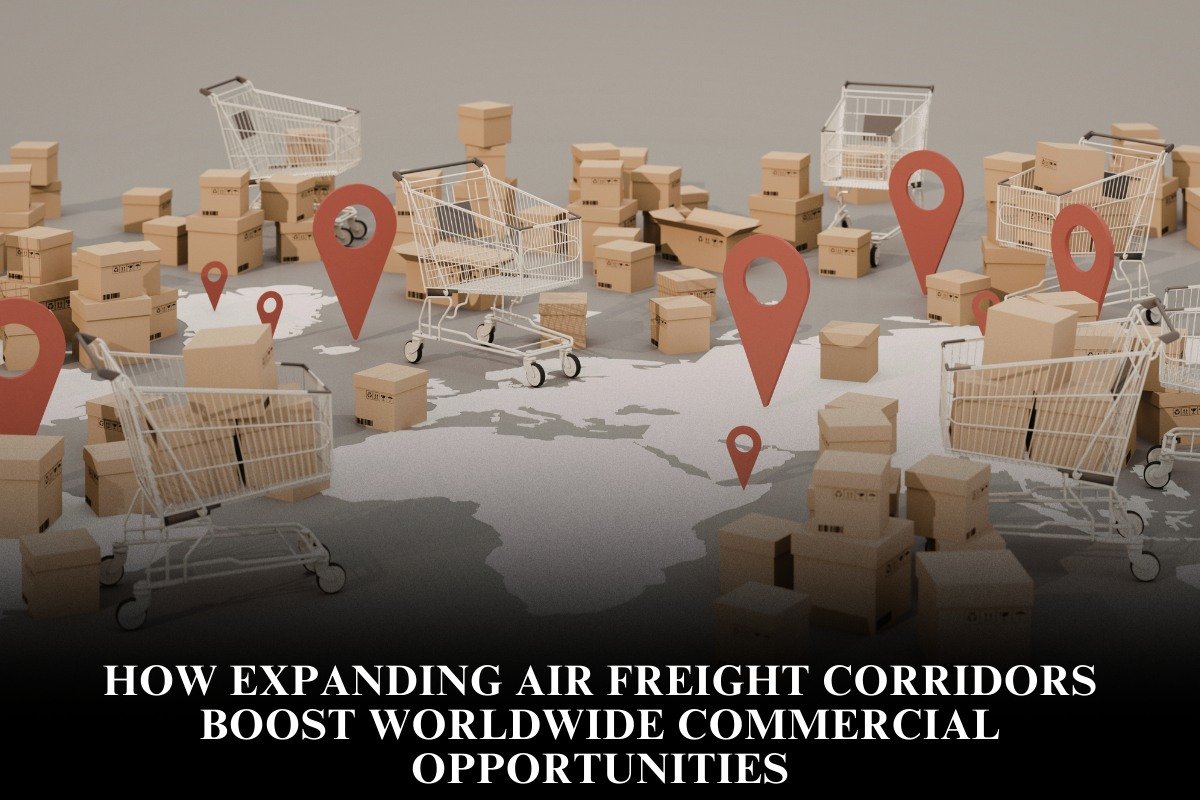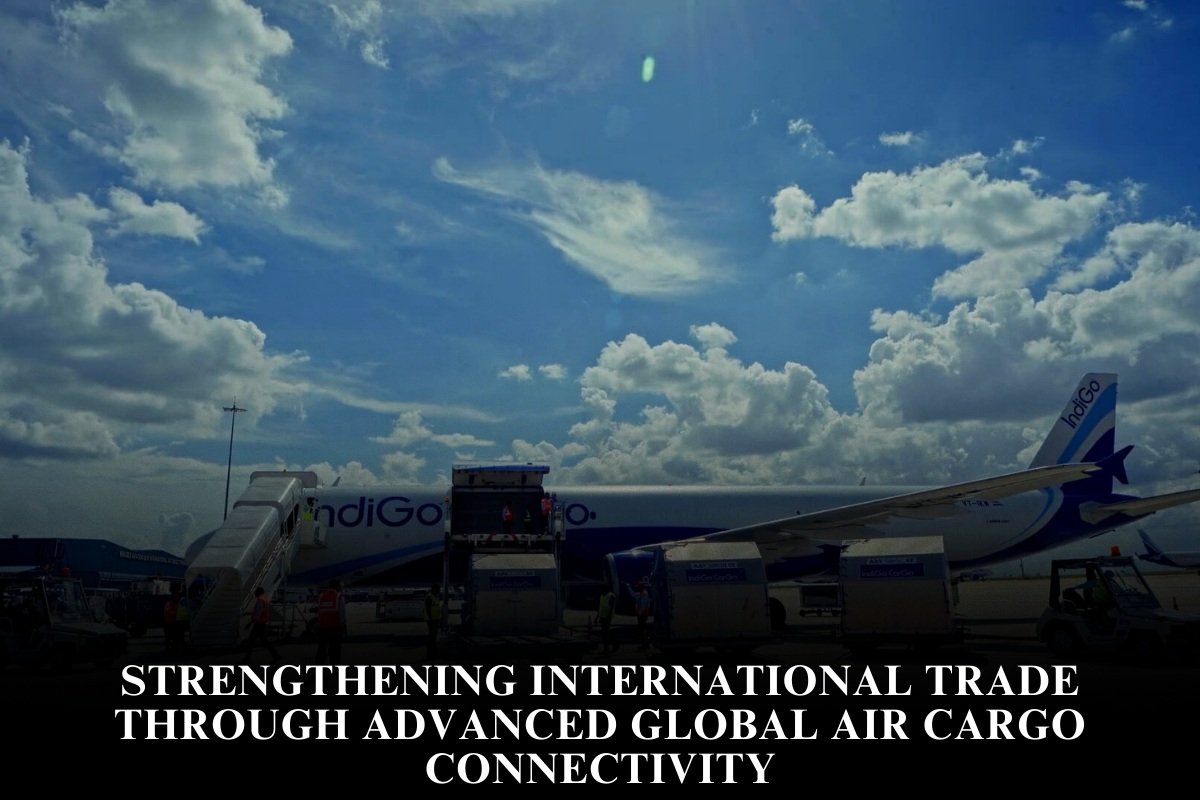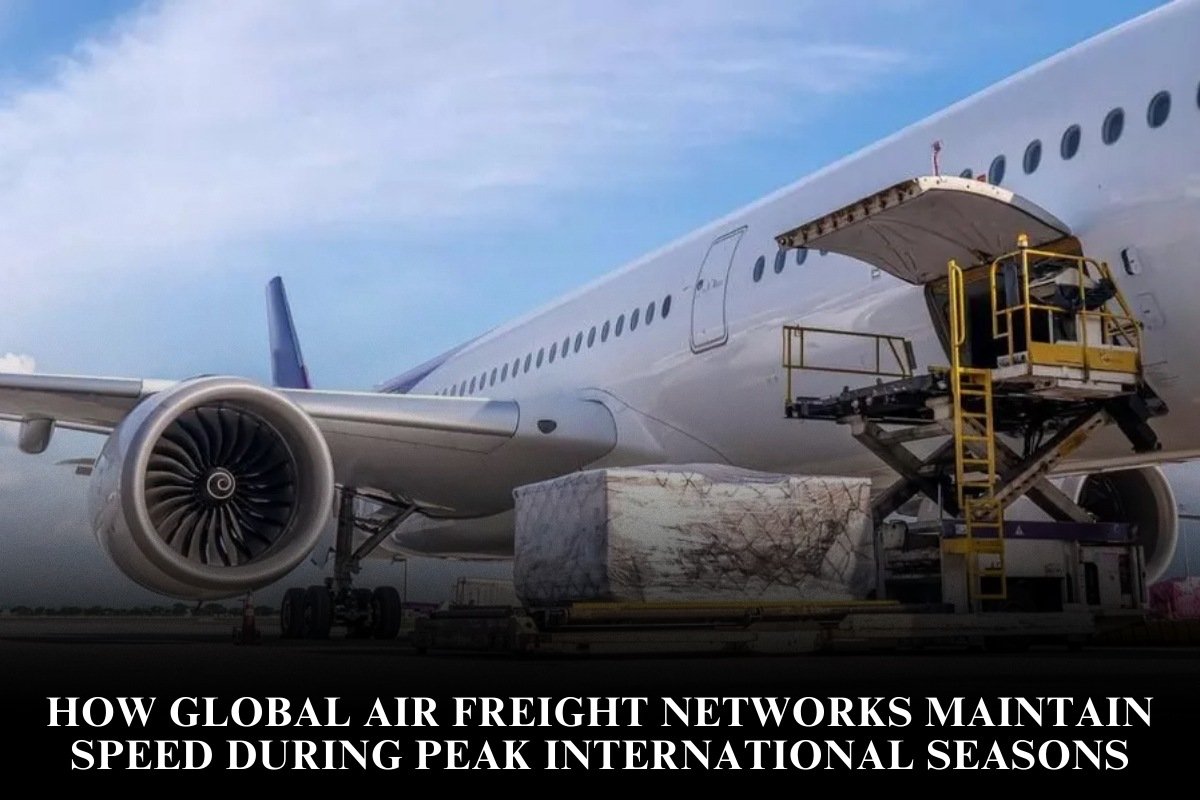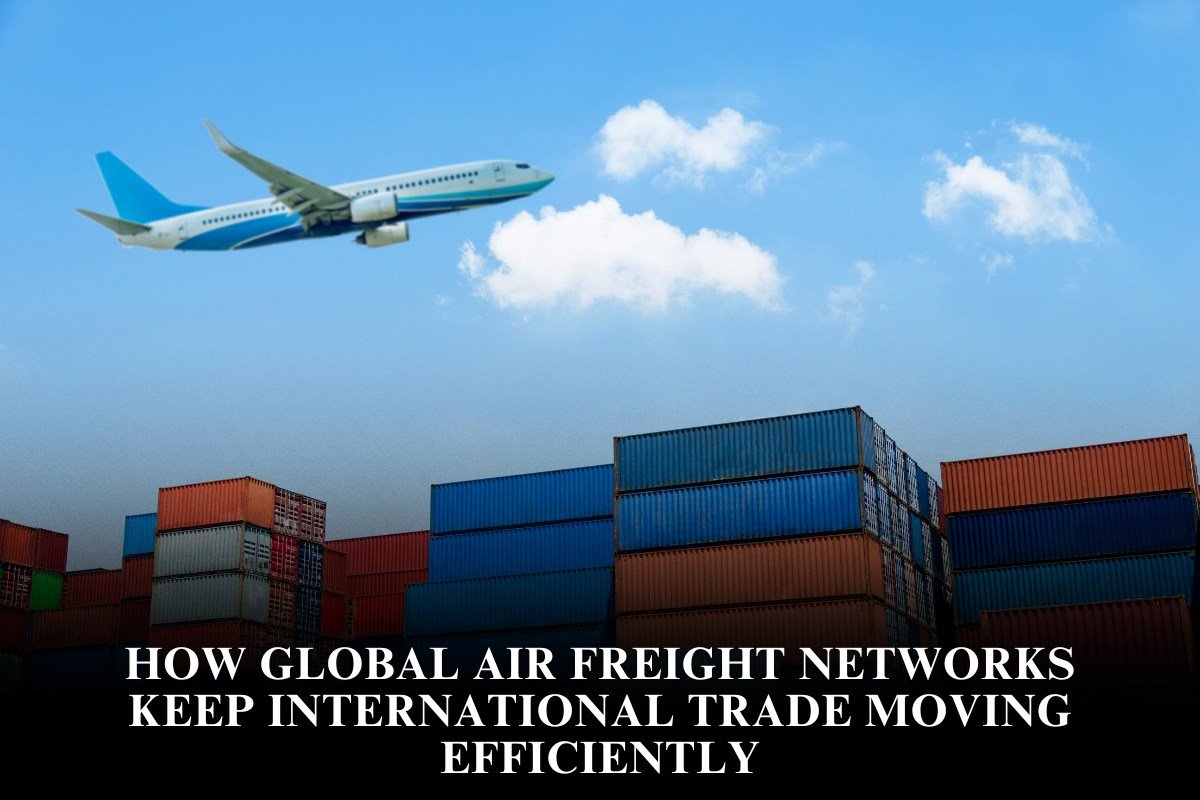
Global air freight networks form a resilient backbone for international trade, handling 35% of global trade value despite just 1% by volume, through interconnected hubs and advanced technologies. These networks enable rapid transport of high-value goods like electronics and pharmaceuticals, supporting e-commerce and just-in-time supply chains amid disruptions.
Core Structure of Air Freight Networks
Air freight networks organize into core-bridge-periphery layers, with core hubs like Hong Kong and Memphis connecting densely, bridges linking regions, and peripheries serving remote areas. This hierarchical setup ensures efficient global coverage, with seven regional components (e.g., Asia, Europe) feeding into a dominant worldwide component. In 2025, Asia-Pacific drives 40% of volumes from manufacturing hubs in China and India.
Major Hubs Driving Cargo Flow
Top hubs process millions of tonnes annually, equipped with automated warehouses and cold chain facilities for sensitive cargo.
These airports invest in temperature-controlled storage, handling IT, healthcare, and auto parts seamlessly.
Step-by-Step Supply Chain Process
Air freight follows a streamlined process: shippers book via forwarders, cargo consolidates at origins, clears export customs, screens for security, flies via passenger/freighter planes, clears imports, and delivers. Freight forwarders coordinate documentation like invoices and packing lists, while ground handlers optimize loading. This end-to-end flow minimizes delays, with hubs like Frankfurt and Incheon accelerating transcontinental transfers.
Technologies Enhancing Efficiency
Real-time tracking via IoT sensors, GPS, and RFID monitors location, temperature, and shocks for pharmaceuticals. AI optimizes routes by analyzing weather and traffic, predicts delays, and automates alerts. Digital platforms consolidate data across carriers, enabling dynamic ETAs and split-shipment visibility. These innovations cut clearance times and boost space utilization amid capacity constraints.
Economic Impact and Statistics
Air cargo volumes hit 61.7 million tonnes in 2022, generating $191 billion, with 2025 projections at 69 million tonnes despite a 0.6% slowdown. It powers 35% of trade value, fueling e-commerce (20% of retail) and India’s 19% growth in 2024. Speed reduces inventory costs, enabling just-in-time strategies vital for electronics and perishables.
Overcoming Key Challenges
High costs and capacity limits challenge networks, addressed by consolidating shipments, dynamic pricing, and alliances for fuel hedging. Geopolitical issues like no-fly zones prompt route optimizations via IATA/ICAO efforts. Security screening and regulatory compliance streamline through automated systems, while sustainability focuses on fuel-efficient operations.
Future Outlook for Resilience
Networks evolve with AI-driven predictive maintenance and greener fuels, targeting India’s 10 MMT by 2030 via policies like Open Sky. Expansions in belly cargo on new routes enhance connectivity, ensuring trade resilience against disruptions.
FAQs
Q1: What percentage of global trade value does air cargo represent?
A: Approximately 35%, despite only 1% by volume, due to high-value goods like electronics and pharma.
Q2: Which are the top air freight hubs in 2025?
A: Hong Kong (4.1M tonnes), Memphis (4.0M), and Shanghai Pudong (3.11M) lead with advanced infrastructure.
Q3: How does AI improve air freight efficiency?
A: It enables real-time tracking, route optimization, and delay predictions via IoT and analytics.
Q4: What is the air freight supply chain process?
A: Booking, consolidation, export clearance, flight, import clearance, and delivery, coordinated by forwarders.
Q5: How does air cargo support just-in-time manufacturing?
A: Rapid transit (days vs. weeks by sea) minimizes inventory and enables quick market responses.