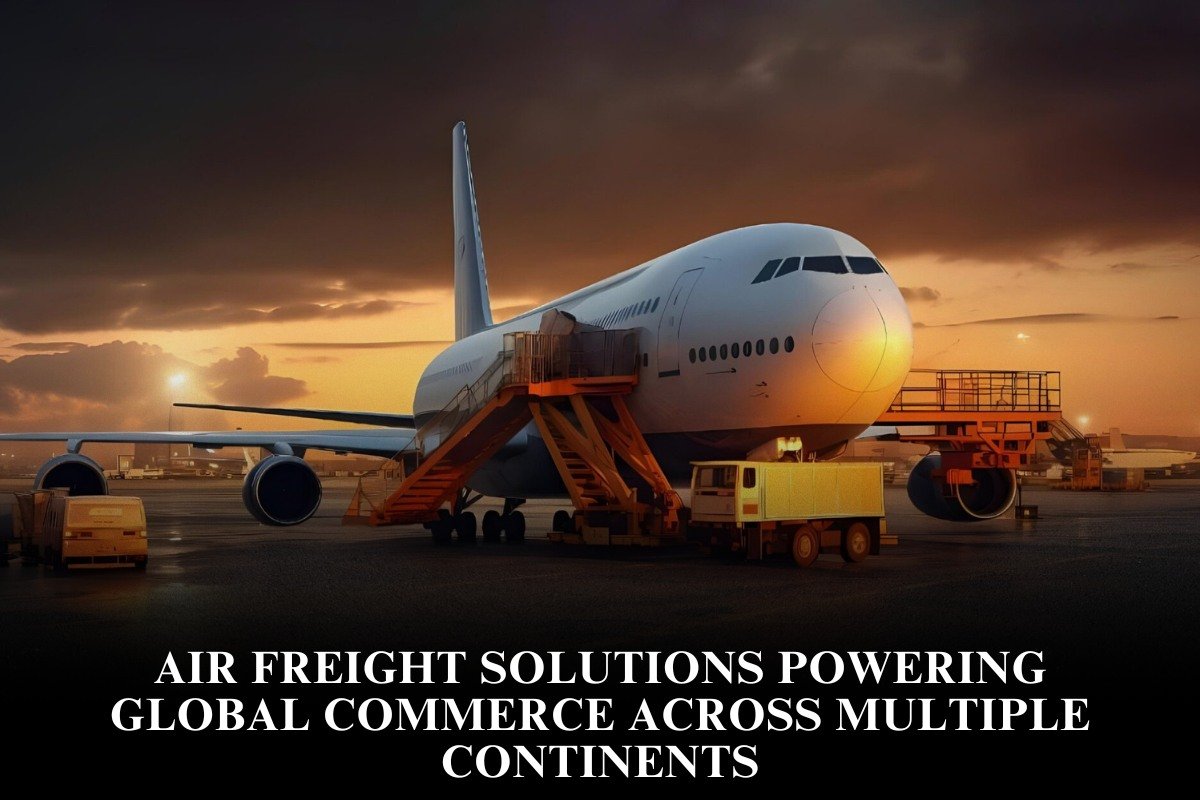
Air freight solutions enable rapid, reliable transport of goods across continents, fueling international trade by connecting distant markets in days rather than weeks. This mode handles high-value, time-sensitive cargo like electronics, pharmaceuticals, and perishables, supporting just-in-time manufacturing and e-commerce demands. With extensive airport networks spanning 98% of global coverage, air freight minimizes disruptions and drives economic growth through efficient supply chains.
Speed and Reliability for Time-Critical Shipments
Air freight delivers shipments in 1-3 days internationally, outpacing sea routes by weeks and enabling businesses to meet urgent deadlines. During disruptions like port congestions or Red Sea crises, companies reroute to air, maintaining continuity and avoiding production halts. Predictable schedules—bolstered by lower congestion than seaports—support JIT models, reducing inventory costs by 20-30% for industries like automotive and tech.
This velocity powers global e-commerce, where platforms ship cross-border orders swiftly, boosting customer satisfaction and repeat business.
Global Connectivity Bridging Continents
Over 17,000 airports worldwide create unmatched reach, linking remote areas in Africa or Asia to hubs in Europe, North America, and beyond. Air networks facilitate trade between landlocked nations and major economies, promoting bilateral partnerships and market integration. For instance, perishables from South American farms reach European supermarkets fresh, while Asian electronics supply U.S. consumers overnight.
Freight forwarders coordinate seamless multi-continental flows, handling documentation and customs for smooth handoffs between carriers.
Supporting High-Value and Perishable Goods
Air freight excels for temperature-controlled cargo—vaccines, flowers, seafood—preserving quality via refrigerated holds and real-time monitoring. High-value items like luxury watches or semiconductors benefit from enhanced security: airport protocols reduce theft risks, with tracking ensuring end-to-end visibility. This reliability saves lives through timely medical deliveries and sustains $6 trillion in annual trade value, comprising 35% of global goods by worth.
Lower damage rates from smoother flights protect delicate shipments, minimizing insurance claims.
Enhancing Supply Chain Resilience
In volatile times—geopolitical tensions or pandemics—air freight provides flexibility, shifting volumes dynamically across continents. It cuts lead-time variability, aiding cash flow for SMEs expanding globally. E-commerce surges, like post-holiday peaks, rely on air’s scalability, with consolidators pooling shipments for cost efficiency on lighter loads.
Integrated tech like IoT sensors and blockchain verifies compliance, accelerating customs across borders.
Economic Impact on Industries and Jobs
Air freight stimulates growth by enabling market access, job creation in logistics hubs, and foreign exchange via exports. Sectors like agriculture export high-price perishables, while manufacturing sources components efficiently, fostering innovation. It promotes peaceful trade ties, with vaccines transported saving millions annually.
Governments invest in cargo airports, spurring regional development from Asia-Pacific to Latin America.
Future Innovations Driving Commerce
Advancements like sustainable aviation fuels, drone deliveries for last-mile, and AI-optimized routing promise greener, faster networks. Electric cargo planes target intra-continental routes, reducing emissions while expanding access. Digital platforms streamline booking and tracking, democratizing air freight for smaller players.
These evolutions ensure air remains pivotal, powering resilient global commerce.
FAQ
Q1: Why choose air freight for speed?
A: 1-3 day deliveries support JIT and e-commerce, bypassing sea delays during crises.
Q2: How does it connect remote markets?
A: 17,000+ airports offer 98% coverage, linking continents for perishables and trade.
Q3: What protects high-value cargo?
A: Strict security, tracking, and smooth flights minimize theft and damage risks.
Q4: How boosts supply chain resilience?
A: Flexible rerouting and predictability cut inventory costs by 20-30%.
Q5: What economic benefits arise?
A: Drives $6T trade, jobs, and exports like vaccines, fostering global growth.