Scalable air freight solutions empower growing businesses to expand globally without logistical bottlenecks, adapting to surging volumes through flexible capacity, digital platforms, and hybrid models.
As e-commerce and supply chains demand faster deliveries, these solutions shift from fixed contracts to dynamic networks, supporting SMEs scaling from parcels to pallets across continents. Innovations like AI routing and consolidations ensure cost-efficiency amid 5-6% annual market growth projected through 2029.
Assessing Growth Needs and Capacity Planning
Businesses start by analyzing shipment profiles—frequency, weight, urgency—to forecast demand spikes. Scalable providers offer tiered plans: spot rates for irregular loads, block space agreements for steady growth, and flex capacity for peaks like holiday surges. Tools like demand forecasters predict volumes, allocating airline slots proactively to avoid premiums during shortages.
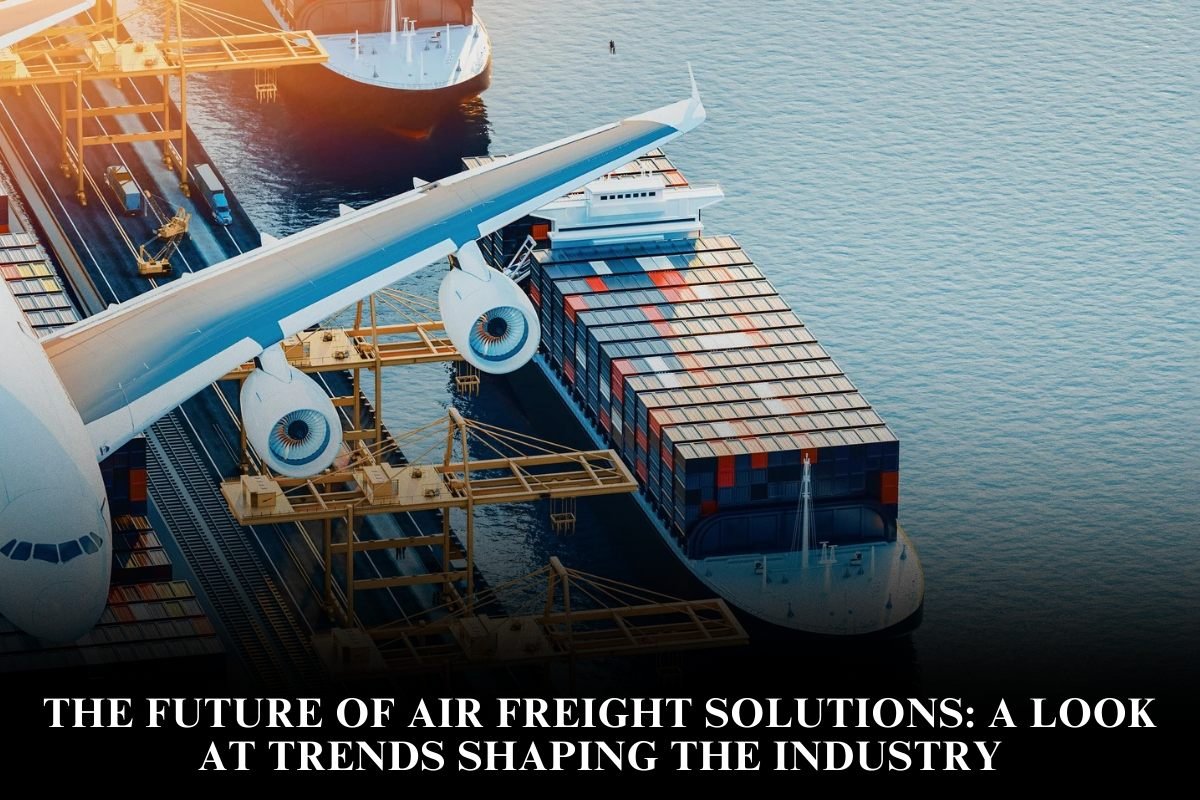
Hybrid sea-air combos handle base inventory via ocean while rushing high-value SKUs by air, optimizing cash flow for expanding firms.
Leveraging Digital Platforms for Flexibility
Cloud-based TMS integrate booking, tracking, and analytics, automating RFP/RFQ for instant quotes from 200+ carriers. Platforms like Airblox provide capacity visibility, pay-later options, and profitability analytics, enabling startups to secure mid-term deals without upfront capital. API connections sync with e-commerce carts for seamless order-to-air transitions.
Real-time dashboards flag disruptions, rerouting via AI for 98% on-time rates, scaling effortlessly as orders multiply.
Building Multi-Modal and Regional Networks
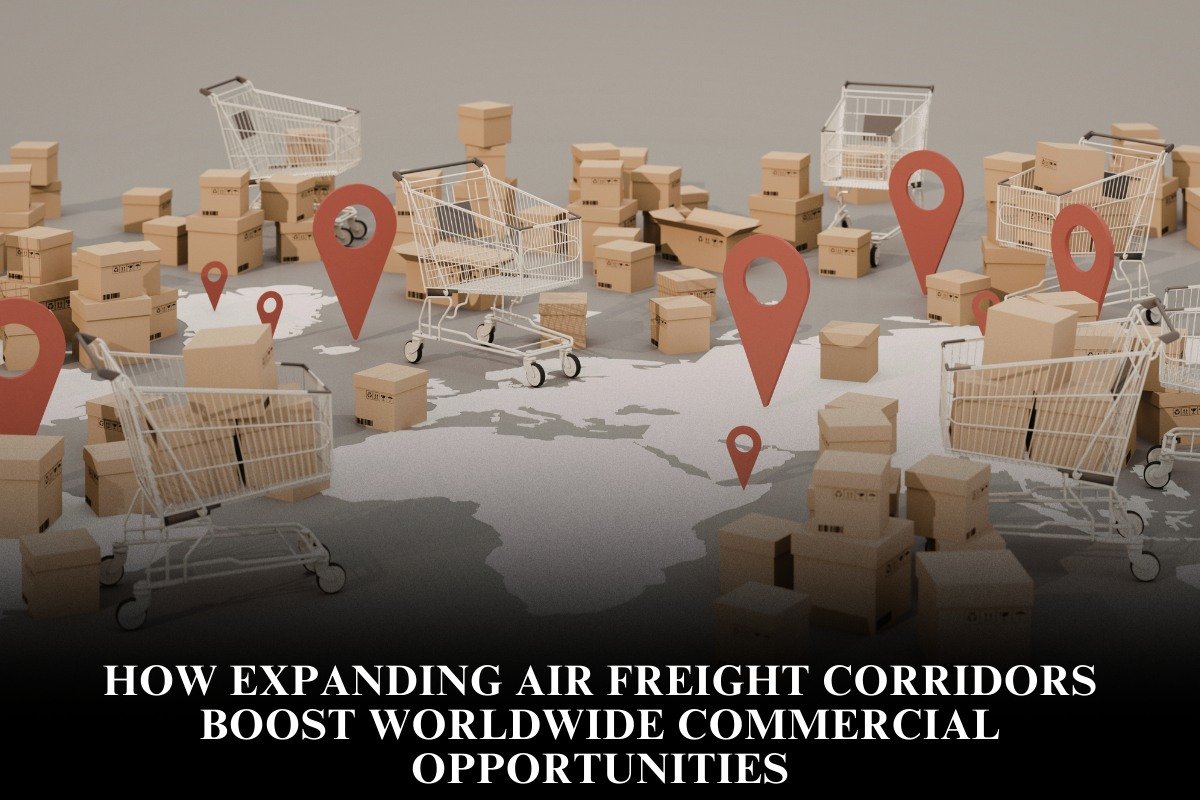
Scalability demands global reach with local expertise: hubs in Dubai, Singapore, and Atlanta connect 220+ countries, including emerging LATAM and Southeast Asia lanes growing 20% yearly. 3PL/4PL services add warehousing, fulfillment, and last-mile via postal hybrids, cutting costs 38% through optimal routing.
Direct entry partnerships bypass intermediaries, accelerating customs for perishable or high-value exports.
Incorporating Sustainability and Cost Controls
Eco-smart routes using sustainable fuels and consolidated shipments reduce emissions without slowing growth. Dynamic pricing models balance spot versus contracts, with yield tools maximizing plane loads. For SMEs, this means lean inventory—less warehousing ties up capital during expansion.
Carbon tracking aligns with regulations, appealing to green-conscious clients.
Partnering with Forwarders for End-to-End Scalability
Expert forwarders customize: e-commerce fulfillment with pick-pack, virtual addresses for imports, and white-label platforms for branding. They navigate regulations—HS codes, Incoterms—preventing delays that stall scaling. Case studies show electronics firms cutting lead times 70%, enabling same-week restocks.
Training on customs prep and carrier diversification builds resilience against disruptions.
Future-Proofing with Emerging Tech
Drone last-mile, electric cargo planes, and blockchain for docs promise intra-continental scalability. ML forecasters and semi-dynamic pricing evolve with 2-4% software market CAGR, democratizing tools for SMEs. Investments in these ensure businesses outpace competitors in volatile chains.
FAQ
Q1: How to plan air freight capacity for growth?
A: Analyze profiles for tiered plans—spot for irregular, blocks for steady—using AI forecasters.
Q2: What digital tools enable scaling?
A: TMS for instant quotes, tracking, and rerouting achieve 98% on-time across volumes.
Q3: Why use multi-modal networks?
A: Hubs connect 220+ countries; hybrids optimize costs for emerging markets like LATAM.
Q4: How control costs sustainably?
A: Consolidated eco-routes and dynamic pricing cut emissions and warehousing by 38%.
Q5: What forwarder services support SMEs?
A: Fulfillment, customs navigation, and 70% lead-time cuts for global expansion.