In global logistics, transit delays can disrupt supply chains, increase costs, and damage customer trust. For industries that rely on speed and reliability, even minor delays can have significant consequences. Strategic air freight solutions are designed to address these challenges by combining planning, expertise, technology, and proactive management. Through carefully coordinated processes, air freight providers significantly reduce transit delays and improve overall shipping performance.
Understanding Transit Delays in Air Freight
Transit delays in air freight can occur at multiple points in the shipping process. Common causes include limited cargo capacity, missed flight connections, incomplete documentation, customs clearance issues, weather disruptions, and congestion at major airports.
Without a strategic approach, these challenges can compound quickly. Strategic air freight solutions focus on identifying potential delay points in advance and applying targeted measures to prevent or mitigate their impact.
Proactive Route and Capacity Planning
One of the most effective ways to reduce transit delays is through proactive route planning. Strategic air freight solutions evaluate multiple routing options based on transit time, airport congestion, carrier reliability, and regional risks.
By securing cargo space early and selecting optimal flight combinations, air freight providers avoid overbooked routes and reduce dependence on single connections. This planning flexibility ensures shipments continue moving even when capacity becomes constrained.
Leveraging Global Carrier Networks
Strong relationships with airlines are a critical component of strategic air freight. Professional providers work closely with multiple carriers across global networks, allowing them to access priority space and alternative flight options when disruptions occur.
Industry coordination guided by organizations such as the International Air Transport Association helps standardize processes and improve cooperation across carriers. This network-based approach increases reliability and minimizes delays caused by limited availability.
Precision in Documentation and Customs Preparation
Documentation errors are a major cause of air freight delays. Missing, incorrect, or incomplete paperwork can hold shipments at origin or destination, disrupting carefully planned schedules.
Strategic air freight solutions emphasize accuracy and compliance. Experienced teams prepare documentation in advance, verify regulatory requirements, and coordinate with customs authorities before cargo arrives. This proactive approach accelerates clearance and prevents avoidable delays at borders.
Real-Time Monitoring and Rapid Response
Transit conditions can change quickly due to weather, mechanical issues, or airport congestion. Strategic air freight solutions rely on real-time tracking and monitoring systems to maintain visibility throughout the shipment’s journey.
When delays are detected, teams respond immediately by rebooking flights, rerouting cargo, or adjusting ground handling arrangements. This rapid response capability minimizes downtime and keeps shipments moving toward their destination.
Optimized Ground Handling and Airport Coordination
Delays often occur during ground operations rather than in the air. Strategic air freight solutions address this by coordinating closely with airport ground handlers and cargo terminals.
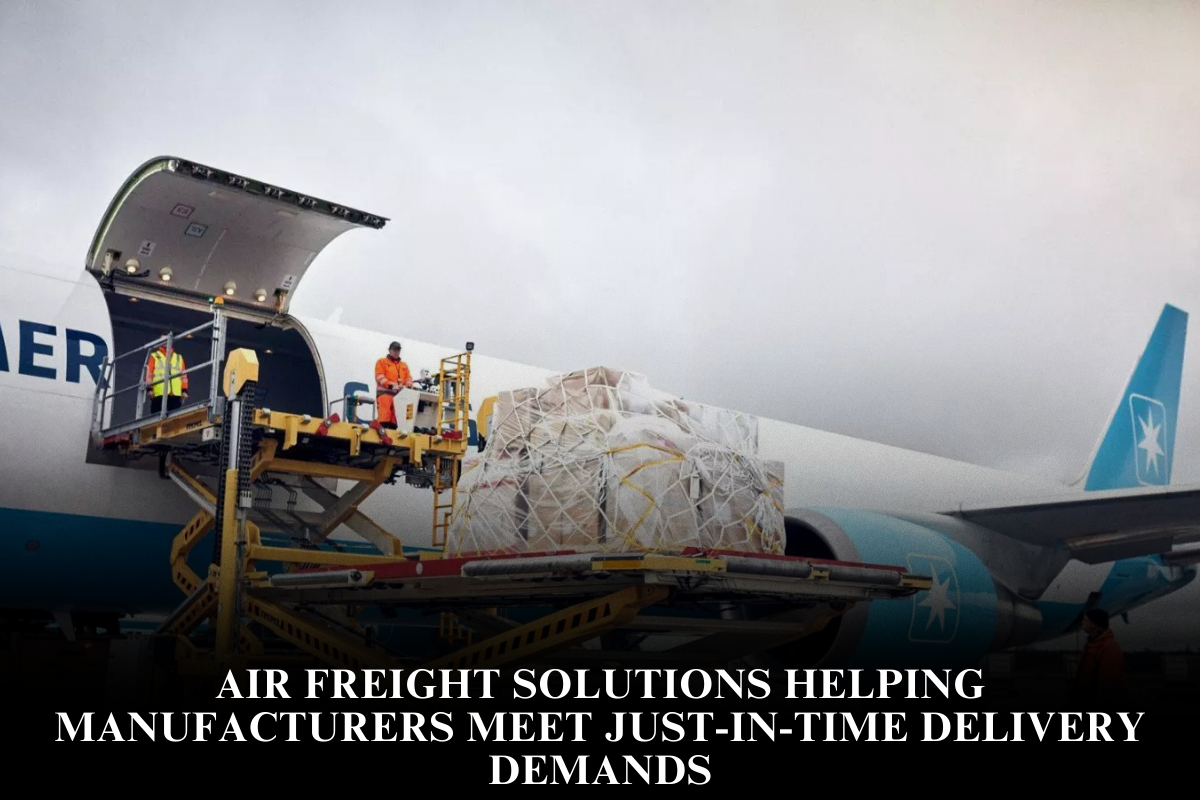
Priority handling, pre-arranged loading instructions, and efficient transfer processes reduce dwell time at airports. These measures are especially important at major international hubs where congestion can significantly affect transit schedules.
Tailored Solutions for Time-Critical Cargo
Not all shipments have the same urgency. Strategic air freight solutions align service levels with cargo priorities, ensuring that time-critical goods receive expedited handling and routing.
For industries such as pharmaceuticals, aerospace, and manufacturing, this tailored approach ensures production continuity and compliance with strict delivery windows, further reducing the risk of costly delays.
Risk Management and Contingency Planning
Strategic air freight providers build contingency planning into every shipment. By analyzing historical data, seasonal trends, and geopolitical factors, they anticipate risks that could cause delays.
Alternative routes, backup carriers, and flexible scheduling are prepared in advance. When disruptions occur, these contingency plans allow shipments to transition smoothly without significant schedule impact.
Cost Control Through Delay Reduction
While air freight is a premium transport mode, delays significantly increase hidden costs such as storage fees, missed sales opportunities, production stoppages, and customer dissatisfaction.
By reducing transit delays, strategic air freight solutions improve cost efficiency across the supply chain. Reliable delivery timelines enable better inventory planning and reduce the need for costly emergency shipments.
Frequently Asked Questions (FAQ)
Q. What causes most air freight transit delays?
Common causes include capacity shortages, documentation errors, customs clearance issues, airport congestion, and weather disruptions.
Q. How does strategic planning reduce delays?
It identifies potential risks in advance and applies optimized routing, early capacity booking, and contingency plans.
Q. Can air freight delays be completely eliminated?
Not entirely, but strategic solutions significantly reduce their frequency, duration, and impact.
Q. Does real-time tracking really make a difference?
Yes. Visibility allows rapid response to disruptions, preventing minor issues from becoming major delays.
Q. Are strategic air freight solutions only for urgent shipments?
No. They benefit all shipments by improving reliability, predictability, and overall supply chain performance.
Strategic air freight solutions play a vital role in reducing transit delays by combining foresight, expertise, and real-time control. Through proactive planning, strong carrier networks, precise documentation, and rapid response capabilities, these solutions transform air freight into a dependable and resilient logistics option. In an environment where time defines competitiveness, strategic air freight is not just a transport choice—it is a performance advantage.