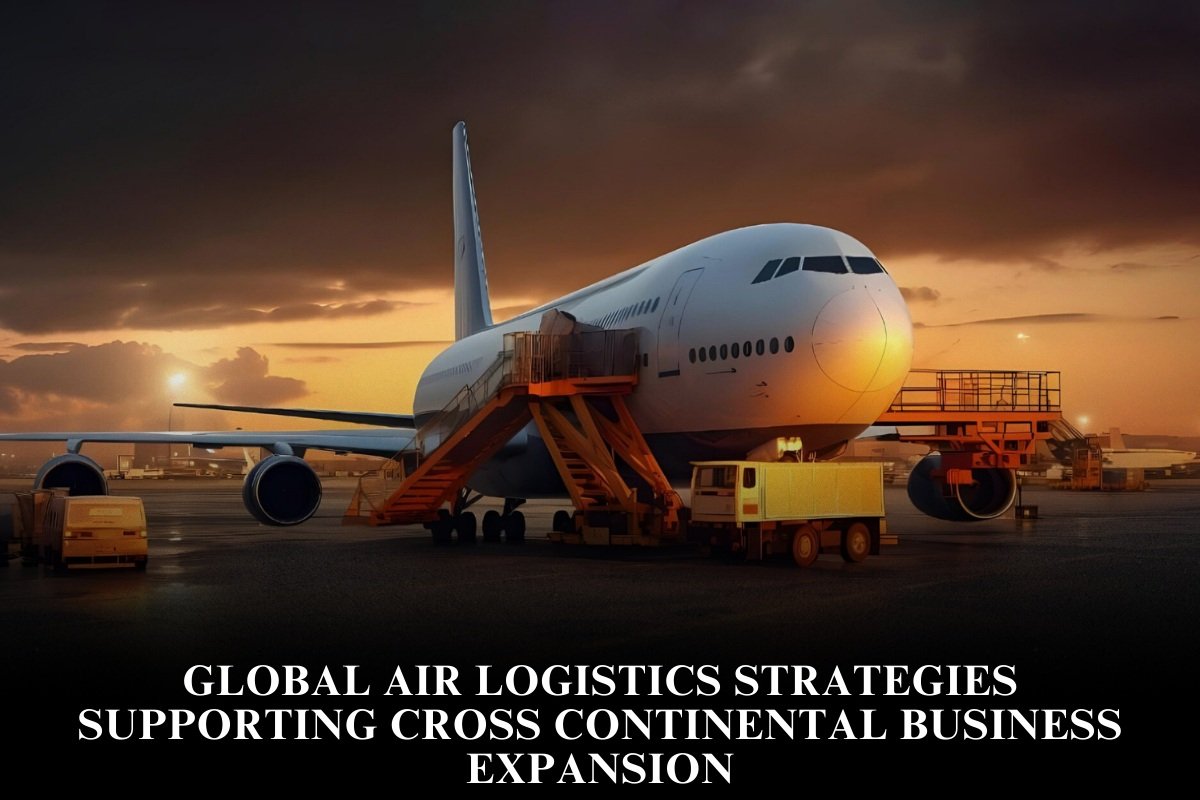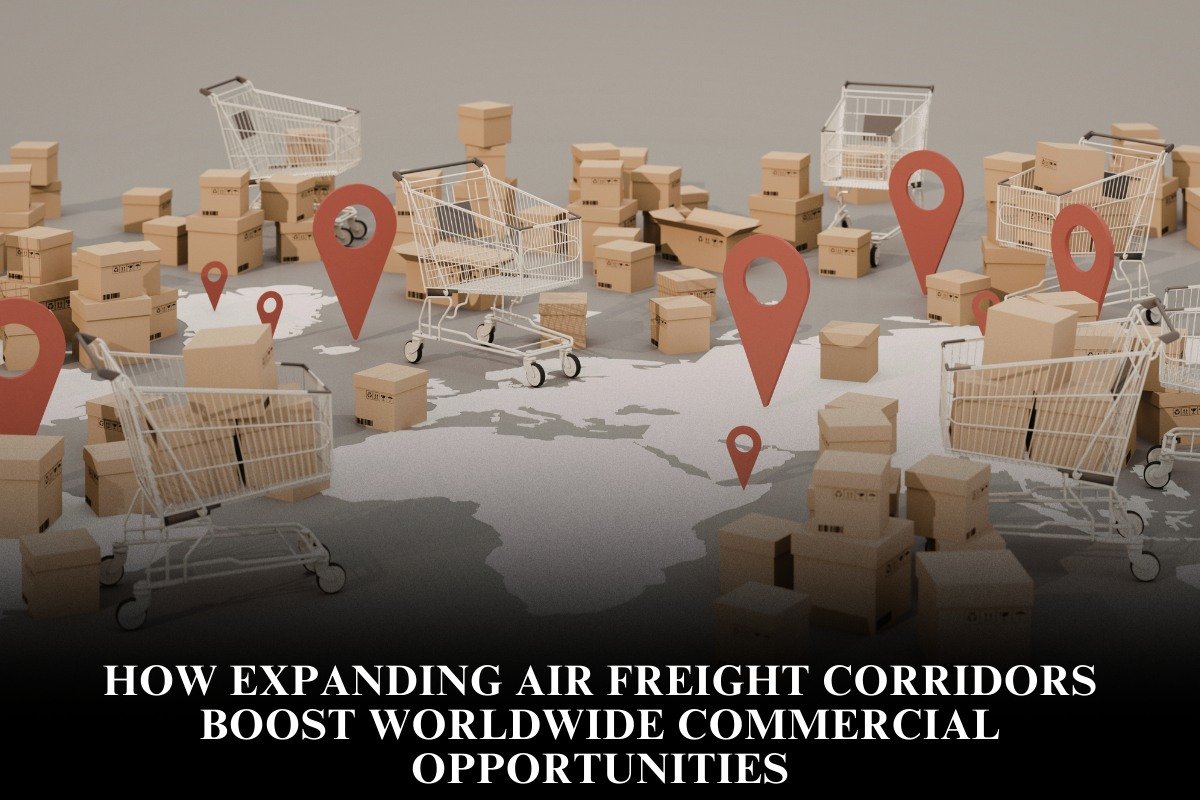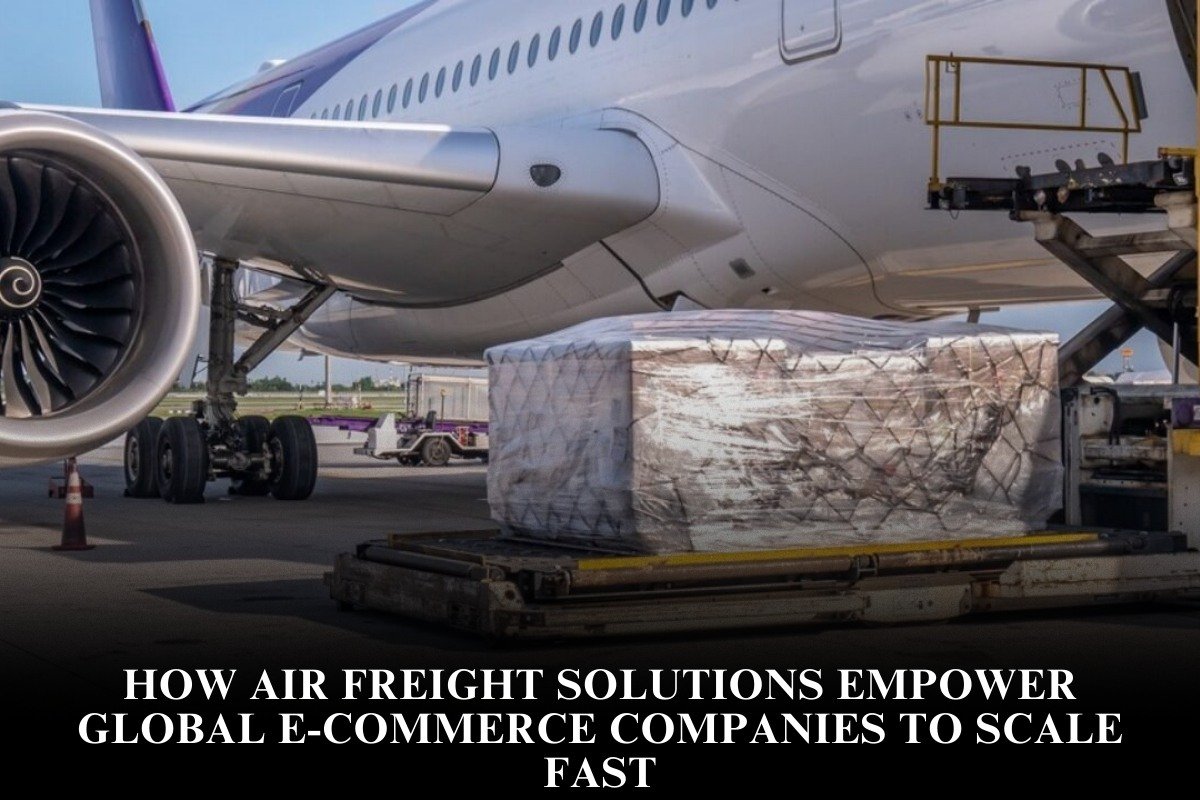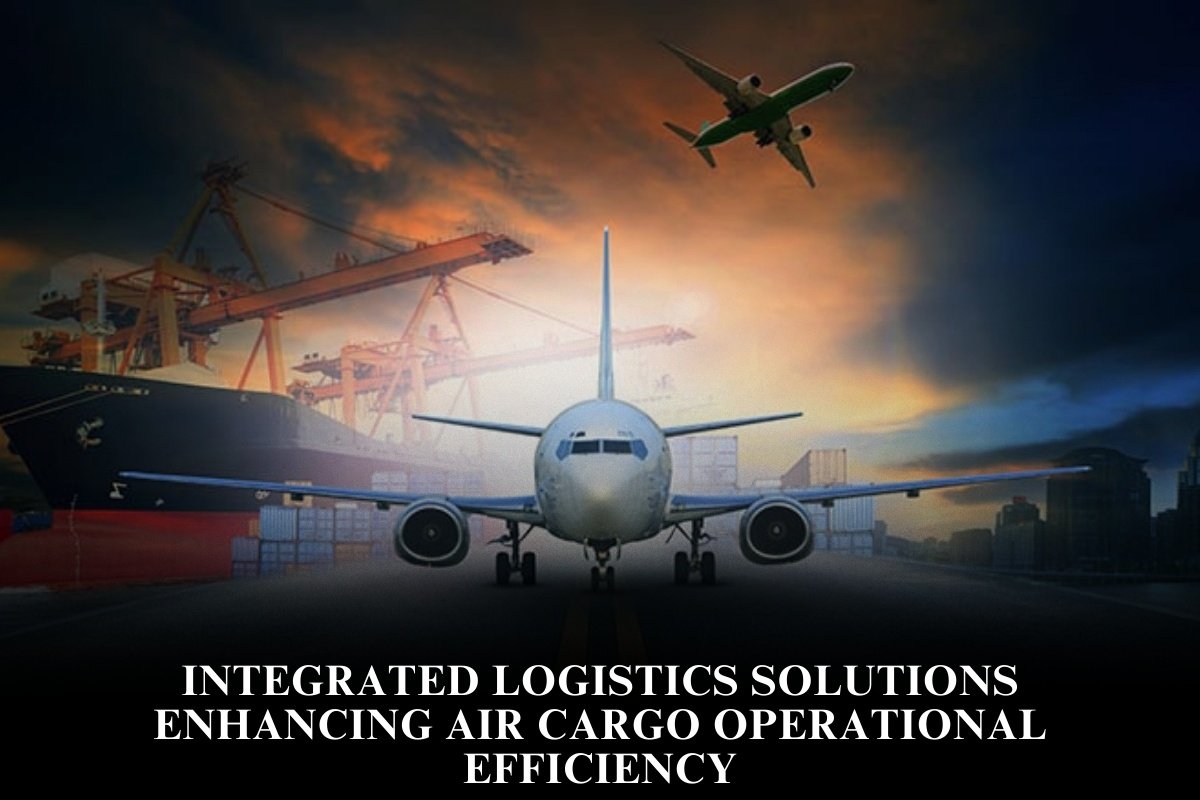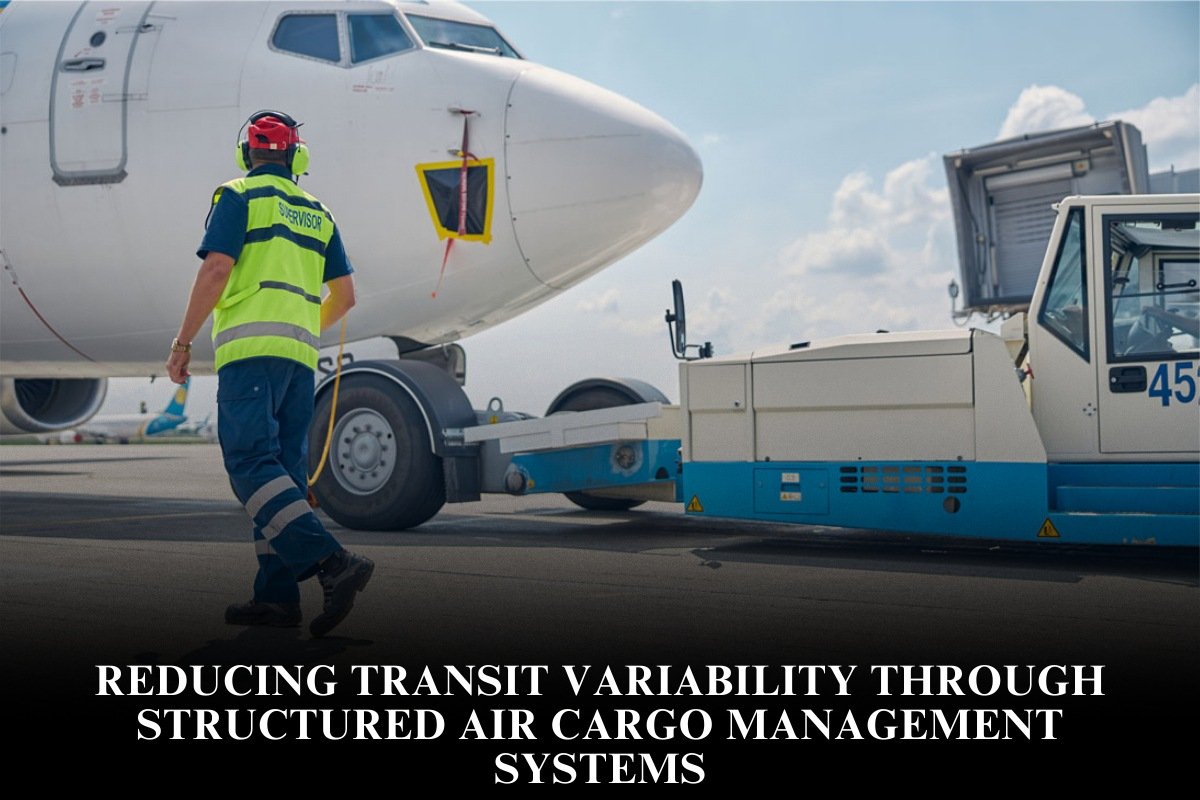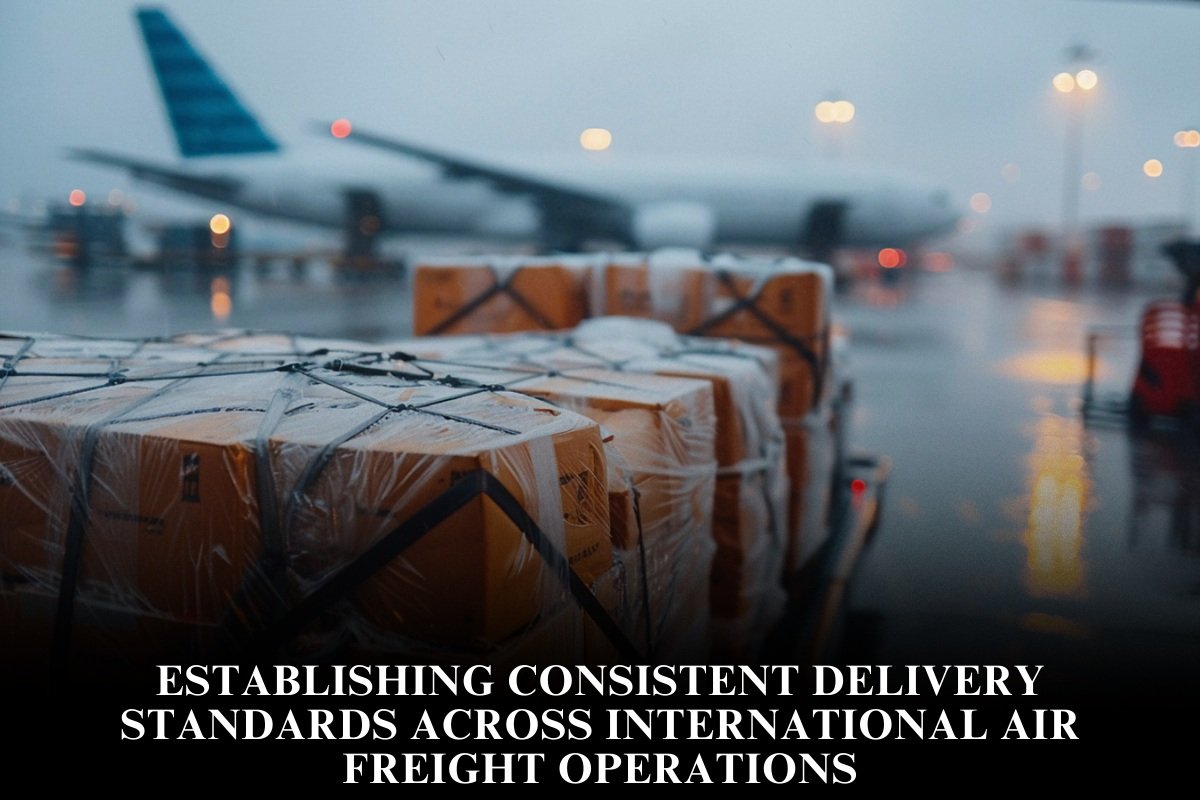
Expanding market reach through efficient international air freight operations empowers U.S. businesses to access global consumers swiftly, with the domestic market projected to grow from $19.1 billion in 2025 to $30.8 billion by 2030—a 39.5% value increase fueled by e-commerce and supply chain agility. Air freight’s speed (overnight delivery) suits high-value perishables and time-sensitive goods, outpacing ocean by 4-8 times despite 4-5x costs.
Strategic Advantages of Air Freight
Air cargo handles 35% of global high-value trade value despite 0.5% volume, ideal for electronics, pharma, fashion amid e-commerce boom (U.S. $1.39T by 2025). Hubs like Memphis (FedEx), Louisville (UPS), Miami facilitate seamless domestic-international flow, cutting lead times 50-70% vs. sea. Reliability (98% on-time) mitigates disruptions like Suez delays, expanding reach to Asia/Europe/LatAm.
Optimizing Operations for Efficiency
Digital platforms—FedEx SenseAware, UPS tracking—offer real-time visibility, reducing losses 20-30% via IoT sensors for temp/humidity. Automation in hubs (CVG-Nagoya route) streamlines customs; AI optimizes routes/fuel, saving 10-15%. Consolidators bundle shipments, lowering per-kg costs 20-40% for SMEs. Partnerships with 3PLs like DHL/XPO provide end-to-end, integrating first/last-mile.
Navigating U.S. Regulatory and Infrastructure Landscape
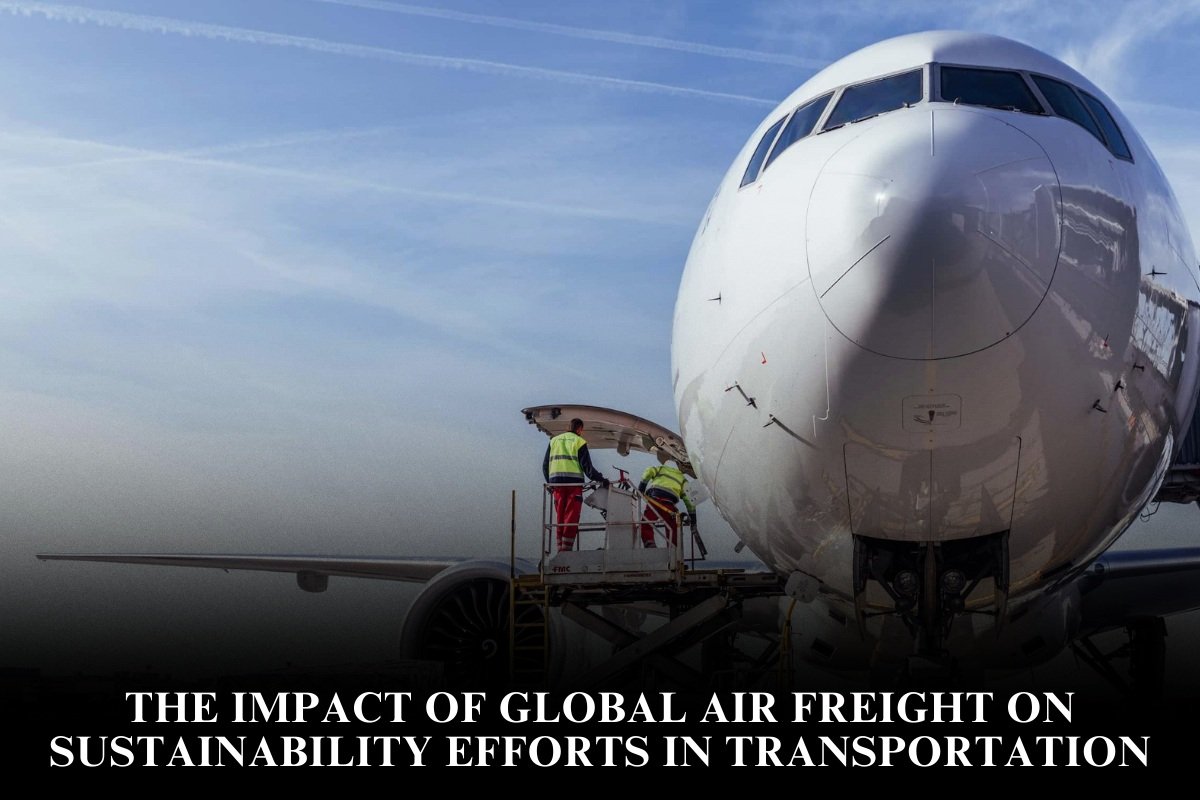
FAA/EPA rules mandate compliance (e.g., lithium batteries); hubs like DFW/MIA handle 10M+ tons yearly with advanced security. USMCA eases North America flows; grants fund sustainable fuels (SAF cuts CO2 80%). Carriers like Amazon Air invest $10B+ in fleets, boosting capacity 20%.
Case Studies of Market Expansion
Nippon Express’s CVG-Chubu service targets Ohio manufacturing; Pro Carrier’s U.S.-UK/EU end-to-end taps e-commerce. Retailers shift 20% ocean to air for speed; pharma (vaccines) relies 50% on air. SMEs gain 25% revenue via platforms reaching new markets.
Cost Management and Sustainability Trends
Per-kg rates $3-7 (vs. sea $0.50); efficiency via consolidation/yield management cuts 15%. SAF adoption (5% now, 10% 2030) and electric cargo (UPS tests) align ESG, attracting investors.
Efficient air freight propels U.S. firms to global dominance.
Frequently Asked Questions (FAQs)
Q. U.S. air freight market size/growth?
$19.1B 2025 to $30.8B 2030 (39.5% increase).
Q. Why air over ocean?
4-8x faster for high-value/time-sensitive goods.
Q. How save costs?
Digital tracking, consolidation, AI routes cut 10-40%.
Q. Key U.S. hubs?
Memphis, Louisville, Miami, DFW for global links.
Q. Sustainability efforts?
SAF (80% CO2 cut), electric tests by UPS/FedEx.