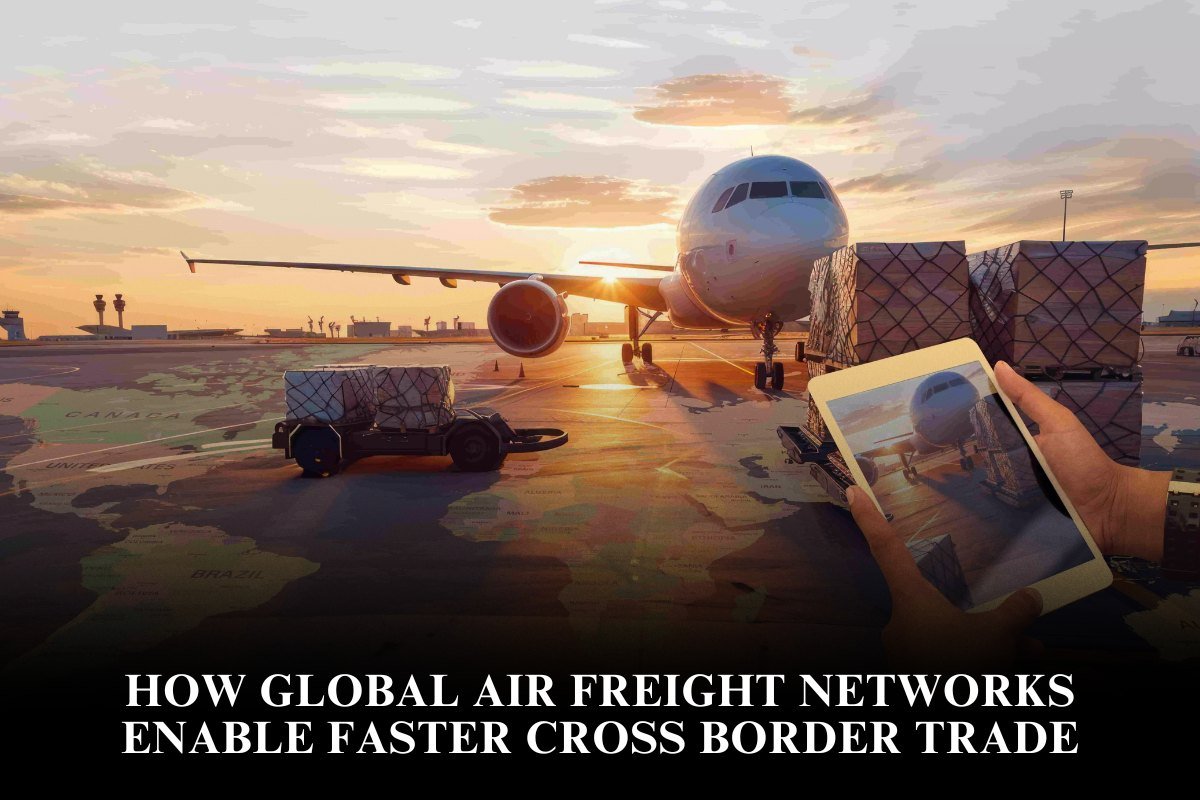
In an increasingly interconnected world, speed has become a defining factor in global commerce. Businesses today are expected to move goods across continents in days—or even hours—while maintaining reliability, transparency, and cost control. At the center of this high-speed global exchange are global air freight networks, which play a critical role in enabling faster and more efficient cross-border trade.
This article explores how air freight networks function, why they are essential to modern trade, and how they continue to shape the global economy.
Understanding Global Air Freight Networks
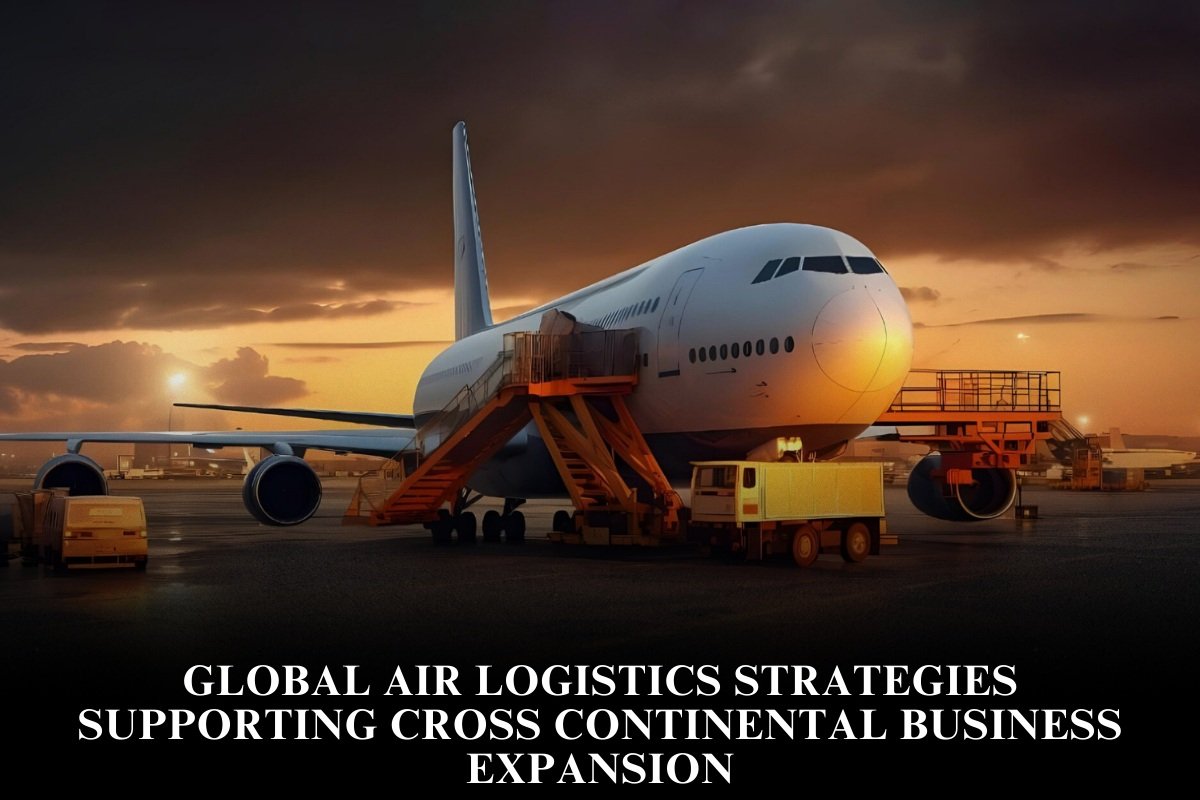
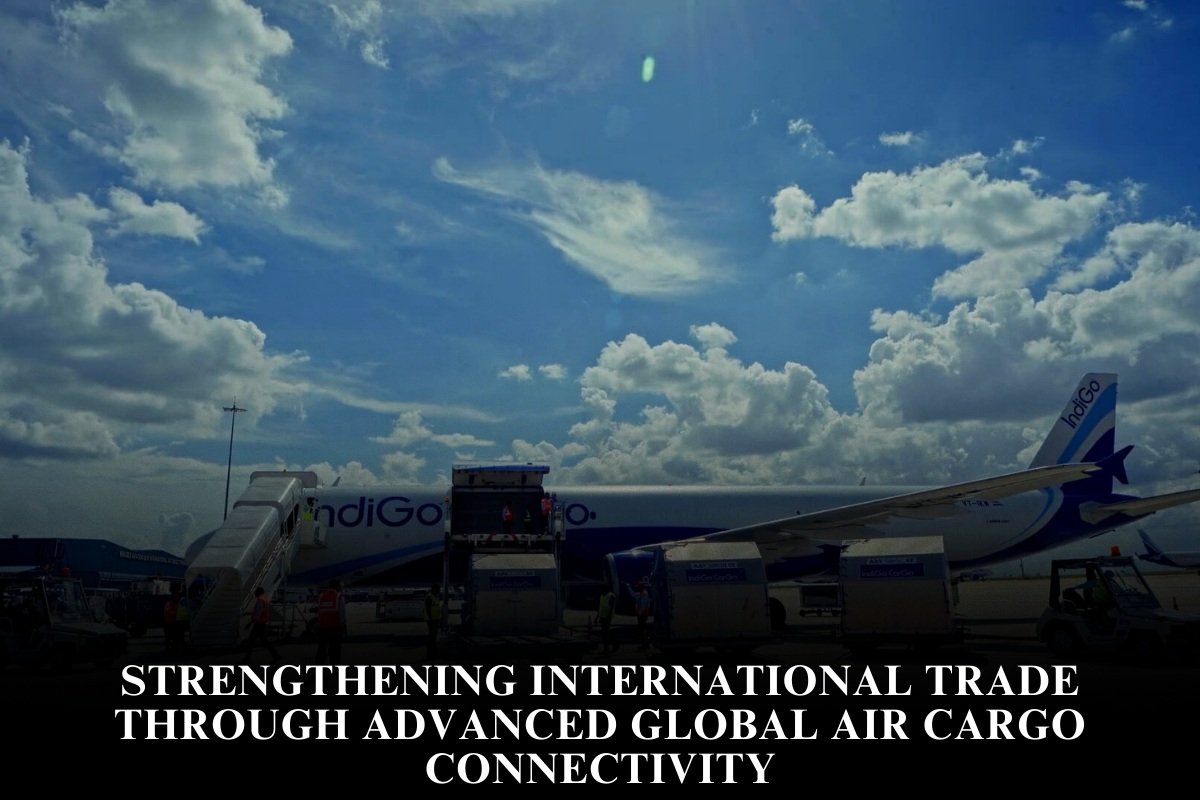
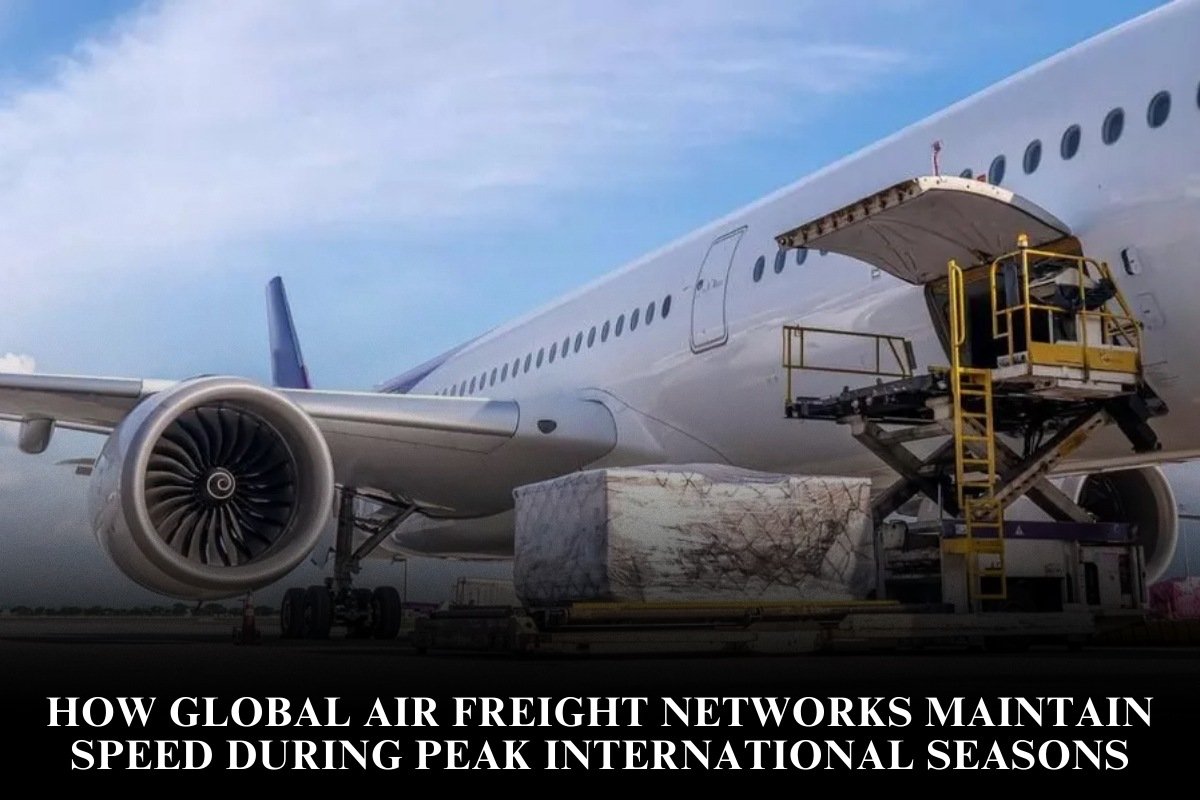
Global air freight networks consist of airlines, cargo aircraft, hub airports, logistics providers, customs systems, and digital platforms that work together to transport goods internationally by air. Unlike ocean or land freight, air freight prioritizes speed and reliability, making it indispensable for time-sensitive and high-value shipments.
Organizations such as International Air Transport Association help coordinate standards, safety regulations, and operational frameworks that allow thousands of flights to move cargo seamlessly across borders every day.
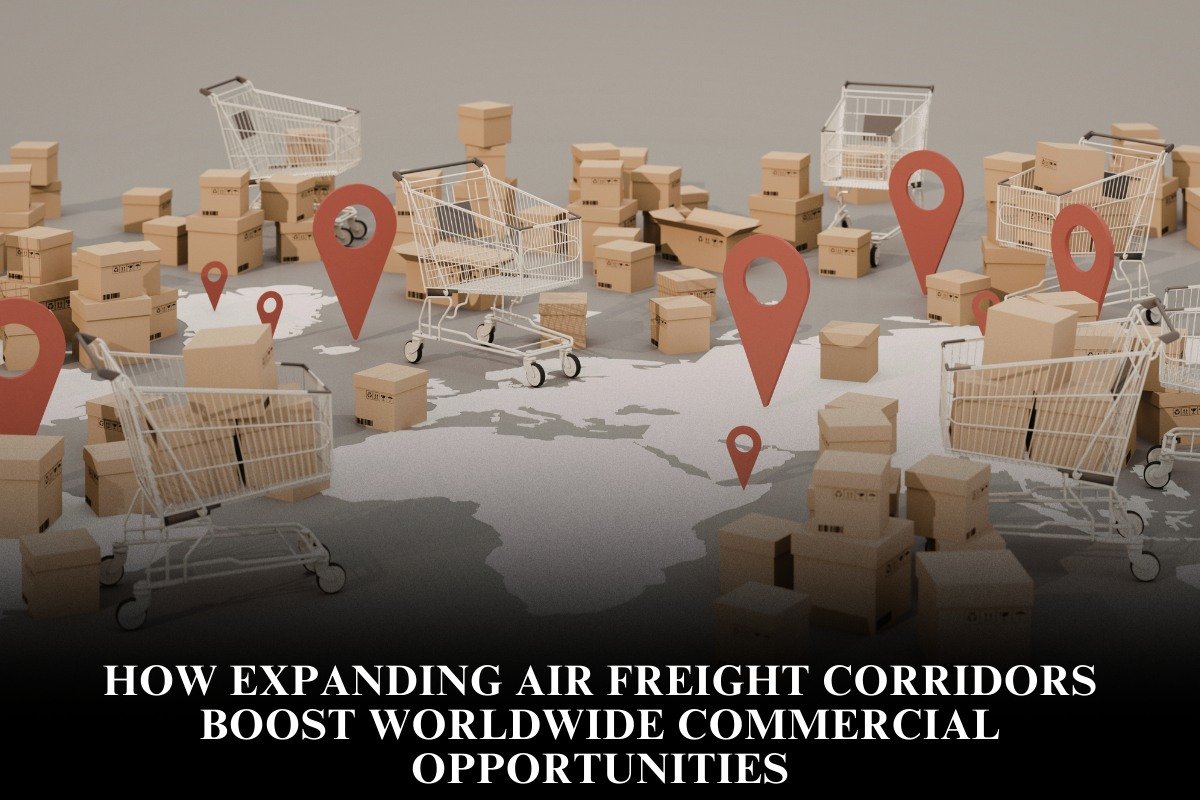
These networks connect manufacturers, suppliers, distributors, and consumers through a web of global air routes that span nearly every major market in the world.
Speed as a Competitive Advantage in Cross-Border Trade
The most significant contribution of air freight networks is speed. While ocean shipping may take weeks, air freight can move goods between continents within 24 to 72 hours. This speed enables businesses to:
- Respond quickly to changing market demand
- Reduce inventory holding costs
- Support just-in-time manufacturing models
- Minimize disruptions caused by supply chain delays
For industries such as electronics, pharmaceuticals, automotive components, and fashion, speed is not just a convenience—it is a competitive necessity.
Hub-and-Spoke Systems: The Backbone of Efficiency
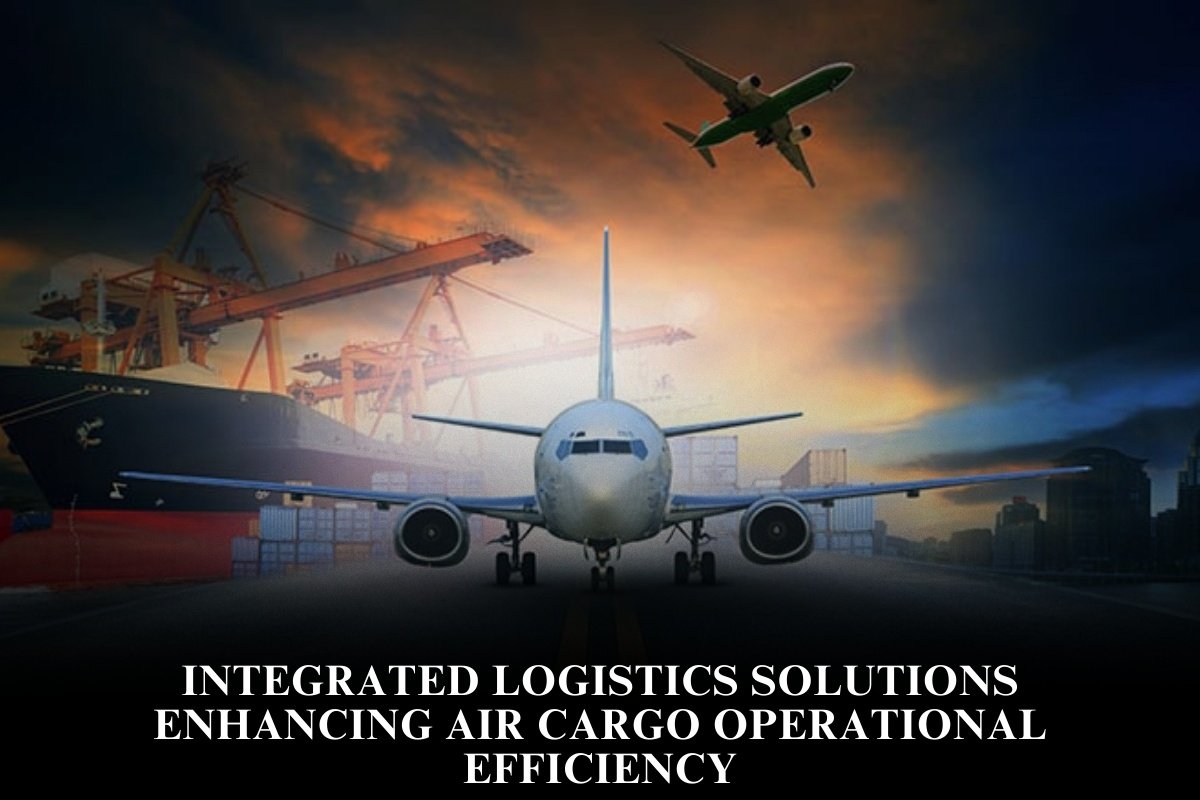
Most global air freight networks operate using a hub-and-spoke model. Cargo is consolidated at major international hubs before being redistributed to regional or local destinations. Key cargo hubs like Frankfurt, Memphis, Dubai, Hong Kong, and Singapore act as central arteries in global trade flows.
Integrated logistics companies such as FedEx and DHL rely heavily on this system to ensure overnight or two-day delivery across borders.
This structure allows airlines to:
- Maximize aircraft utilization
- Optimize routing and scheduling
- Reduce transit times and costs
- Improve reliability and tracking
Digitalization and Real-Time Visibility
Modern air freight networks are powered by advanced digital technologies. Real-time tracking, electronic air waybills (e-AWB), and automated customs documentation have transformed how cargo moves internationally.
Digital integration enables:
- Faster customs clearance
- Reduced paperwork and human error
- End-to-end shipment visibility
- Predictive analytics for route optimization
These innovations help customs authorities and logistics providers work in parallel rather than sequentially, significantly reducing border delays.
Supporting High-Value and Time-Critical Industries
Air freight networks are especially critical for industries where delays can lead to major financial or societal consequences.
Pharmaceuticals and Healthcare
Temperature-controlled air cargo ensures rapid delivery of vaccines, biologics, and medical equipment. During global health emergencies, air freight becomes the backbone of international response efforts.
Technology and Electronics
High-value, lightweight goods such as semiconductors and consumer electronics rely on air freight to meet rapid product launch cycles and short life spans.
E-commerce and Retail
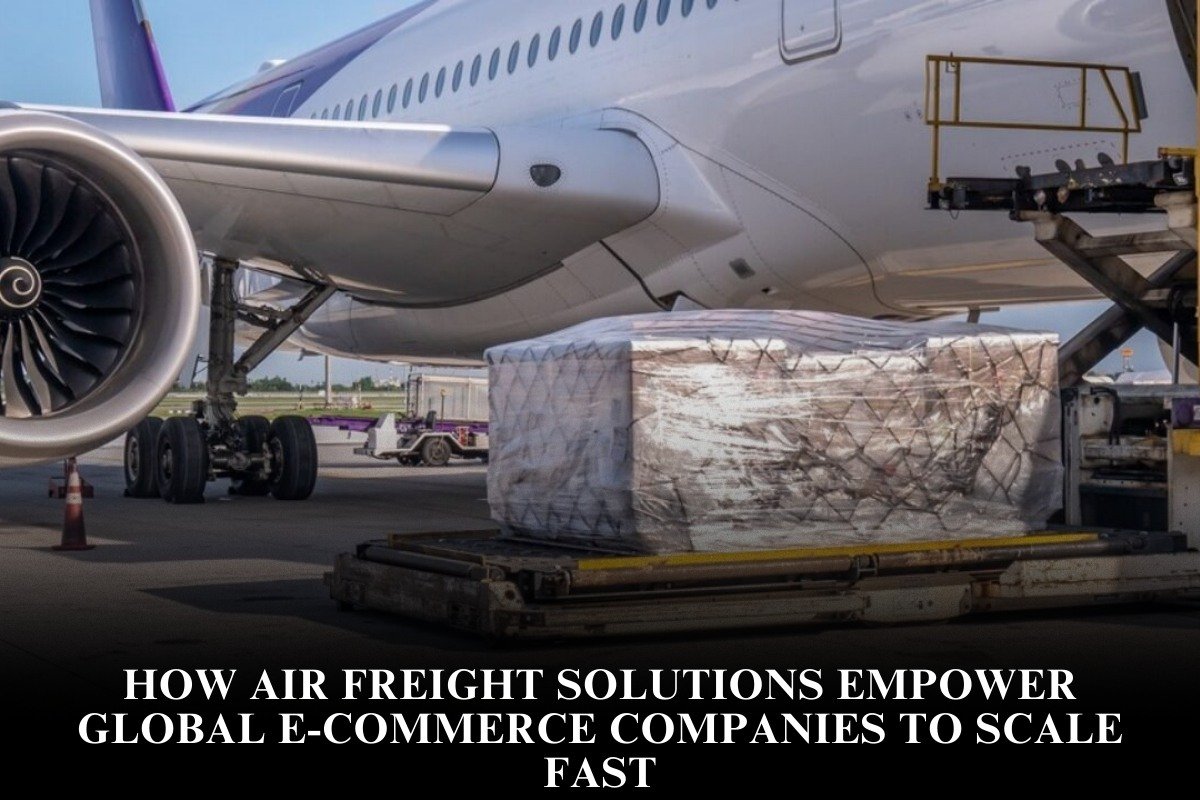
Cross-border e-commerce depends heavily on air freight to meet consumer expectations for fast international delivery, especially for small parcels and express shipments.
Enhancing Trade Connectivity for Emerging Markets
Global air freight networks also play a vital role in integrating developing and landlocked economies into international trade. Countries with limited seaport access or underdeveloped infrastructure can still participate in global markets through air cargo connectivity.
By enabling exports of perishable goods, specialty products, and high-value items, air freight helps emerging economies:
- Diversify exports
- Attract foreign investment
- Support small and medium-sized enterprises (SMEs)
- Create jobs linked to global supply chains
Resilience in Times of Disruption
The COVID-19 pandemic highlighted the resilience and adaptability of air freight networks. When passenger flights were grounded and ocean shipping faced congestion, air cargo stepped in to keep global trade moving.
Cargo-only flights, temporary route expansions, and rapid regulatory adjustments allowed essential goods to continue flowing across borders. This adaptability underscores the strategic importance of air freight in maintaining economic stability during crises.
Sustainability and the Future of Air Freight
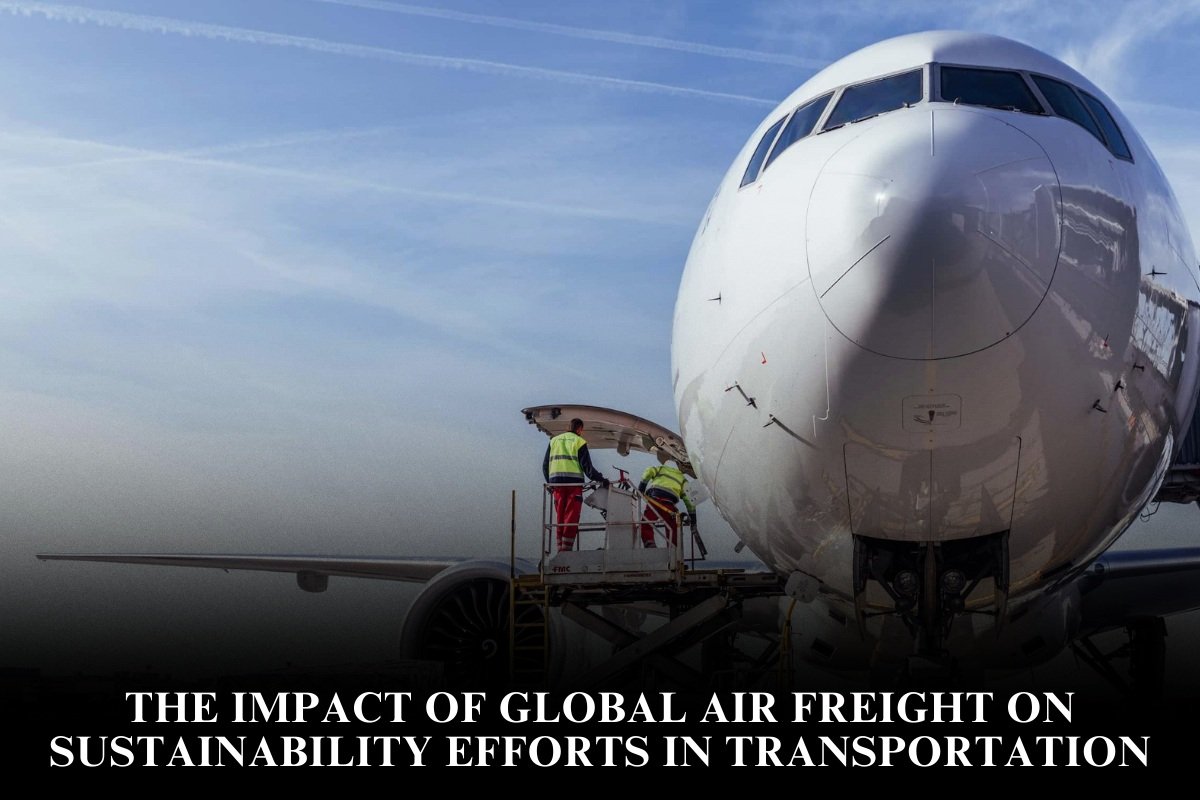
While air freight is faster, it also has a higher carbon footprint compared to other transport modes. As a result, the industry is investing in sustainable aviation fuels, fuel-efficient aircraft, and optimized routing to reduce environmental impact.
Global coordination through industry bodies and regulatory frameworks is helping balance speed, efficiency, and sustainability—ensuring air freight remains viable in the long term.
Global air freight networks are a cornerstone of modern cross-border trade. By combining speed, reliability, digital integration, and global connectivity, they enable businesses to operate efficiently in an increasingly competitive and time-sensitive global economy.
As trade volumes grow and customer expectations rise, air freight will continue to evolve—driving innovation, supporting economic development, and keeping the world connected at altitude.
Frequently Asked Questions (FAQ)
1. Why is air freight faster than other modes of transport?
Air freight bypasses geographical barriers and uses direct flight routes, significantly reducing transit time compared to sea or land transport.
2. Is air freight only used for expensive goods?
While commonly used for high-value items, air freight is also critical for perishable, time-sensitive, and emergency shipments regardless of value.
3. How do air freight networks handle customs clearance?
Digital documentation, pre-clearance systems, and coordinated customs processes allow shipments to be cleared faster, often before arrival.
4. What role do cargo hubs play in air freight networks?
Cargo hubs consolidate shipments, optimize routing, and enable efficient redistribution, forming the backbone of global air freight operations.
5. Will air freight remain important in the future?
Yes. Despite sustainability challenges, ongoing innovation and global trade growth ensure air freight will remain essential for fast cross-border commerce.