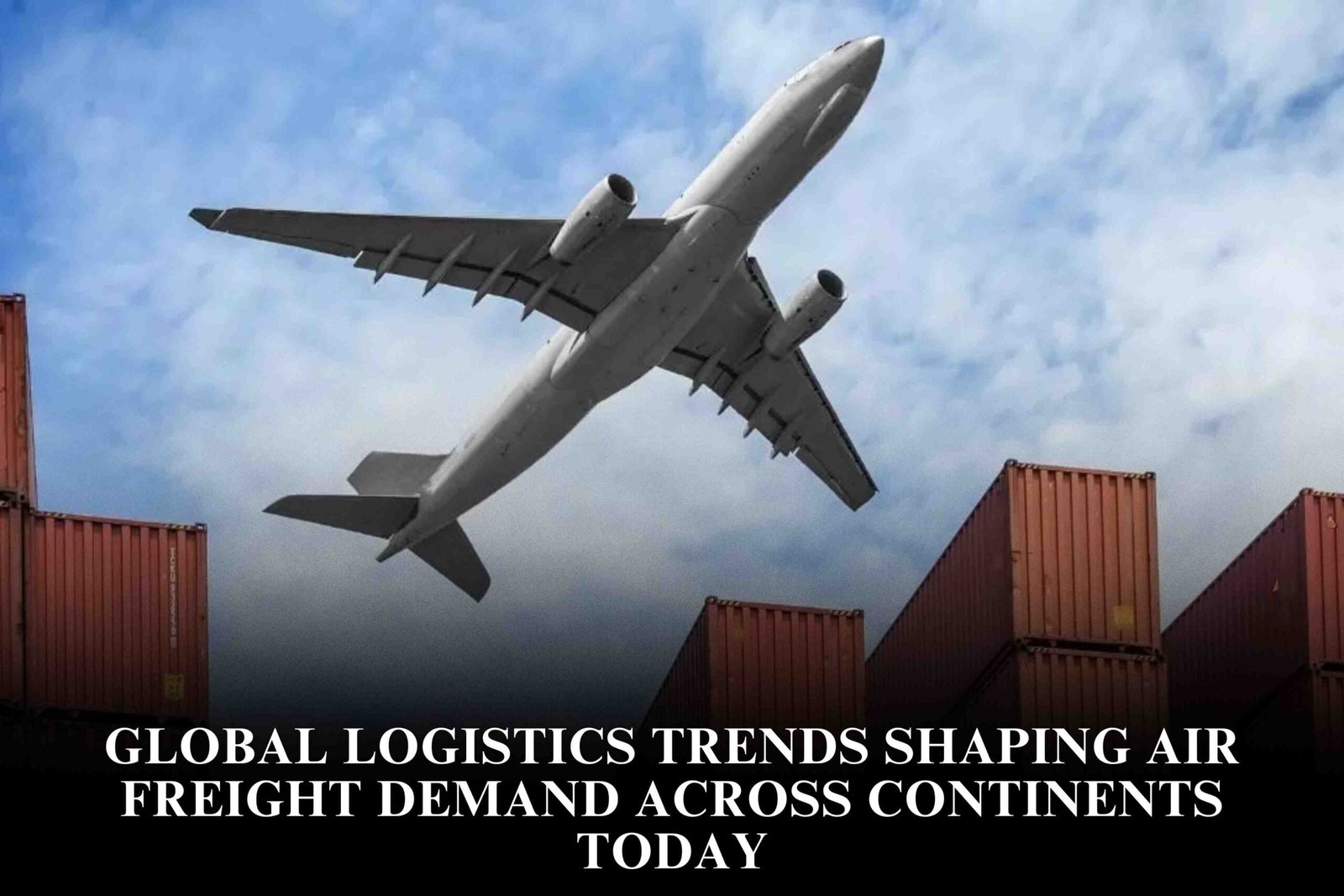
The global logistics landscape is in a state of flux, driven by shifting trade patterns, technological innovation, evolving consumer expectations, and macroeconomic pressures. Among the many modes of freight transport, air freight stands out for its speed, reliability, and ability to respond to urgent delivery demands.
In an era defined by supply chain uncertainties and competitive retail environments, air cargo continues to evolve with trends that vary across continents. This article examines the major forces shaping air freight demand in 2025–2026, offering insights into market dynamics, regional variations, technological impacts, and future prospects.
E-Commerce: The Primary Driver of Air Freight Growth
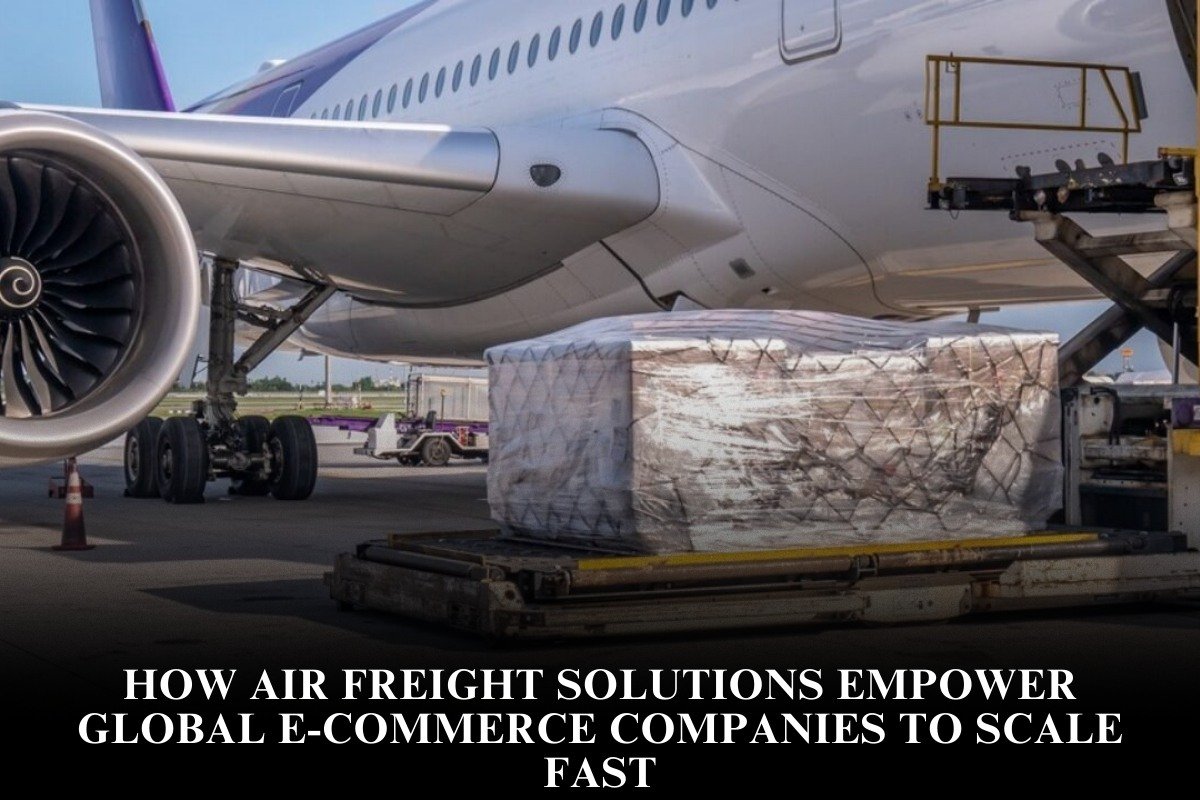
E-commerce remains the most powerful engine behind rising air freight demand. Global online shopping has expanded rapidly, encouraging retailers and logistics providers to adopt air cargo for international deliveries that meet consumers’ expectations for speed and reliability.
Major platforms increasingly rely on air freight to uphold delivery promises, particularly for high-value and time-sensitive goods such as electronics, fashion items, and pharmaceuticals. Projections suggest that e-commerce shipments transported by air will continue growing robustly, making up a significant portion of total cargo volumes year-on-year.
This trend is especially pronounced in regions like Asia-Pacific, where digital retail markets are booming. With burgeoning middle-class demand and expanding internet penetration, cross-border and domestic air cargo shipments have surged, positioning the region as a leading contributor to air freight growth.
Supply and Demand: A Persistent Imbalance
Despite increasing demand, capacity growth in air freight has lagged behind. Air cargo capacity — measured in available cargo tonne-kilometers — has expanded only moderately, while demand often outpaces this growth by a wider margin. This supply-demand imbalance has helped keep freight rates elevated in many corridors and pressured carriers to optimize existing capacity.
However, there are signs of softening in some markets, with recent reports indicating a cooling in growth rates and downward pressure on spot rates as capacity catches up in certain lanes. Overall, though, capacity constraints remain a moderating influence on supply growth, sustaining a structural imbalance that favors carriers on key routes.
Regional Patterns Across Continents
Asia-Pacific: Engine of Growth
The Asia-Pacific region continues to dominate global air freight demand, driven by manufacturing exports, e-commerce shipments, and expanding trade with Europe and North America. Recent data shows the region recording strong year-on-year growth in cargo volumes, with intra-Asia trade lanes remaining particularly dynamic.
Countries like China, India, and Vietnam have emerged as critical nodes in global supply chains, further stimulating air cargo activity. China’s significant export base and India’s growing role in electronics and pharmaceutical logistics are important contributors to the region’s air freight momentum.
Europe: Stability with Select Growth
Europe has shown consistent but modest increases in air freight volumes. Trade lanes between Europe and Asia have exhibited robust growth, reflecting strong intercontinental commercial links. Conversely, some intra-European routes have seen slower or even slight contractions in activity.
Efficiency enhancements at major European hubs and investments in cargo-specific terminals are expected to support future growth, particularly for high-value exports and time-critical imports.
North America: Mixed Demand Signals
North America’s air freight market has experienced mixed signals in 2025. While certain lanes have seen growth, others, particularly the transPacific routes to Asia, have been challenged by trade-policy shifts and economic headwinds, leading to fluctuating demand.
The extension of tariff truces between the U.S. and China has offered temporary stability in cargo flows, though overall volumes remain below historic peak levels.
Africa and Middle East: Emerging Opportunities
Air freight demand across Africa has recorded notable expansion, with some of the highest regional growth rates globally, albeit from a smaller base. This highlights emerging opportunities in intra-continental trade and regional value chains.
The Middle East, anchored by major hubs like Dubai and Doha, continues to position itself as a global transshipment center, benefiting from strategic geography and robust infrastructure investments.
Technological Transformation in Air Logistics
Digitalization and Automation
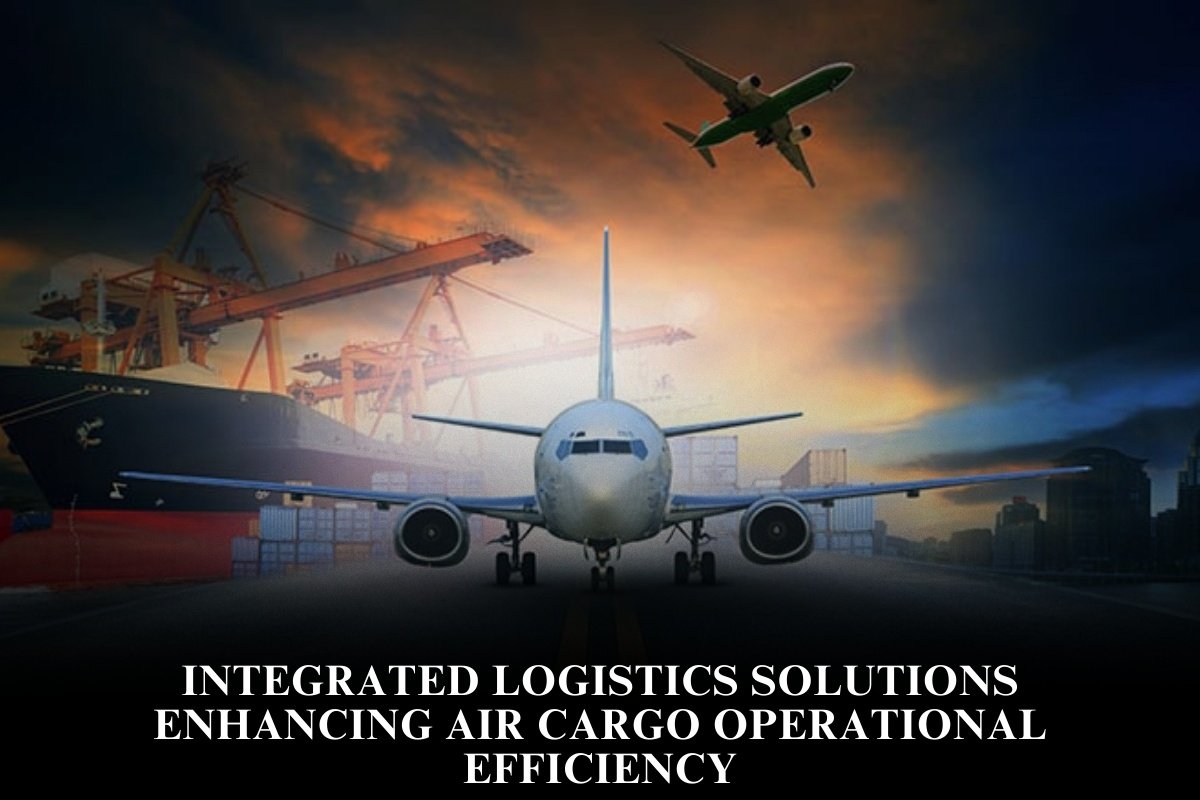
Air freight logistics has increasingly embraced digital transformation. Technologies such as artificial intelligence (AI)-driven route planning, blockchain documentation, predictive analytics, and IoT-enabled tracking systems are becoming integral to operations, improving visibility, reducing delays, and enhancing customs processes.
These innovations are particularly impactful for complex multimodal supply chains where real-time data and transparency are essential for decision-making.
Sustainability and Green Logistics
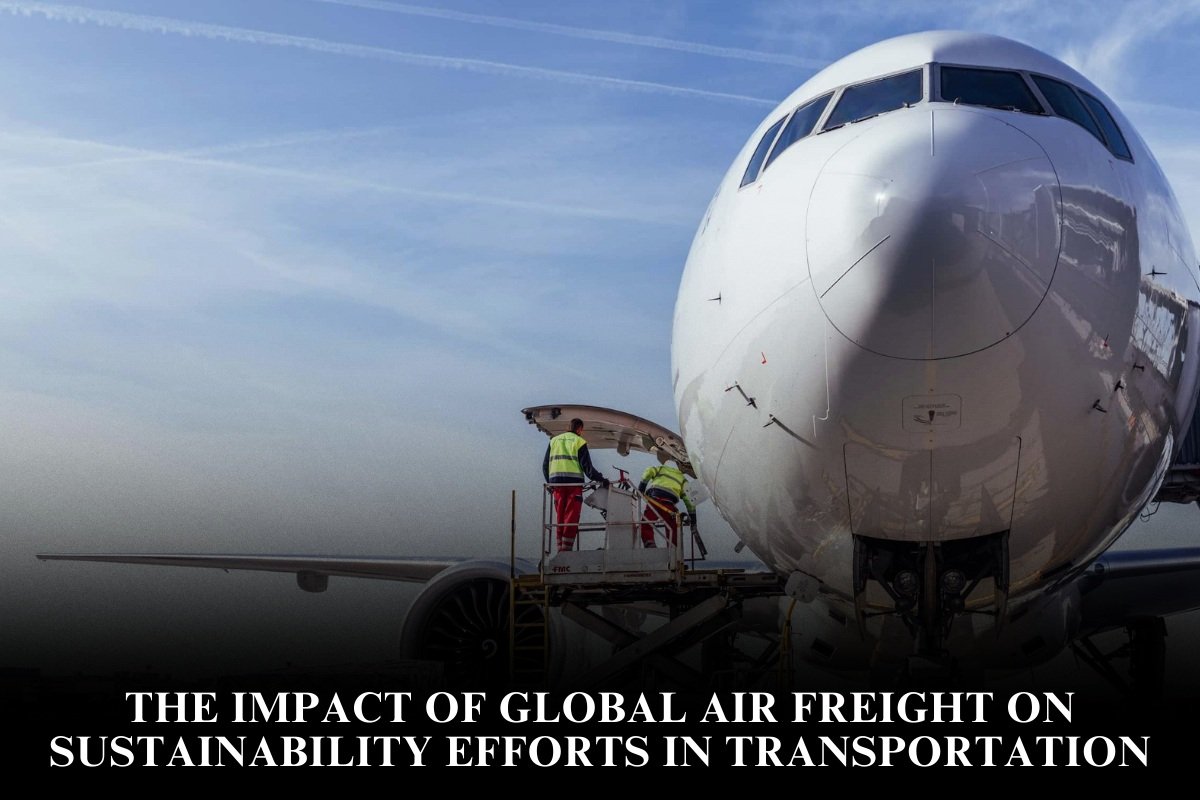
Environmental sustainability has become a core concern for logistics providers and regulators. The industry is responding with investments in sustainable aviation fuels (SAF), fuel-efficient aircraft, and more eco-friendly ground operations. These shifts are driven by both regulatory requirements and consumer expectations around carbon footprint reduction.
Despite higher short-term costs, sustainability initiatives are increasingly seen as strategic investments that contribute to long-term resilience and competitiveness.
Geopolitical and Policy Influences
Trade policies, tariff regimes, and geopolitical uncertainties continue to affect air freight demand. Recent changes in trade relations, particularly between major economic powers, have led supply chain planners to reassess routing patterns, shift sourcing strategies, and consider alternative markets. These influences are reshaping freight flows and sometimes accelerating the shift from ocean to air transport to avoid delays and risks.
Regulatory changes related to customs, emissions, and safety also shape operational costs and compliance requirements, adding complexity but also driving modernization.
Looking Ahead: Future Prospects for Air Freight
The outlook for global air freight remains cautiously optimistic. Growth in 2025–26 is projected, albeit at more moderate rates than seen during the post-COVID bounce. Continued expansion of e-commerce, combined with global trade diversification and digital logistics advancements, will support demand. However, capacity alignment, cost pressures, and geopolitical volatility are likely to influence the pace and direction of growth.
Frequently Asked Questions (FAQs)
1. What is driving global air freight demand today?
The primary drivers are e-commerce expansion, demand for fast and time-critical deliveries, growth in international trade, and supply chain resilience strategies.
2. How does air freight differ across continents?
Asia-Pacific leads growth due to large export markets and e-commerce; Europe and North America show stable but variable patterns; Africa and the Middle East present emerging opportunities with significant but smaller base volumes.
3. Are air freight rates rising?
Rates have been supported by supply constraints and strong demand, but some recent data show signs of softening in spot rates as capacity increases on selected lanes.
4. What role does technology play in air freight logistics?
Technology enhances efficiency, transparency, and responsiveness through AI planning, IoT monitoring, blockchain documentation, and other digital tools.
5. How do geopolitical factors impact air cargo?
Trade conflicts, tariff policies, and geopolitical instability can reroute traffic, create uncertainty, and encourage shifts between transportation modes.
6. Is air freight demand expected to grow in the future?
Yes, despite moderation in short-term growth rates, long-term projections remain positive due to ongoing e-commerce expansion and global trade diversification.