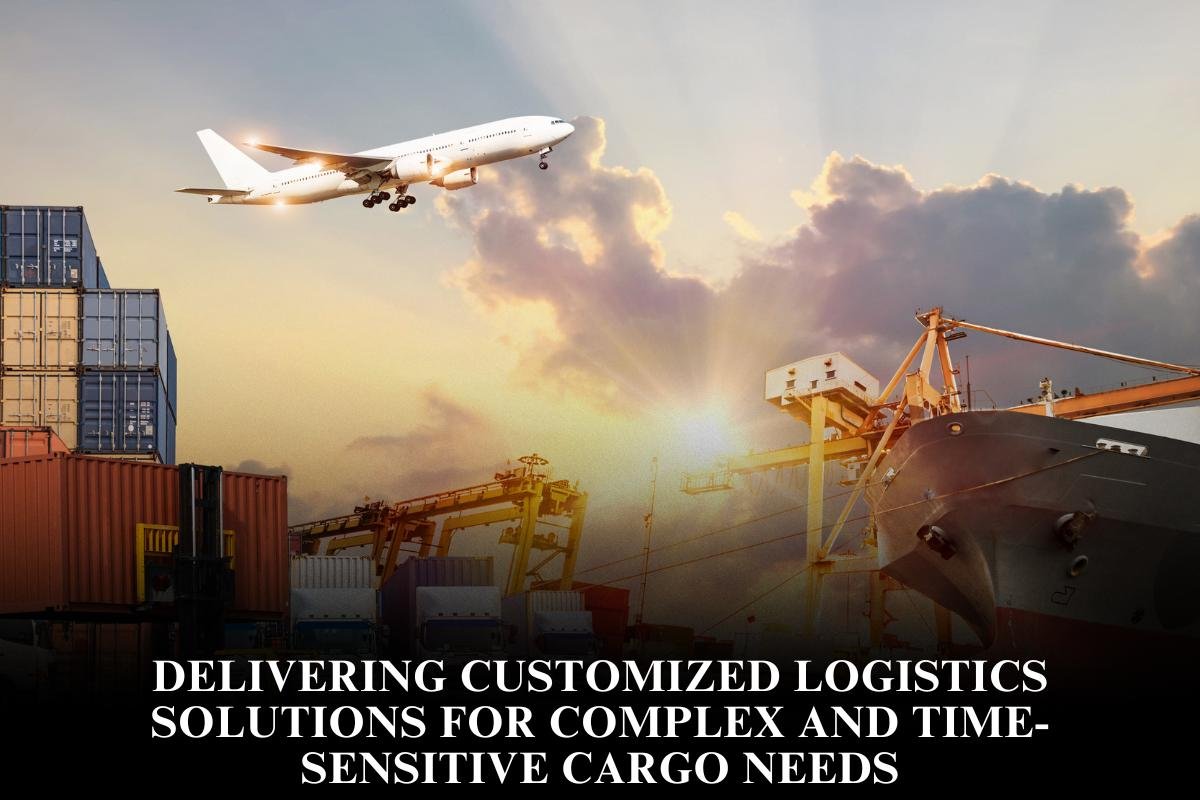
Customized logistics solutions in the United States address the unique demands of complex and time-sensitive cargo, such as pharmaceuticals, electronics, and automotive parts, ensuring precision amid tariffs, regulations, and supply chain disruptions.
With the U.S. air cargo market projected to reach $150 billion by 2033, providers like ITS Logistics tailor DropFleet pools and alternative fuel networks for just-in-time delivery. These strategies empower businesses to navigate 2026 challenges like EV demand shifts and CDL reforms.
Defining Complex and Time-Sensitive Cargo
Complex cargo includes hazardous materials, oversized automotive components, temperature-controlled pharma, and high-value tech requiring specialized handling, security, and compliance. Time-sensitive needs demand 24-48 hour transits for JIT manufacturing or perishables, where delays cost millions—e.g., automakers facing production halts from inbound delays. U.S. solutions integrate multimodal routing, real-time IoT tracking, and AI optimization.
Core Elements of Customized Solutions
Tailored plans begin with granular flow mapping—origins, ports, rail ramps—overlaying tariff exposure and regulatory risks like FMCSA safety tech mandates. Providers engineer hybrid capacity: contracted core lanes with spot flexibility for volatile sourcing from China to Southeast Asia/India. Tech like RPA sorting, AI route forecasting, and GPS milestones ensures end-to-end visibility.
Technology and Innovation Driving Precision
AI/machine learning optimizes demand/capacity, reducing errors via robotic handling; IoT sensors enable pharma cold chain monitoring. Platforms provide dashboards for proactive rerouting around congestion or chassis shortages at inland hubs. Sustainability integrates biodiesel/CNG fleets, aligning with automaker KPIs without compromising speed.
Multimodal and Inland Strategies
For complex loads, ocean-to-rail-truck chains bypass highway bottlenecks; tariff-aware port mixes (Gulf/East Coast) minimize dwell times. Experts like SeaTrans manage heavy/hazardous freight with risk assessments, securing permits for ODC (oversized) automotive. Nearshoring to Mexico leverages multimodal for Q1 2026 surges.
Case Studies in U.S. Execution
ITS Logistics expands trailer pools and fraud prevention for Tier-1 suppliers, protecting schedules amid 2026 disruptions. AMB Logistic redesigns networks for tariff shifts, using compliant carriers for inland resilience. GlobalTranz’s 2026 report highlights AI trends for volatile freight like semiconductors.
Overcoming 2026 Challenges
Tariffs reroute flows, pushing trans-Atlantic capacity to 28-month highs; solutions diversify origins and lock compliant trucking pre-exit of small carriers. Regulatory burdens (emissions, AEB tech) favor established networks; early contracts mitigate capacity crunches.
Building Resilient Partnerships
Select 3PLs with automotive/pharma expertise, integrated trade/logistics teams, and performance SLAs beyond price. Continuous optimization via data turns complexity into competitive edges.
FAQs
1. What qualifies as complex cargo?
Hazardous, oversized, temp-controlled, or high-value items needing specialized handling/compliance.
2. How do providers handle time sensitivity?
JIT routing, AI forecasting, protected capacity for 24-48 hour deliveries.
3. Role of tech in customization?
IoT tracking, RPA, AI for visibility, error reduction, and dynamic rerouting.
4. 2026 tariff impacts?
Sourcing shifts to SE Asia; solutions diversify ports/rail for resilience.
5. Multimodal benefits?
Bypasses congestion, cuts costs for complex inland from ports to factories.