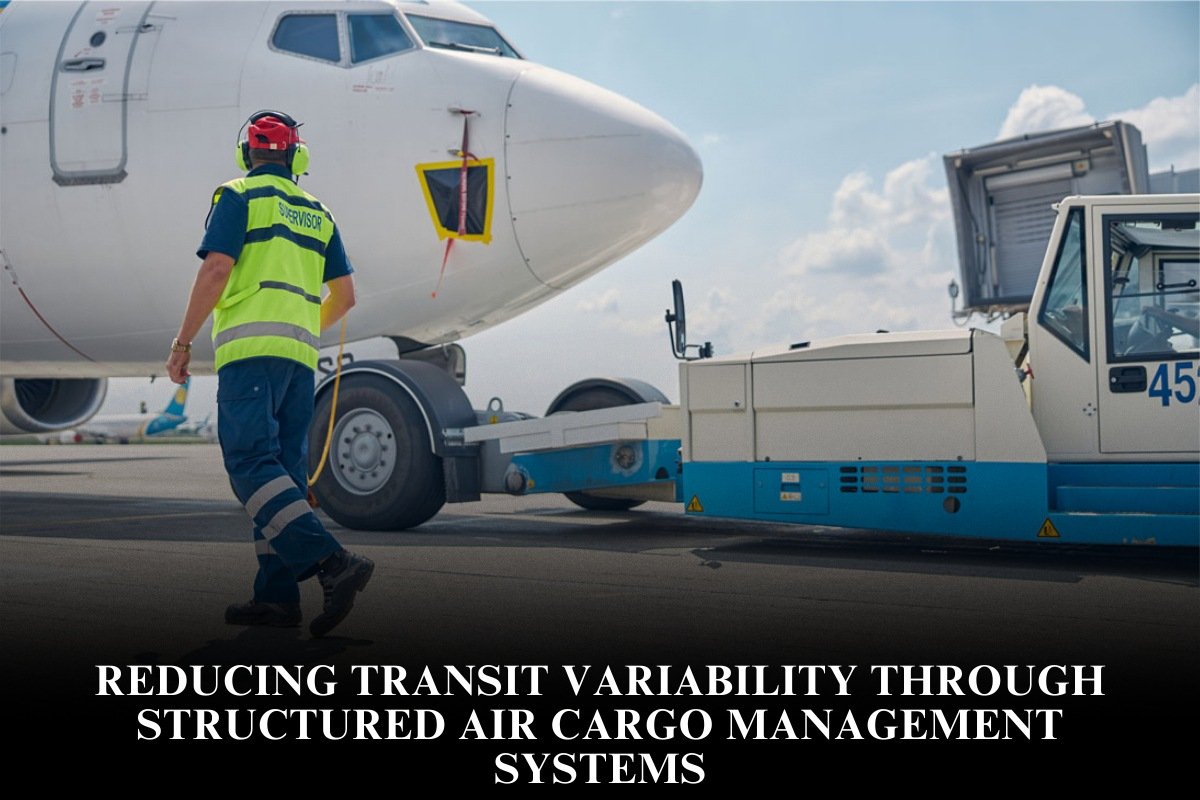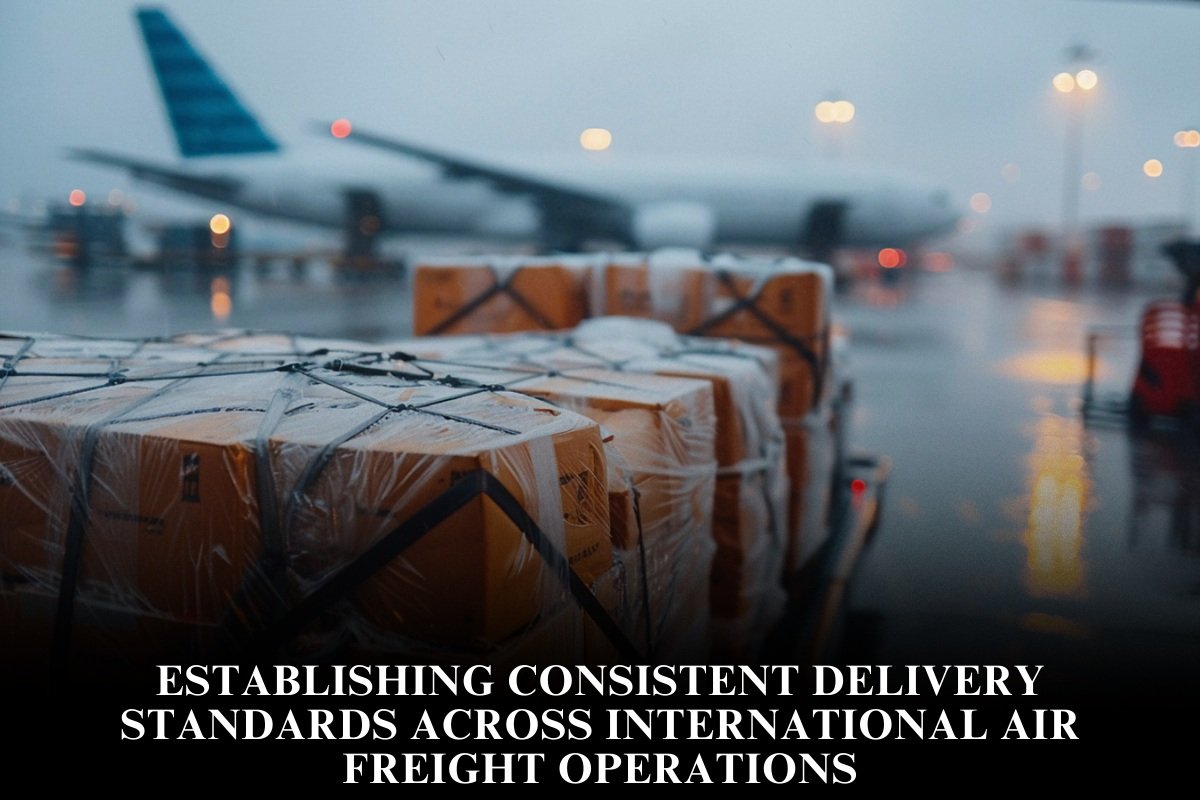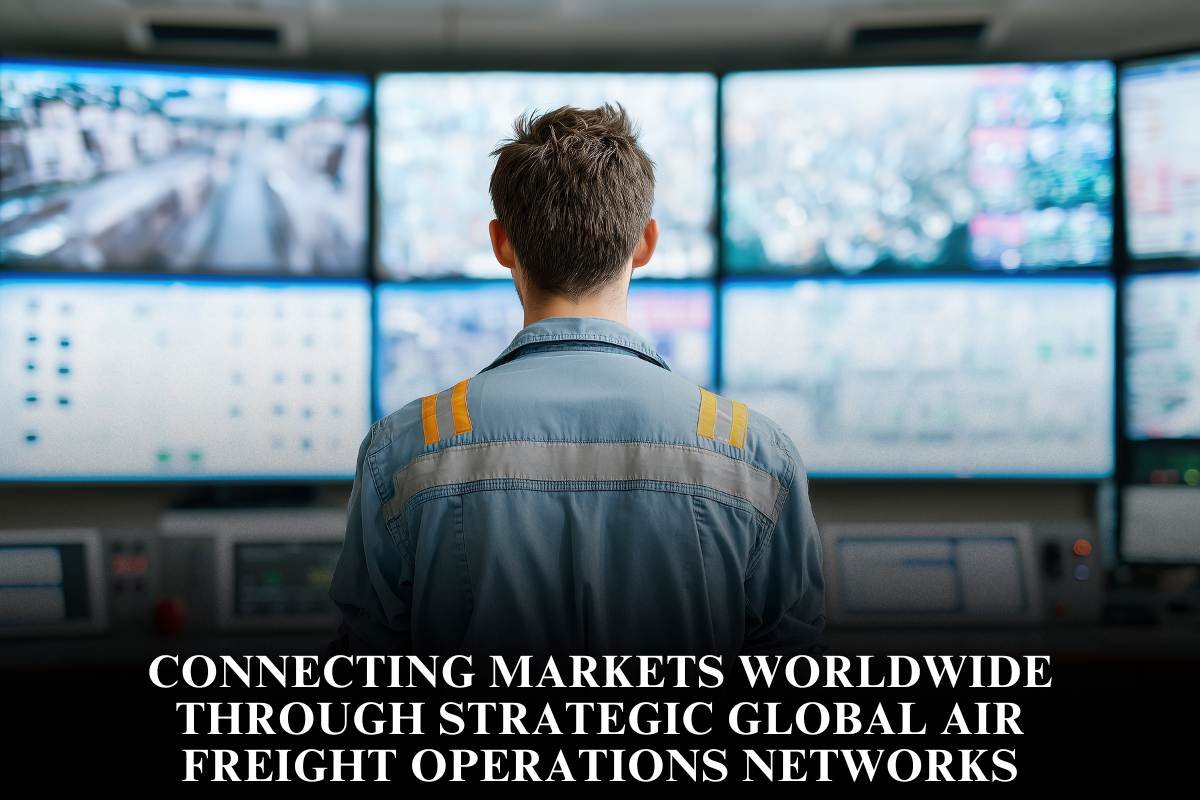
In today’s interconnected world, businesses increasingly rely on efficient and timely global supply chains to maintain their competitiveness. Air freight plays a pivotal role in this global trade network, offering fast and reliable transportation for goods across vast distances.
A strategic air freight operations network is essential for businesses seeking to connect markets worldwide, enabling them to deliver products to customers quickly, reduce shipping costs, and improve overall supply chain efficiency.
This article explores how companies can leverage strategic air freight operations networks to connect markets globally, enhance business performance, and navigate the complexities of international logistics.
The Role of Air Freight in Global Trade
Air freight is one of the fastest modes of transport available, ideal for high-value, time-sensitive, or perishable goods. Unlike ocean freight, which can take weeks to transport goods across continents, air freight provides a solution for businesses looking to meet the demands of today’s fast-paced market environment. Key benefits of air freight include:
- Speed: Air freight allows goods to travel across the globe in a matter of days, compared to weeks with sea freight.
- Reliability: Air transportation is generally more reliable with fewer delays compared to other methods.
- Global Reach: Air freight provides access to global markets, allowing businesses to reach new customers and suppliers in distant regions.
- Security: Air freight is often a preferred choice for high-value or sensitive goods due to its secure handling.
By connecting markets across continents, air freight helps businesses reach customers in diverse regions while maintaining the flexibility to respond to demand changes quickly.
Key Components of a Strategic Air Freight Network
To optimize the movement of goods worldwide, businesses must develop a strategic air freight network that integrates several key components:
1. Airports and Hubs
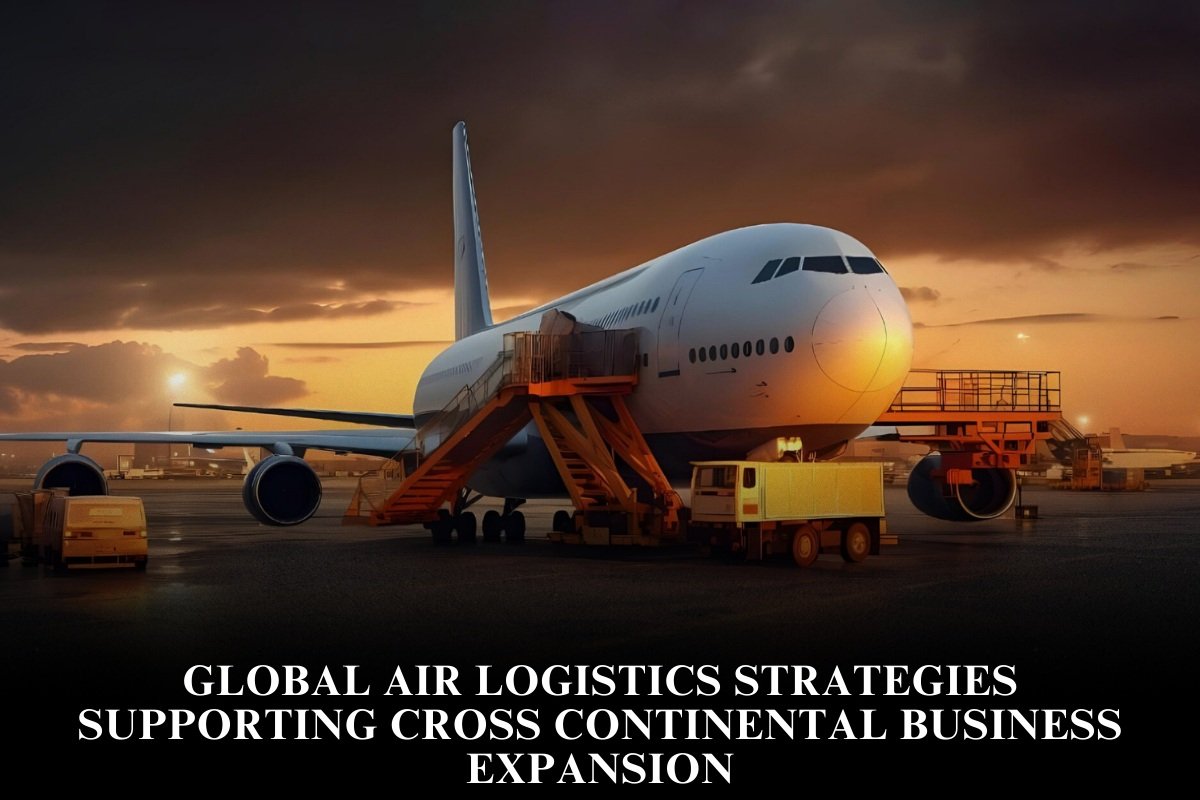
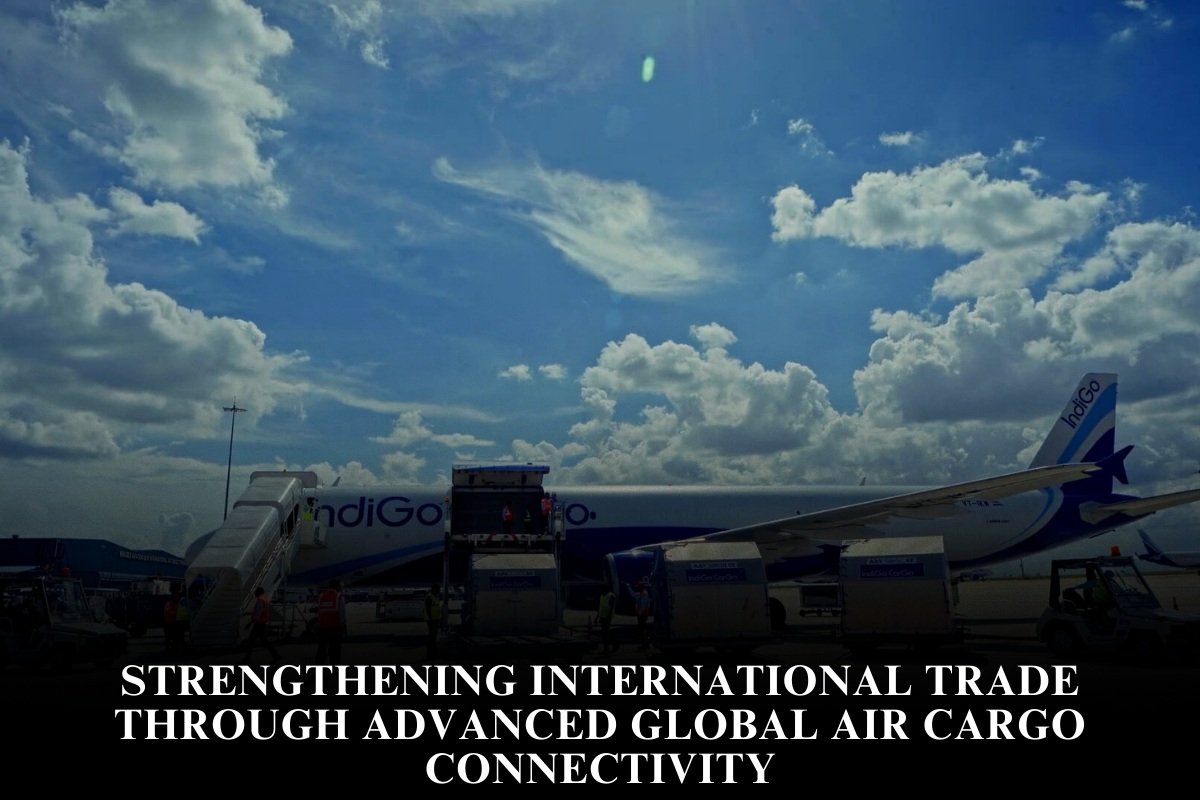
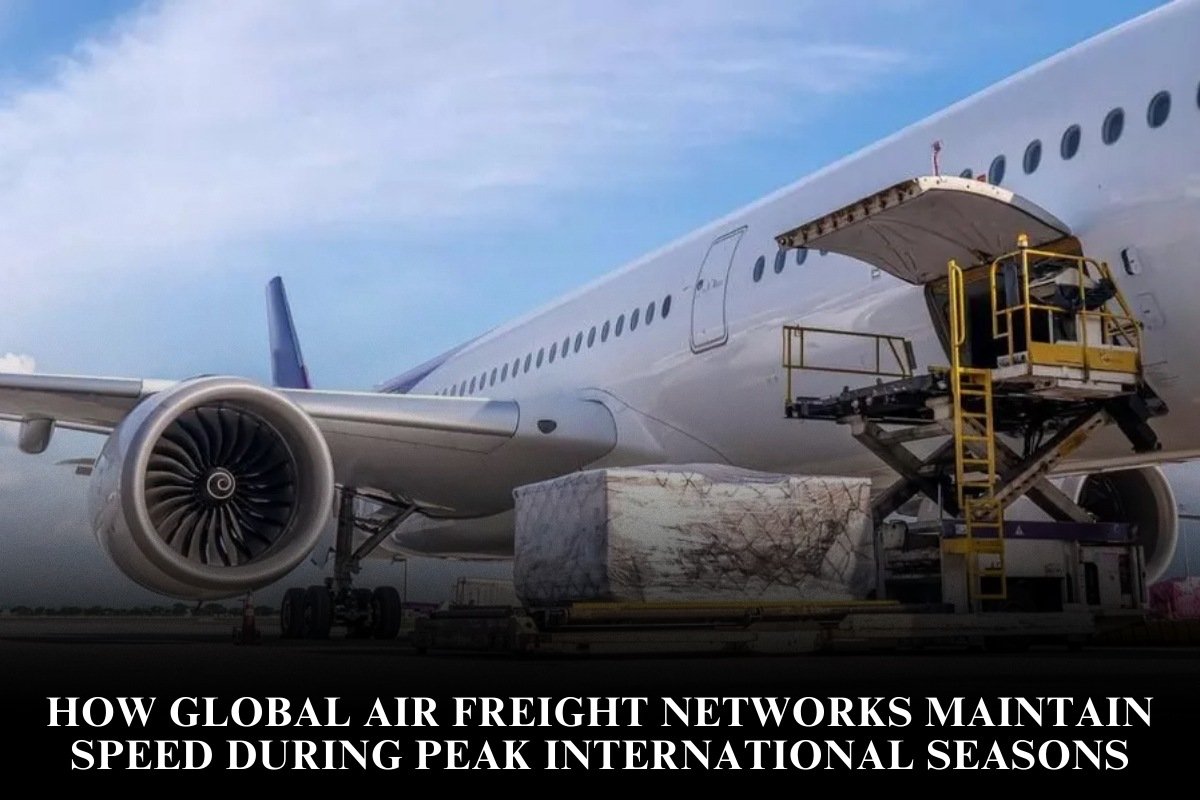
Airports play a central role in air freight operations, acting as hubs where cargo is loaded, unloaded, and transferred between flights. Strategic air freight networks rely on key airports located in major commercial centers, which serve as gateways for international trade.
Some airports are more focused on passenger flights, while others—known as cargo hubs—are optimized for freight operations, handling high volumes of goods.
For example, airports such as Hong Kong International Airport, Memphis International Airport, and Dubai International Airport are renowned for their air freight capabilities, offering advanced infrastructure, customs facilitation, and quick transfer of goods.
The choice of hub is crucial for air freight companies to minimize transit times and ensure smooth connections between markets. Major airports offer greater flexibility and reduced transit times, helping to shorten the time-to-market for goods.
2. Airline Partnerships and Alliances
Airline partnerships and alliances are fundamental for building a strong air freight operations network. These partnerships allow businesses to leverage the global reach of multiple airlines, ensuring more frequent flights, broader destination coverage, and reduced costs. Strategic alliances, such as the SkyTeam Cargo or Star Alliance Cargo, help air freight providers share resources, optimize their operations, and offer competitive pricing to customers.
By collaborating with various airlines, businesses can access a wider range of routes and services, including express services, temperature-controlled cargo handling, and specialized handling for fragile or perishable items. This network flexibility enables businesses to efficiently manage shipments across continents and meet the diverse needs of their global customers.
3. Customs and Regulatory Compliance
Navigating customs and regulatory requirements is one of the most critical aspects of international air freight operations. Each country has its own set of rules governing imports and exports, and delays at customs can cause significant disruptions in the supply chain.
To connect markets worldwide effectively, businesses need to ensure smooth customs clearance processes. This involves understanding and adhering to local import/export regulations, ensuring all necessary documentation is prepared in advance, and working closely with customs brokers and authorities to minimize delays.
In addition to adhering to local regulations, companies must also be aware of international trade agreements and restrictions, such as tariffs or quotas, that may affect the flow of goods between countries. Strategic partnerships with customs brokers, forwarders, and local authorities are essential for maintaining the flow of goods across borders without unnecessary hold-ups.
4. Technology and Data Integration
Technology plays a central role in facilitating the movement of goods and connecting markets globally. From real-time tracking systems to integrated software solutions, advanced technology enables businesses to manage their supply chains more effectively. With the right technology in place, businesses can track shipments, monitor delivery times, and receive real-time updates on potential disruptions, such as delays, weather conditions, or flight cancellations.
Additionally, digital platforms and cloud-based solutions can streamline communication between various stakeholders, including airlines, freight forwarders, and customers. These systems allow for faster document processing, greater transparency, and improved customer service by providing visibility into the entire shipping process.
Some air freight companies also use Artificial Intelligence (AI) and machine learning to predict demand, optimize routes, and improve scheduling. These technologies help create a more efficient, agile air freight network that can respond quickly to market changes and customer needs.
5. Last-Mile Delivery Solutions
While air freight is ideal for covering long distances, the last mile—the final stage of delivery to the end customer—can still present challenges. In many cases, air freight services only cover the transport from the airport to regional hubs. Once the goods arrive at the destination airport, businesses must rely on ground transportation, such as trucks or couriers, to deliver the goods to their final destination.
For a strategic global air freight network to function seamlessly, businesses need to have reliable last-mile delivery solutions in place. This could involve partnerships with local couriers, using distribution centers or cross-docking facilities to optimize storage and final delivery. The use of tracking technology and automated systems can also streamline this final delivery step, improving efficiency and reducing the risk of delays.
Overcoming Global Air Freight Challenges
While air freight offers speed and reliability, there are several challenges that can impact global logistics operations:
- Weather disruptions: Severe weather conditions, such as storms or fog, can delay flights and impact air freight operations. Strategic air freight networks must have contingency plans to reroute shipments when necessary.
- Geopolitical instability: Political unrest, strikes, or government-imposed restrictions can cause significant disruptions. Maintaining flexible routes and diversifying partners helps reduce this risk.
- Rising fuel costs: Fluctuations in fuel prices can impact air freight costs. Many companies mitigate this by maintaining long-term contracts or using more efficient aircraft to lower operational expenses.
Having a diversified network of carriers, airports, and logistics partners, combined with technological tools to adapt quickly to disruptions, is essential to overcoming these challenges.
Building Resilient Global Air Freight Networks
In a world that demands speed, efficiency, and reliability, a well-designed strategic air freight network is key to connecting markets globally. By leveraging key infrastructure, airline partnerships, technology, and last-mile delivery solutions, businesses can create a seamless and efficient global supply chain that meets the growing demands of international trade.
Incorporating flexibility and resilience into air freight operations ensures that businesses can navigate disruptions effectively, maintain competitive advantages, and foster long-term relationships with customers worldwide. With the right strategies in place, companies can build reliable air freight operations that support their global reach and contribute to their overall success.
FAQs
What is the role of air freight in global trade?
Air freight is crucial for fast, reliable, and secure transportation of goods across international borders, especially for high-value, time-sensitive, and perishable items.
How do strategic airline partnerships benefit air freight operations?
Partnerships between airlines allow businesses to expand their reach, reduce shipping costs, and offer more frequent and efficient services, ensuring faster delivery times and smoother global operations.
Why is technology important in global air freight operations?
Technology provides visibility, streamlines communication, and improves efficiency by offering real-time tracking, optimizing routes, and automating processes, which helps mitigate disruptions and reduce operational costs.
How do customs and regulations affect global air freight?
Customs regulations can cause delays and additional costs. It’s essential for businesses to stay compliant with local and international trade regulations to ensure smooth, timely shipments.
What are last-mile delivery solutions in air freight?
Last-mile delivery involves the final stage of the delivery process from the airport to the end customer. It requires efficient logistics and reliable local delivery partners to complete the journey.