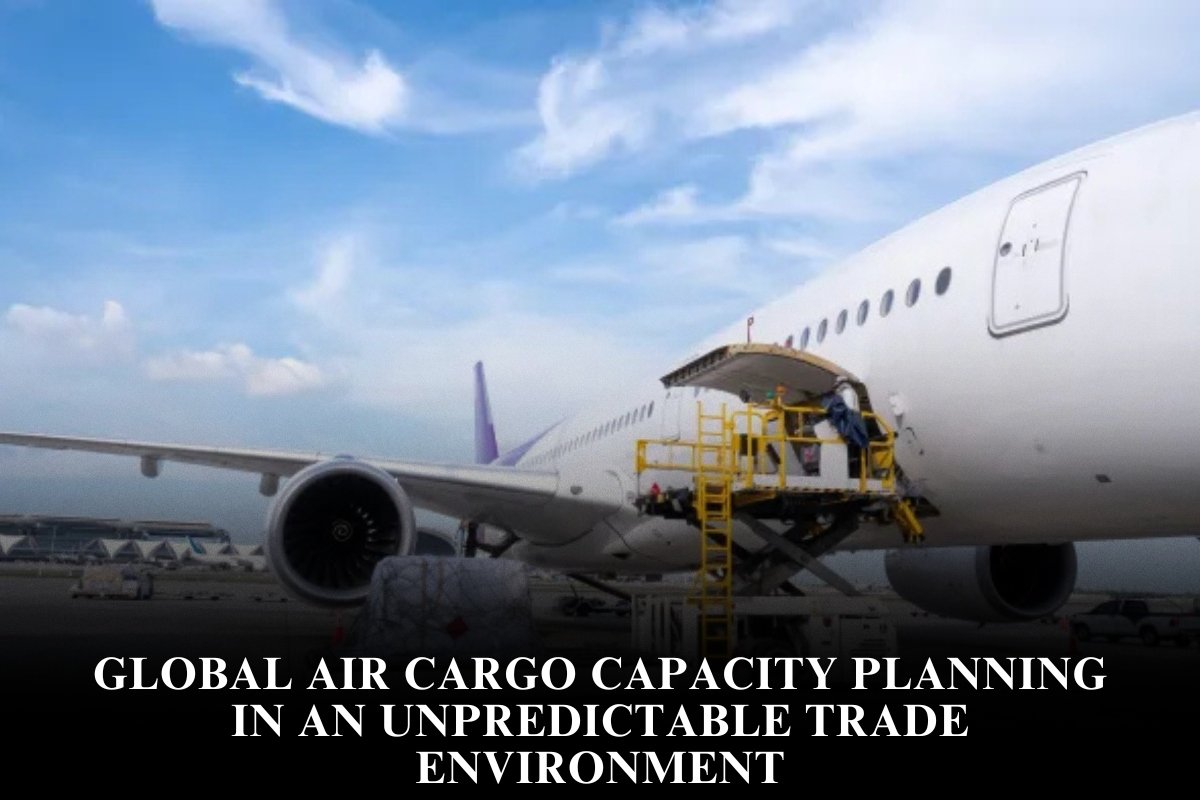
Global air cargo plays a critical role in moving high-value, time-sensitive goods across borders. From pharmaceuticals and electronics to perishables and emergency supplies, air freight keeps global trade moving quickly. Yet planning air cargo capacity has become increasingly complex.
Trade tensions, geopolitical instability, shifting regulations, economic volatility, and unexpected disruptions such as pandemics or natural disasters have created an unpredictable environment.
To remain competitive and resilient, logistics providers, airlines, and shippers must rethink how they plan and manage air cargo capacity. This article explores the challenges of global air cargo capacity planning and the strategies that support smarter decision-making in uncertain conditions.
Understanding the Complexity of Air Cargo Demand
Air cargo demand is influenced by a wide range of factors, including global economic trends, consumer behavior, manufacturing cycles, and international trade policies. A change in tariffs, a new trade agreement, or a regional conflict can quickly alter shipping patterns.
Unlike more stable freight segments, air cargo demand can fluctuate sharply within short timeframes. E-commerce surges, supply chain disruptions, and seasonal peaks can create sudden spikes in volume. Effective capacity planning must therefore be dynamic rather than static, allowing organizations to respond quickly to changing conditions.
The Impact of Geopolitical and Trade Uncertainty
Trade environments have become less predictable in recent years. Sanctions, export controls, political conflicts, and shifting regulatory frameworks can all disrupt established trade routes.
For air cargo planners, this uncertainty makes long-term forecasting difficult. A route that is profitable today may become restricted or less viable tomorrow. Companies must account for risk when allocating aircraft, securing capacity agreements, and designing global networks. Flexibility and scenario planning are increasingly essential tools for managing geopolitical volatility.
Balancing Fixed Capacity With Flexible Options
One of the biggest challenges in air cargo capacity planning is balancing stability with adaptability. Aircraft fleets, long-term contracts, and infrastructure investments represent significant fixed commitments.
At the same time, unpredictable demand requires flexibility. Many organizations now rely on a mix of strategies, including charter services, partnerships with multiple carriers, and short-term capacity agreements. This blended approach allows companies to secure baseline capacity while retaining the ability to scale up or down as conditions change.
Leveraging Data and Predictive Analytics
Modern capacity planning increasingly depends on data-driven insights. Advanced analytics help organizations interpret historical trends, monitor real-time market signals, and model future scenarios.
By analyzing booking patterns, economic indicators, customer behavior, and external risk factors, companies can make more informed decisions about where to deploy capacity and how to price services. Predictive tools also support early identification of potential disruptions, allowing planners to adjust strategies before issues escalate.
The Role of Digital Platforms in Improving Visibility
Digitalization has transformed how air cargo capacity is managed. Cloud-based platforms, integrated booking systems, and real-time tracking tools provide greater transparency across the supply chain.
Improved visibility helps stakeholders understand where capacity is constrained, where demand is emerging, and how performance is tracking against expectations. This shared access to information supports faster coordination between airlines, freight forwarders, shippers, and airports, making it easier to respond to sudden market changes.
Building Resilience Through Network Diversification
Reliance on a limited number of routes or hubs can increase vulnerability during disruptions. Weather events, labor strikes, infrastructure failures, or political instability in a single region can quickly affect global operations.
Capacity planning that prioritizes network diversification helps reduce this risk. By developing alternative routing options, using multiple gateways, and building relationships across different regions, organizations can maintain service continuity even when parts of the network are disrupted.
Managing Sustainability Alongside Capacity Pressures
Air cargo also faces growing pressure to address environmental impact. Capacity planning must increasingly consider sustainability alongside operational efficiency.
Organizations are exploring strategies such as optimizing load factors, investing in fuel-efficient aircraft, using sustainable aviation fuels, and improving route efficiency. In an unpredictable trade environment, sustainability efforts must be integrated into planning processes rather than treated as secondary concerns.
Strengthening Collaboration Across the Air Cargo Ecosystem
Effective capacity planning is not solely an airline responsibility. It requires collaboration across the entire ecosystem, including shippers, forwarders, airports, regulators, and technology providers.
Open communication and partnership models allow stakeholders to share forecasts, align expectations, and respond collectively to disruptions. This collaborative approach supports more stable operations in an otherwise volatile environment.
Frequently Asked Questions
Why is air cargo capacity planning more difficult today than in the past?
Because global trade is increasingly influenced by geopolitical instability, economic volatility, regulatory changes, and unexpected disruptions, making demand less predictable.
How can companies improve flexibility in their capacity planning?
They can use a mix of long-term contracts and short-term solutions such as charters, diversify carrier partnerships, and design adaptable network strategies.
What role does data play in air cargo capacity planning?
Data and analytics help organizations forecast demand, monitor market trends, identify risks, and make more informed decisions under uncertain conditions.
How does geopolitical risk affect air cargo planning?
It can lead to route restrictions, regulatory changes, and sudden shifts in trade flows, requiring companies to continuously reassess network and capacity strategies.
Why is visibility important in managing air cargo capacity?
Greater visibility enables faster decision-making, better coordination among stakeholders, and quicker responses to disruptions or changing demand patterns.
Can sustainability be balanced with efficient capacity planning?
Yes. By optimizing routes, improving load efficiency, and investing in cleaner technologies, organizations can support both operational performance and environmental responsibility.