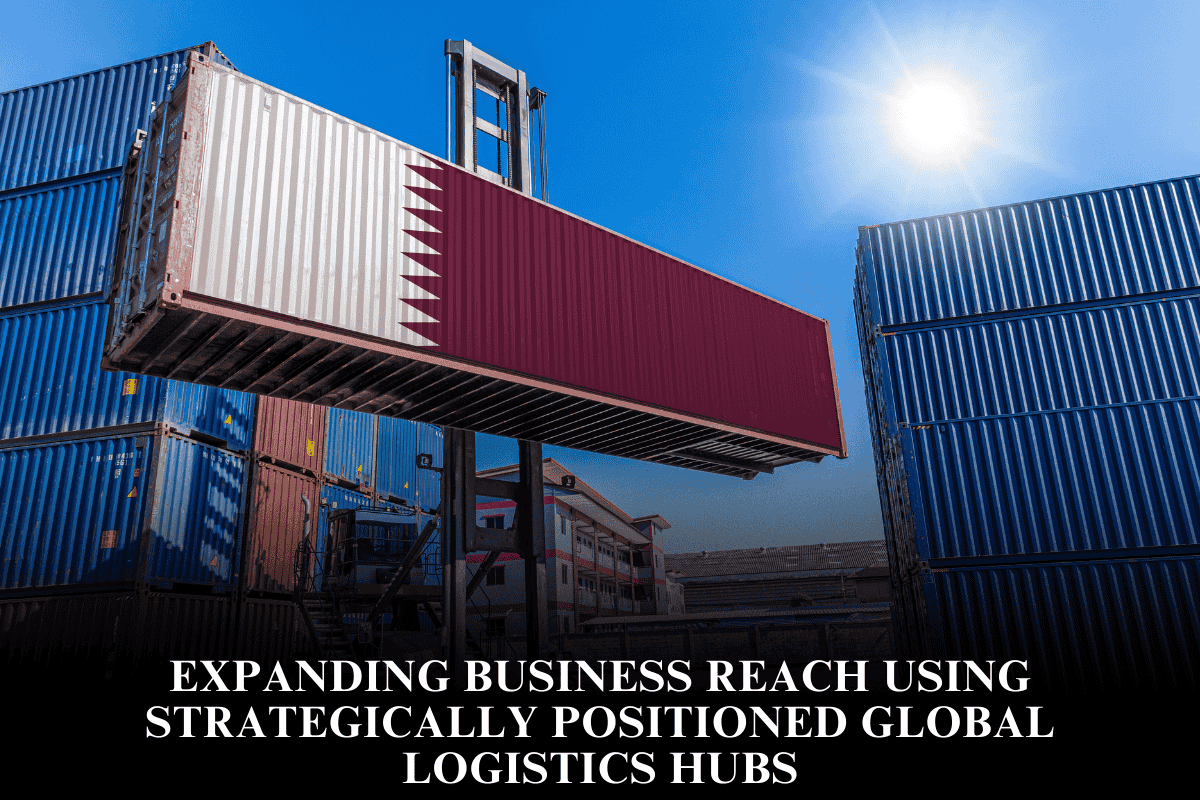
Strategically positioned global logistics hubs enable businesses to cut delivery times, lower costs, and tap new markets by leveraging prime infrastructure like ports, airports, and rail networks.
In the USA, hubs such as Los Angeles, Chicago, and Dallas serve as gateways, handling 40% of national imports while connecting to Asia, Europe, and domestic consumers within 1-2 days. E-commerce giants and manufacturers optimize reach by warehousing near population centers, reducing last-mile expenses by 20-30%.
Why Logistics Hubs Drive Expansion
Hubs concentrate multimodal transport—air, sea, rail, truck—slashing transit from weeks to days. Chicago’s O’Hare and rail intermodals reach 75% of U.S. consumers overnight; LA/Long Beach ports process 9 million TEUs yearly for Pacific trade. Firms gain scalability: stock inventory regionally, fulfill Amazon-style fast, and pivot during disruptions like Suez blockages.
Cost benefits compound: lower drayage near ports, skilled labor pools, and incentives like Texas tax abatements.
Top U.S. Hubs for Domestic Reach
Los Angeles/Inland Empire, CA: Busiest U.S. port complex for Asia imports; Inland Empire warehouses serve West Coast, reaching 100 million in 2 days via I-10/15.
Chicago, IL: Central crossroads with O’Hare cargo and BNSF/UP rail; 2-day ground to coasts, ideal Midwest/national distribution.
Dallas-Fort Worth, TX: AllianceTexas hub links NAFTA trade; serves South/Southwest, low costs, AA cargo dominance.
Atlanta, GA: Hartsfield-Jackson world’s busiest airport; I-75/85/I-20 radiate Southeast to 80 million.
Memphis, TN: FedEx SuperHub air cargo king; Mississippi River barge boosts bulk.
International Gateways for Global Expansion
- New York/New Jersey: PANYNJ ports + EWR Newark handle East Coast/Transatlantic; 1-day Northeast metro delivery.
- Houston, TX: Energy/port hub for Gulf/Mexico/Central America; petrochemicals thrive.
- Miami, FL: Latin America gateway; MIA airport + cruise ports speed perishables.
Satellite hubs like Indianapolis (UPS hub) and Sparks, NV extend coverage.
Strategic Positioning Principles
Population Proximity: Warehouses within 300 miles of 50%+ customers—Dallas hits Southwest density.
Transport Density: Multi-IH corridors (I-35 Dallas, I-80 Chicago) enable 95% 2-day ground.
Incentive Alignment: States offer rebates—NJ 10-year PILOTs, GA job credits.
Risk Diversification: Multi-hub model (3PLs like XPO) buffers strikes/port congestion.
Implementation Steps for Businesses
- Audit Supply Chain: Map SKUs, origins, destinations; model 2-day zones.
- Hub Selection: Weight ports (40%), population (30%), costs (20%), risks (10%).
- Partner Selection: 3PLs (Flexe, ShipBob) vs. owned DCs—scale via shared space.
- Tech Integration: WMS/OMS track hubs; AI forecasts demand.
- Pilot Launch: Start single hub, expand on 15% sales growth.
Case Studies of Success
Amazon’s 185+ U.S. fulfillment centers cluster hubs like LA/Chic; Prime 1-day nationwide. Walmart DCs in Atlanta/Dallas optimize truckload. Shein leverages Inland Empire for ultrafast China-U.S.
Challenges and Mitigation
Labor Shortages: Hubs like Chicago face 20% vacancies—automation (AGVs) counters.
Congestion: 2024 port strikes hit 30% delays—multi-port contracts.
Rising Costs: Inland rents up 10%/year—micro-fulfillment in city cores.
Future Trends Shaping Hubs
Electrification: EV charging at Dallas hubs; nearshoring Mexico boosts Houston. Air cargo booms post-e-comm; drone hubs test in Memphis. Sustainability: LEED DCs near renewables.
Measuring ROI from Hub Strategy
Track OTIF (95% goal), CAC reduction (15%), inventory turns (8x/year). Tools like FourKites visualize savings.
FAQs
1. What’s the top U.S. logistics hub?
Los Angeles/Inland Empire for imports; Chicago for domestic reach.
2. How many hubs does a mid-size business need?
2-4: East/West coasts + Central for 95% 2-day coverage.
3. Do owned DCs beat 3PLs?
3PLs scale faster, lower capex; own for control/high-volume SKUs.
4. How to choose between ports/air?
Ports for bulk/Asia; air for high-value/time-sensitive.
5. What incentives do states offer?
Tax abatements (TX), job credits (GA), PILOTs (NJ)—ROI 2-3 years.