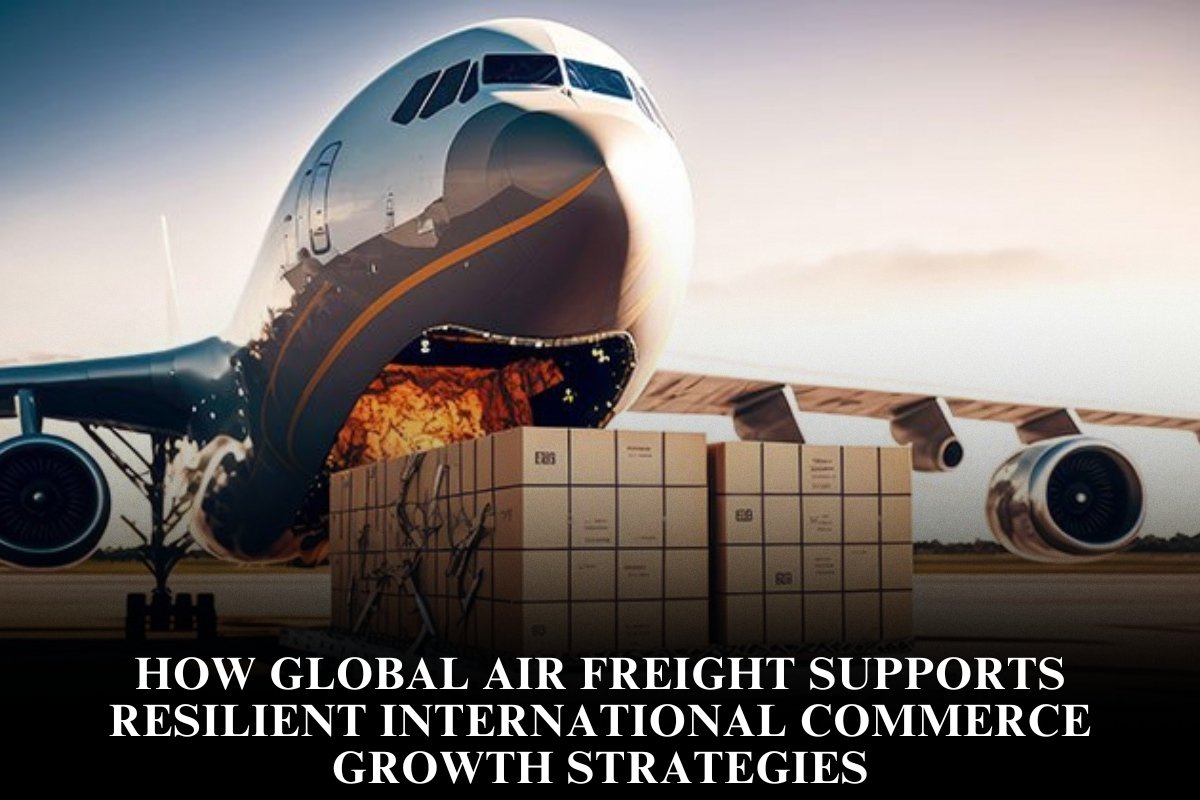
In an increasingly interconnected world, the ability to move goods quickly and reliably across borders is a critical enabler of economic growth. Global air freight plays a unique role in international commerce by providing speed, flexibility, and connectivity that other transportation modes cannot always match.
Beyond convenience, air freight has become a strategic pillar for businesses seeking resilience in the face of disruption, uncertainty, and rapidly shifting market conditions. Understanding how global air freight supports resilient growth strategies helps organizations build supply chains that are not only efficient, but adaptable and future-ready.
Speed as a Strategic Advantage in Global Trade
One of the defining strengths of air freight is speed. When businesses need to move goods across continents within days rather than weeks, air transportation becomes essential.
This speed supports resilient growth by enabling faster response to changing demand, shorter product life cycles, and time-sensitive market opportunities. Companies can launch products more quickly, replenish inventory with greater agility, and recover faster from unexpected disruptions. In volatile markets, the ability to act quickly often determines whether a business can maintain competitiveness.
Supporting Supply Chain Flexibility During Disruptions
Global supply chains are increasingly exposed to disruption from geopolitical instability, natural disasters, infrastructure constraints, and public health crises. When traditional shipping routes are delayed or blocked, air freight often becomes the most reliable alternative.
Air cargo allows businesses to reroute shipments, prioritize critical goods, and maintain continuity even when other modes struggle. This flexibility is essential for resilience. Rather than relying on a single rigid transportation strategy, companies that integrate air freight into their logistics planning are better positioned to adapt under pressure.
Enabling Just-in-Time and Lean Inventory Strategies
Many modern businesses operate on lean inventory models to reduce carrying costs and improve cash flow. These strategies depend on highly reliable transportation.
Air freight supports just-in-time supply chains by ensuring that critical components and products arrive precisely when needed. This reduces the need for large safety stock levels and minimizes the financial risk associated with overstocking. When air freight is used strategically, it allows businesses to balance efficiency with resilience rather than choosing one over the other.
Strengthening Access to Global Markets
For many companies, especially small and medium-sized enterprises, air freight opens doors to international markets that might otherwise be difficult to serve.
High-value, low-weight products such as electronics, pharmaceuticals, fashion goods, and specialized machinery are particularly well-suited to air transport. By enabling efficient cross-border delivery, air freight supports global expansion strategies and allows businesses to diversify revenue sources across regions. This geographic diversification is a key component of long-term resilience.
Protecting Product Quality and Integrity
Certain goods require controlled conditions, fast transit times, and careful handling. Pharmaceuticals, medical devices, perishable foods, and sensitive electronics often depend on air freight to maintain quality.
Air cargo infrastructure increasingly supports temperature-controlled environments, specialized handling procedures, and real-time monitoring. This capability reduces spoilage, damage, and compliance risk. Protecting product integrity not only reduces losses but also strengthens customer trust and regulatory confidence, both of which are critical for sustainable growth.
Enhancing Responsiveness to Market Demand
Consumer expectations continue to rise, with customers demanding faster delivery and more reliable fulfillment. Air freight allows businesses to meet these expectations even across international boundaries.
This responsiveness supports resilient growth by strengthening customer relationships. Companies that can consistently deliver on promises, even during periods of disruption, are more likely to retain customers and protect brand reputation. Air freight becomes not just a logistics tool, but a competitive differentiator.
Supporting Innovation and High-Value Industries
Innovation-driven industries often depend on air freight to operate effectively. Sectors such as biotechnology, advanced manufacturing, aerospace, and technology rely on rapid movement of prototypes, components, and high-value goods.
The ability to move critical items quickly supports faster research cycles, shorter development timelines, and more dynamic global collaboration. This makes air freight a key enabler of innovation ecosystems and long-term economic competitiveness.
Strengthening Risk Management in Global Supply Chains
Resilient growth strategies require proactive risk management. Overreliance on a single transportation mode can create vulnerability.
Integrating air freight into broader logistics strategies provides diversification. Companies can design multi-modal networks where air cargo acts as a strategic backup or premium option when speed and reliability are essential. This layered approach reduces dependence on any single route or mode and enhances overall supply chain stability.
Enabling Faster Recovery From Disruption
Resilience is not only about preventing disruption, but also about recovering quickly when it occurs. Air freight plays a critical role in recovery.
After disruptions such as factory shutdowns, port congestion, or natural disasters, air cargo is often used to expedite critical shipments, restore inventory levels, and stabilize operations. Businesses that plan for this capability are better equipped to bounce back and maintain continuity while competitors struggle to recover.
Aligning Air Freight With Long-Term Sustainability Goals
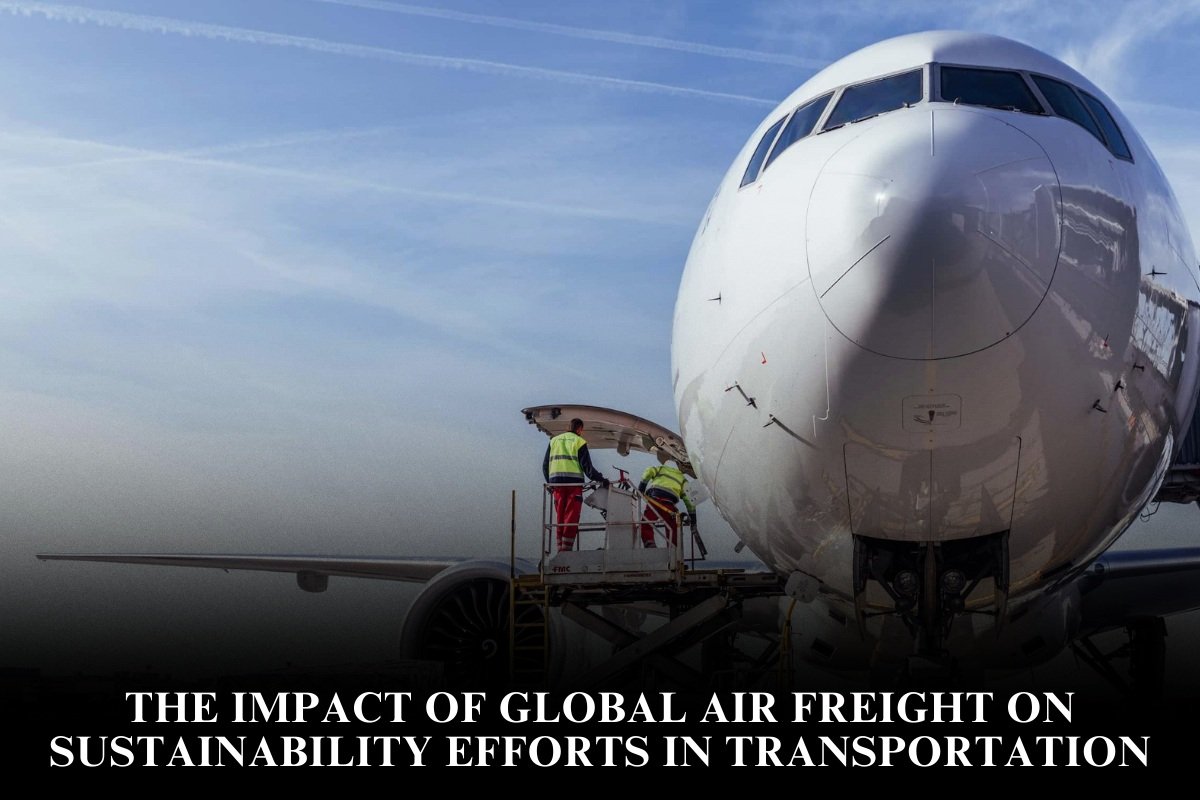
While air freight has historically raised environmental concerns, the industry is evolving. Advances in fuel efficiency, sustainable aviation fuels, optimized routing, and carbon management strategies are increasingly shaping the future of air cargo.
For businesses focused on long-term growth, resilience includes environmental responsibility. Many organizations are now integrating air freight thoughtfully, using it strategically where it adds the most value while working with partners who are committed to sustainability improvements. This balanced approach supports both operational resilience and corporate responsibility.
Viewing Air Freight as a Strategic Enabler Rather Than a Last Resort
Traditionally, some companies have viewed air freight only as an emergency option due to cost considerations. However, forward-thinking organizations increasingly see it as a strategic tool.
When used intentionally, air freight supports agility, market responsiveness, customer trust, and risk management. It becomes part of a broader growth strategy rather than a reactive solution. This shift in mindset allows businesses to leverage air cargo for long-term advantage rather than short-term crisis management.
Frequently Asked Questions
Why is air freight important for international commerce?
Air freight provides speed, reliability, and global connectivity, allowing businesses to move goods quickly and support responsive, resilient supply chains.
Is air freight only useful for high-value products?
While it is most commonly used for high-value or time-sensitive goods, air freight can also be strategically used for urgent replenishment, critical components, and disruption recovery across many industries.
How does air freight support business resilience?
It enables flexibility, faster response to disruption, diversified logistics strategies, and quicker recovery when supply chains are under pressure.
Does using air freight always increase costs?
Air freight is generally more expensive than other modes, but when used strategically it can reduce hidden costs related to delays, lost sales, production downtime, and damaged customer relationships.
Can small businesses benefit from air freight strategies?
Yes. Air freight can help smaller businesses access global markets, serve international customers, and compete more effectively by supporting faster delivery and reliable fulfillment.
How is the air freight industry evolving to address sustainability concerns?
The industry is investing in sustainable aviation fuels, improved aircraft efficiency, optimized logistics planning, and emissions reduction initiatives to support more responsible long-term growth.