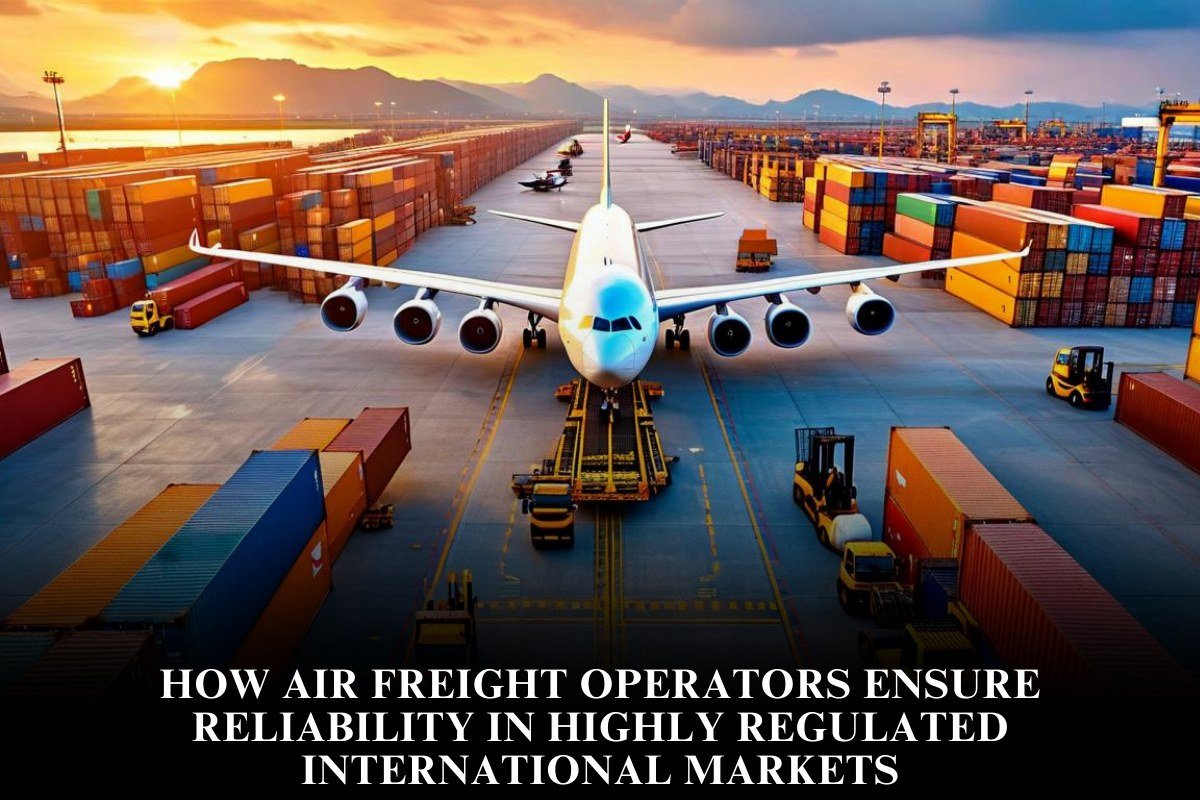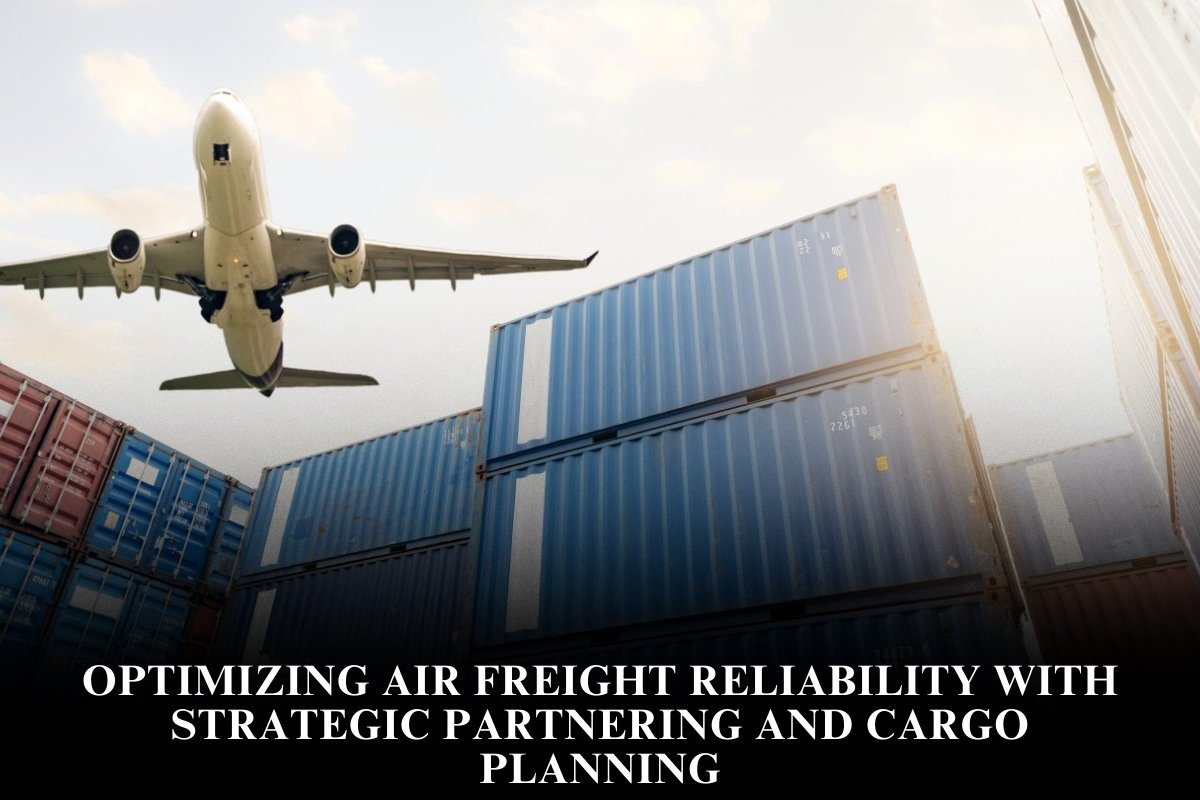
In today’s fast-paced global economy, businesses depend heavily on timely, efficient, and reliable transportation for delivering goods worldwide. Air freight, due to its speed and reach, is a preferred choice for many businesses, especially when delivering high-value or time-sensitive shipments.
However, ensuring consistent air freight delivery outcomes across different regions can be a challenging task, as various factors such as weather conditions, regulatory requirements, and operational inefficiencies can disrupt the smooth flow of goods.
Reliability-focused planning is essential for maintaining consistent air freight delivery outcomes globally. This planning approach revolves around optimizing operations, managing risks effectively, and continuously improving processes to ensure timely and accurate deliveries. By focusing on reliability, businesses can avoid delays, reduce costs, and enhance customer satisfaction.
In this article, we will explore the key components of reliability-focused planning in air freight and how it can be applied to achieve consistent delivery outcomes worldwide.
1. Understanding the Importance of Reliability in Air Freight
Air freight offers businesses a competitive edge by enabling quick delivery of goods across long distances, but the reliability of the service is critical. When delays or disruptions occur, the financial impact can be significant, leading to lost sales, customer dissatisfaction, and potential reputational damage.
Why Reliability is Crucial:
- Time-Sensitive Shipments: Many businesses rely on air freight for time-sensitive shipments such as perishable goods, medical supplies, or critical equipment. Delays in these cases can result in spoilage, missed opportunities, and health or safety risks.
- Customer Expectations: In the era of e-commerce and global trade, customers expect fast and accurate deliveries. Consistent and reliable air freight services can help businesses meet these expectations and build customer loyalty.
- Cost Efficiency: While air freight is often more expensive than sea or land transport, its speed justifies the cost for many businesses. Ensuring the reliability of air freight deliveries minimizes additional costs caused by delays, rerouting, or expedited shipments to resolve issues.
Reliability-focused planning ensures that air freight services remain a dependable option for businesses, regardless of external challenges.
2. Components of Reliability-Focused Planning in Air Freight
Reliability in air freight can be achieved through careful planning and a focus on both operational efficiency and risk management. Several key components are involved in creating a reliability-focused plan that ensures consistent delivery outcomes.
Key Components:
- Route Optimization: Optimizing flight routes is critical for reducing delays and improving delivery times. This involves selecting the best paths based on factors such as weather patterns, airport congestion, and air traffic control restrictions. By planning efficient routes, companies can reduce transit time and minimize the risk of delays.
- Contingency Planning: Despite the best efforts in route optimization, unforeseen events such as extreme weather, strikes, or equipment failures can still disrupt the supply chain. Effective contingency planning involves anticipating potential disruptions and preparing alternative solutions in advance. This could include having backup carriers, rerouting options, or alternative airports in place.
- Collaboration with Trusted Partners: A reliable air freight network relies on strong partnerships with airlines, ground handlers, customs authorities, and other stakeholders. Ensuring these partners are aligned with reliability standards and share a commitment to timely delivery is essential for achieving consistent outcomes.
- Technology Integration: Utilizing modern technologies such as real-time tracking, data analytics, and artificial intelligence can greatly improve the efficiency and reliability of air freight operations. Real-time tracking helps monitor shipments, allowing businesses to make informed decisions and quickly address any issues that may arise.
- Proactive Risk Management: Identifying potential risks early in the planning process allows businesses to implement measures to mitigate those risks. This could involve evaluating political instability in certain regions, monitoring weather forecasts, and ensuring that customs compliance is met at all times.
By focusing on these key components, businesses can improve the reliability of their air freight operations, resulting in more consistent delivery outcomes worldwide.
3. Managing External Risks and Disruptions
Air freight services are susceptible to a wide range of external risks and disruptions that can affect delivery outcomes. These include natural disasters, political instability, regulatory changes, and unpredictable weather patterns. Managing these risks proactively is a crucial part of reliability-focused planning.
Common Risks and How to Manage Them:
- Weather Conditions: Adverse weather conditions such as storms, fog, or hurricanes can cause flight delays or cancellations. Planning for these contingencies involves using weather forecasting tools, having flexible schedules, and choosing routes less likely to be affected by severe weather.
- Customs Delays: Customs clearance can be a significant source of delays in international air freight. Ensuring that shipments have all necessary documentation and are compliant with local regulations can prevent customs-related disruptions. Establishing relationships with customs brokers or working with experienced partners who understand local regulations is also important.
- Political Instability: Political instability in certain regions can lead to transport restrictions or even closed airports. Monitoring global political developments and diversifying supply chains to avoid reliance on high-risk regions is crucial for maintaining reliability.
- Security Threats: Security concerns, such as terrorism or cargo theft, can disrupt air freight operations. Robust security protocols, including cargo screening and partnerships with secure freight handlers, help mitigate these risks.
By assessing these external risks and creating contingency plans, businesses can ensure that air freight operations continue smoothly even when disruptions occur.
4. Optimizing Air Freight Operations for Efficiency
While reliability is key to consistent delivery outcomes, operational efficiency is equally important in ensuring that air freight services are cost-effective and able to meet tight deadlines. Efficiency improvements can help minimize delays, reduce costs, and improve customer satisfaction.
Strategies for Operational Efficiency:
- Cargo Consolidation: Consolidating smaller shipments into larger, full cargo loads reduces handling times and minimizes the risk of delays. This also makes better use of available capacity and reduces transportation costs.
- Capacity Management: Managing cargo capacity efficiently ensures that shipments are not delayed due to a lack of available space on flights. By forecasting demand and aligning shipments with available capacity, businesses can avoid last-minute issues.
- Automating Documentation: Automating the creation and submission of shipping documents, including invoices, bills of lading, and customs paperwork, helps streamline operations and avoid delays caused by missing or incomplete paperwork.
- Regular Maintenance and Inspection: Ensuring that aircraft, ground handling equipment, and other infrastructure are regularly serviced and maintained helps prevent technical issues that could lead to flight delays or cancellations. A preventive maintenance schedule can identify potential problems before they escalate.
Optimizing operational efficiency through these strategies improves the overall reliability of air freight services, resulting in timely deliveries and reduced operational disruptions.
5. Enhancing Visibility and Communication Across the Supply Chain
Effective communication and visibility are essential for reliability in air freight. A lack of transparency or delayed information can lead to confusion, missed opportunities, and delayed deliveries. By improving visibility, businesses can track shipments, respond to issues in real-time, and keep customers informed.
Enhancing Visibility:
- Real-Time Tracking: Using advanced tracking technologies allows both businesses and customers to monitor shipments from departure to arrival. Real-time tracking helps identify potential delays early and provides the opportunity to adjust plans or take corrective action before issues escalate.
- Data Sharing Across Partners: Sharing data across the entire supply chain ensures that all stakeholders are on the same page. This includes information on cargo status, customs clearance, flight schedules, and weather conditions. By improving collaboration and communication, businesses can anticipate potential disruptions and take proactive measures.
- Customer Communication: Providing customers with up-to-date information about their shipments not only improves transparency but also helps manage expectations. Automated alerts, SMS notifications, and customer portals allow clients to stay informed about the status of their deliveries.
By enhancing communication and visibility, businesses can improve coordination, reduce delays, and increase reliability across the entire air freight process.
6. Continuous Improvement and Feedback Loops
To maintain a high level of reliability, businesses must engage in continuous improvement. This involves regularly reviewing performance, collecting feedback, and making adjustments to enhance air freight operations. By analyzing data and identifying areas for improvement, businesses can ensure that they are consistently meeting customer expectations and reducing the risk of disruptions.
Strategies for Continuous Improvement:
- Performance Metrics: Regularly measuring key performance indicators (KPIs) such as on-time delivery rates, transit times, and customer satisfaction helps businesses monitor reliability and identify areas that need improvement.
- Customer Feedback: Collecting feedback from customers about their experiences with air freight services can provide valuable insights into potential weaknesses or issues that need to be addressed.
- Post-Delivery Analysis: After each shipment, reviewing the entire process, from booking to delivery, helps identify bottlenecks or inefficiencies that could affect reliability in future shipments.
By fostering a culture of continuous improvement and regularly assessing performance, businesses can adapt to changing circumstances and maintain high reliability in their air freight operations.
FAQs
What is reliability-focused planning in air freight?
Reliability-focused planning involves strategies aimed at ensuring timely, consistent, and efficient air freight delivery by optimizing operations, managing risks, and maintaining communication across the supply chain.
How does route optimization contribute to air freight reliability?
Route optimization minimizes delays by selecting the most efficient flight paths, considering factors like weather, air traffic, and airport congestion, which ultimately leads to more consistent and timely deliveries.
Why is contingency planning important for air freight?
Contingency planning prepares businesses for unforeseen disruptions, such as weather events or strikes, by establishing alternative routes, backup carriers, and solutions to mitigate the impact on deliveries.
How can technology improve air freight reliability?
Technology such as real-time tracking, automated documentation, and data sharing enhances visibility, communication, and operational efficiency, improving the reliability of air freight services.
What role do customer feedback and performance metrics play in improving air freight reliability?
Customer feedback and performance metrics help businesses identify areas for improvement, optimize processes, and ensure that air freight services meet customer expectations consistently.