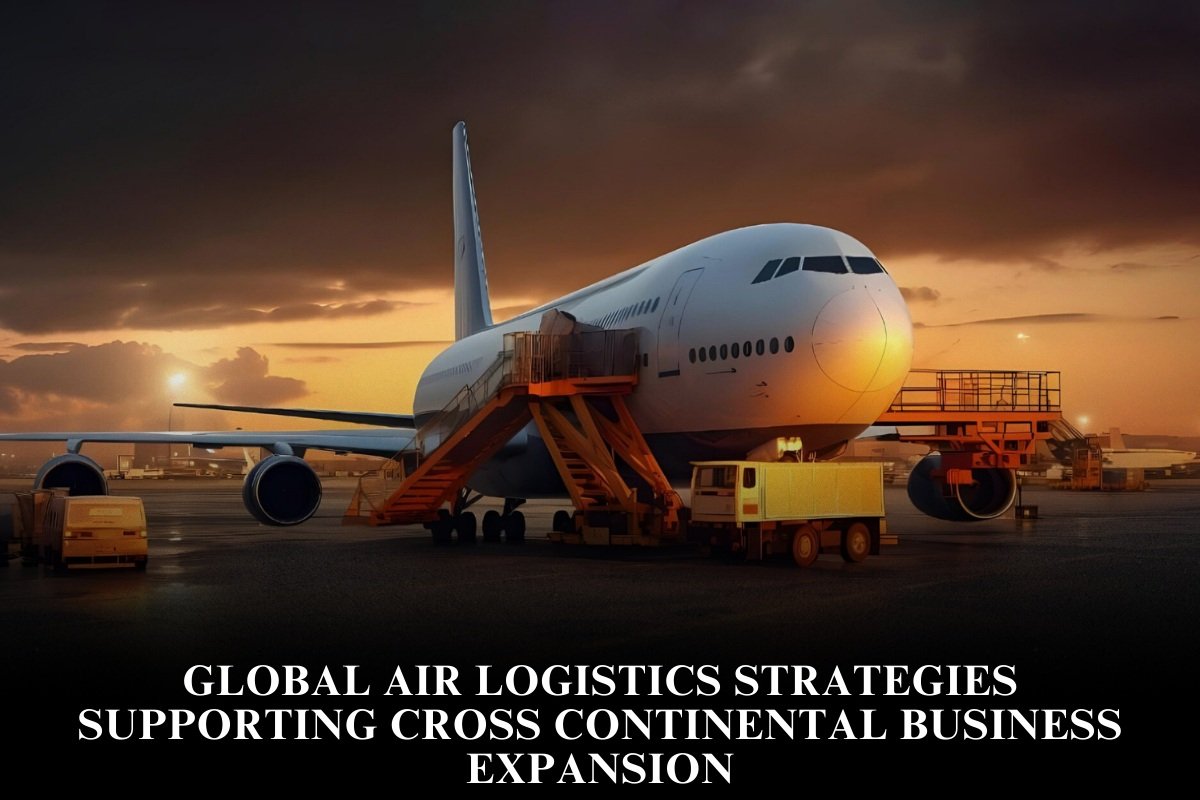
The global air freight industry plays a crucial role in the movement of goods across borders and within countries. As businesses strive for faster delivery times and expanded market reach, the demand for air freight services has steadily grown over the years.
The air freight market’s growth can be attributed to several key drivers, ranging from technological advancements to evolving consumer behaviors. In this article, we will explore the primary factors influencing the growth of the global air freight and transportation markets.
1. E-Commerce Growth
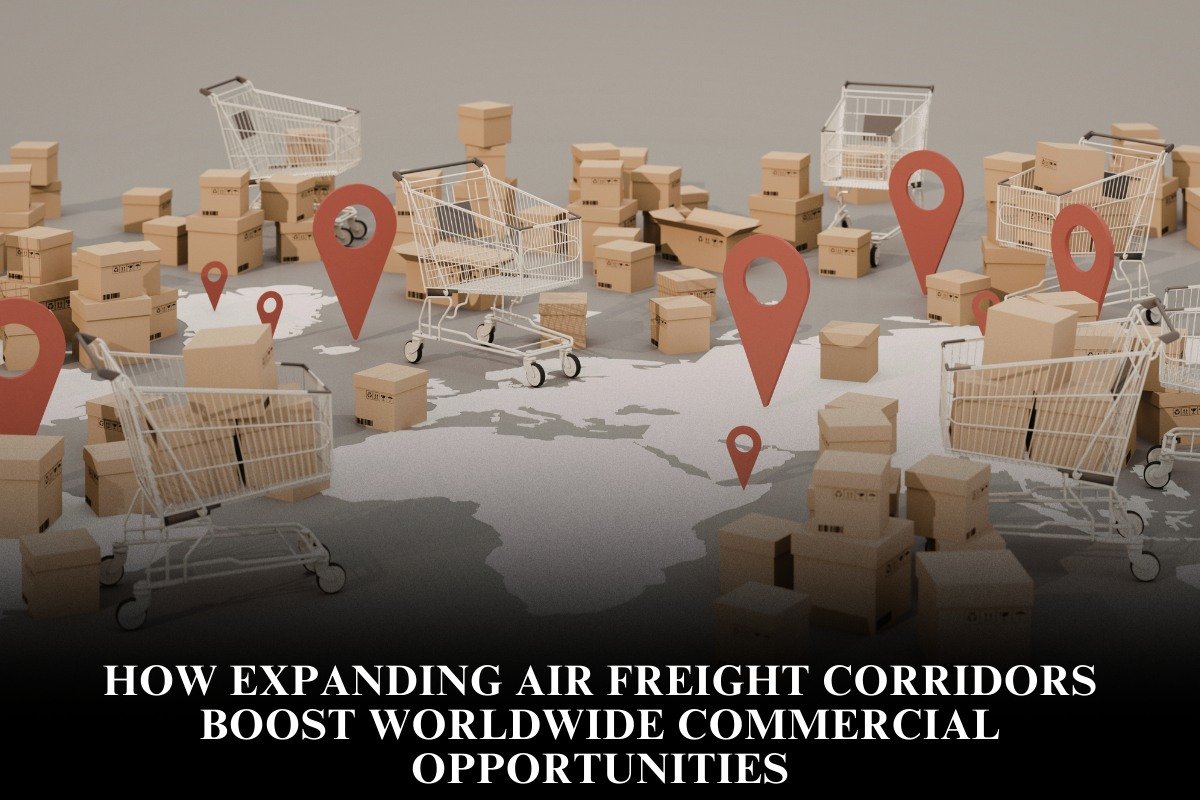
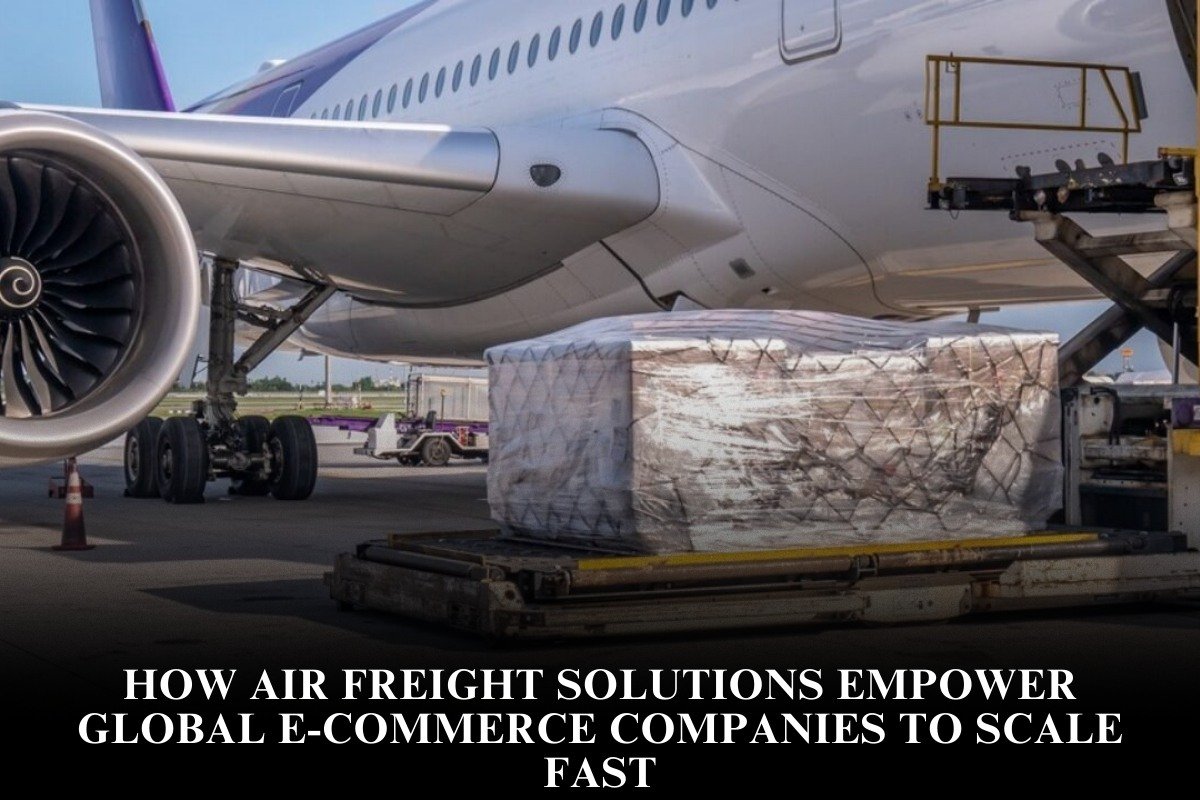
One of the most significant drivers of growth in the air freight market is the rise of e-commerce. The increasing demand for online shopping has led to a surge in parcel deliveries, requiring fast and efficient transportation options. Air freight provides a reliable solution for delivering time-sensitive products such as electronics, apparel, and consumables.
As consumers expect quick delivery times, companies must turn to air transport to meet those expectations. The rise of e-commerce giants like Amazon, Alibaba, and others has further emphasized the need for fast logistics services. This has increased the demand for air freight services, particularly in the parcel and small-package shipping segment.
Additionally, many e-commerce companies have begun to develop their own air freight networks, such as Amazon Air, to increase delivery speed and control shipping costs. This trend has significantly bolstered the air freight market.
2. Global Trade Expansion
The expansion of global trade is another key factor propelling the growth of the air freight industry. As international trade continues to increase, businesses are increasingly reliant on air freight to move goods across continents quickly and reliably. The need for efficient transportation of high-value or perishable goods, such as pharmaceuticals, automotive parts, and electronics, has made air freight a preferred mode of transport.
Free trade agreements, improved trade relations, and the reduction of tariffs have also stimulated cross-border commerce. The air freight market benefits from these developments as businesses seek to reduce lead times and remain competitive in a globalized market. The ability to access new international markets and grow a customer base worldwide has contributed to the rise of air freight demand.
3. Technological Advancements in Air Freight
Technological advancements in air cargo operations have been another driving force behind the growth of the global air freight industry. Innovations such as automation, digitalization, and the Internet of Things (IoT) are improving the efficiency, security, and speed of air cargo transportation.
For instance, cargo tracking systems powered by GPS and RFID technology enable real-time monitoring of shipments, helping businesses and customers track their goods throughout the journey. Automated systems for handling and sorting cargo at airports reduce processing time and increase the capacity for shipments, ensuring that goods are delivered faster.
Moreover, advancements in aircraft technology, including larger and more fuel-efficient planes, have helped improve the overall cost-efficiency of air freight. Modern aircraft are capable of carrying heavier loads over longer distances, which improves the scalability of air cargo operations. These technological innovations are enabling air freight to become an even more efficient and competitive mode of transportation.
4. Supply Chain Optimization and Just-In-Time Delivery
In today’s competitive environment, businesses are continually striving to optimize their supply chains and reduce inventory costs. One of the key strategies for achieving these goals is just-in-time (JIT) delivery, where companies receive goods exactly when needed, rather than holding large inventories. Air freight plays a crucial role in supporting JIT practices by providing quick and reliable delivery solutions.
For industries such as manufacturing and automotive, where production schedules are tightly coordinated, air freight ensures that raw materials and parts arrive on time, preventing production delays. The speed and flexibility offered by air transportation allow businesses to meet the demand for rapid replenishment and to maintain efficient supply chains. This has contributed to the ongoing growth of air freight, as companies continue to rely on it to keep their operations running smoothly.
5. Increased Demand for High-Value, Time-Sensitive Products
Air freight is particularly advantageous for transporting high-value, time-sensitive goods that require fast delivery. These products include pharmaceuticals, electronics, medical equipment, and luxury goods, all of which often need to reach their destination quickly to maintain their value and functionality.
The pharmaceutical industry, for example, has a growing need for air transport, particularly for the delivery of life-saving medications, vaccines, and biologics. These products often have strict temperature requirements and limited shelf lives, making air freight the most viable solution for ensuring timely delivery.
Similarly, high-tech industries, such as electronics and automotive manufacturing, rely on air freight to quickly transport critical components that are essential for production. With advancements in product complexity and the constant evolution of consumer electronics, air freight has become a key enabler of innovation.
6. Infrastructure Development and Capacity Expansion
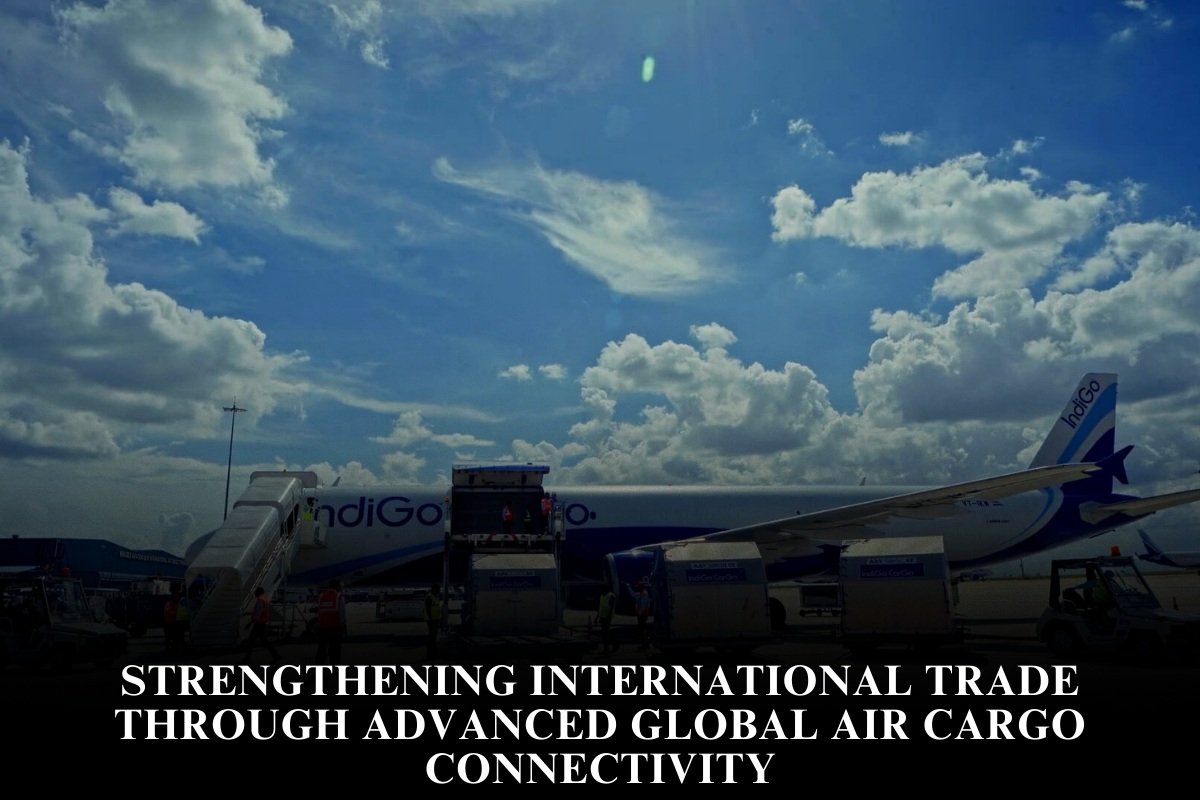
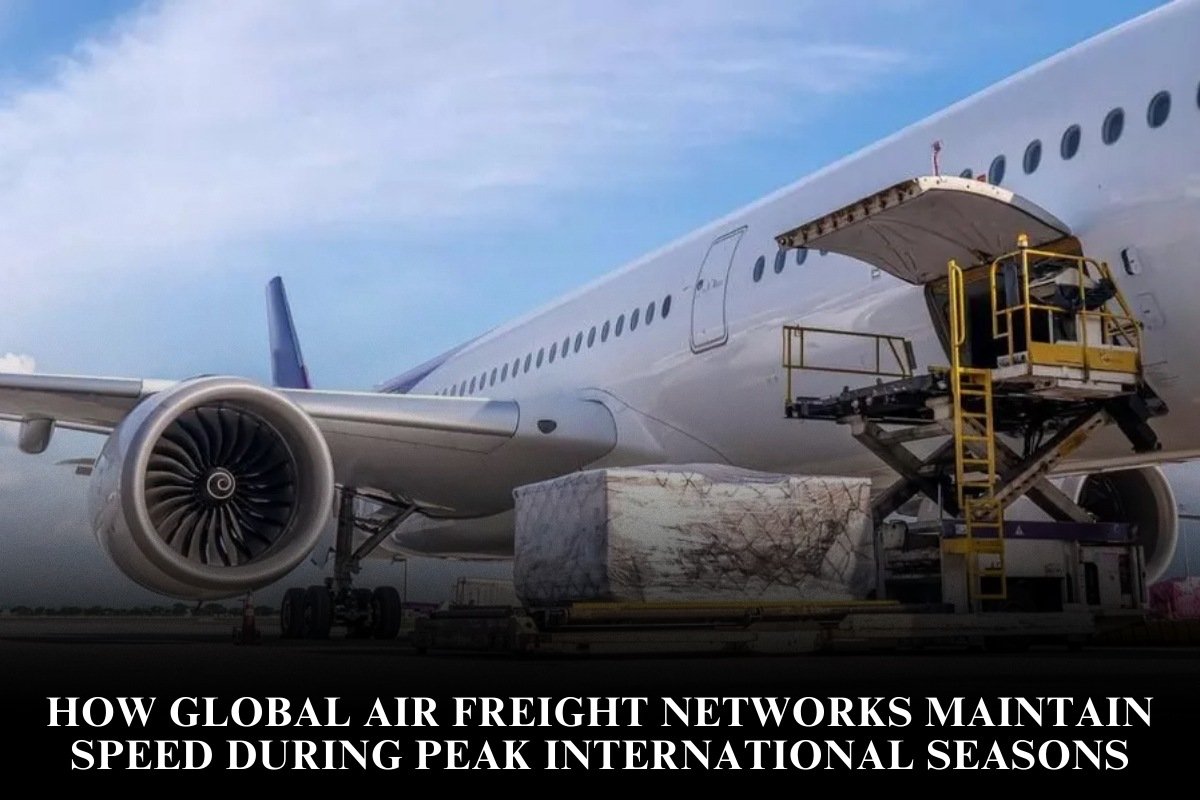
The continued development of airport infrastructure and air cargo facilities is another crucial factor driving the growth of the global air freight market. Modern airports are investing in expanding their cargo handling capacities, creating dedicated freight terminals, and enhancing logistics operations to improve throughput. These developments allow for faster loading and unloading of goods, improving the efficiency of air cargo operations.
In addition, the construction of new airports in emerging markets and the expansion of regional hubs provide additional capacity for air freight shipments. These investments are not only improving air freight capacity but also increasing accessibility to underserved markets, driving the growth of global trade and air cargo services.
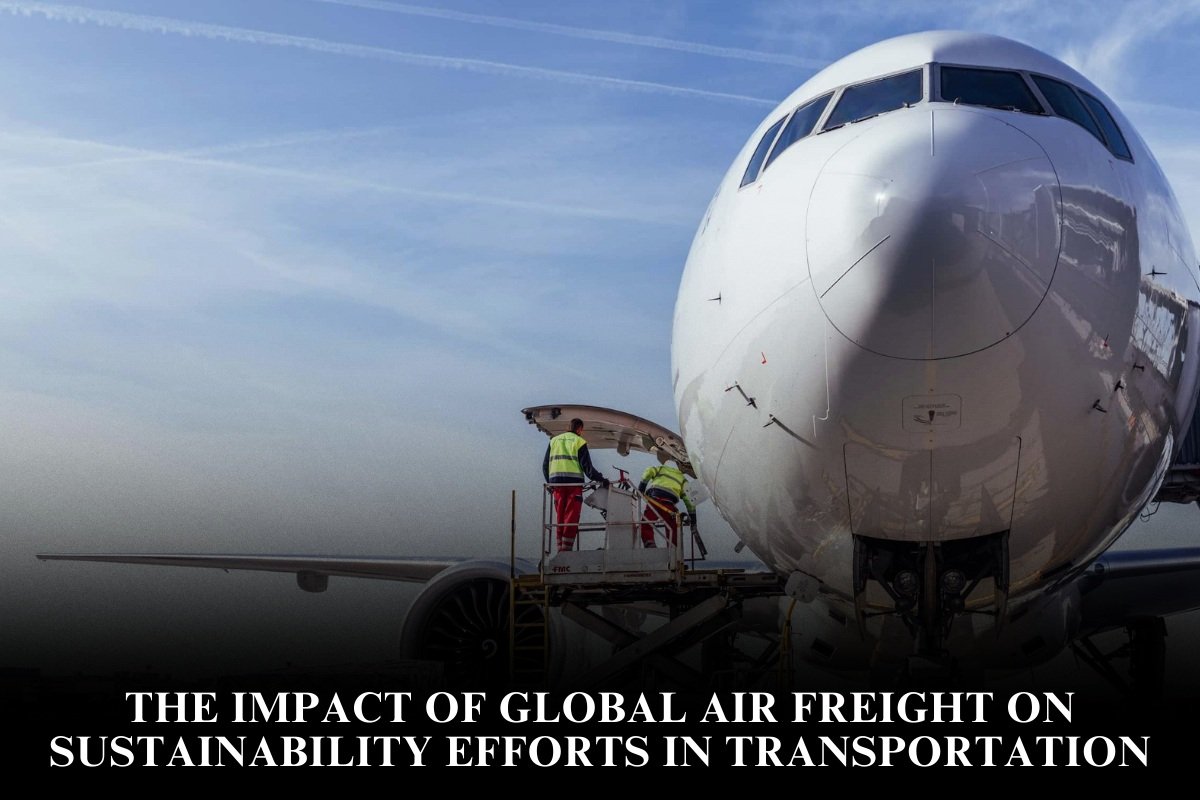
7. Increasing Focus on Sustainability
As environmental concerns grow, the air freight industry is increasingly focusing on sustainability. The push for greener operations has led to the development of more fuel-efficient aircraft, as well as alternative fuels that reduce the carbon footprint of air freight transportation. Some logistics companies are investing in carbon offset programs, allowing businesses to reduce the environmental impact of their shipments.
Sustainability is also being prioritized in the development of new infrastructure, including eco-friendly warehouses and green logistics systems. As environmental regulations tighten and consumers become more conscious of sustainability, companies are looking for ways to reduce the environmental impact of their operations. Air freight providers that invest in sustainable practices are likely to see continued growth as they appeal to environmentally-conscious customers.
FAQs
Why is air freight more expensive than other forms of transportation?
Air freight is typically more expensive due to the speed and efficiency it offers. The cost is higher because aircraft require significant fuel and maintenance, and air cargo space is more limited compared to sea or land transportation.
How does e-commerce impact the growth of air freight?
E-commerce increases the demand for fast, reliable delivery, which air freight provides. Consumers expect quick shipping, especially for small parcels, driving the need for air transportation in the e-commerce supply chain.
What role does technology play in the air freight industry?
Technology helps improve efficiency, security, and speed in air freight. Innovations like GPS tracking, automated handling systems, and fuel-efficient aircraft make air transportation faster and more cost-effective.
What types of goods are best suited for air freight?
High-value, time-sensitive products such as pharmaceuticals, electronics, and perishable goods are well-suited for air freight, as they require fast delivery and can be more efficiently transported via air.
How is the air freight industry addressing sustainability?
The air freight industry is investing in fuel-efficient aircraft, alternative fuels, and carbon offset programs to reduce its environmental impact. These efforts are becoming more important as consumers and regulators demand greener logistics solutions.