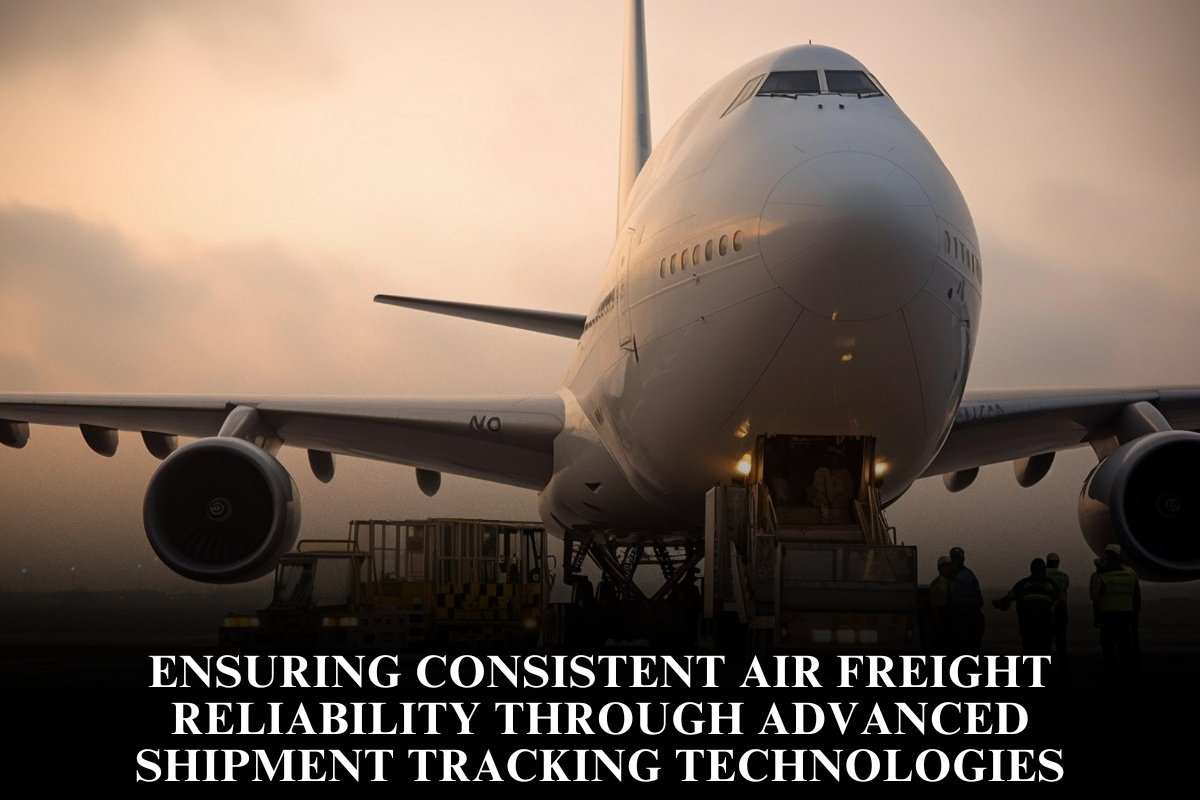
Air freight plays a vital role in global supply chains, enabling businesses to ship goods quickly and efficiently across vast distances. However, the fast-paced nature of air freight can sometimes introduce challenges such as delays, misrouted shipments, or lost cargo.
To address these concerns and ensure consistent reliability, advanced shipment tracking technologies have become an essential part of the air freight industry. These technologies not only enhance operational efficiency but also improve customer satisfaction by providing real-time updates and increased transparency throughout the shipment journey.
In this article, we will explore how advanced shipment tracking technologies contribute to air freight reliability, the key technologies involved, and how businesses can leverage these innovations to optimize their logistics operations.
The Importance of Consistent Air Freight Reliability
For businesses that rely on air freight, ensuring that shipments arrive on time and intact is critical. Delays or disruptions in air freight can have significant consequences, including missed deadlines, lost sales, or disruptions in production schedules. Consistency and reliability in air freight help businesses:
- Meet customer expectations: In industries such as e-commerce, automotive, pharmaceuticals, and electronics, timely delivery is often a key component of customer satisfaction. Reliable air freight ensures that businesses can deliver products on time and avoid penalties or customer complaints.
- Maintain competitive advantage: Companies that can depend on the consistent delivery of goods are more likely to remain competitive in the marketplace. Delays in transportation can harm a company’s reputation and erode its customer base.
- Ensure smooth supply chain operations: Air freight is often used for time-sensitive deliveries and just-in-time inventory systems. Reliable shipment tracking ensures businesses can keep their supply chains flowing smoothly, reducing downtime and inventory shortages.
Key Technologies Driving Shipment Tracking in Air Freight
Advanced shipment tracking technologies have revolutionized the way air freight is managed, offering real-time visibility, increased control, and enhanced reliability. Here are the primary technologies that contribute to consistent air freight performance:
1. Global Positioning System (GPS) Tracking
GPS technology is one of the most widely used tracking tools in air freight. By integrating GPS devices into cargo shipments, logistics providers can monitor the precise location of goods in real-time. GPS tracking enables stakeholders to know the exact position of a shipment, allowing for proactive management of any delays or route changes.
Key benefits of GPS tracking in air freight include:
- Real-time location updates: Businesses can track shipments across the globe, providing immediate visibility into delivery progress.
- Proactive issue resolution: If a shipment is delayed or rerouted, companies can respond quickly by adjusting schedules or notifying customers of changes.
- Enhanced route optimization: GPS data helps air freight carriers optimize flight paths and ground transportation, reducing transit times and costs.
2. Radio Frequency Identification (RFID)
RFID technology is a valuable tool for tracking goods throughout the air freight process. RFID tags, attached to shipments, transmit unique data to scanners at various points in the logistics network. This allows for automated tracking of goods as they move through different stages of transportation, from airports to final delivery.
RFID provides several advantages, including:
- Automated cargo tracking: RFID allows for seamless tracking of shipments without the need for manual input, improving efficiency and reducing human error.
- Inventory management: RFID technology enables businesses to monitor inventory in real time, helping them avoid stockouts and better plan for future shipments.
- Improved security: RFID provides a secure way to monitor shipments, helping prevent theft or loss of valuable goods.
3. Internet of Things (IoT) Sensors
IoT technology has introduced a new level of intelligence to air freight tracking. IoT-enabled sensors can monitor various conditions of cargo, including temperature, humidity, and vibration. These sensors transmit real-time data to centralized platforms, allowing businesses to track the condition of their shipments in addition to their location.
IoT sensors are particularly valuable for:
- Monitoring sensitive cargo: Industries such as pharmaceuticals, food, and chemicals often require specific temperature and environmental conditions. IoT sensors ensure that these conditions are maintained throughout the entire shipping process.
- Preventing damage: By tracking environmental conditions, businesses can prevent cargo damage caused by temperature fluctuations, rough handling, or other external factors.
- Providing actionable insights: The data collected by IoT sensors can be analyzed to improve operational processes, such as packaging, handling, and routing.
4. Cloud-Based Tracking Platforms
Cloud-based platforms integrate data from GPS, RFID, and IoT sensors to provide a comprehensive and real-time view of the entire air freight shipment journey. These platforms allow businesses, freight forwarders, and customers to access tracking information from anywhere, providing transparency and improving communication.
The advantages of cloud-based tracking include:
- Centralized data management: All tracking information is stored in a single, accessible platform, making it easier to monitor shipments and analyze performance.
- Collaboration across stakeholders: Cloud-based platforms enable real-time collaboration among multiple stakeholders, including suppliers, shippers, customs agents, and customers.
- Scalability and flexibility: Cloud platforms can easily scale to accommodate growing businesses, providing a flexible solution as air freight needs evolve.
5. Artificial Intelligence (AI) and Machine Learning
AI and machine learning are increasingly being integrated into air freight tracking systems to predict potential disruptions and improve the overall efficiency of logistics operations. AI algorithms can analyze historical data, weather conditions, flight schedules, and other factors to predict potential delays and suggest alternative routes or solutions.
AI-driven systems offer:
- Predictive analytics: By analyzing vast amounts of data, AI systems can forecast delays and potential disruptions before they happen, enabling proactive decision-making.
- Optimized routing and scheduling: AI can recommend the most efficient flight paths and ground transportation routes, minimizing transit times and improving cost-effectiveness.
- Automated customer notifications: AI can automatically notify customers of shipment status changes, improving communication and transparency.
How Advanced Tracking Technologies Improve Air Freight Reliability
1. Increased Transparency
One of the primary benefits of advanced tracking technologies is the transparency they provide. Real-time updates on shipment location and condition allow businesses to stay informed throughout the entire air freight journey. This transparency enables better decision-making, faster issue resolution, and improved customer communication.
2. Faster Problem Resolution
With access to real-time data, businesses can identify potential problems early and take corrective actions before they become major issues. For example, if a shipment is delayed due to weather conditions, the logistics team can quickly identify the problem and adjust the delivery schedule or reroute the cargo to minimize the delay.
3. Enhanced Customer Satisfaction
Customers expect fast and reliable delivery, and advanced tracking technologies enable businesses to meet these expectations. Real-time updates and accurate information give customers peace of mind and improve their overall experience with the company. Additionally, the ability to provide proactive updates helps build trust and loyalty.
4. Optimized Operations
By integrating advanced tracking technologies into their logistics systems, businesses can optimize their air freight operations. This includes improving route planning, minimizing delays, and reducing the risk of cargo damage. Optimized operations not only improve delivery times but also reduce operational costs and enhance overall efficiency.
FAQs
What are the benefits of GPS tracking in air freight?
GPS tracking provides real-time location updates, allowing businesses to monitor shipments, optimize routes, and resolve issues proactively. It helps improve visibility and reduce delays.
How does RFID improve air freight tracking?
RFID enables automated, real-time tracking of shipments, reducing manual data entry and improving inventory management. It also enhances security by monitoring shipments at various points in the logistics process.
What role does IoT play in air freight tracking?
IoT sensors monitor environmental conditions such as temperature and humidity, ensuring that sensitive cargo, such as pharmaceuticals or perishable goods, is transported under the right conditions.
How do cloud-based platforms enhance shipment tracking?
Cloud platforms provide centralized, real-time access to tracking data from various sources, enabling better collaboration among stakeholders, improved decision-making, and greater transparency.
Can AI help predict and prevent delays in air freight?
Yes, AI can analyze historical and real-time data to predict delays, optimize routes, and automatically suggest alternative solutions, helping to prevent disruptions and improve delivery reliability.