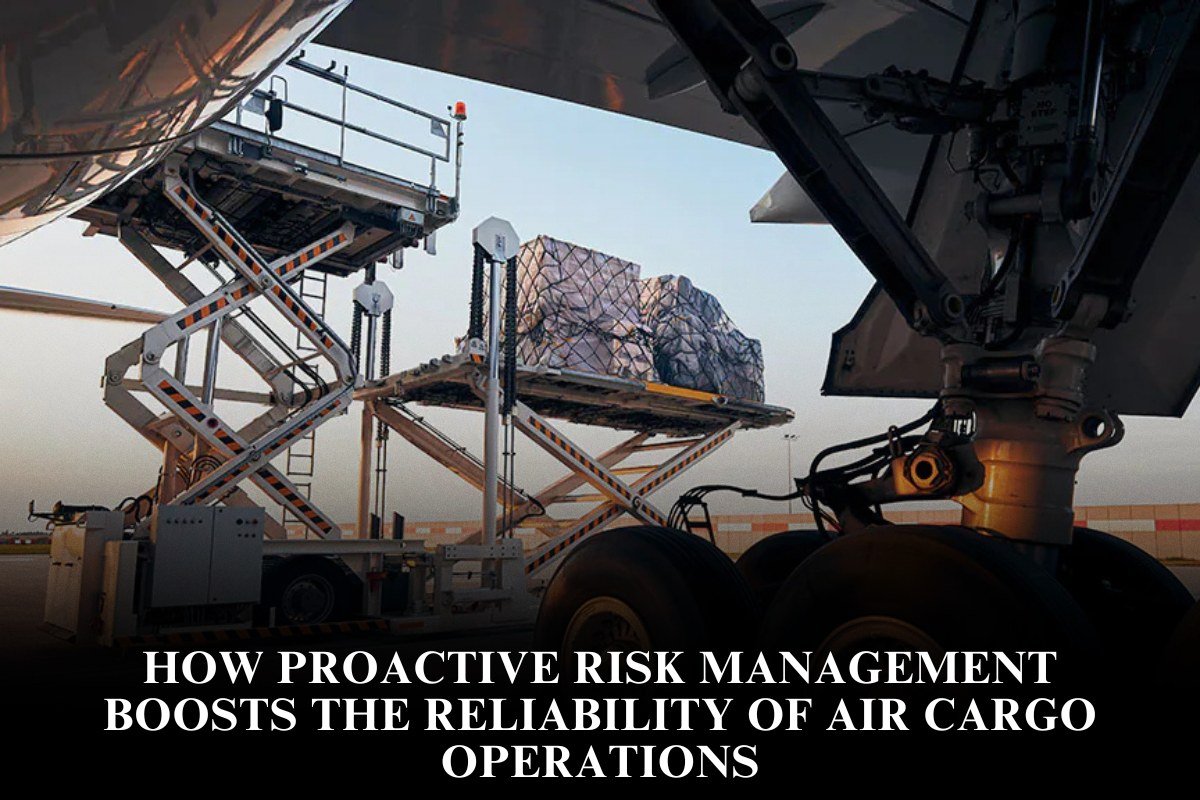
Air cargo operations function in a fast-paced, high-stakes environment where delays, disruptions, or failures can have immediate financial and operational consequences. From weather events and security threats to regulatory changes and equipment failures, risks are inherent at every stage of the air cargo supply chain. Proactive risk management is therefore not optional—it is essential for improving reliability, maintaining service continuity, and protecting customer trust.
Understanding Risk in Air Cargo Operations
Risk in air cargo operations refers to any uncertainty that can disrupt the safe, timely, and efficient movement of goods. These risks may be operational (equipment failure, labor shortages), environmental (weather, natural disasters), regulatory (customs delays, compliance errors), or security-related (cargo theft, tampering).
Without structured risk management, these threats are often addressed reactively, resulting in shipment delays, increased costs, and reputational damage. Proactive risk management focuses on anticipation and prevention rather than crisis response.
Anticipating Disruptions Before They Occur
The foundation of proactive risk management is early identification. By analyzing historical data, route performance, seasonal patterns, and geopolitical conditions, air cargo operators can anticipate potential disruptions before they escalate.
For example, advanced weather monitoring allows operators to reroute shipments in advance, while demand forecasting helps prevent capacity shortages. Anticipation enables smoother planning and reduces last-minute decision-making, which is often costly and error-prone.
Strengthening Operational Resilience
Reliability in air cargo depends heavily on resilience—the ability to absorb shocks and continue operating. Proactive risk management builds resilience by establishing backup plans, alternative routes, and redundant systems.
Operators that diversify carrier partnerships, airport hubs, and handling agents are less vulnerable to single points of failure. This redundancy ensures cargo continues moving even when disruptions affect one part of the network.
Enhancing Safety and Security Controls
Air cargo security is a critical risk area, particularly for high-value or sensitive goods. Proactive risk management strengthens screening procedures, access controls, and cargo integrity monitoring.
International standards promoted by organizations such as International Civil Aviation Organization and International Air Transport Association encourage risk-based security approaches. These frameworks help operators focus resources on high-risk shipments while maintaining efficiency across the network.
Improving Regulatory Compliance and Customs Reliability
Regulatory risk is a major source of air cargo delays. Incomplete documentation, misclassification, or non-compliance with local regulations can cause shipments to be held at borders.
Proactive risk management includes continuous monitoring of regulatory changes, staff training, and automated compliance checks. By addressing compliance risks early, operators reduce customs clearance delays and improve delivery reliability for international shipments.
Leveraging Technology and Data Analytics
Modern risk management relies heavily on digital tools. Real-time tracking, predictive analytics, and automated alerts allow operators to identify deviations from planned routes or schedules instantly.
Data-driven insights help logistics teams respond faster and make informed decisions. For example, predictive maintenance systems can detect early signs of aircraft or equipment failure, preventing breakdowns that would otherwise disrupt cargo operations.
Reducing Financial and Reputational Impact
Unmanaged risks often translate into financial losses through penalties, cargo damage, insurance claims, and lost customers. Proactive risk management minimizes these losses by reducing the frequency and severity of disruptions.
Consistent reliability builds trust with shippers, strengthens long-term partnerships, and enhances brand reputation. In a competitive market, reliability becomes a key differentiator that directly supports business growth.
Creating a Culture of Risk Awareness
Beyond systems and processes, proactive risk management depends on people. Organizations that encourage reporting, transparency, and continuous improvement are better equipped to manage risk effectively.
Training staff to recognize potential threats and empowering them to act early ensures risks are addressed at the operational level—not just in management reports.
FAQs
What is proactive risk management in air cargo?
It is the process of identifying, assessing, and mitigating risks before they disrupt cargo operations, rather than reacting after problems occur.
How does risk management improve delivery reliability?
By preventing delays, ensuring alternative plans are in place, and enabling faster responses to potential disruptions.
What are the most common risks in air cargo operations?
Weather disruptions, regulatory delays, security threats, equipment failures, and capacity constraints are among the most common risks.
Can technology really reduce air cargo risks?
Yes. Real-time tracking, predictive analytics, and automated compliance tools significantly improve visibility and early intervention.
Is proactive risk management only for large cargo operators?
No. Businesses of all sizes benefit from proactive risk management, as even small disruptions can have major operational and financial impacts.