Global trade depends on the ability to move goods quickly, safely, and predictably across borders. As supply chains become more complex and customer expectations rise, air cargo has evolved from a premium transport option into a strategic backbone of international freight. Innovation in global air cargo is accelerating this shift, reshaping how international freight solutions are designed, delivered, and optimized.
The Changing Role of Air Cargo in Global Trade
Traditionally, air cargo was reserved for high-value or emergency shipments. Today, it plays a broader role in supporting just-in-time manufacturing, e-commerce fulfillment, pharmaceutical distribution, and high-tech industries.
Innovation has expanded air cargo’s impact by:
- Increasing reliability and network reach
- Improving cost efficiency through smarter operations
- Integrating air freight more closely with multimodal logistics
These advances allow air cargo to support global trade flows more consistently and at scale.
Digitalization Driving End-to-End Visibility
One of the most transformative innovations in air cargo is digitalization. Advanced tracking, electronic documentation, and integrated platforms now provide real-time visibility across international shipments.
Digital air cargo solutions enable:
- Accurate shipment tracking across borders
- Faster customs clearance through electronic airway bills
- Proactive exception management
Industry frameworks promoted by International Air Transport Association have accelerated the adoption of standardized digital processes, reducing delays and improving coordination across international freight networks.
Predictive Analytics Improving Reliability
Innovation in data analytics is shifting air cargo from reactive operations to predictive planning. By analyzing historical data, weather patterns, capacity trends, and demand signals, providers can anticipate disruptions before they occur.
Predictive capabilities support:
- Smarter route and capacity planning
- Reduced transit-time variability
- Better inventory and production synchronization
As reliability improves, international freight solutions become more dependable and scalable.
Automation Enhancing Speed and Accuracy
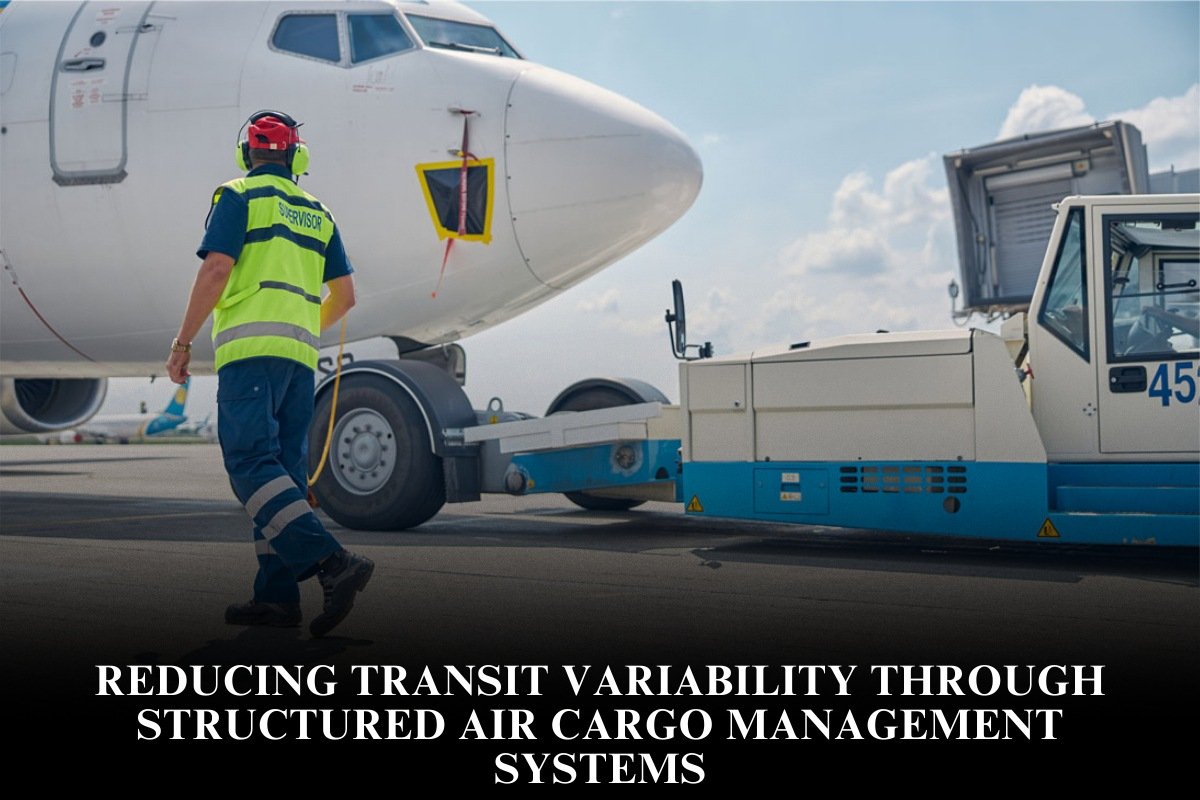
Automation is streamlining critical air cargo processes such as cargo handling, sorting, and documentation. Automated systems reduce manual errors, speed up throughput, and improve safety at airports and logistics hubs.
Automation benefits include:
- Faster ground handling and transfers
- Improved cargo integrity
- Lower operational risk during peak volumes
These improvements directly enhance the performance of international freight solutions that rely on tight schedules.
Innovation in Cold Chain and Specialized Cargo
Air cargo innovation has been especially impactful in specialized freight segments. Temperature-controlled containers, real-time condition monitoring, and advanced packaging have transformed the movement of pharmaceuticals, vaccines, and perishables.
These innovations:
- Protect cargo quality across long distances
- Support global health and food supply chains
- Expand international trade in sensitive goods
Reliable cold-chain air freight has become essential to modern global commerce.
Sustainability Shaping the Future of Air Cargo
Environmental concerns are driving innovation across air cargo operations. Fuel-efficient aircraft, sustainable aviation fuels, optimized routing, and emissions tracking are reshaping how international freight solutions balance speed with responsibility.
Sustainability-focused innovation:
- Reduces environmental impact
- Meets regulatory and customer expectations
- Strengthens long-term viability of air freight
Sustainable progress ensures air cargo remains a trusted component of global logistics.
Stronger Integration With Multimodal Networks
Air cargo innovation increasingly focuses on integration rather than isolation. Digital platforms now connect air freight seamlessly with road, rail, and sea transport.
Integrated solutions:
- Improve door-to-door reliability
- Reduce handoff delays
- Offer flexible routing options
Global logistics providers such as DHL leverage these innovations to deliver cohesive international freight solutions rather than standalone transport services.
Resilience in a Disrupted World
Recent global disruptions have highlighted the importance of resilient freight systems. Innovation in air cargo—such as dynamic capacity allocation, charter flexibility, and rapid network reconfiguration—has allowed supply chains to adapt quickly.
This resilience strengthens international freight solutions by:
- Maintaining continuity during crises
- Supporting emergency and humanitarian logistics
- Preserving trust among global trading partners
FAQs
Why is air cargo innovation important for international freight?
It improves reliability, visibility, and speed, allowing global supply chains to operate more efficiently and predictably.
How does digitalization impact air freight operations?
It enables real-time tracking, faster documentation, and better coordination across borders.
Is air cargo innovation only relevant for large shippers?
No. Improved reliability and transparency benefit businesses of all sizes engaged in international trade.
How does sustainability influence air cargo innovation?
Environmental pressures are driving more efficient aircraft, cleaner fuels, and optimized operations.
Will air cargo continue to grow despite high costs?
Yes. Innovation is improving efficiency and value, making air cargo a strategic option for many international freight needs.