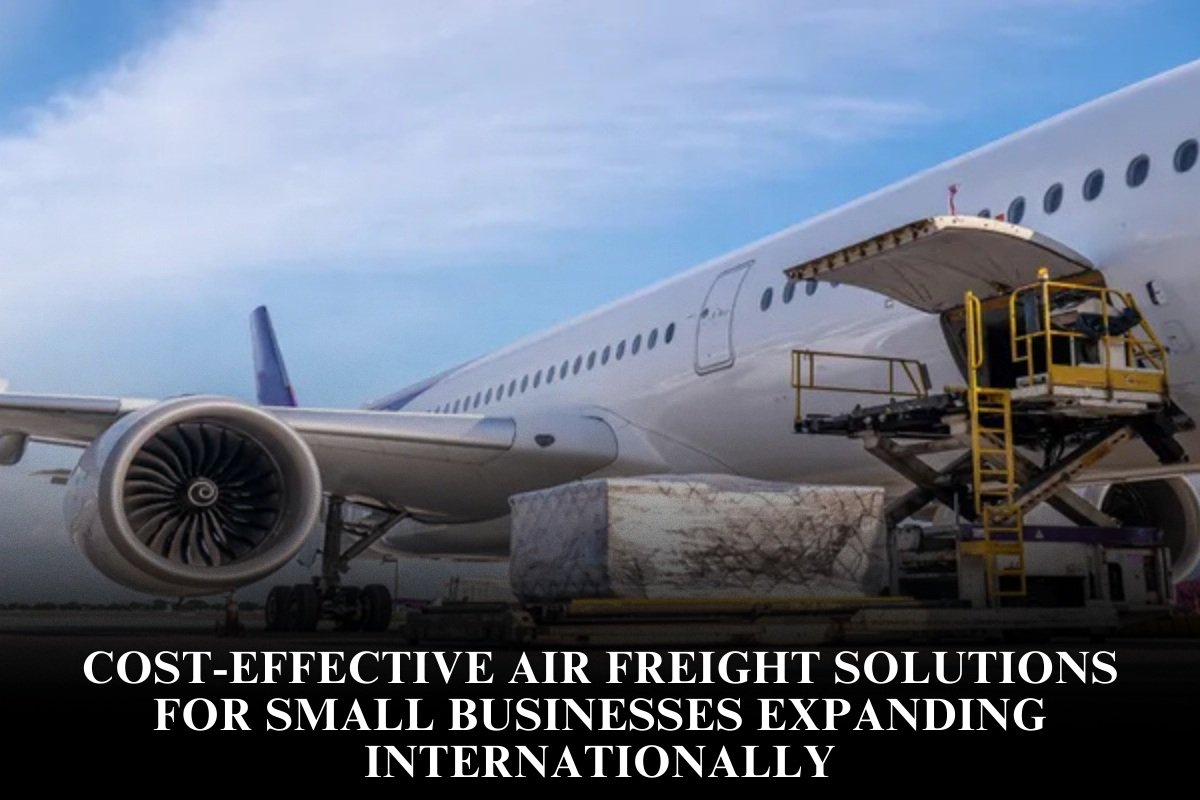
For small businesses entering international markets, air freight can feel intimidating due to perceived high costs. Yet air freight is often the most practical option for fast market entry, customer satisfaction, and supply chain reliability. With the right strategies, small businesses can use air freight cost-effectively while scaling globally with confidence.
Why Air Freight Makes Sense for Small Businesses
Air freight is not only about speed—it is about reducing risk. For small businesses, delayed shipments can mean lost customers, cash-flow pressure, or damaged brand reputation.
Air freight offers:
- Faster delivery to new international customers
- Lower inventory holding costs
- Reduced risk of damage or loss for high-value goods
When used strategically, air freight supports growth without requiring large upfront logistics investments.
Choosing the Right Shipments for Air Freight
Cost-effective air freight begins with selectivity. Not all products need to fly. Small businesses benefit most when air freight is used for:
- High-value or lightweight products
- Time-sensitive or seasonal goods
- Initial market entry shipments
By reserving air freight for shipments where speed adds value, businesses control costs while maximizing impact.
Leveraging Consolidation and Shared Capacity
One of the most effective cost-saving strategies is shipment consolidation. Rather than paying for dedicated space, small businesses can share cargo capacity with other shippers.
Freight forwarders consolidate multiple shipments into one air consignment, reducing per-unit costs. This approach allows small exporters to access global air networks without paying premium rates for low volumes.
Working With Experienced Freight Forwarders
Freight forwarders act as logistics partners, not just booking agents. For small businesses, the right forwarder provides expertise, flexibility, and cost optimization.
Experienced providers:
- Recommend optimal routes and carriers
- Handle customs documentation efficiently
- Offer scalable solutions as volumes grow
Global standards promoted by International Air Transport Association help forwarders coordinate safely and efficiently across borders, benefiting small shippers navigating international regulations.
Optimizing Packaging to Reduce Costs
Air freight costs are heavily influenced by chargeable weight, which considers both actual weight and volume. Poor packaging can significantly increase shipping expenses.
Cost-efficient packaging focuses on:
- Reducing empty space
- Using lightweight but protective materials
- Designing product dimensions with air transport in mind
Smarter packaging directly lowers freight charges without compromising safety.
Using Hybrid and Deferred Air Services
Not all air freight services are premium express. Deferred or economy air services offer slower transit times at significantly lower costs while still outperforming sea freight.
Some businesses also use hybrid solutions—air freight for long international legs combined with ground transport locally—to balance speed and cost.
Planning Around Customs and Compliance
Unexpected customs delays add hidden costs. Proper documentation, accurate product classification, and compliance with destination regulations prevent storage fees, re-routing, or penalties.
Reliable logistics partners and clear compliance processes ensure shipments move smoothly, protecting budgets and delivery commitments.
Building Predictable Shipping Schedules
Last-minute bookings are expensive. Predictable shipping schedules allow forwarders to secure better rates and plan consolidation more effectively.
Consistent shipping patterns help small businesses:
- Negotiate improved pricing over time
- Reduce emergency shipments
- Improve customer delivery expectations
Predictability is a powerful cost-control tool.
Scaling Gradually With Demand
Air freight supports flexible scaling. Small businesses can increase shipment frequency or volume without investing in infrastructure.
Global logistics providers such as DHL offer scalable air freight programs that allow growing businesses to expand routes and capacity as demand increases—without locking into rigid contracts.
FAQs
Is air freight too expensive for small businesses?
Not when used strategically. Consolidation, selective shipping, and economy air services make air freight affordable for many small exporters.
What types of products are best suited for air freight?
High-value, lightweight, time-sensitive, or fragile goods benefit most from air transport.
How can small businesses reduce air freight costs quickly?
Optimize packaging, plan shipments in advance, and work with freight forwarders who offer consolidation services.
Do small businesses need large volumes to access air freight?
No. Consolidated air freight allows small shipment sizes to move cost-effectively.
Can air freight support long-term international growth?
Yes. Air freight provides speed, reliability, and scalability that help small businesses grow and compete globally.