Providing end-to-end logistics solutions with precision-driven air transport execution revolutionizes supply chain management by integrating seamless operations from origin to destination. These solutions leverage advanced technology for accuracy, speed, and reliability in air cargo handling.
What It Means
End-to-end logistics covers every stage: procurement, inventory management, transportation across modes like road, rail, and air, warehousing, and final delivery. Precision-driven air transport execution focuses on air cargo’s unique demands, using GPS tracking, AI route optimization, and real-time analytics to minimize delays and costs.
This approach ensures full visibility, automated workflows, and data-driven decisions, ideal for time-sensitive goods like perishables or electronics.
Core Components
Key elements include real-time tracking via GPS for live shipment monitoring, route optimization algorithms that cut fuel use and boost on-time delivery, and end-to-end visibility from supplier to customer. Advanced planning systems (APS) handle scheduling, demand forecasting, and multi-modal integration, while last-mile solutions address urban delivery challenges. Business intelligence tools provide insights for efficiency gains.
Air Transport Precision
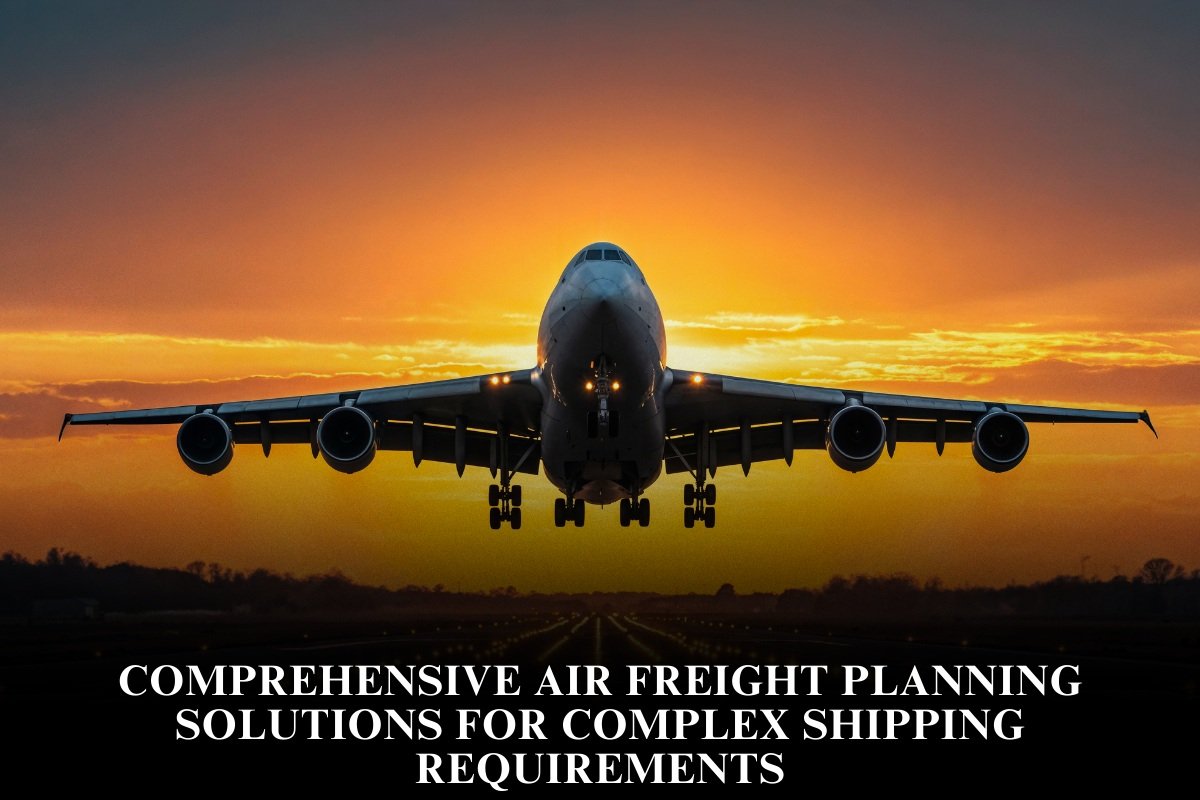
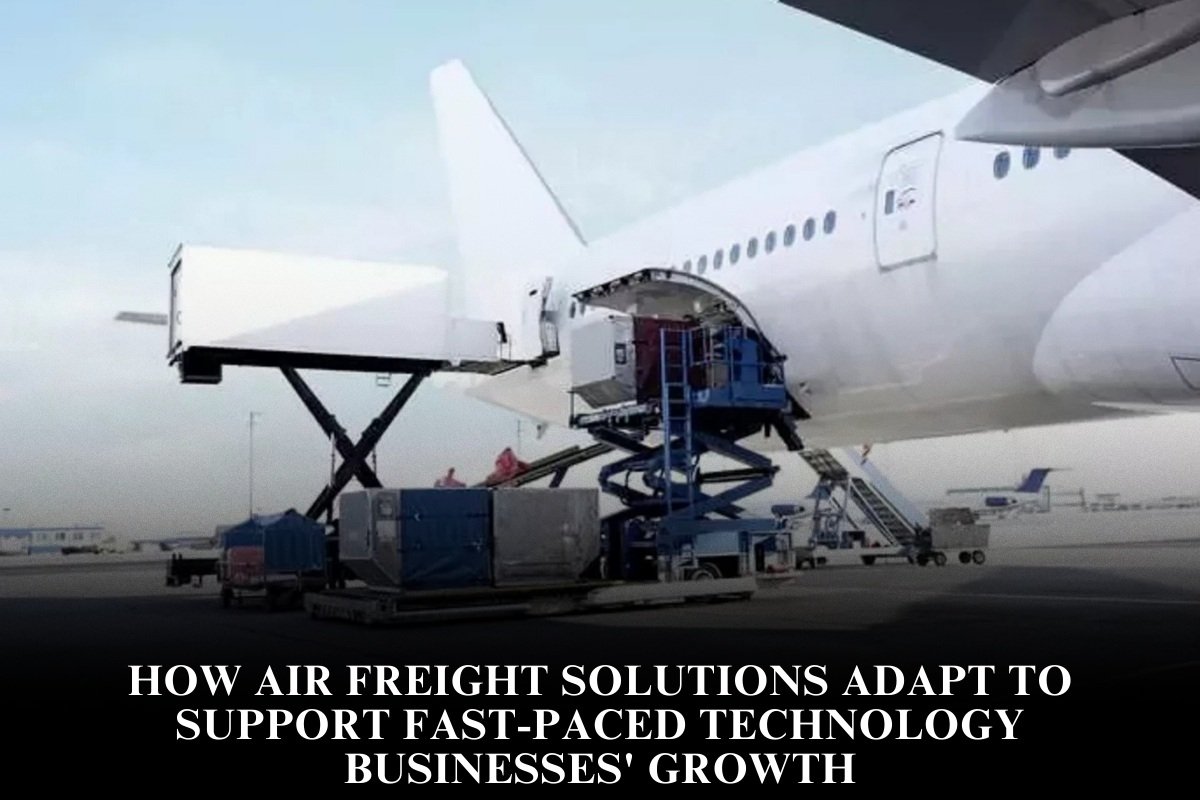
Air cargo demands exact execution due to high costs and speed needs. Specialized containers fit aircraft holds, with agents managing international shipments under strict regulations. Technologies like AI forecasting and automated dispatching ensure compliance, reduce disruptions, and enable predictive maintenance on fleets. This precision cuts errors in high-value or urgent transports.
Technology Integration
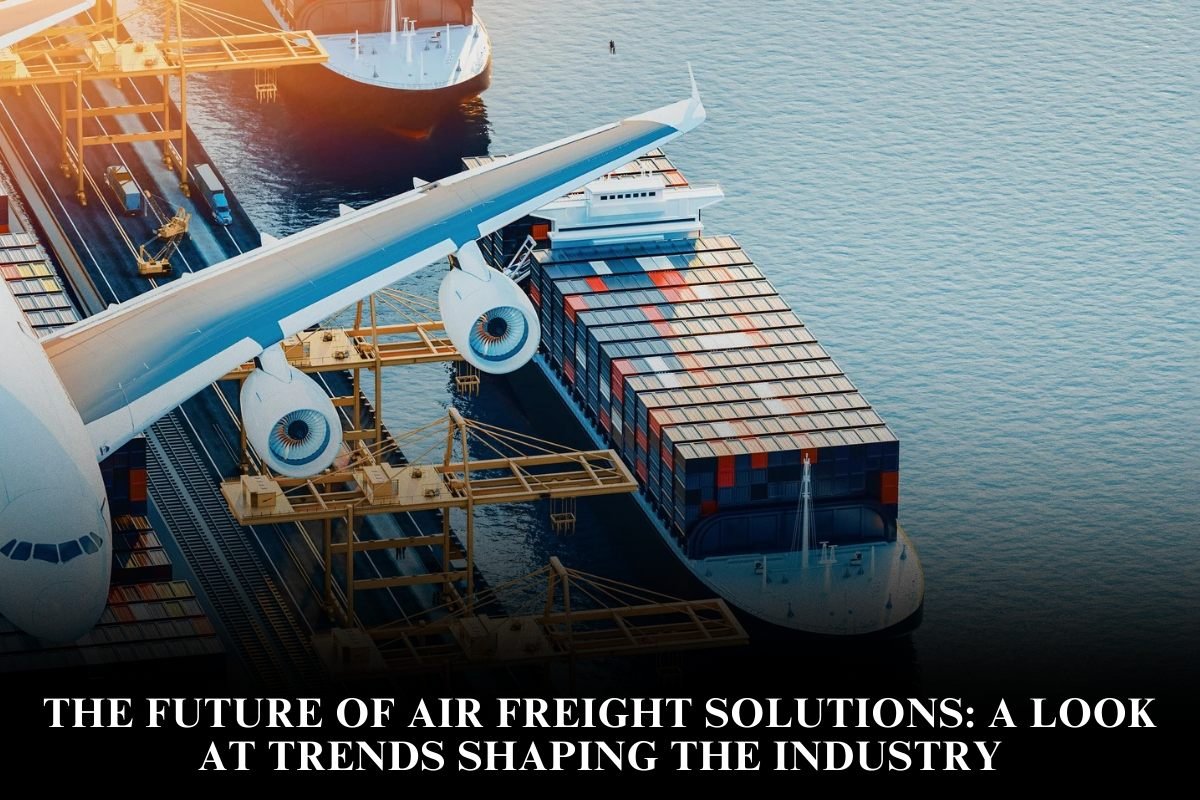
Digital platforms unify ocean, air, road, and rail operations, offering flexible routing and customs clearance. Automation streamlines workflows, from order processing to dispatching, while real-time data analytics identify bottlenecks. AI enhances forecasting and greener operations, linking ports, warehouses, and inland logistics for total control.
Benefits for Businesses
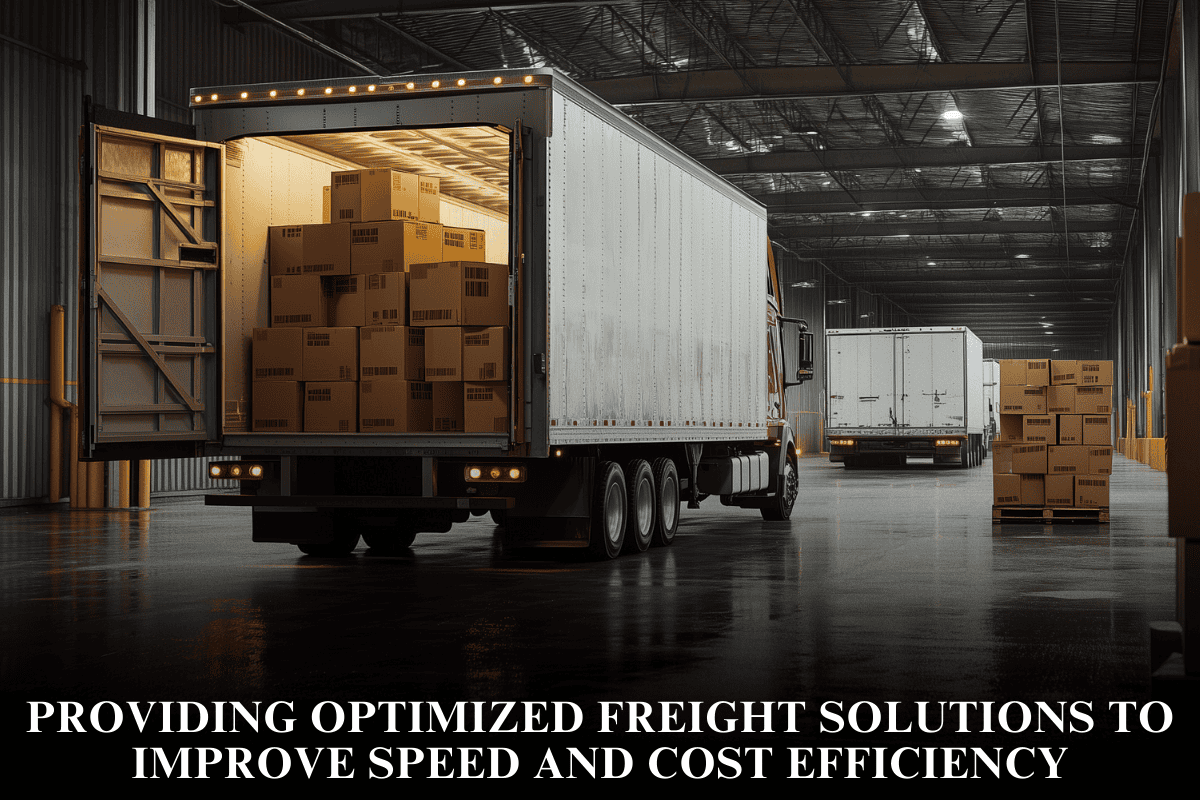
These solutions lower costs through optimized routes and reduced manual tasks, improve customer satisfaction with reliable ETAs, and provide scalability for global trade. Enhanced security via alerts and analytics prevents losses, while integrated systems support faster, sustainable supply chains. Companies gain competitive edges in volatile markets.
Real-World Execution
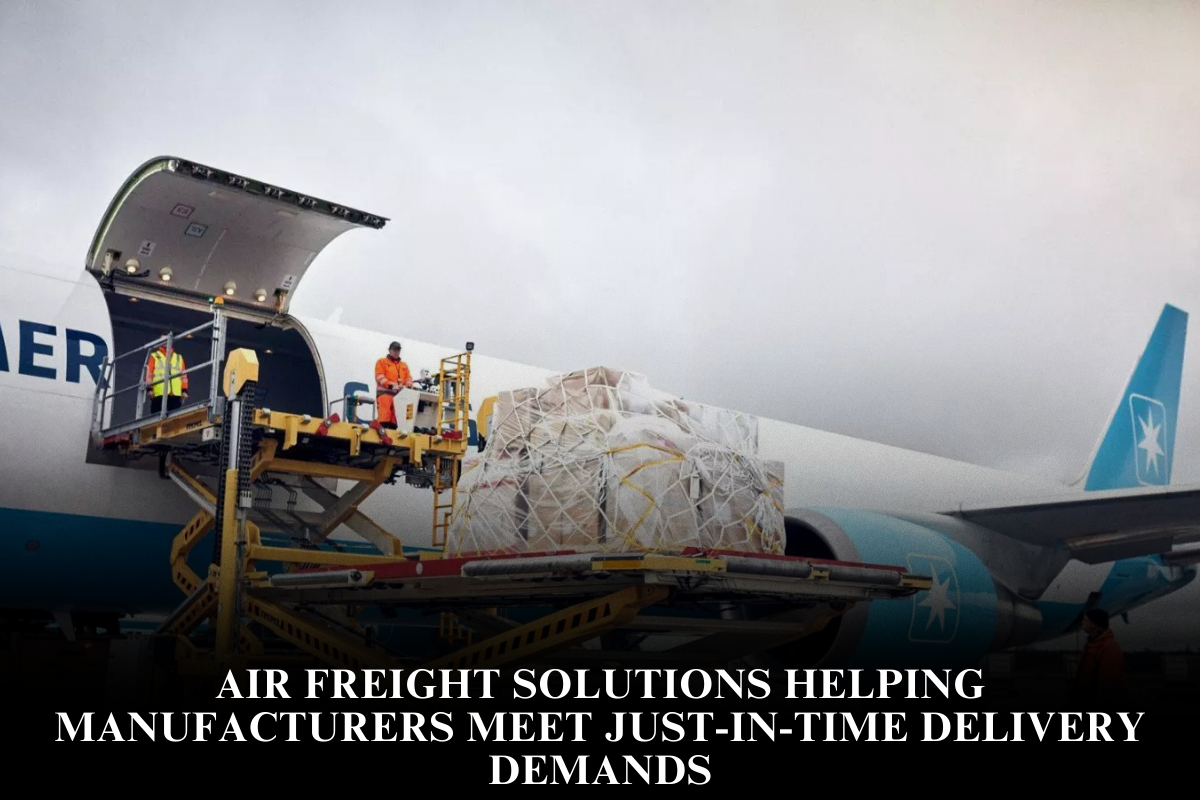
In practice, a firm might use software for live fleet monitoring, automated alerts for weather delays, and predictive analytics for inventory. For air execution, pallets and containers load efficiently, with agents coordinating clearances. This creates agile responses to disruptions, ensuring seamless flow in complex networks like e-commerce or pharma distribution.
Challenges Addressed
Traditional logistics face visibility gaps, delays, and high air freight costs. Precision solutions counter this with unified platforms, reducing urban haul inefficiencies and enabling multimodal parks. Government initiatives like India’s LEEP promote tracking and digitization for broader efficiency.
Future Outlook
As AI and automation advance, expect more predictive logistics and drone integrations for last-mile air delivery. Sustainability drives electric fleets and optimized loads, aligning with global green trade goals under current policies.
FAQs
1. What are end-to-end logistics solutions?
They manage the full supply chain—from procurement to delivery—integrating transport modes for complete visibility and efficiency.
2. How does precision-driven air transport work?
It uses GPS, AI algorithms, and real-time data for optimal routing, tracking, and execution in air cargo, minimizing delays.
3. What technologies power these solutions?
Key tech includes real-time tracking, route optimization, AI forecasting, and automated workflows across digital platforms.
4. What benefits do businesses gain?
Reduced costs, faster deliveries, full visibility, and scalability, with improved customer satisfaction and sustainability.
5. Is this suitable for all industries?
Yes, especially time-critical sectors like e-commerce, pharma, and perishables, via multi-modal integration.