Air freight plays a pivotal role in modern global supply chains, offering fast, reliable transportation of goods across long distances. As global trade continues to expand and consumer expectations rise, businesses increasingly rely on air freight to maintain competitiveness.
However, while air freight provides speed and reliability, it also comes with a unique set of challenges that affect both supply chain efficiency and cost management. In this article, we explore the dual nature of air freight’s impact on global supply chains—how it enhances operational efficiency and how its associated costs must be carefully managed.
The Speed and Reliability of Air Freight
One of the most significant advantages of air freight is its speed. For industries such as electronics, pharmaceuticals, automotive, and fashion, where time-sensitive deliveries are essential, air freight is often the only viable option to meet customer demands and ensure smooth operations.
- Faster Delivery Times: Air freight reduces shipping time significantly compared to sea freight, allowing businesses to react quickly to market demands, stock shortages, and urgent customer needs. This can be especially important in industries with high seasonality, such as retail and consumer goods, where time-sensitive shipments are critical to maintaining inventory levels.
- Increased Supply Chain Flexibility: Air freight provides businesses with greater flexibility in their supply chain operations, especially for just-in-time (JIT) inventory systems. By ensuring rapid delivery of components and finished products, companies can maintain lean inventories while still meeting customer demands.
- Reliability and Predictability: Air freight services are highly reliable, with fewer disruptions compared to sea freight, which can be delayed due to weather, congestion, or other unforeseen factors. Air cargo carriers often operate on fixed schedules, which can improve predictability and streamline logistics planning, reducing downtime in the supply chain.
Impact on Global Supply Chain Efficiency
Air freight contributes to global supply chain efficiency in several ways, from optimizing inventory management to facilitating international trade. Let’s explore the key areas where air freight positively impacts efficiency.
1. Reducing Lead Times and Inventory Costs
Air freight is essential for reducing lead times in the global supply chain. Shorter lead times mean that businesses can respond more quickly to shifts in consumer demand, which is particularly beneficial in industries with rapidly changing trends, such as electronics or fashion. With air freight, businesses can shorten production cycles, ensure products reach the market faster, and optimize supply chains for greater efficiency.
- Improved Stock Availability: Faster shipments result in more consistent stock availability across regions, minimizing the risk of stockouts and improving customer satisfaction.
- Inventory Management: With reduced shipping times, businesses can adopt just-in-time or demand-driven inventory systems, holding less stock and reducing the costs associated with inventory storage.
2. Enabling Global Reach and Trade Expansion
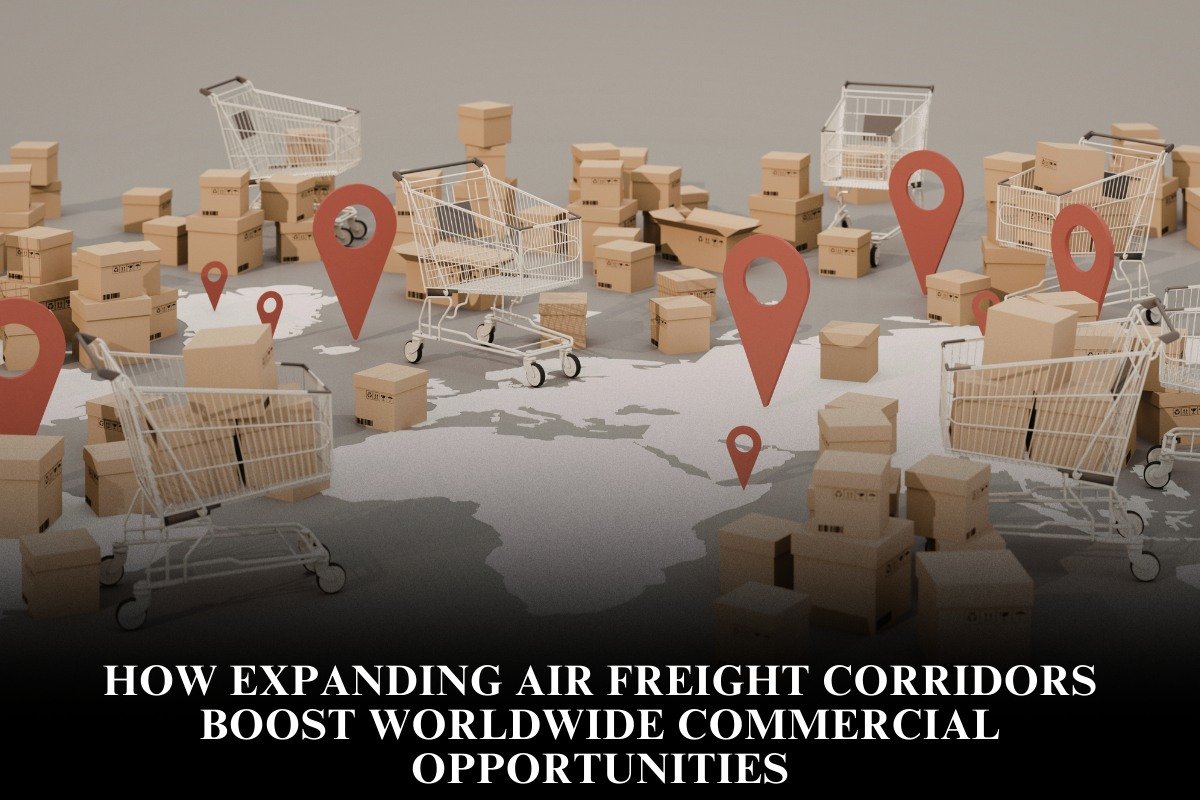
Air freight plays a critical role in expanding a business’s global reach by connecting distant markets in a timely manner. It allows businesses to enter new geographic markets by offering faster transportation options for goods and providing greater access to international suppliers.
- Access to Remote Markets: Air freight is often the preferred mode for transporting goods to and from remote or landlocked areas where sea freight or land transport are not feasible. This opens up more markets for businesses to explore.
- International Sourcing: Air freight enables businesses to source high-value or time-sensitive materials and components from international suppliers. This is particularly important for industries that rely on a global network of suppliers for production, such as automotive or pharmaceuticals.
3. Minimizing Stockouts and Expediting Critical Shipments
In industries such as pharmaceuticals, electronics, and automotive manufacturing, air freight helps to expedite the delivery of critical components and products that are essential to maintaining operations and fulfilling customer orders.
- Critical Parts and Components: Many industries require just-in-time delivery of critical components to prevent production delays. Air freight ensures that essential parts are delivered without delay, minimizing the risk of halted production lines.
- Time-Sensitive Deliveries: Air freight is essential for urgent shipments, such as medical supplies or perishable goods, where time is of the essence. The ability to move these goods quickly allows companies to stay competitive and ensure that they meet customer expectations.
Cost Management Considerations in Air Freight
While air freight offers undeniable advantages in speed and reliability, its higher costs compared to other modes of transport must be carefully managed. Understanding the cost structure and identifying areas for optimization is essential for businesses looking to leverage air freight without compromising their bottom line.
1. The High Cost of Air Freight
Air freight is generally more expensive than sea freight or rail transport, primarily due to fuel costs, handling fees, and the cost of maintaining air freight infrastructure.
- Fuel Costs: Airplanes are high fuel consumers, and fluctuations in fuel prices can significantly impact the overall cost of air freight.
- Handling Fees: Air cargo handling, security, and regulatory compliance add additional layers of cost to air shipments, especially when transporting goods across international borders.
2. Balancing Speed with Cost
Businesses must weigh the benefits of speed against the added cost of air freight. For high-value or perishable goods, the speed of air freight justifies the higher costs, but for less time-sensitive items, businesses may opt for sea or rail transport to reduce expenses.
- Cost-Benefit Analysis: Businesses should perform a cost-benefit analysis to assess whether the faster delivery times of air freight are worth the added expense for certain products.
- Consolidation of Shipments: To reduce air freight costs, businesses can consolidate shipments from multiple suppliers into a single shipment, thus optimizing space utilization and reducing overall transport expenses.
3. Minimizing Excess Costs with Efficient Logistics
Efficient logistics and supply chain management practices can help reduce the overall cost of air freight. Strategies such as optimizing packaging, improving route planning, and leveraging technology to track and manage shipments can help improve cost efficiency.
- Optimized Packaging: By reducing packaging sizes, businesses can fit more products into a single shipment, maximizing the efficiency of the air cargo space and minimizing costs.
- Technology Integration: Implementing supply chain management software and real-time tracking systems can help identify opportunities to streamline processes, reduce delays, and minimize costs related to air freight.
4. Air Freight for High-Value Goods
Despite the higher costs, air freight is often the most cost-effective option for transporting high-value goods. Electronics, luxury goods, and pharmaceuticals, for example, are typically transported by air due to their high value, limited shelf life, or time sensitivity.
- Protection Against Risk: The high cost of air freight is often offset by the protection it offers against the risks of damage or theft. In addition, air freight reduces the risk of spoilage or obsolescence for perishable or time-sensitive products.
Air freight plays a critical role in enhancing the efficiency and competitiveness of global supply chains by enabling fast, reliable delivery of goods across the world. It allows businesses to respond to changing customer demands, access global markets, and manage inventory effectively.
However, the higher costs associated with air freight necessitate careful cost management and strategic decision-making. By optimizing the use of air freight and integrating advanced logistics practices, businesses can strike a balance between cost and efficiency, ensuring that air freight remains a powerful tool in their supply chain strategy.
FAQs
How does air freight improve supply chain efficiency?
Air freight reduces lead times, improves inventory management, and enables businesses to respond quickly to market demands, resulting in a more efficient supply chain.
What are the primary costs associated with air freight?
The primary costs include fuel, handling fees, and regulatory compliance. These costs can add up quickly, making air freight more expensive than other modes of transport.
Is air freight cost-effective for all goods?
Air freight is most cost-effective for high-value, time-sensitive, or perishable goods. For less time-sensitive items, businesses may choose more economical modes of transport, such as sea freight.
How can businesses manage air freight costs?
Businesses can manage costs by optimizing packaging, consolidating shipments, utilizing technology for better logistics management, and carefully evaluating the cost-benefit ratio of air freight for each product.
Why is air freight important for global trade?
Air freight enables faster, more reliable transportation of goods, supports international trade by reaching remote markets, and helps businesses maintain competitive advantage through speed and efficiency.