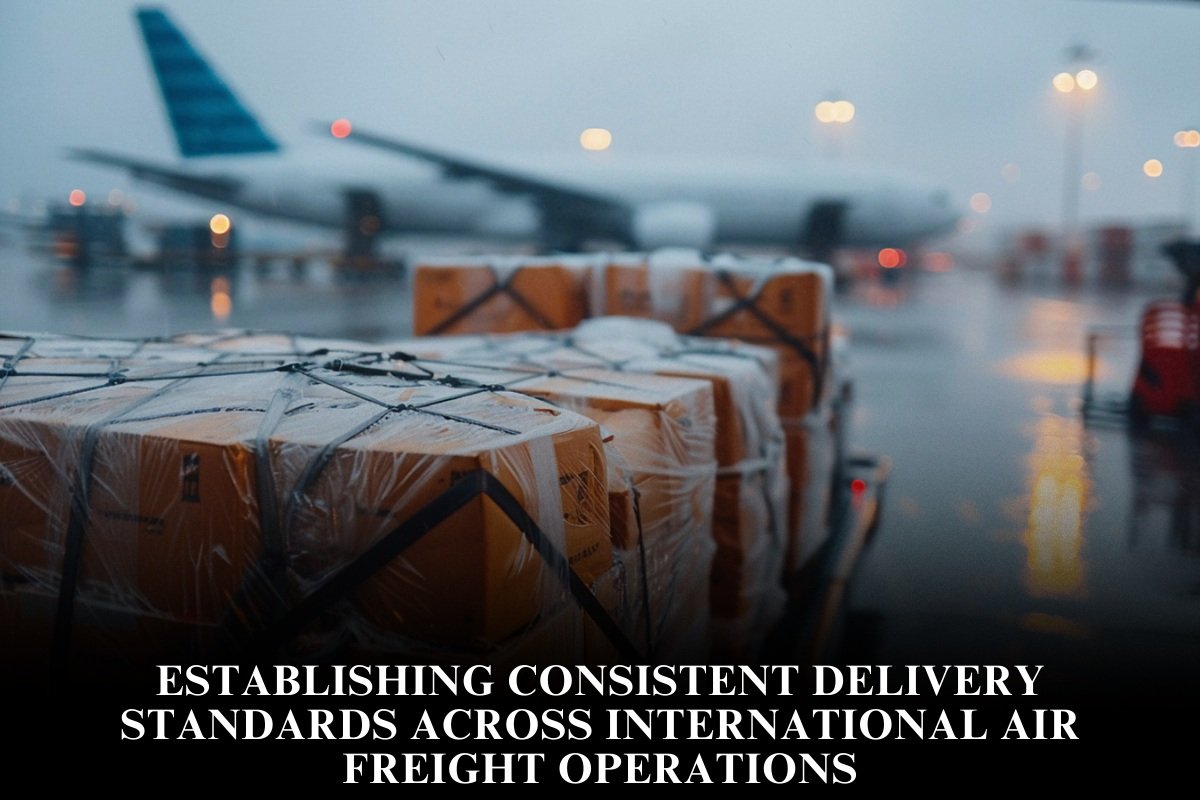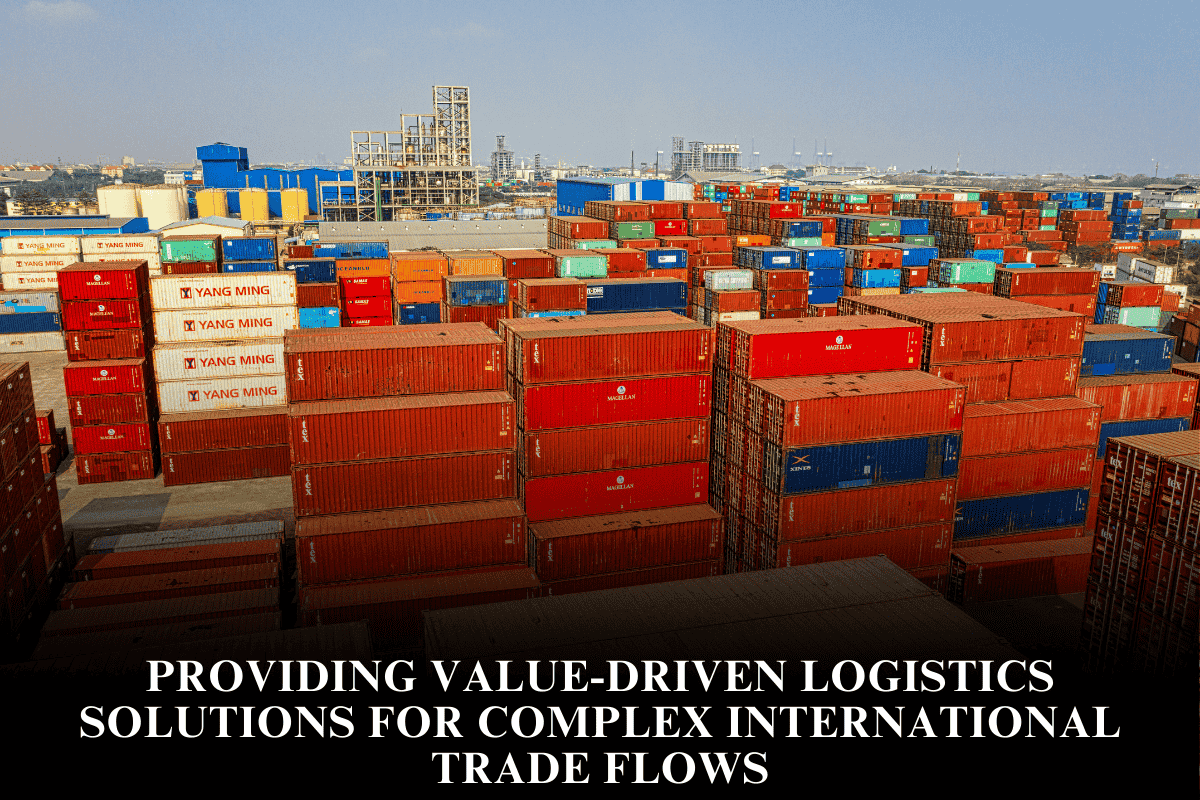
Coordinating worldwide freight movements with centralized global operations control streamlines complex supply chains, ensuring seamless execution across time zones and modes for US-based shippers handling $3 trillion in annual trade.
These command centers, leveraging AI and real-time data, cut delays by 25-40% while boosting on-time delivery to 95%+, powering industries from e-commerce to pharmaceuticals amid 2026’s tariff shifts and port volatility.
The Power of Centralized Control Towers
Global operations control towers act as nerve centers, integrating ocean, air, rail, and truck data into unified dashboards for end-to-end visibility. Unlike fragmented tracking, they predict disruptions—weather, customs holds, capacity shortages—rerouting proactively with 85%+ accuracy. Trax Technologies’ platforms exemplify this, using AI for dynamic planning that rivals digital operations in responsiveness, turning reactive firefighting into strategic orchestration.
In the US, hubs like Memphis (FedEx) and Louisville (UPS) coordinate trans-Pacific flows, syncing with Asian origins and European endpoints. AI decides routes factoring fuel, emissions, and SLAs, while edge computing processes IoT sensor data at ports for instant decisions.
Real-Time Visibility and Predictive Analytics
Data centralization eliminates silos: live ETAs, container temps (2-8°C for pharma), and asset locations feed control rooms 24/7. Platforms like Cleo’s orchestration layer automate workflows, resolving exceptions 20% faster via AI error detection. Predictive risk management flags delays before impact—congestion patterns at LAX or Suez-like events—triggering air backups or lane shifts.
Blockchain provides immutable audit trails for compliance, cutting fines millions annually. FedEx’s 2026 Intelligence Report highlights tighter windows demanding such intelligence, where disconnected systems create backlogs.
Multi-Modal Synchronization
Control towers orchestrate handoffs: ocean discharge at CVG to rail intermodal, then drayage to warehouses. Automation extends to checkpoints—electronic approvals minimize human verification, per 2026 trends. Robotics inspect pallets in real-time; ACI’s AI quality control integrates with fleet systems for seamless QC.
Interoperable APIs connect 3PLs, carriers, and customs (AES/ITN filings), enabling “single pane of glass” views. Reuters Events notes stakeholder alignment via shared platforms prevents 30% of execution gaps.
Handling 2026 Disruptions
Geopolitical tensions and trucking regs (ELD mandates) amplify complexity; towers forecast via analytics, balancing nearshoring (USMCA Mexico flows) with Asia resilience. Dark Blue Shipping emphasizes digitalization for risk management—real-time tracking preempts port strikes. Reuters’ Supply Chain USA 2026 calendar underscores events planning for these scenarios.
Workforce shortages drive automation: autonomous checkpoints and robotics reduce manual errors 40%, supporting upskilled teams focused on exceptions.
Sector-Specific Execution
- Pharma/Biologics: Temp-monitored reefers with priority ramps; towers validate chains end-to-end.
- E-Commerce: Last-mile optimization via micro-fulfillment, predictive marketplaces.
- Manufacturing: JIT parts from Vietnam/India, contingency fleets for volatility.
- Energy: Oversized project cargo via AN-124 charters, coordinated globally.
Key Technologies Driving Control
- AI/ML: Route optimization, anomaly detection (85% demand forecast accuracy).
- IoT/Edge: Sensor data for cargo integrity, geofencing alerts.
- Orchestration Platforms: Automate partner scorecards, SLA adherence.
- Digital Twins: Simulate disruptions for scenario testing.
UNCTAD’s Global Supply Chain Forum 2026 stresses resilience through such tech amid instability.
Measuring Global Coordination Success
KPIs rule: OTIF >95%, TAT <90 min at ports, yield per lane, NPS >70. Executive dashboards aggregate network health; root-cause analysis prevents repeats. ROI: 15-25% cost savings, 20% faster cycle times.
Challenges like data fragmentation yield to integrated ecosystems—cloud scalability suits growing US shippers.
Centralized control doesn’t just move freight—it masters global flows, turning complexity into competitive velocity for 2026’s trade landscape.
FAQs
1. What defines a global operations control tower?
Centralized AI-driven hub integrating multi-modal data for real-time visibility and decisions.
2. How does AI enhance coordination?
Predicts delays/reroutes with 85% accuracy, automates exceptions 20% faster.
3. Key 2026 disruptions managed?
Tariffs, port congestion, trucking regs via predictive analytics and contingencies.
4. Tech stack essentials?
IoT sensors, blockchain trails, orchestration platforms for interoperability.
5. Success metrics?
OTIF >95%, TAT <90 min, NPS >70 signaling loyalty.