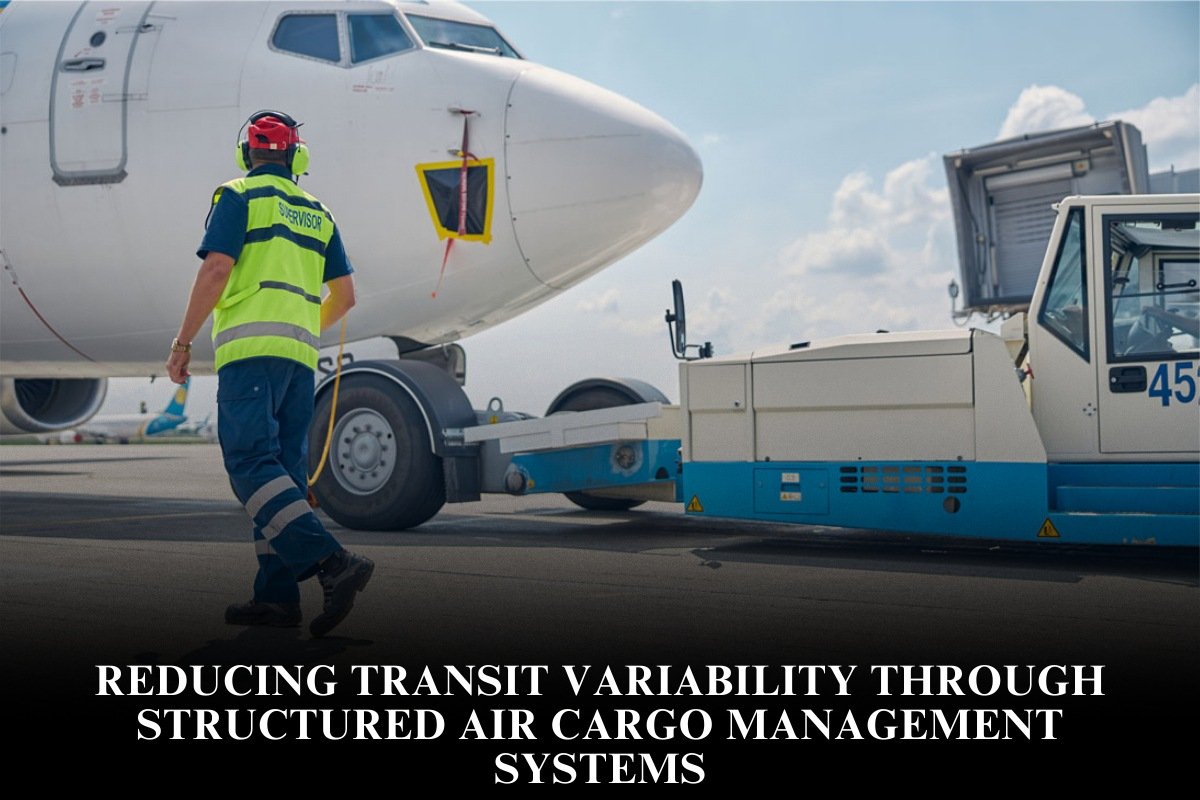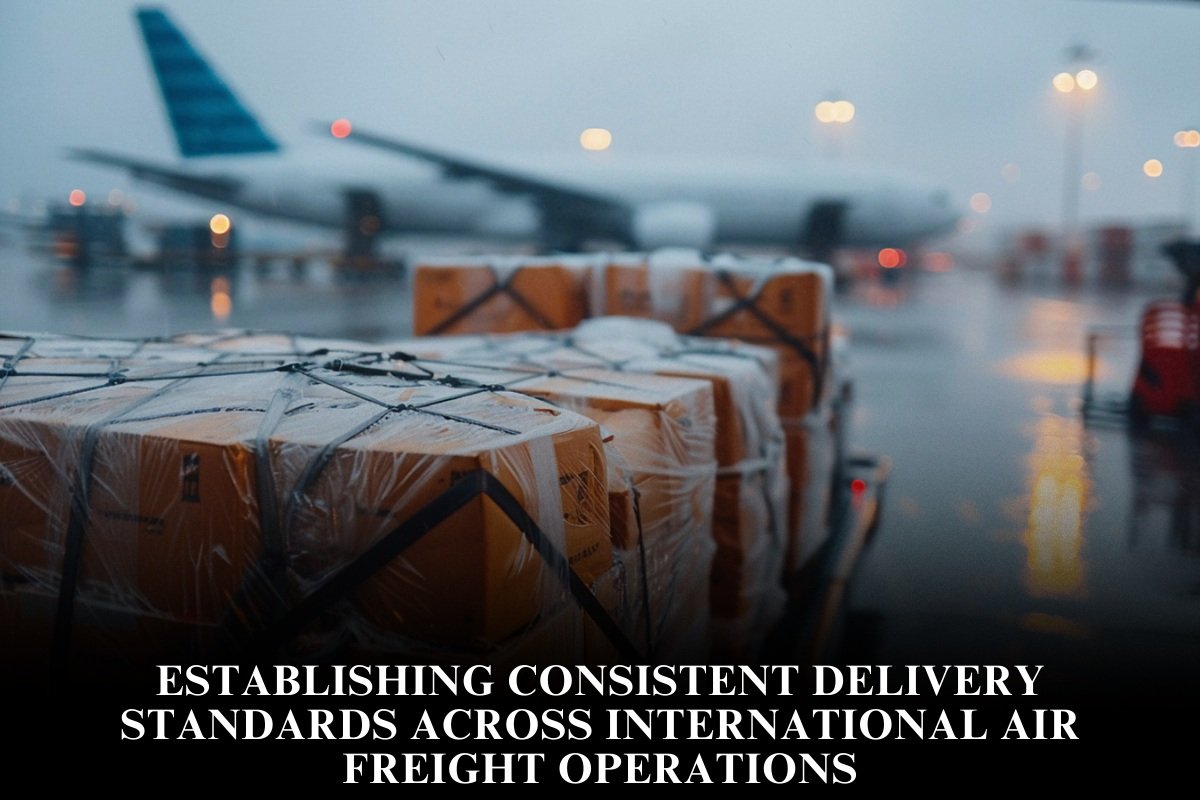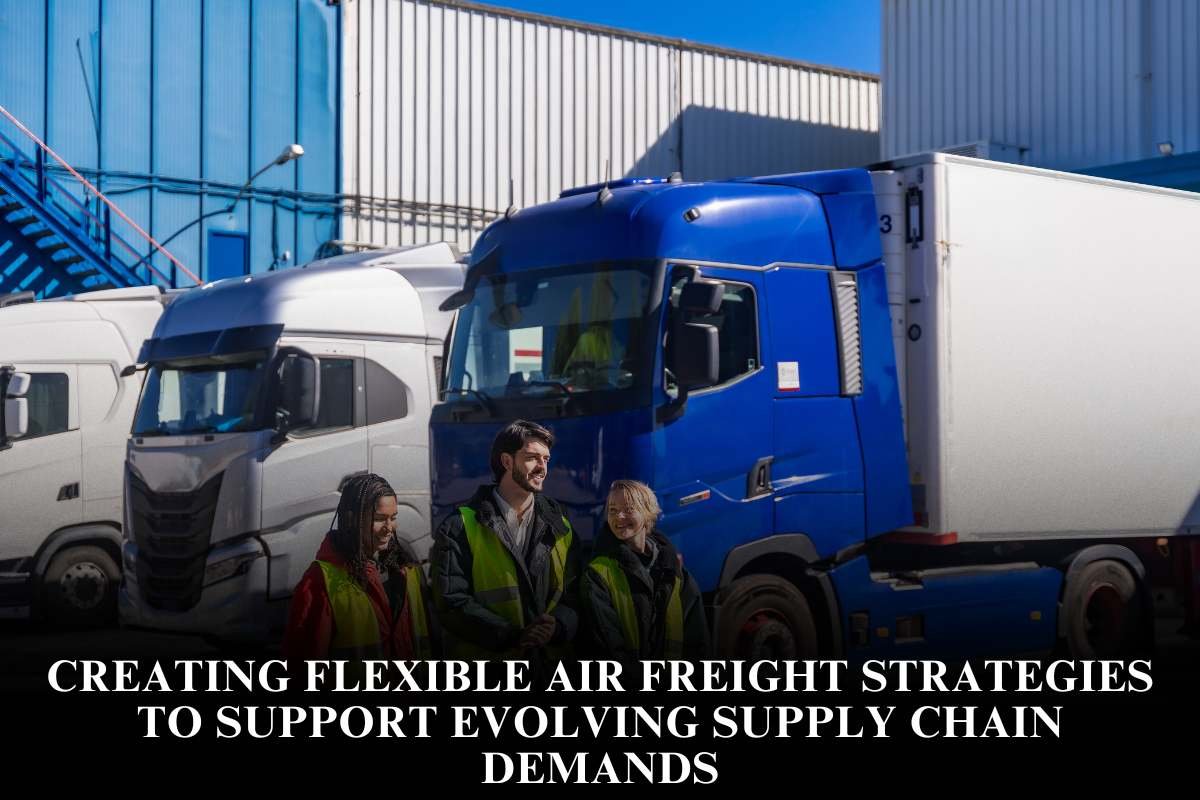
Creating flexible air freight strategies supports evolving U.S. supply chain demands by leveraging speed, visibility, and multimodality amid e-commerce surges, tariffs, and disruptions projected to drive $48.7 billion market growth by 2035. Hubs like Memphis and Louisville anchor networks for FedEx, UPS, and DHL, enabling rapid adaptation.
Current U.S. air freight landscape
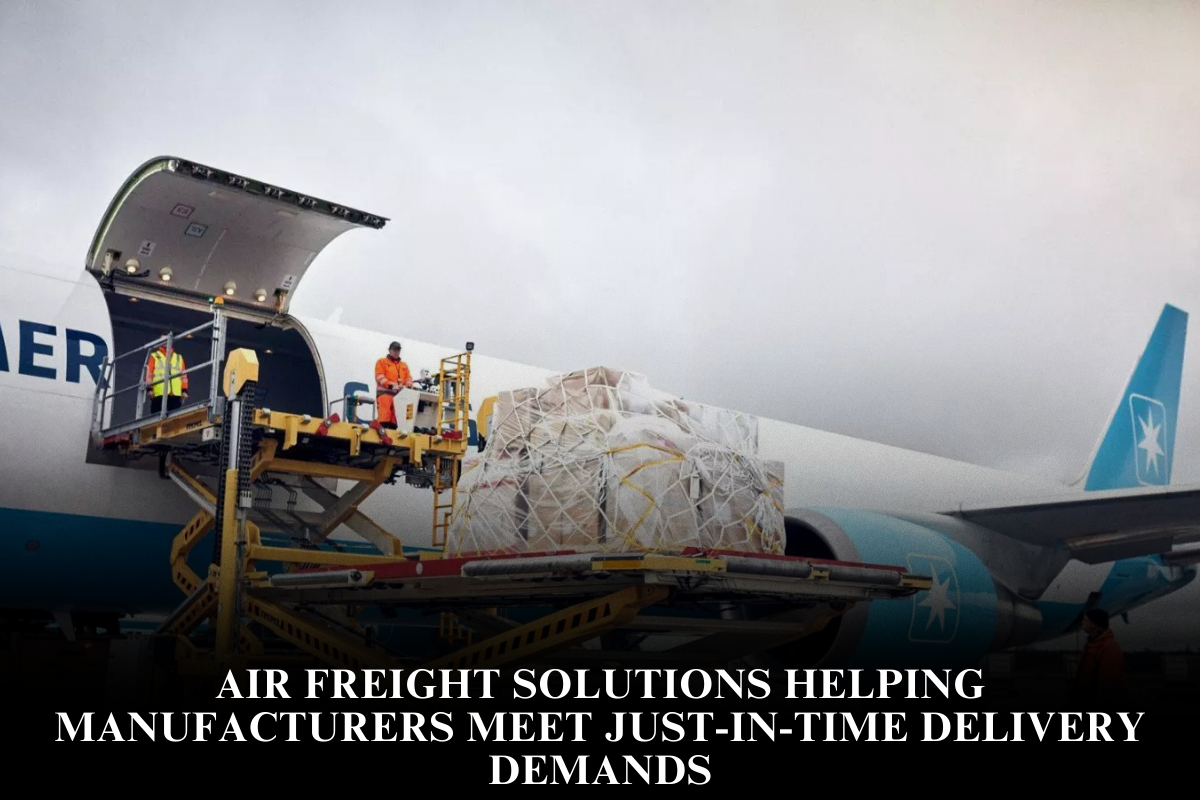
U.S. air cargo thrives on e-commerce (projected $2.2T cross-border by 2026), pharma, and high-tech, with volumes up significantly post-2023. Volatility persists from belly capacity fluctuations and Lunar New Year peaks; dedicated freighters and regional hubs mitigate risks. Demand hits records, fueled by efficiency needs.
Multimodal integration strategies
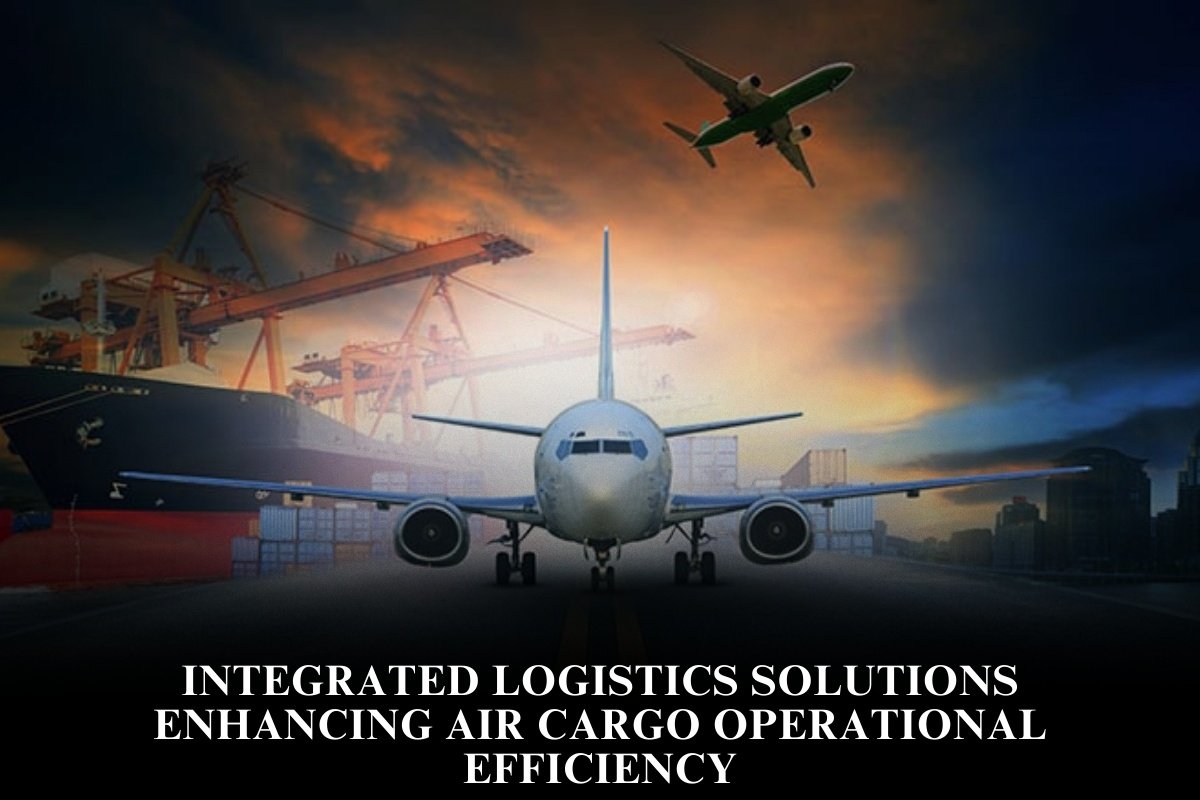
Blend air with sea/land for cost-speed balance: sea-air hybrids cut costs 20% while retaining urgency. LCL consolidation optimizes partial loads; Maersk stresses visibility to plug gaps. Tools like TMS platforms enable seamless shifts.
Leveraging technology for agility
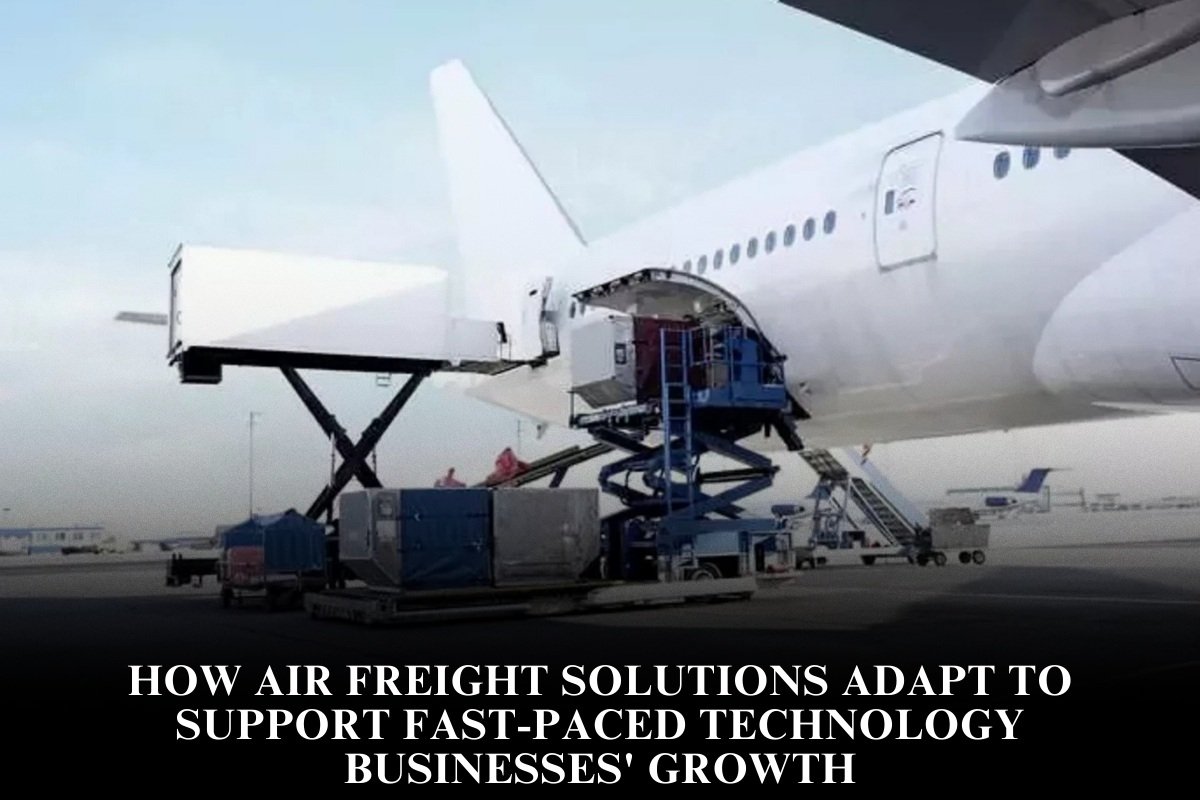
AI forecasting, blockchain tracking, and digital platforms predict volatility, reroute dynamically. Real-time visibility via IoT sensors flags issues early. E-commerce sorting hubs and automation handle parcel booms.
Partner selection and hub optimization
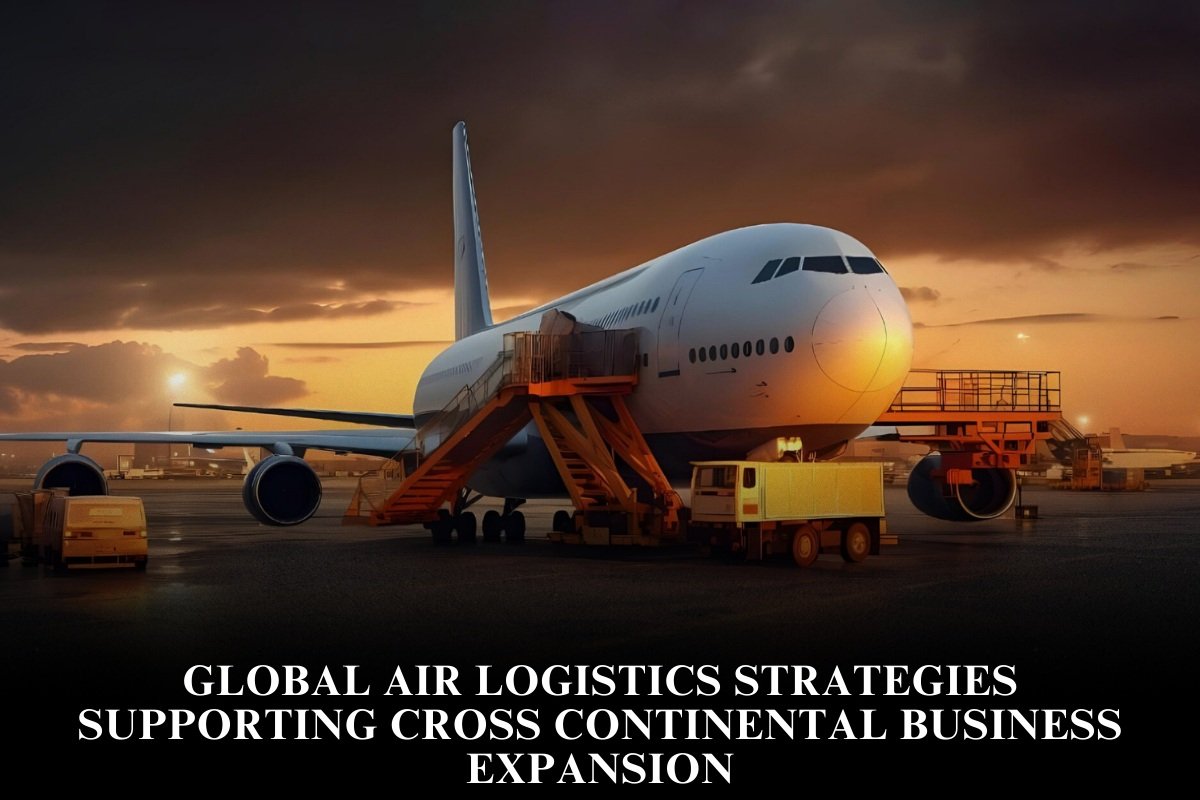
Choose integrators (FedEx/UPS/DHL) for end-to-end or airlines for flexibility; evaluate OTP, networks, support. Hubs like Miami/LA/Chicago connect trade flows; nearshoring boosts regional use.
Sustainability in flexible air freight
SAF adoption cuts emissions with incentives; electric short-haul, offsets align with regs. Carbon programs balance impacts.
Risk mitigation tactics
Diversify suppliers/routes, maintain buffer stock; air bridges disruptions like tariffs. Scenario planning for geopolitics/climate.
2026 outlook and implementation
Expect steady demand-driven growth, regional hubs; forwarders market flexibility. Start with audits, tech pilots, partner RFPs.
FAQs on flexible air freight strategies
1. Why blend air with sea freight?
Sea-air hybrids offer speed/cost balance, saving 20% vs. pure air during disruptions.
2. What drives U.S. air cargo growth?
E-commerce, pharma/high-tech; market to $48.7B by 2035 at 9.8% CAGR.
3. How does tech enable flexibility?
AI rerouting, blockchain tracking, IoT visibility for real-time adaptation.
4. Which U.S. hubs are key?
Memphis, Louisville, Miami, LA, Chicago for integrators and trade.
5. How to mitigate volatility?
Diversify routes, forecast with AI, use dedicated freighters.