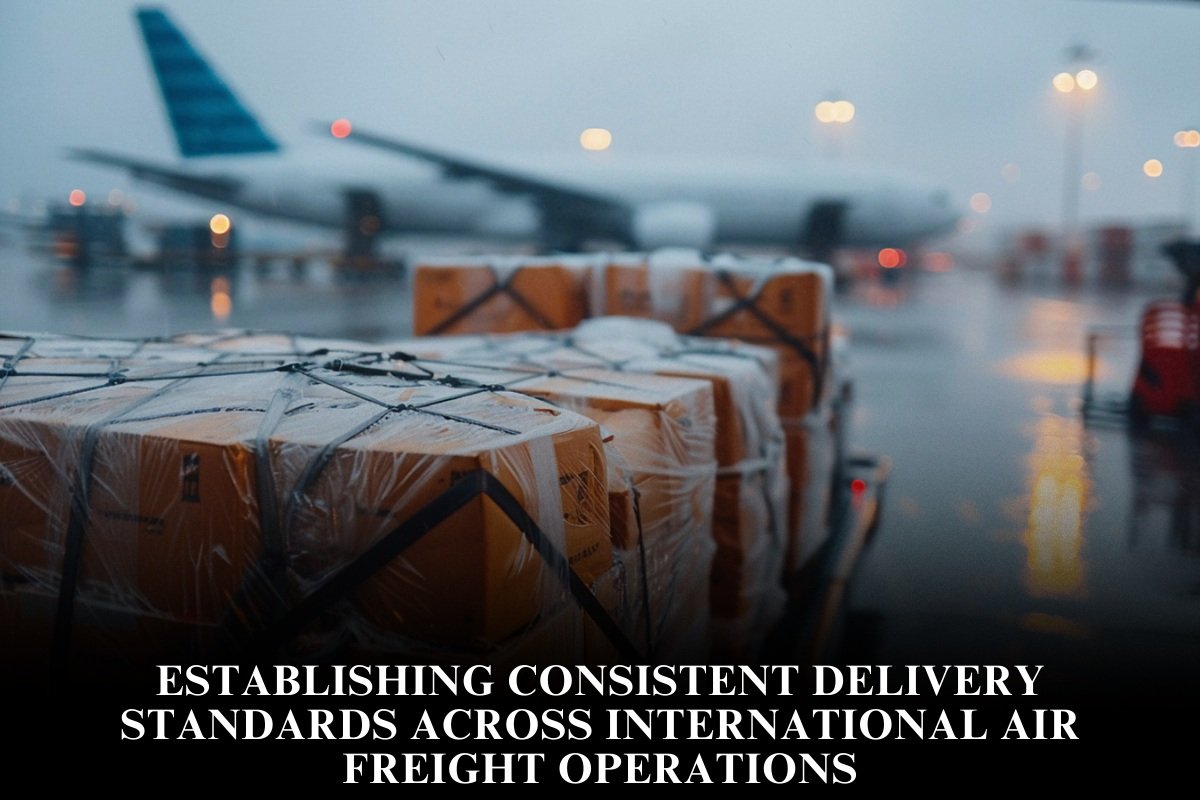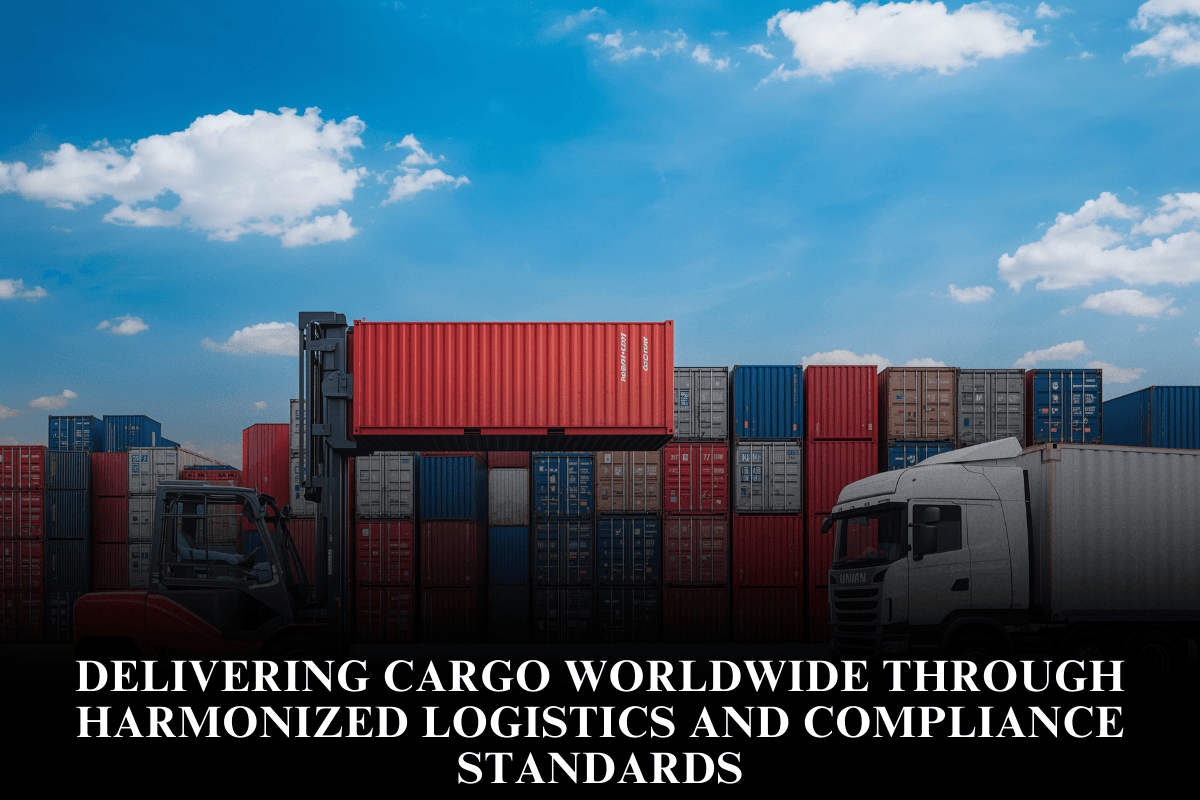
Harmonized logistics and compliance standards streamline worldwide cargo delivery by standardizing classifications, documentation, and risk management across borders.
The Harmonized System (HS) codes, maintained by the World Customs Organization (WCO), classify 98% of global trade goods using a 6-digit universal language, enabling predictable tariffs, swift clearances, and regulatory enforcement.
HS Code Fundamentals
HS codes group products into 99 chapters based on material, function, and use—first 6 digits identical worldwide, with country extensions like US HTS (10-digit) or EU CN (8-digit). Accurate classification avoids fines up to 100% of duties, delays from inspections, and demurrage fees; misclassification disrupts supply chains, as seen in e-commerce surges. Updated every 5 years (latest 2025 revisions), they reflect trade evolutions like green tech.
Customs Clearance Efficiency
HS codes dictate duties, quotas, licenses, and inspections—preferential rates under FTAs require precise matches. Forwarders embed them in bills of lading, air waybills, and e-CMR for PLACI (Preloading Advance Cargo Information) compliance, cutting hold times by 50% via automated risk screening. Digital platforms centralize carrier requirements from 17 majors, including HS mandates and cut-offs.
Regulatory Harmonization
Standards like IATA PLACI and EU 2025 transport rules enforce digital docs (e-B/L, e-invoices) and carbon tools (CountEmissions EU). Hazmat logistics complements HS with UN numbers for dangerous goods, ensuring safe multimodal flows—road (e-CMR), rail (ERTMS), sea/air. INCOTERMS 2020 clarify responsibilities, aligning with HS for seamless handoffs.
Technology-Enabled Compliance
AI classifiers scan descriptions for 95% accuracy; blockchain verifies docs tamper-free. Tools like WCO resources or national tariffs aid lookups—e.g., Chapter 84 for machinery. E-commerce platforms auto-populate HS for D2C shipments, minimizing errors in high-volume air freight.
Risk Mitigation Strategies
Train teams on 2025 updates (GCC 12-digit expansions); audit classifications quarterly. Partner with forwarders like Reload for strategic advice, unlocking FTAs and quotas. Incorrect codes trigger manual reviews, accruing storage costs—proactive binding rulings from customs preempt disputes.
Global Trade Applications Table
Multimodal Integration
Air cargo demands HS for security filings; sea uses SOLAS VGM (Verified Gross Mass). Harmonized EDI (e.g., EDIFACT) syncs data across modes, from Panipat factories to US/EU ports. Blockchain pilots ensure end-to-end traceability.
Challenges and Solutions
Evolving codes (2025 USPS HTS changes) require system updates; solutions include WCO tools and expert audits. High-value electronics (HS 85) face scrutiny—detailed invoices mitigate risks.
Future Outlook
Digital twins and AI predict compliance gaps; sustainable standards like CBAM (EU carbon tax) tie HS to emissions. Forwarders embedding HS strategy optimize costs 10-20% via FTAs.
FAQs
What are HS codes?
6-digit WCO system classifying goods for tariffs/compliance worldwide.
How do HS errors impact shipments?
Delays, fines (100% duties), inspections, and fees.
Mandatory docs with HS?
B/Ls, AWBs, commercial invoices, e-CMR for EU.
2025 HS updates?
Regional extensions like GCC 12-digit; review for FTAs.
Hazmat vs. HS difference?
HS for trade classification; hazmat for safety handling.